
Camellia Cultivation: Your Essential Guide
Few plants embody Southern charm quite like the camellia. Their glossy, deep green foliage provides a stunning backdrop for the showy blooms that emerge during the cooler months, often drawing the attention of early bees and hummingbirds. While camellias can sometimes have a reputation for being demanding, the truth is, if your location provides the right conditions, these glorious plants are surprisingly easy to cultivate.
Understanding Camellia Climate and Zone Requirements
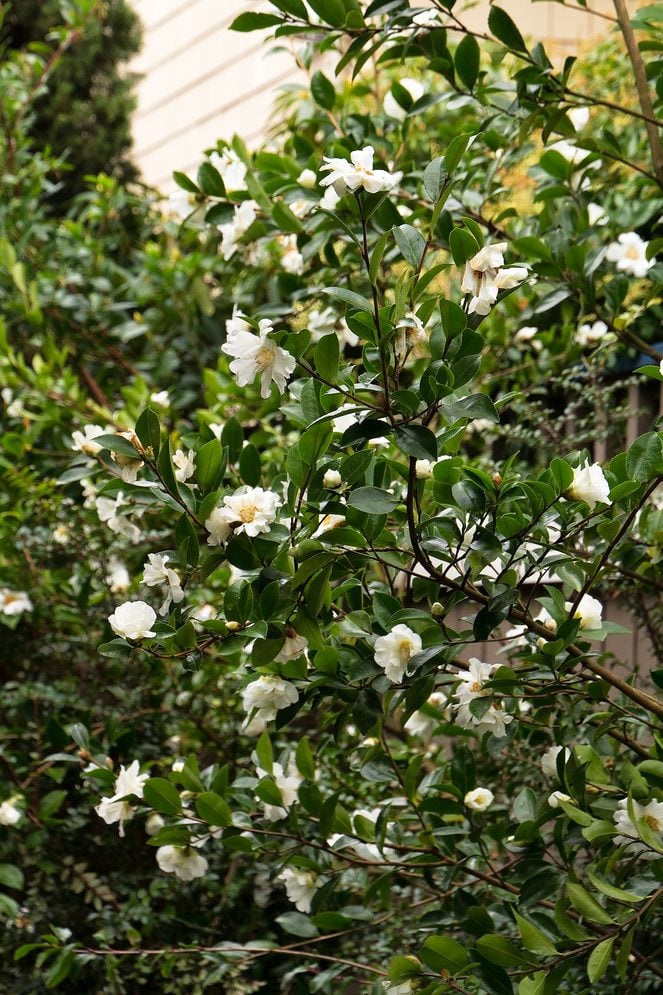 The key to successful camellia growing lies in establishing them in an environment that naturally suits their needs. As horticulturist Megan McConnell from Monrovia explains, "Parts of the country naturally provide the conditions that camellias love." For those fortunate enough to reside in these ideal locales, established camellias require minimal care. They particularly thrive in the Southeastern United States and along the West Coast, extending from San Diego, California, all the way up to Vancouver, British Columbia.
Camellias are not fans of harsh, arid conditions or regions that experience severely cold winters. Generally, these plants flourish in USDA Hardiness Zones 7 through 9, where winters are relatively mild. Temperatures dipping below 10 degrees Fahrenheit can inflict damage on the developing flower buds. However, for those living in cooler climates, there's good news. McConnell highlights the "Ice Angels" series from Monrovia, noting, "They're hardy down to Zone 6! It really opens up where camellias can be grown." This development has been a significant boon for gardeners in previously unsuitable areas.
The Crucial Need for Acidic Soil
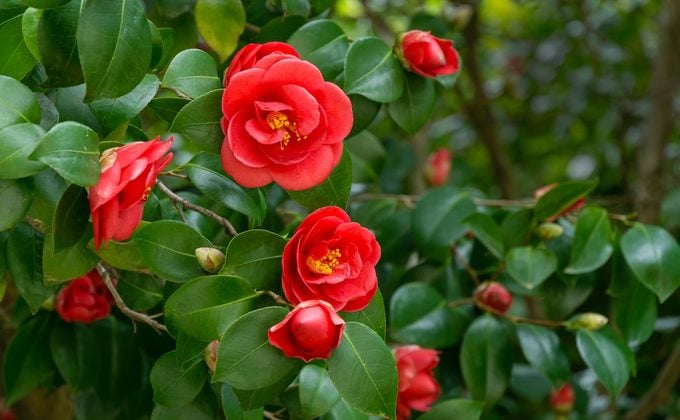 Beyond mild winters, camellias have a distinct preference for acidic soil. When planted in alkaline conditions, their leaves tend to turn a telltale yellow, signaling distress. "If your soil is heavily alkaline, a camellia probably isn’t the plant for you," McConnell advises. While neutral soil can often be amended to become more acidic, it's essential to get it right. "But don’t guess! A local extension office can help you test your soil pH and guide you to the correct adjustments." This simple step can prevent a host of future problems.
Providing Shade and Shelter from the Elements
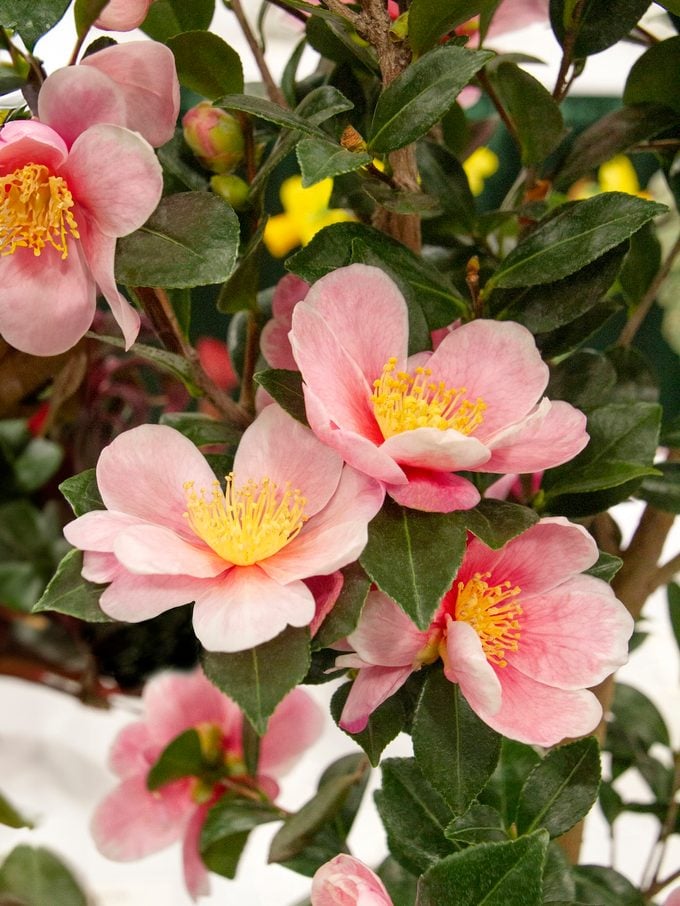 "Camellias like things mild," states McConnell, emphasizing their delicate nature. It's crucial to avoid planting them in locations exposed to either intense, scorching sun or biting winter winds. Shade is paramount for their well-being and optimal flowering. Their buds develop and bloom best when shielded from direct sunlight. The ideal planting sites are often found in sheltered areas beneath the canopy of tall, shady trees, or on the east or south side of a building that offers protection from prevailing winds.
Exploring Different Types of Camellias
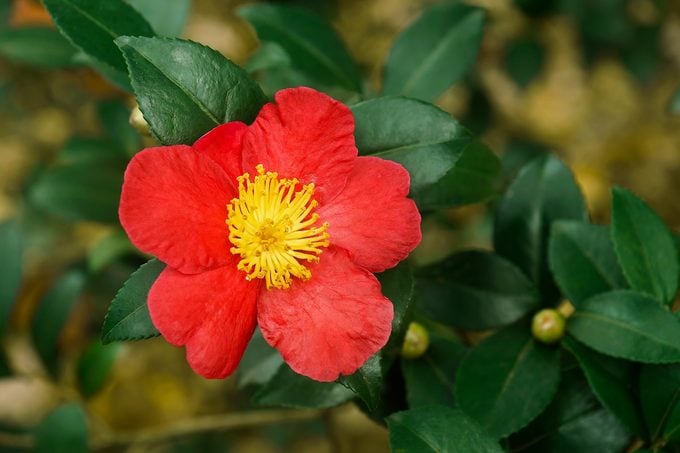
The world of camellias offers a delightful variety, with two commonly cultivated species being Camellia japonica and C. sasanqua. McConnell differentiates them by their blooming cycles and characteristics. "Japonicas bloom late winter to spring, depending on your weather and the variety. They have bigger flowers and leaves." In contrast, "Sasanquas bloom from fall into winter. They usually have smaller flowers but can take more heat and sun."
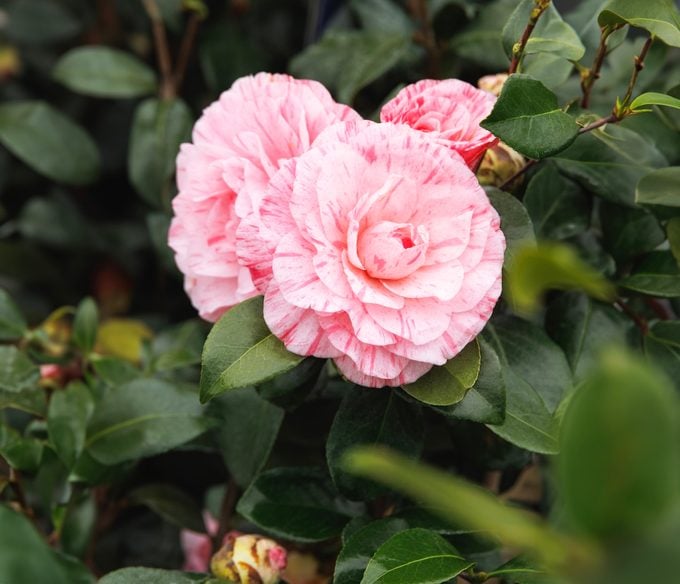
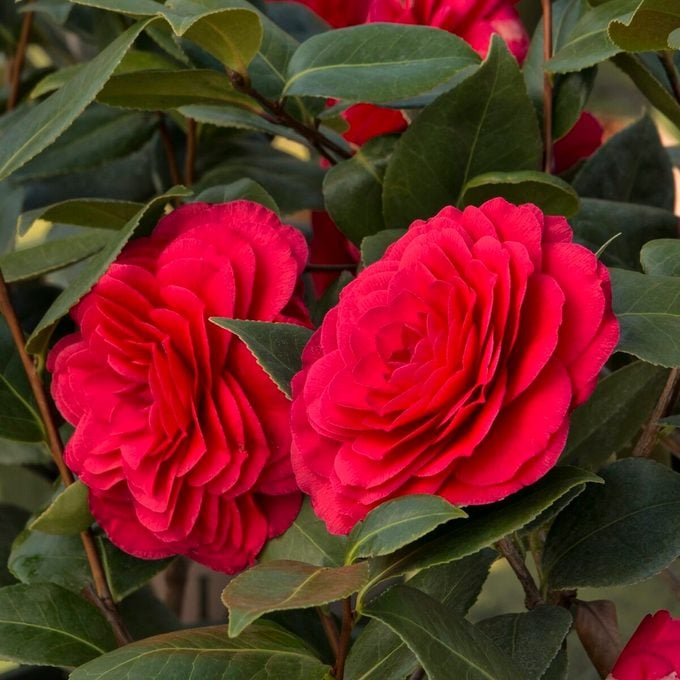
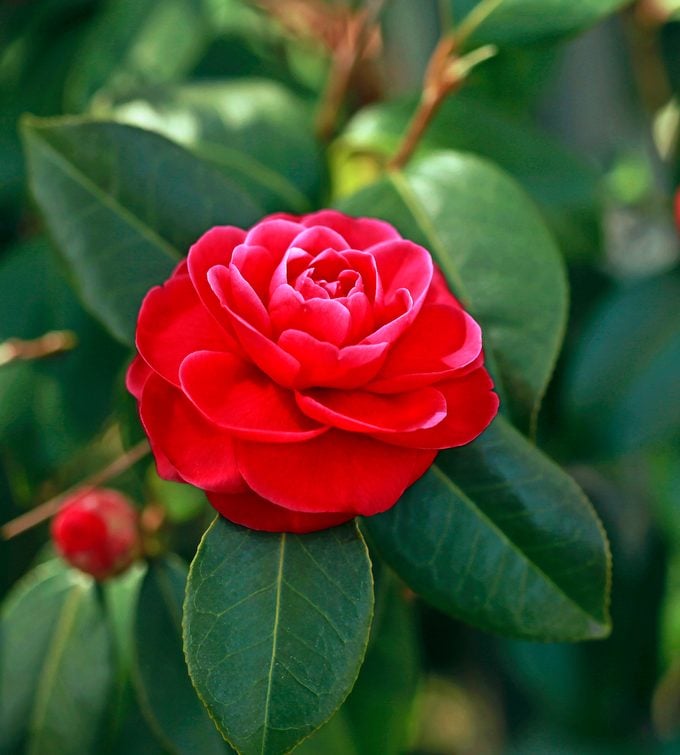
With thousands of camellia cultivars available, gardeners can select from a spectrum of colors, including various shades of pink, white, and red. The blooms themselves are equally diverse, ranging from simple, single-petal designs to elaborate, multi-petaled anemone and peony forms. By strategically planting a mix of species and varieties, it's possible to achieve a continuous display of blooms that lasts for many months of the year.
Top-Performing Camellia Cultivars
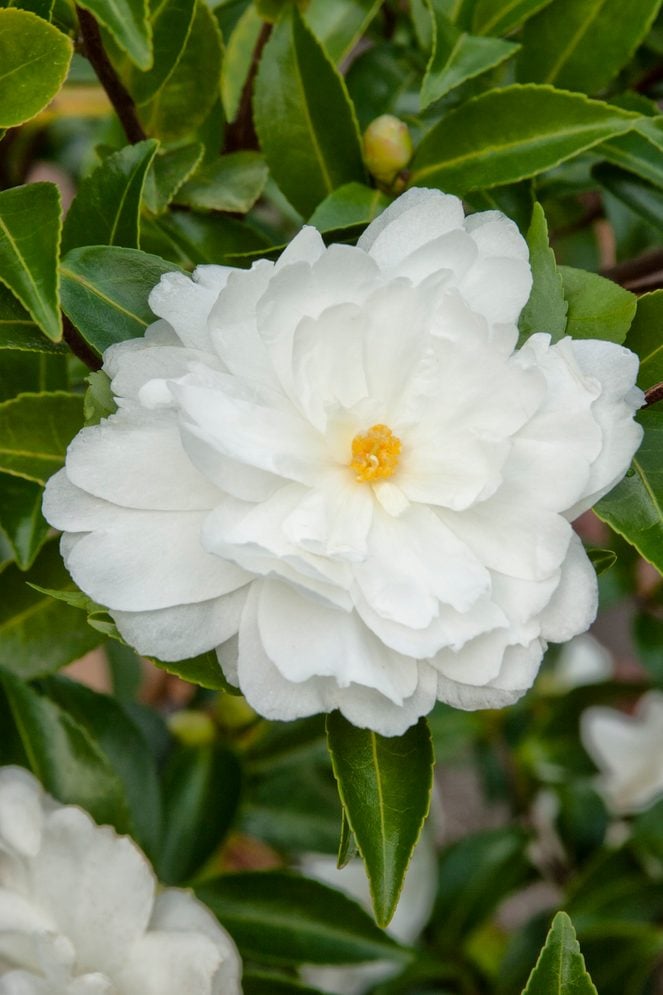 For those seeking specific traits, here are some standout performers in various categories:
- Best Heat Tolerance: Yuletide, White Doves, Kanjiro
- Best Fragrance: Kramer’s Supreme, Pink-A-Boo
- Double Flowers: Pearl Maxwell, Swan Lake, Nuccio’s Bella Rossa
- Multicolored Blooms: Carter’s Sunburst, Extravaganza
Essential Camellia Care and Maintenance
 Camellias can be planted while they are in bloom, with sasanquas typically planted in the fall or winter, and japonicas in late winter or spring. In colder climates, fall planting is recommended to allow the plants sufficient time to establish their root systems before the onset of winter. "The first year is crucial for any plant," McConnell emphasizes. Consistent, deep watering during this initial period is vital for promoting a robust root system. After the first year, watering can be reduced, but it's still important to monitor them during prolonged dry spells, especially in the summer.
Applying a protective layer of mulch annually is also highly recommended. Pruning is another aspect that requires careful timing. Camellias set their flower buds in late summer and fall. Pruning during this period will unfortunately remove the blooms for the following year. The optimal time to trim camellias is immediately after they have finished flowering each year.
Growing Camellias in Containers
 If your soil conditions aren't ideal but your climate is suitable, growing camellias in containers presents an excellent alternative. Plan to repot your camellias every two to three years, using a potting mix specifically formulated for camellias or azaleas.
For those in colder winter zones, container growing can also be a strategy, but overwintering requires careful consideration. McConnell cautions, "They do need some cold temperatures, so you can’t just bring them into your heated home. Plus, they still need bright filtered light all winter. An enclosed, unheated area with bright windows is ideal." This allows the plant to experience the necessary chilling period without succumbing to extreme cold.
Addressing Watering Needs and Bud Drop
 A common issue for camellia growers is bud drop, where numerous flower buds form but fail to open. David Fairchild of Birds & Blooms inquired about this problem, and horticultural expert Melinda Myers offered a solution. "Make sure your camellia bush receives consistent and sufficient moisture, as a lack of water can result in bud drop," Myers explains. Conversely, overwatering can lead to root rot and general decline, so a balance is key.
Myers also notes that camellias often produce more flower buds than the plant can realistically support. To mitigate bud drop, she suggests thinning the flower buds along the branches, leaving only one prominent bud at the tip of each stem. For those seeking to further enhance flowering, some enthusiasts use gibberellic acid, a plant growth hormone, applied to the bud scar next to the remaining bud. The American Camellia Society's website, americancamellias.com, provides additional details on these and other cultivation techniques.
Camellias offer a unique charm by defying the typical gardening calendar. For those with the ideal growing conditions, these beautiful plants provide a stunning display of color and life during the cooler months, proving that being a little different can be a truly wonderful thing. For further insights into these captivating plants, the International Camellia Society website is a valuable resource.
Post a Comment for "Camellia Cultivation: Your Essential Guide"