
The Christmas food you shouldn't feed your dog this festive season
Christmas is a time of togetherness, where family and chosen family gather to celebrate.
For many, these celebrations and chosen family means spending time unwinding and indulging in festive treats with our four-legged friend by our side.
Yet, what we all need to remember is not all indulgences are good for everyone.
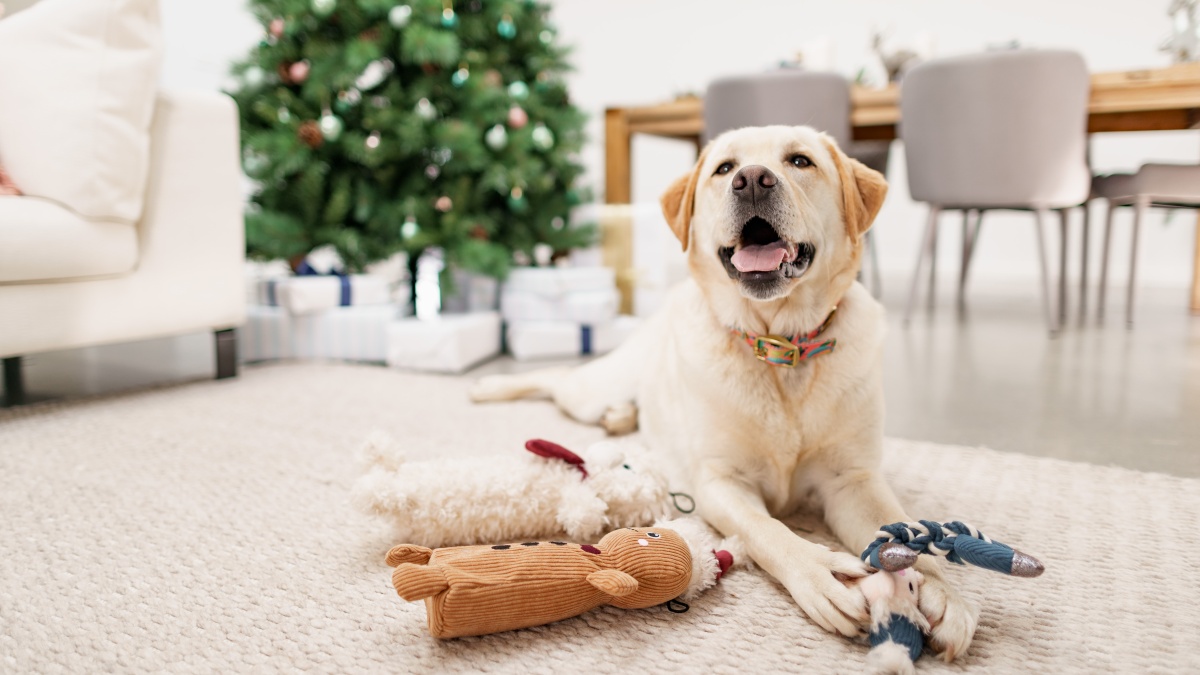
Here's a breakdown of the foods to avoid and include for your pup this Christmas period.
What not to feed your dog at Christmas
This will depend what's on your Christmas Day menu.
Vet clinics are accustomed to seeing an influx of canine patients suffering from vomiting and diarrhoea around Christmas.
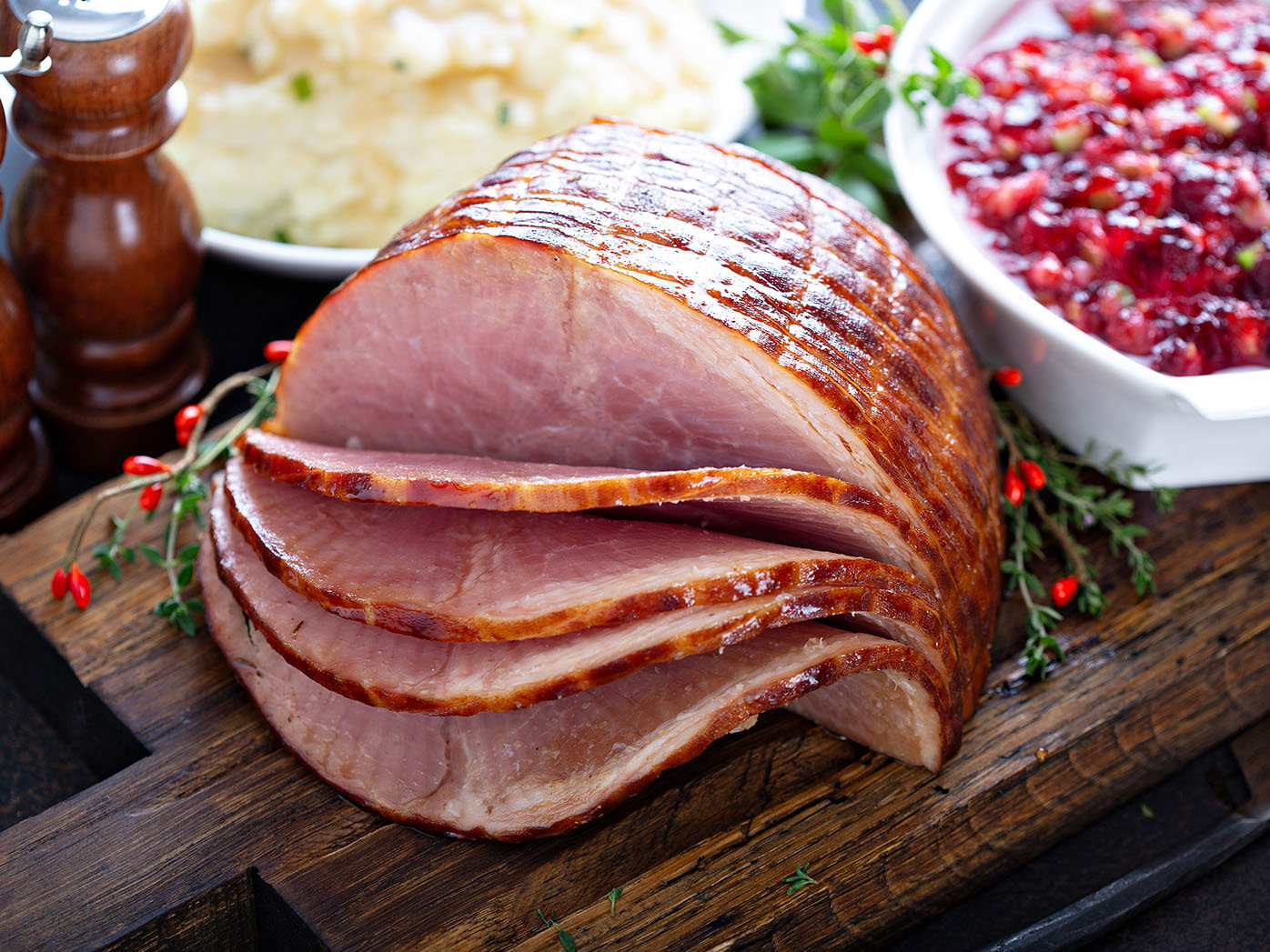
Australian vet and pet expert Dr Katrina Warren says most dogs have indulged in Christmas foods such as ham, lamb, turkey or seafood.
"Ham is a food that dogs find delicious, but it is best to resist the urge to share this Christmas food (and other fatty foods) with your furry companion," Warren says.
"While ham is not toxic to dogs, and a little treat or bite of ham is not likely to cause problems, a more significant amount can cause serious health issues."
She says fatty meals can trigger pancreatitis in dogs, which is inflammation of the pancreas.
"This extremely painful and potentially life-threatening condition can be triggered by fatty foods such as fatty ham, particularly offcuts and trimmings," she says.
Cooked lamb, particularly the bones is also a no no for pups.
"Cooked bones, whether leftover scraps from your meal or have been baked, boiled or fried, should never be fed to dogs (or cats)," Warren says.
"Cooking makes them hard and brittle, and they can easily splinter into pieces when chewed.
"These fragments are often very sharp and can get caught in the mouth, throat or gastrointestinal tract."
She said some of the issues vets see include injuries in the mouth with bone splinters piercing the gums, tongue and throat, choking, bowel obstructions and internal bleeding from splinters piercing organs.
"If you choose to give raw bones, please chat to your vet about the best bones for your dog's size and health status," she adds.
What can dogs eat from a Christmas dinner?
Again, this depends what's on the menu. But Warren urges overall caution.
"Remember, any sudden change in your dog's diet can cause tummy upsets," she says.
"So human Christmas food should be given as a small treat only and if your dog has dietary or medical issues, always speak with your vet before you indulge them on Christmas Day."
What human foods can I give my dog this Christmas?
If you're keen to include your pup in a special Christmas Day treat there are options.
"Blueberries are a really healthy treat, you can feed them frozen as well. They are full of antioxidants," Warren says.
A soft boiled egg is also an option as they are high in protein and essential fatty acids and amino acids.
Plain Greek yoghurt is another option.
"So no added sugar or flavours, but a little bit of Greek yoghurt is full of probiotics," she says.
Sardines are also on the nice list as they are high in protein and omega-3s.
Warren does have a tip when it comes to the tinned fish: "Always try to buy in brine, not olive oil."
What Christmas veg can dogs eat?
There are a couple of great options here.
Warren says broccoli and sweet potato are her favourite of the vegetables to feed dogs.
"I like to steam them gently so they're not a choking hazard," she says.
Are mince pies bad for dogs?
Yes. Christmas treats, such as cakes, mince pieces and puddings are toxic to dogs.
This is because they contain dried fruits including grapes, raisins and sultanas.
"Even a small amount of Christmas sweets can cause vomiting and diarrhoea, and in some cases this can lead to kidney disease," Greencross Vets says.
What is the one thing you should never feed your dog?
Sadly, there is not just one thing you should never feed your dog. There are many.
Like grapes, raisins and sultanas, chocolate is another thing you shouldn't give your dog.
"Chocolate contains an ingredient known as 'theobromine' that is toxic to pets. This ingredient is in all kinds of chocolate, including white chocolate. Higher levels are found in dark chocolate, cooking chocolate, and cocoa," Greencross Vets says.
Nutmeg is another.
"The rich fragrance of nutmeg can attract the attention of some pets. High levels of nutmeg can harm your pet's health. If eaten, it can cause increased heart rate, seizures, and tremors," Greencross Vets says.
Given salads are usually high on the menu for an Australian Christmas, you should avoid giving your dog avocado or stone fruits.
"The seed of the avocado (or any stone fruit) can pose a dangerous threat to your pet," Greencross Vets says.
"Avocados are also high in fat and may contribute to pancreatitis in dogs."
Post a Comment for "The Christmas food you shouldn't feed your dog this festive season"