
GE HealthCare CEO Peter Arduini is forging a new chapter for the $20 billion-a-year business while drawing on Jack Welch’s legacy
 GE HealthCare Technologies, a significant player in the medical technology and digital health landscape, officially launched as an independent public company on the Nasdaq exchange on January 4, 2023. Since its debut, the company's stock has seen an impressive surge of nearly 50%. This marked the first of three strategic spin-offs from the storied conglomerate, General Electric, a company with roots tracing back to the inventions of Thomas Edison. General Electric itself went public in 1892 and was one of the original twelve components of the Dow Jones Industrial Average four years later. The other two former GE divisions, GE Vernova and GE Aerospace, also became independent entities, listing on the New York Stock Exchange in April 2024.
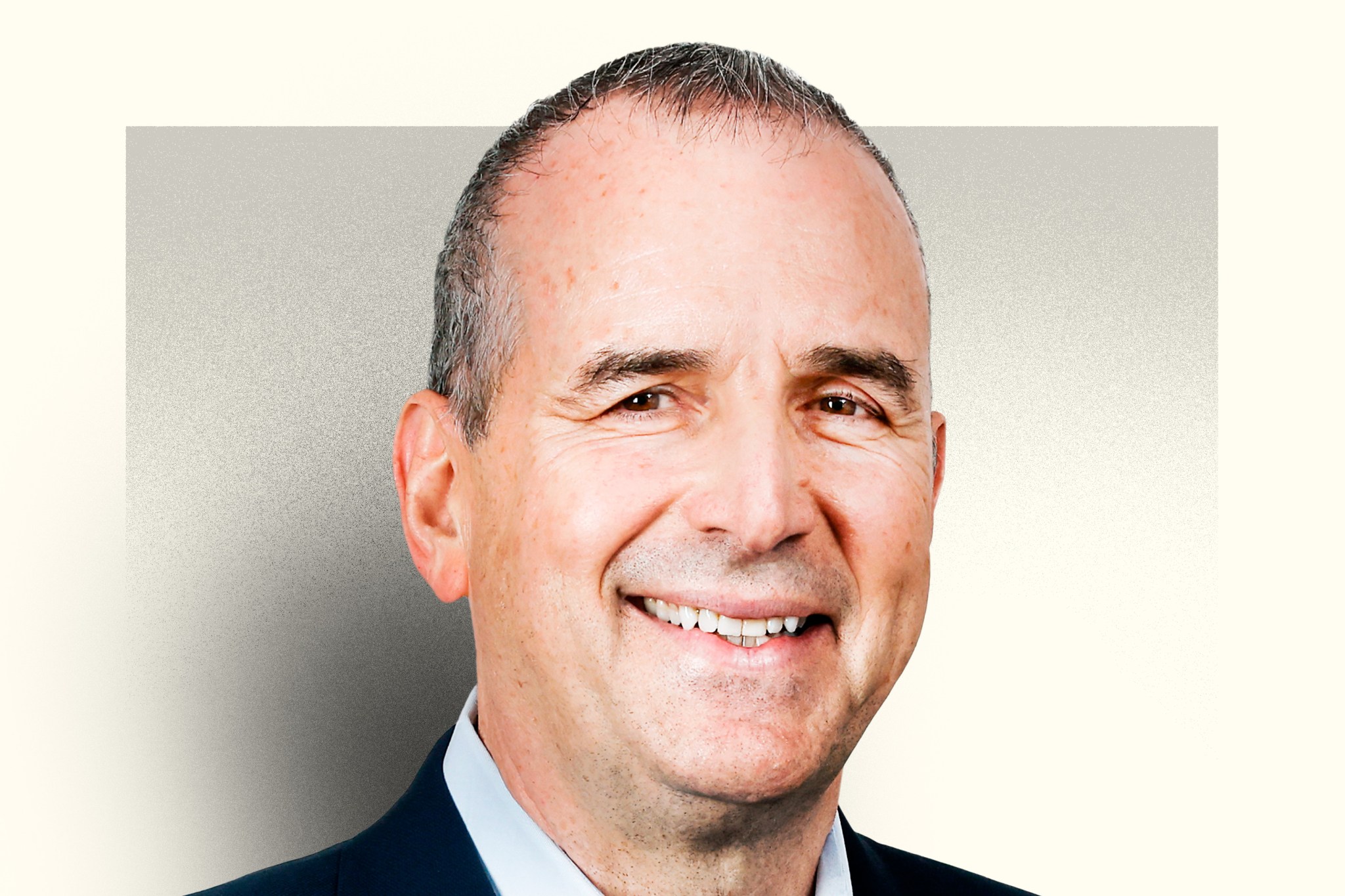
At the helm of GE HealthCare, a business generating approximately $20 billion in annual revenue, is CEO Peter J. Arduini. He recently shared insights into his approach to navigating this new chapter for the company, balancing innovation with the enduring legacy of General Electric.
A Return to Roots and the GE Way
Arduini's journey with GE began in 1990, during the tenure of Jack Welch, and he departed a few years after Jeff Immelt took the helm. Reflecting on his initial experience, Arduini noted that he was transitioning from the consumer goods sector and found the grocery business less appealing. A pivotal call led him to an opportunity in technology and global businesses within what was then GE Medical Systems. He admitted he wasn't even aware GE had a medical division at the time.
The culture at GE during that era, according to Arduini, was characterized by exceptional leadership development. He experienced the opportunity to assume significant responsibilities at a remarkably young age, acknowledging it was "probably too young." He described GE as a rare company that offered bold assignments and a wide array of potential career paths. This environment fostered a deep understanding of how to "run a company the GE way," emphasizing candor and transparency about both successes and challenges. While acknowledging it was a demanding culture, he also recognized its fairness, which he believes was a key driver of its success under Jack Welch.
The Call Back to GE
After leaving GE in 2005, Arduini's return was prompted by a call from a headhunter informing him that then-GE CEO Larry Culp wished to speak with him. Initially hesitant about returning, Arduini's wife encouraged him to accept the call. The conversation with the headhunter led to a direct and unexpected text from Larry Culp himself, requesting a brief chat. Culp’s immediate engagement, offering to speak "now," exemplified his down-to-earth, focused, and intentional leadership style. This brief, impactful interaction was a significant factor in Arduini's decision to rejoin the company, particularly given the exciting prospect of creating three separate, publicly traded entities.
The Strategic Imperative of Independence
The decision to establish GE HealthCare as a standalone company was driven by the rapid evolution of the technology and market landscapes, marked by the emergence of new competitors. Arduini explained that operating within a larger conglomerate can often lead to slower decision-making processes. In the fast-paced med-tech industry, focus is paramount, and the company aimed to minimize "noise" to maximize "signal."
Navigating a Dynamic Med-Tech Environment
The past three years have presented a dynamic period for the medical technology sector. Arduini reflected on lessons learned, particularly regarding macro-level factors such as geopolitical shifts affecting markets like China and the need to adapt supply chains due to tariffs. These unforeseen events highlighted the critical importance of having the right talent, a robust management system capable of adapting to rapid changes, and strong innovation capabilities. He emphasized that without consistent innovation, maintaining market share and achieving growth becomes challenging.
Arduini candidly admitted that as part of the integrated GE model, GE HealthCare functioned somewhat as a "cash cow." While not underfunded, the business was not adequately resourced to drive leading-edge innovation. He attributes his success in addressing this to listening to wiser counsel and maintaining humility.
Investing in the Future: A Commitment to Innovation
A key strategy implemented by Arduini has been a proactive approach to innovation, forecasting product needs three to five years in advance and fully funding these initiatives. He likens this to planting seeds, nurturing them to germinate, and allowing them to grow to bear fruit – a process that mirrors the development cycle in the healthcare industry.
The company's commitment to research and development has significantly increased. In 2018, R&D investments ranged from $750 million to $800 million. By the current year, this figure is projected to exceed $1.4 billion, effectively doubling the R&D expenditure. This increased investment was achieved through cost reductions in other areas and simplification of certain company operations.
Operational Excellence and Cultural Evolution
The transformation also involved changes in the field organization, with approximately 40% to 50% of leadership roles being updated. Talent across the organization was upgraded, and Arduini dedicated considerable effort to defining and communicating the company's vision and values, ensuring the right people were in place to align with these objectives.
A significant focus over the past two years has been the development of a "heartbeat management system," which is rooted in lean principles. This system outlines daily management practices at various organizational levels, establishes standard work across all areas, and integrates methodologies like Kaizen, actively involving employees and customers in decision-making processes.
Embracing Lean Principles and Reviving Core Strengths
Larry Culp's strong advocacy for Kaizen, coupled with GE's historical reputation for promoting Six Sigma, underscores the company's commitment to continuous improvement. Arduini explained that as an independent entity, the culture has evolved to incorporate the best aspects of GE's past while embracing new approaches. He aimed to retain the effective elements of GE's leadership distribution and leader development programs, including the virtual learning environment akin to the former Crotonville facility. He noted that some of these programs had diminished prior to Larry Culp's return, who reinstated practices like performance reviews.
Arduini also drew upon tools from the Jack Welch era, adapting them for contemporary use. While the physical Crotonville campus might not be practical for global training today, the underlying principles and capabilities are being recreated in virtual and other accessible formats worldwide.
In the healthcare sector, GE HealthCare has revived its "worldwide product" innovation pipeline, a system that had faded over the past decade. This revived pipeline is now digitally focused and integrated, encompassing the entire patient journey from diagnosis through therapy, action, and follow-up, including financial aspects. The integration of cloud computing and artificial intelligence across the company's full technology stack has been instrumental in optimizing resource allocation and driving progress.
A Vision for Limitless Healthcare
The overarching vision for GE HealthCare is to create "a world where healthcare has no limits." This purpose is underpinned by a humble acknowledgment that the company doesn't possess all the answers. Instead, it emphasizes collaborative problem-solving with customers, a core tenet of the lean mindset. Servant leadership is a key component, inverting the traditional organizational pyramid, with the CEO's role being to empower others to succeed. The entire team is focused on the customer and the patient.
Entrepreneurship is also a significant focus, recognizing that success in the broader ecosystem requires creativity and a willingness to collaborate without necessarily owning every aspect of the process. Teamwork and inclusive teams are actively fostered, with individuals recognized and rewarded for embodying these values.
Challenges and Opportunities in the Global Landscape
The medical technology industry is described as an "American gem," with a substantial portion of products, intellectual property, and technology originating in the United States. Arduini stressed the importance of government policies that protect and enhance this domestic industry.
While maintaining a global footprint for manufacturing and R&D is critical for competitiveness, Arduini acknowledged the lessons learned from the COVID-19 pandemic regarding supply chain resilience. The previous model of sourcing from single, lowest-cost locations proved vulnerable. Consequently, GE HealthCare is actively bringing more U.S. products and their components back to North America. In China, the company has shifted from importing 75% of its products to manufacturing nearly 85-90% of them locally for the Chinese market.
The Strategic Importance of the Chinese Market
The decision to invest heavily in China is driven by its vast population of 1.4 billion, with a significant and growing segment of 400 million people having disposable income. Arduini noted that while the U.S. has a population of 375 million, China still has a billion people lacking adequate healthcare. He believes China will eventually become the largest healthcare market globally. Arduini expressed a strong conviction that increased collaboration between the U.S. and China in healthcare will benefit the world and is essential for companies like GE HealthCare to achieve their full potential.
Reflections on Leadership in a Transformative Era
Drawing from his experiences at companies known as leadership training grounds, Arduini shared reflections on his role as CEO over the past three years. Authenticity is paramount, and while he can be extroverted when needed, he identifies as more introverted. In today's environment, particularly with a younger workforce, direct and vocal communication from senior leaders is crucial. He acknowledged that social media often garners more attention from employees than internal communications.
The ability to connect with people through diverse channels is vital for running a modern company. Emphasizing the company's mission and the "why" behind its work helps employees understand their purpose. He also highlighted the timeless importance of bringing customers' stories to the forefront, illustrating how the company impacts patients' lives, potentially even those of employees' own family members. Empowering individuals to live these values, he believes, is the pathway to achieving excellence.
Post a Comment for "GE HealthCare CEO Peter Arduini is forging a new chapter for the $20 billion-a-year business while drawing on Jack Welch’s legacy"