
Introducing AI Mickey: Disney teams up with ChatGPT in $1billion deal
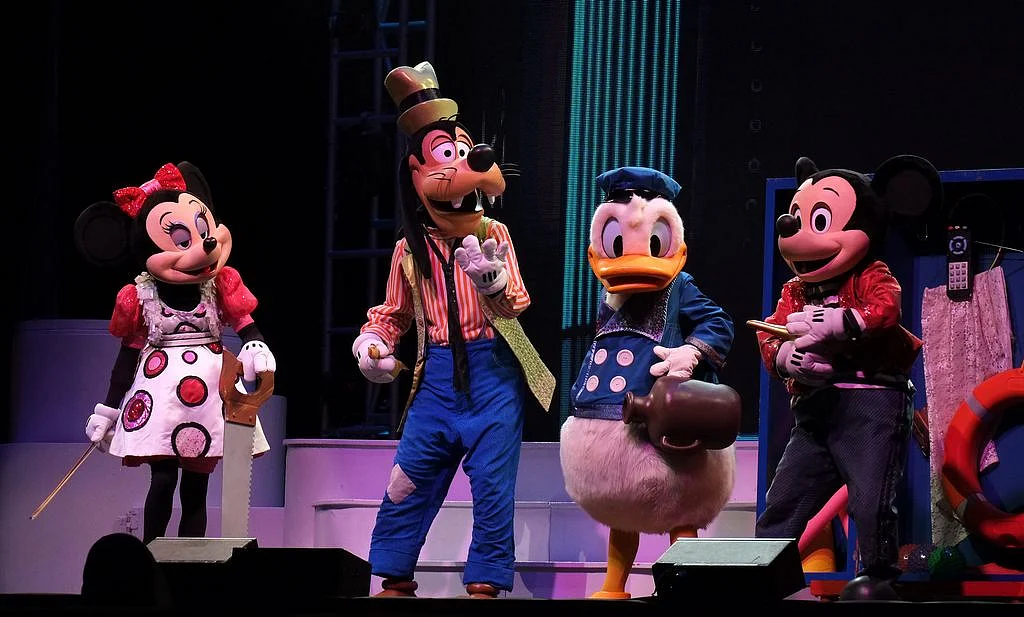 Walt Disney is making a substantial $1 billion investment in OpenAI, signalling a transformative shift in Hollywood's approach to content creation. This landmark partnership will grant the artificial intelligence startup access to beloved characters from iconic franchises such as Star Wars, Pixar, and Marvel for use in its Sora AI video generator. The three-year collaboration, announced recently, represents a pivotal moment as Hollywood grapples with the burgeoning influence of generative artificial intelligence, aiming to navigate industry concerns surrounding creative jobs and intellectual property rights.
Generative AI Meets Iconic Characters
Under the terms of this licensing agreement, Sora and ChatGPT Images are set to commence generating videos featuring universally recognised Disney characters, including Mickey Mouse, Cinderella, and Mufasa, beginning early next year. It is important to note that this agreement specifically excludes any use of talent likenesses or voices, maintaining a clear boundary in the integration of AI.
Disney CEO Bob Iger expressed his perspective on the collaboration, stating, "Through this collaboration with OpenAI, we will thoughtfully and responsibly extend the reach of our storytelling through generative AI, while respecting and protecting creators and their works." This statement underscores Disney's commitment to a balanced approach, leveraging AI's capabilities while upholding the value of human creativity.
Industry Reactions and Concerns
Hollywood's unions, which have been closely monitoring the expanding applications of generative AI, have responded to the deal with a degree of caution. The implications for creative professionals and the integrity of artistic work are significant, and these organisations are keen to understand the full scope of the agreement.
The Genesis of the Partnership
Sources familiar with the discussions reveal that discussions between Bob Iger and OpenAI's Sam Altman began years ago. Their conversations centred on exploring the potential of generative AI when synergised with Disney's rich character universe and extensive storytelling library. Prior to the official announcement, OpenAI provided Disney with early demonstrations of its Sora image-generation tool. This proactive engagement from OpenAI, as indicated by the source who requested anonymity to discuss the sensitive negotiations, demonstrated a willingness to engage constructively in dialogue, a key factor in reaching the agreement.
Bob Iger had previously hinted at this strategic direction during an investor call in November. He outlined how AI could empower the company to offer Disney+ subscribers tools for creating and consuming user-generated content, particularly in short-form formats. This foresight positions Disney at the forefront of evolving viewer preferences for dynamic and interactive content.
Strategic Integration and Future Opportunities
As part of the comprehensive agreement with OpenAI, a curated selection of user-generated videos will be made available for streaming on Disney+. This move is designed to allow the streaming platform to capitalise on the escalating demand for short-form video content, a trend that continues to shape the digital media landscape.
Furthermore, the media conglomerate will receive warrants, granting them the opportunity to purchase additional equity in the ChatGPT maker. This financial stake reflects a deeper commitment to the partnership and a belief in OpenAI's future growth.
The companies intend to leverage OpenAI's advanced models to develop innovative new products and enhance customer experiences, with a particular focus on benefits for Disney+ subscribers. Concurrently, Disney plans to deploy ChatGPT for its internal operations, aiming to streamline workflows and boost employee efficiency.
Safeguards and Internal Applications
A crucial aspect of the deal includes robust guardrails designed to prevent the depiction of Disney characters in inappropriate or compromising situations. This emphasis on ethical AI usage is paramount for a brand built on family-friendly entertainment. Beyond external applications, Disney also intends to utilise OpenAI's tools for its internal film production processes, seeking to achieve greater efficiency and potentially reduce production costs. This strategic integration comes at a time when the industry is actively debating the role of AI.
Addressing Creator Compensation and Rights
The partnership emerges months after the Creative Artists Agency (CAA), a prominent talent agency in Hollywood, voiced criticism towards OpenAI. CAA had raised concerns about Sora potentially exposing artists to "significant risk" and questioned the compensation mechanisms for creative professionals whose work might be utilised.
Danny Lin, president of the Animation Guild, highlighted compensation for artists as a critical issue that the union intends to address. While animators may not hold direct ownership of Disney characters, Lin asserted, "we're certainly the reason they exist and the reason that they have such earning potential." This sentiment underscores the vital contribution of artists to the enduring success and profitability of iconic intellectual property.
The Writers Guild of America (WGA) has also indicated its intention to meet with Disney to ascertain the extent to which its members' labour will be incorporated into user-generated videos. WGA leaders communicated to their members, "Disney’s announcement with OpenAI appears to sanction its theft of our work and cedes the value of what we create to a tech company that has built its business off our backs." This strong statement reflects deep-seated concerns within the writing community.
SAG-AFTRA, representing actors and other entertainment industry professionals, confirmed that both Disney and OpenAI had reached out to the union to provide assurances regarding the ethical and responsible deployment of the technology. In a statement, the union noted, "The ongoing dialogue reflects a significant commitment to taking SAG-AFTRA members' concerns into account in the protective measures applied to image, likeness, voice, performance, and intellectual property rights generally."
The Unstoppable Momentum of AI
Despite these concerns, Emarketer analyst Ross Benes suggested that the power of unions might be limited in their ability to halt the widespread adoption of AI-produced media. "They will unlikely be able to stem the momentum of AI-produced media," Benes commented. This observation points to a broader industry trend where AI's influence is becoming increasingly pervasive.
Adding to the ongoing legal landscape, CNBC reported earlier that Disney had issued a cease and desist letter to Google, alleging copyright infringement. This action follows a copyright lawsuit filed in June by Disney and Comcast's Universal against AI photo generation firm Midjourney, citing the unauthorised use of the studios' well-known characters in their AI-generated imagery. These legal battles highlight the complex challenges in defining and protecting intellectual property in the age of artificial intelligence.
Post a Comment for "Introducing AI Mickey: Disney teams up with ChatGPT in $1billion deal"