
Review: ‘Metroid Prime 4: Beyond’ is fine, and that’s about it
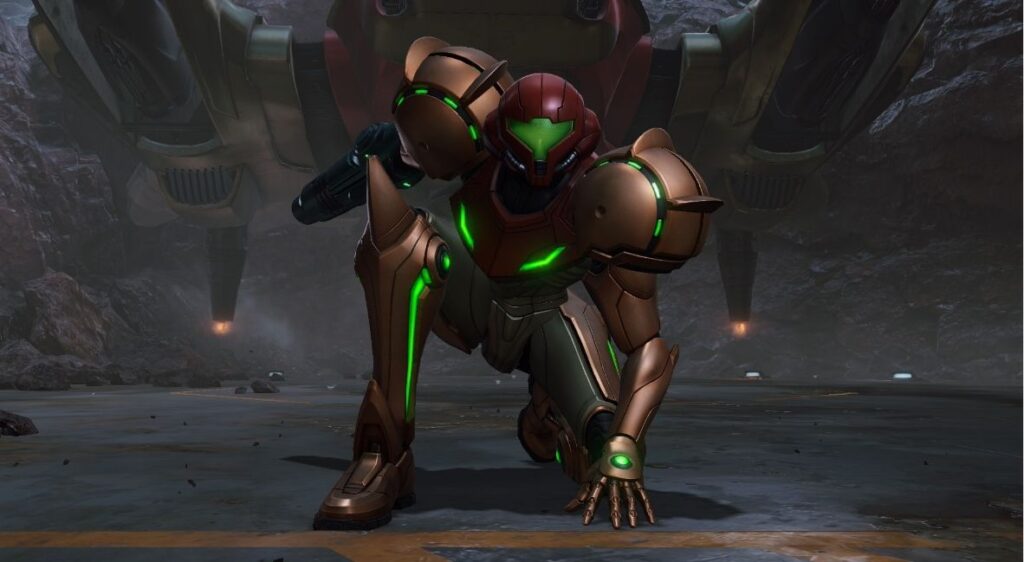 The arrival of Metroid Prime 4: Beyond has been a long time coming, a beacon of anticipation for fans of Nintendo's iconic intergalactic bounty hunter, Samus Aran. Developed by Retro Studios, this latest installment in the acclaimed action-adventure series faces the daunting task of living up to nearly two decades of pent-up excitement, a development journey fraught with challenges, and the legacy of a franchise that arguably defined its genre. The question on everyone's mind: can Metroid Prime 4: Beyond truly soar?
The answer, much like the vastness of space Samus explores, is complex. When Metroid Prime 4: Beyond hits its stride, it offers an exhilarating and deeply engaging experience. The dungeons are masterfully crafted, the action sequences are pulse-pounding, and the boss encounters are nothing short of spectacular. These moments are cinematic triumphs, grand set pieces that, despite a largely linear progression, provide immense player satisfaction.
A Journey to Viewros
Metroid Prime 4: Beyond transports players to the visually striking planet of Viewros, where Samus finds herself unexpectedly stranded. Her primary objective is to escape, but this mission quickly intertwines with uncovering the tragic events that befell the Lamorn, the planet's former inhabitants. This central mystery offers intriguing narrative threads, though its primary antagonist, Sylax, falls disappointingly flat.
Sylax's presence is largely forgettable. They appear for a few boss battles, but any meaningful exploration of their motivations or identity is conspicuously absent. They serve as little more than a target, a fleeting obstacle in Samus's path, failing to leave a lasting impact on the player.
Supporting Cast and Narrative Gaps
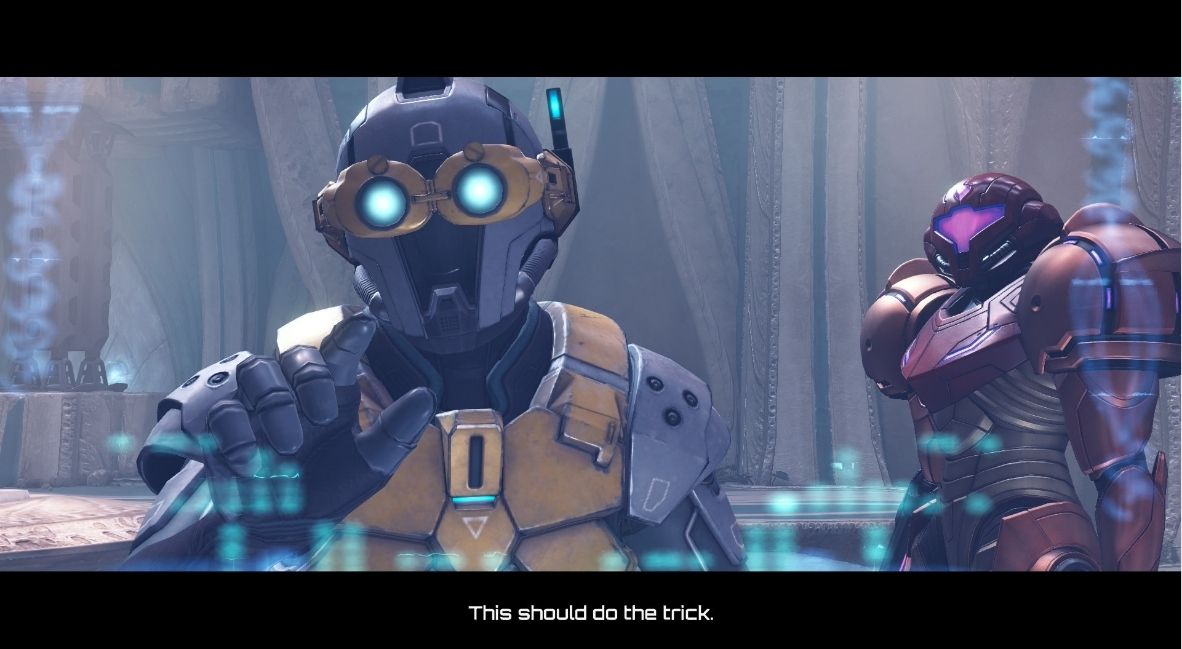
In an effort to flesh out the experience beyond Samus's solitary adventures, Metroid Prime 4: Beyond introduces a supporting cast. Characters like Myles, a techno-babble spewing inhabitant, are present but uninspired. This issue is exacerbated by the game's persistent hand-holding; players are constantly reminded of their objectives, often to the point of annoyance.
This over-explanation extends to the entire supporting cast, who often feel more like caricatures than fully realized individuals. Each character is defined by a singular personality trait – the brooding sniper, the stoic soldier, the cheerful pilot – with little to no attempt at developing genuine depth. While they serve their narrative purpose, they rarely inspire investment or emotional connection.
The Thrill of Combat
Where Metroid Prime 4: Beyond truly shines is in its combat. Samus's arm cannon, now augmented with psychic abilities, delivers satisfyingly crisp and efficient destruction. A standout addition is the controllable charged shot, which slows down time upon firing, allowing players to guide its trajectory to their targets. This mechanic is cleverly implemented in several boss fights, adding a layer of strategic depth.
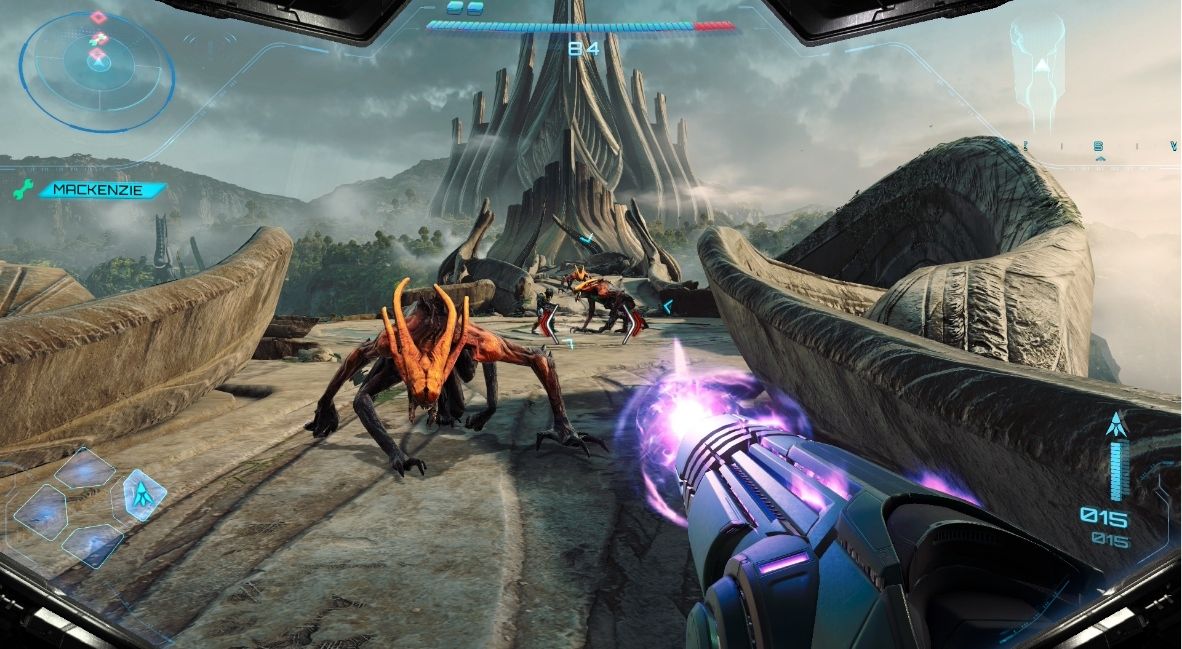
While many of the upgrades are standard fare, the elemental shots offer significant tactical advantages in combat. Each enemy encounter is an exciting, trigger-happy arena fight, though the variety of enemies is somewhat limited, and the upgrades rarely feel essential for overcoming them. Most foes succumb to Samus's firepower regardless of the approach, turning many encounters into straightforward shootouts rather than engaging strategic puzzles.
Memorable Boss Battles and Stellar Dungeons
The boss encounters, however, are a significant highlight. Each is a grand, memorable spectacle that effectively utilizes Samus's expanded abilities. Choosing the correct weapon or ability becomes crucial, transforming these battles into challenging and rewarding tests of skill. While a few bosses don't quite reach the same heights as others, their brief appearances prevent them from significantly detracting from the overall experience.

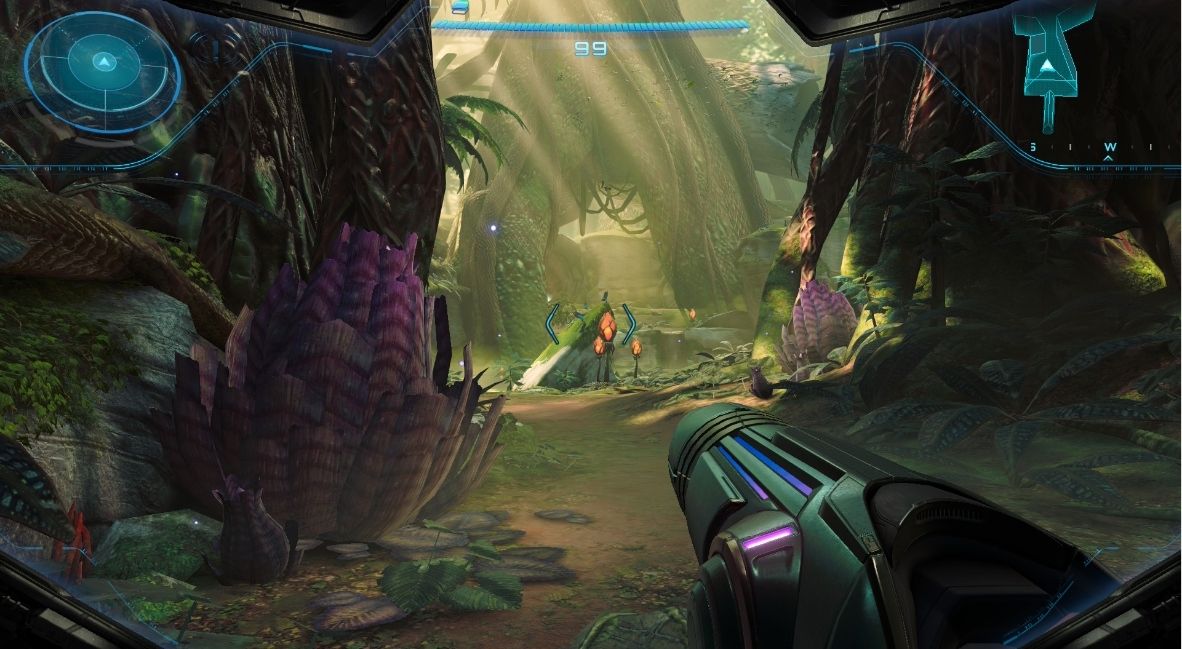
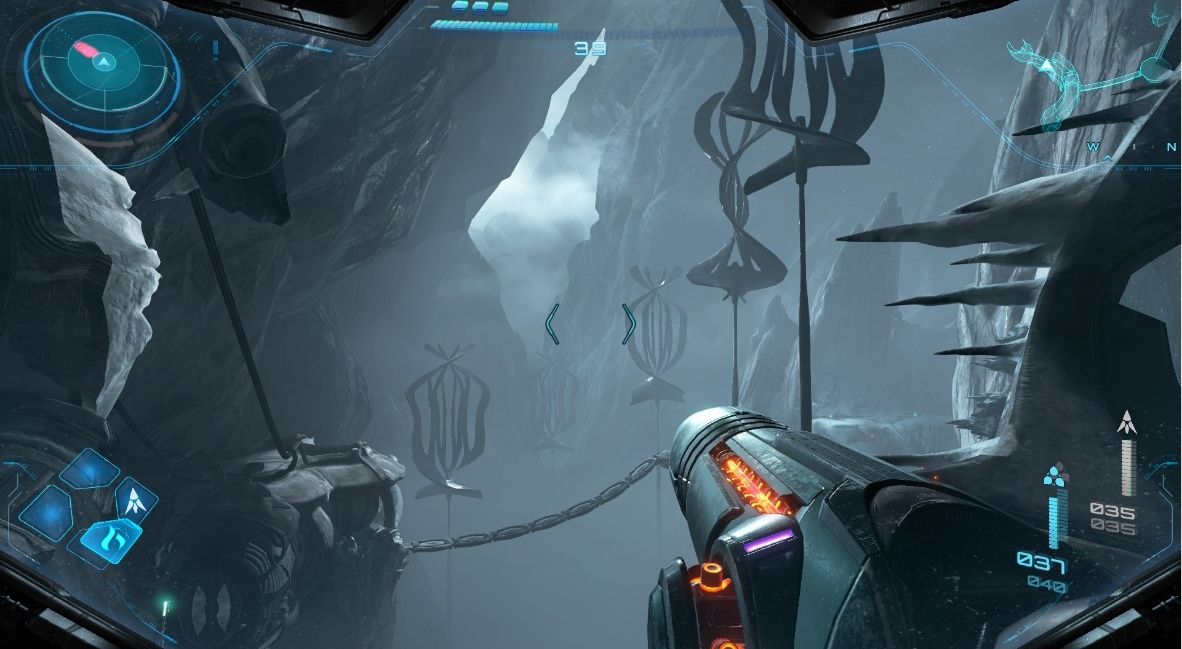
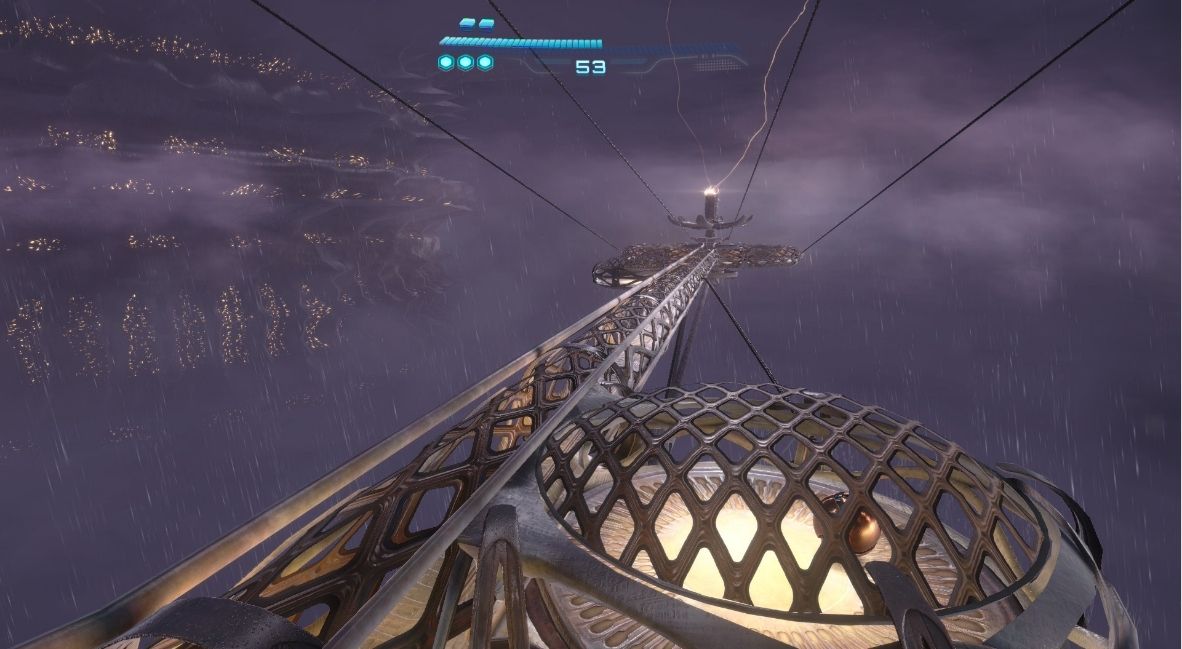
Retro Studios has clearly prioritized cinematic presentation, infusing each boss fight with a unique flair. This attention to detail extends to the dungeon design, which is largely excellent, particularly in the game's initial stages. The Volt Forge, with its atmospheric rain and lighting, instantly becomes a memorable Metroid locale, while the desolate Ice Valley evokes a chilling sense of isolation. Though not all dungeons achieve the same level of impact, the majority offer engaging environments.
The Metroidvania Question
Despite the solid dungeon design, Metroid Prime 4: Beyond struggles to capture the true essence of a Metroidvania. While there are areas to revisit, these often lead only to minor upgrades like ammunition expansions. The interconnectedness of the game world feels underdeveloped, with few shortcuts or genuinely intriguing pathways that encourage exploration. The sense of wonder and curiosity that defines the genre, and which this series helped pioneer, is largely absent. Instead, exploration is driven by the promise of more firepower, which often feels unnecessary.
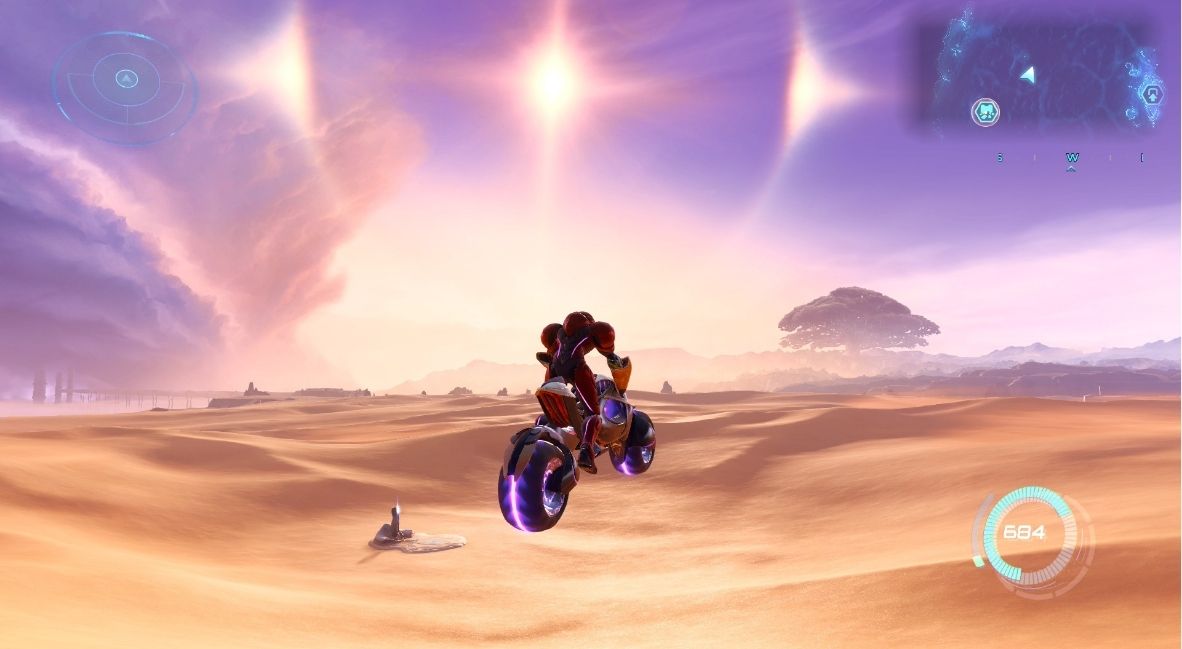
This issue is most apparent in Sol Valley, a vast desert that serves as a connective tissue between dungeons. The introduction of a new motorcycle for Samus is a necessary addition for traversing this expansive emptiness. While scattered shrines offer potential rewards, many require late-game upgrades, rendering them inaccessible early on. This creates a frustrating cycle of encountering obstacles that halt progression, only to be promised future rewards that feel distant and uncertain.
Sol Valley: An Unnecessary Burden
Sol Valley, in particular, becomes an aggravatingly empty expanse. By the time players acquire the necessary upgrades to tackle the shrines – most of which are disappointingly simple – the rewards feel anticlimactic. Extra ammunition or weapon boosts would have been far more valuable hours earlier, rather than near the game's conclusion. This pacing issue renders the desert largely ignorable for much of the game, with one glaring exception: the ubiquitous green crystals.
These scattered green crystals are a mandatory collectible required to complete the game. Even with diligent collection during the main narrative, players will inevitably find themselves needing to gather more. This culminates in a final act that becomes monotonously focused on scouring the desert for these crystals, a task made even more frustrating by the lack of an in-game tracker for progress, forcing players to frequently return to base camp.
The Base Camp Conundrum
The base camp in Sol Valley further compounds the game's structural issues. What could have been a solid experience is significantly hampered by the constant and often forced backtracking. While backtracking is a characteristic of Metroidvania games, it's most effective when it reinvents previously explored areas. Metroid Prime 4: Beyond fails to do this, requiring players to undertake multi-minute journeys across the desert, punctuated by numerous loading screens.
The base camp itself, where players manage upgrades, is often located several screens deep into the area, serving no apparent purpose other than to extend traversal time. It feels like artificial padding, a necessary evil to return to the action. The silence of the base camp is only broken by optional amiibo unlocks that add music to Sol Valley, a peculiar design choice.
Technical Brilliance on the Switch 2
Technically, Metroid Prime 4: Beyond is a marvel. It stands as the most visually impressive game on the nascent Switch 2 console. Offering two graphical modes – a 4K 60fps Quality Mode with HDR and a 1080p 120fps Performance Mode – the game runs and looks exceptional. The HDR implementation is particularly praiseworthy, contributing to a visually stunning experience.
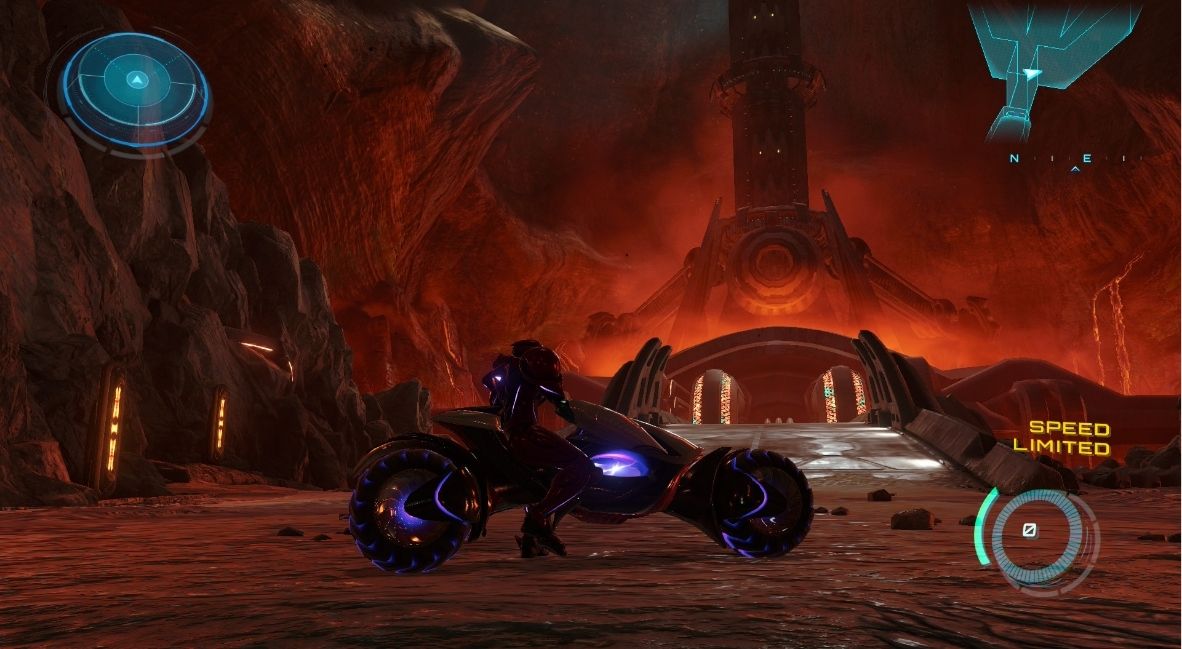
This game easily sets a new benchmark for visuals on the Switch 2 and ranks among Nintendo's finest graphical achievements. The intricate details on Samus's suit, the dynamic particle effects, the nuanced shadows, and the vibrant pops of color coalesce into a truly breathtaking presentation.
A Mixed Bag of Brilliance and Frustration
Despite its flaws, Metroid Prime 4: Beyond is an experience that's difficult to put down. The exhilarating highs, especially in the game's initial half, are so compelling that the middling sections often fade into the background. While the latter half still offers moments of enjoyment, it ultimately falters, leaning heavily into padding. It's a testament to Retro Studios' talent that the game functions as well as it does, given its challenging development history.
Ultimately, Metroid Prime 4: Beyond is a game of stark contrasts – a whiplash-inducing experience featuring truly memorable moments alongside undeniably grating ones. It doesn't push the genre forward in the way previous Metroid titles have, instead offering a fun, albeit somewhat forgettable, rollercoaster ride filled with spectacle and visual flair. The action is engaging, the boss fights and dungeons are excellent, and the graphics are gorgeous, even when the game compels you to trek back across Sol Valley for yet another meaningless objective.
Post a Comment for "Review: ‘Metroid Prime 4: Beyond’ is fine, and that’s about it"