
US Border Shake-up: Aussies Face Automatic Visa Rejections
US Border Crackdown: Aussies Face Scrutiny with New ESTA Social Media Demands
Australian travellers looking to holiday in the United States are facing increasing hurdles, with stringent immigration checks and a growing number of individuals being turned away at the border. This has led many to reconsider their travel plans, worried about the prospect of shelling out thousands of dollars for a trip that might not even happen. The recent proposal by the US administration to expand data collection under the Electronic System for Travel Authorisation (ESTA) scheme is likely to heighten these concerns.
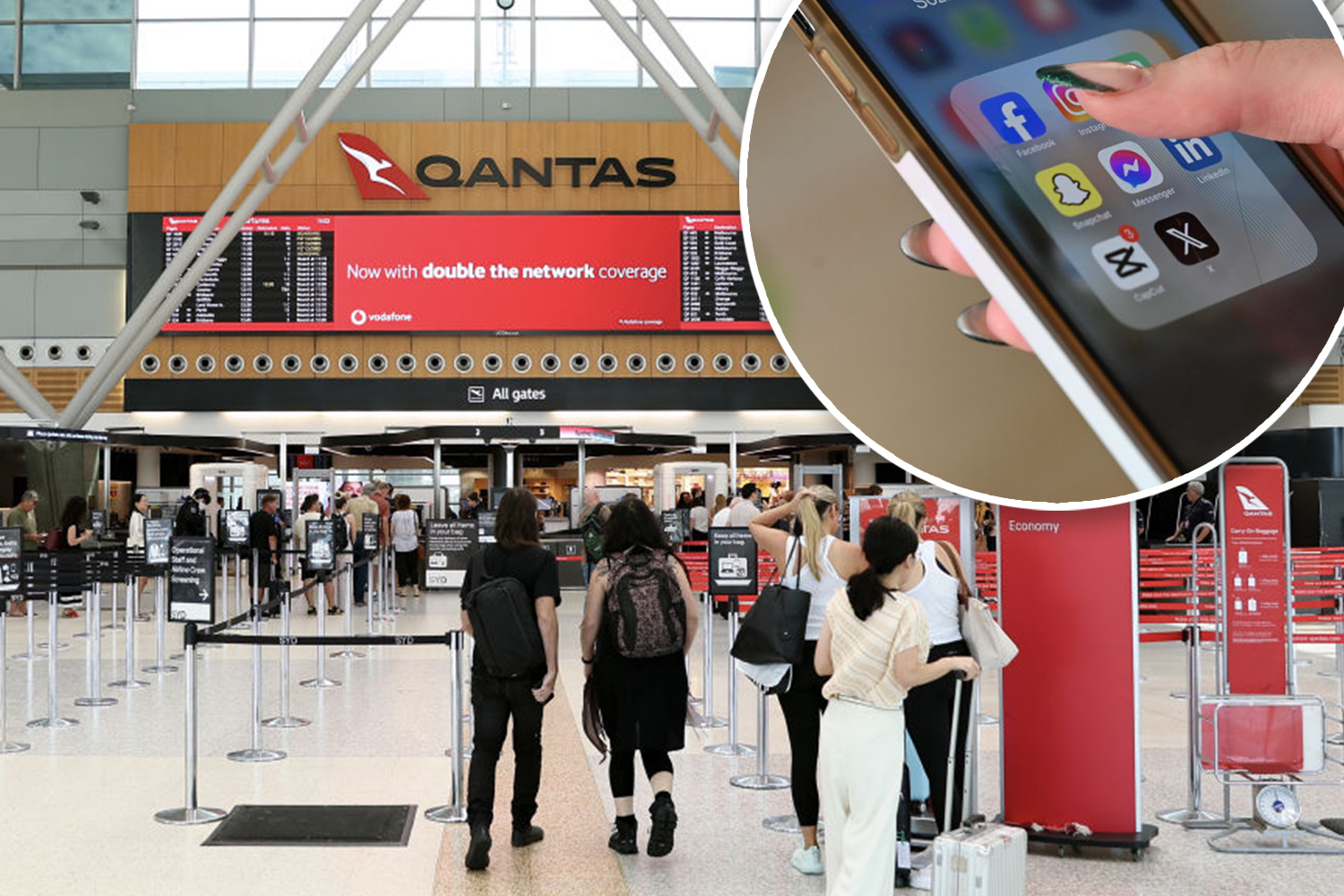
Under the proposed changes, travellers from Australia and 41 other countries participating in the visa-free travel program could be mandated to provide five years' worth of their social media data upon entry. This represents a significant shift from the current system, where social media information is optional.
Key Proposed Changes to ESTA
The US Customs and Border Protection's proposed overhaul of ESTA, detailed in the Federal Register, aims to bolster security by making social media accounts a "mandatory data element." Previously, travellers had the option to include their online profiles, but it was never a requirement.
The new regulations would also demand:
- Mandatory Social Media Data: Travellers will need to provide details of their social media accounts, including usernames and potentially data from the past five years.
- Extended Contact Information: This includes phone numbers used by the traveller and their families for the past five years, as well as any email addresses used over the last decade.
- Shift to Mobile App Application: The US government is planning to phase out the ESTA website and move all applications to a dedicated mobile app.
Impact on Australian Travellers
For Australians, who frequently utilise the ESTA program for their US trips, these changes could pose a significant challenge. Prominent immigration lawyer Melissa Vincenty, Managing Director of Worldwide Migration Partners, highlighted the potential difficulties.
According to Vincenty, even with these new measures, Australians will still need to complete an ESTA application. However, failure to provide the requested social media handles and contact information for the past five years could result in an automatic denial.
The information collected will be scrutinised using artificial intelligence (AI). Vincenty noted that the US government might even require travellers to set their social media accounts to public. This, she believes, is "quite ridiculous," as the AI could analyse not only direct posts but also comments and interactions on other users' feeds.
"They’re going to look for information about even other people’s feeds and things that you’ve commented on. So it’s pretty wide-ranging," Vincenty explained. She expressed concern that "something pops up that actually isn’t even relevant to you or isn’t in the context that you meant, it can automatically trigger a denial." This could lead to "some erroneous denials," leaving individuals unaware of the exact reason for their rejection.
Consequences of an ESTA Denial
If an ESTA application is flagged by AI and subsequently denied, the consequences can be severe. Travellers who are denied an ESTA are effectively removed from the visa-waiver program and must then apply for a traditional visa.
"If you’re denied an ESTA, you can no longer be in the program so you’re kind of kicked out," Vincenty stated, adding that such decisions are not appealable. The visa application process is considerably more time-consuming, with appointment wait times potentially ranging from four to six months. This could be particularly problematic for those who inadvertently make a mistake on their ESTA application.
Expert Advice for Prospective US Travellers
Given the evolving landscape of US border control, immigration experts are advising caution. Vincenty strongly recommends that anyone planning a trip to the US refrain from booking any travel arrangements until they have secured an approved ESTA or visa.
"Don’t buy your tickets. Don’t do anything until you have [either of those]," she advised. "Plan early for any types of trips so you’re not disappointed."
The US government is preparing to co-host the FIFA World Cup in 2026, and immigration lawyer Melissa Vincenty anticipates these stricter measures will be fully implemented well in advance of the event. She indicated that while the public has a 60-day window to provide feedback on the proposed changes, she expects them to come into effect early in the new year.
"It’s a foregone conclusion that they're going to do it," Vincenty asserted. "They’ve already been doing it." She pointed out that similar vetting processes have been in place for all visa applicants for the past six months, encompassing various visa types, including work, extended travel, and student visas.

Post a Comment for "US Border Shake-up: Aussies Face Automatic Visa Rejections"