
Orchids, often perceived as finicky divas of the houseplant world, are frequently labeled as challenging to cultivate. However, this reputation is largely a misconception. For those who have successfully grown orchids for a few years, the reality is quite different: orchid care can be surprisingly low-maintenance, even within a large collection of indoor plants. The perceived difficulty often stems from common mistakes, particularly in watering and placement, which lead to orchids struggling and giving the impression they are hard to keep alive. With a little fundamental knowledge, even popular varieties like moth orchids can become remarkably easy to manage. Let's debunk some common orchid myths and explore expert insights to ensure your orchid-growing endeavors flourish.
Debunking Common Orchid Myths
While it's true that some orchid species are more demanding than others, moth orchids, the most common type found as houseplants, can be incredibly forgiving once their basic needs are met. Don't let these prevalent myths deter you from enjoying the beauty of orchids in your home.
Myth 1: Orchids Are Impossible to Water Correctly
Watering orchids can indeed seem daunting, but achieving the right balance is far from impossible. A simple yet effective method involves observing the orchid's roots. In their natural habitat, orchids are epiphytes, meaning they grow on other plants and have aerial roots that extend above the potting medium.
- Root Observation: If the aerial roots appear silvery, it's a clear indicator that your orchid is ready for watering. Conversely, if they are a vibrant green, the plant has sufficient moisture.
Gail Pabst, a horticulture expert from the National Garden Bureau, offers a precise watering technique:
"The best way to water an orchid is to drench the root ball in room-temperature water until the medium is thoroughly wet. Allow the plant to drain well, then place the pot on a tray or saucer filled with gravel or pebbles to provide humidity. Never allow orchid roots to sit in water."

Failing to follow this advice and overwatering can lead to serious issues like root rot, which will cause your orchid to wilt.
Myth 2: Orchids Flower Only Once
This is perhaps one of the most detrimental orchid myths, often leading healthy plants to be discarded prematurely. It's easy to assume an orchid is finished once its blooms fade, but this is a natural part of its life cycle.
- Post-Flowering Care: After the flowers have faded, use sharp pruning snips to carefully remove the spent flower stem. Your orchid will then enter a dormant period where it won't produce new blooms.

Providing the correct care during this dormant phase is crucial for encouraging future flowering. Gail Pabst emphasizes:
"During this time, it's actively recovering and preparing to re-flower, so it is key that you provide the water, light, and nutrients it needs to recover. Orchids can remain dormant for 6-9 months before producing a new bloom, so don’t get discouraged if you don’t see results right away. Patience is key."
To promote reblooming, keep your orchid in a brightly lit location, ensure its roots remain hydrated, and begin fertilizing in the spring.
Myth 3: Orchids Necessarily Require Misting
The image of misting plants has become almost synonymous with orchid care, and while these exotic plants do appreciate a touch of moisture, relying solely on misting to maintain adequate humidity is often ineffective and time-consuming.

The good news is that orchids do not need to be misted. Several other, less labor-intensive methods can effectively increase humidity for these indoor plants:
- Bathroom Placement: A prime location for orchids is the bathroom. The increased moisture from shower steam provides a natural humidity boost and can even help prevent wrinkled leaves.
- Humidity Trays: Placing your orchid on a humidity tray filled with pebbles and water is another excellent option. This requires less frequent refilling than constant misting.
- Humidifiers: For a more consistent and reliable solution, consider investing in a room humidifier. This will ensure the ambient humidity stays within the ideal range of 40-70% for your orchid.
Frequently Asked Questions About Orchid Care
Do Old Orchid Leaves Turn Yellow?
Yes, it is perfectly normal for older orchid leaves to yellow as part of the natural aging process. However, yellowing leaves can also signal underlying issues. These may include improper watering, root rot, or leaf scorch from direct sunlight. If you notice yellowing leaves, it's essential to assess and adjust your orchid's growing environment accordingly. You can gently remove yellow leaves by pulling them at the base or by using bypass pruning shears.
Beyond these common myths, understanding where to place your orchid for optimal growth and aesthetics, such as considering Feng Shui principles, can also contribute to its well-being. Equally important is knowing the specific locations to avoid, which can prevent common care mistakes.
Essential Orchid Accessories
To support your orchid's health and beauty, consider these helpful accessories:
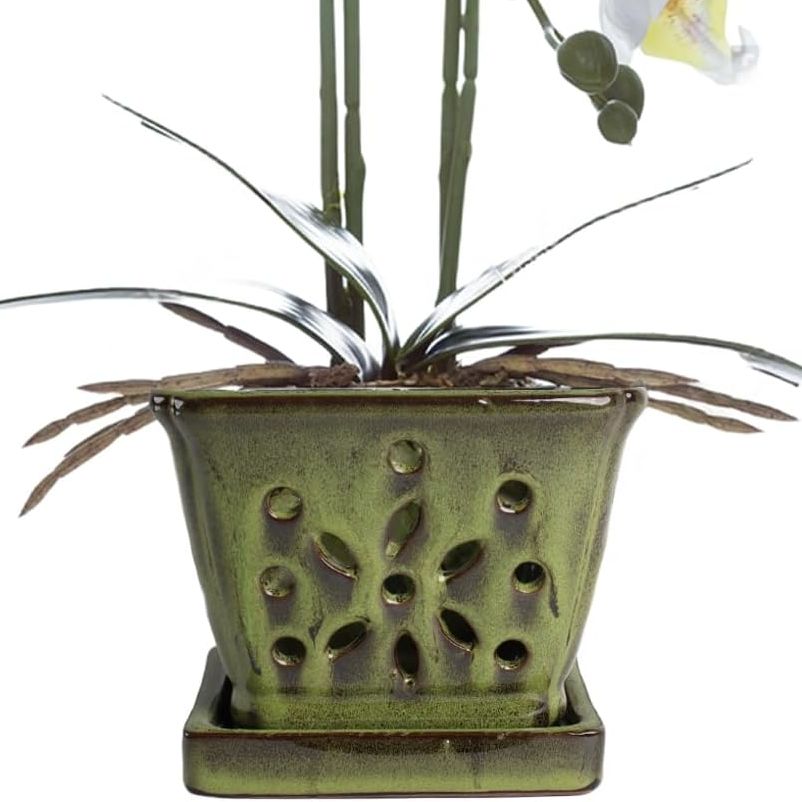 Ceramic Orchid Pot: This decorative pot is specifically designed for orchids, featuring ample space for aerial roots and a drainage hole with a saucer to prevent waterlogging.
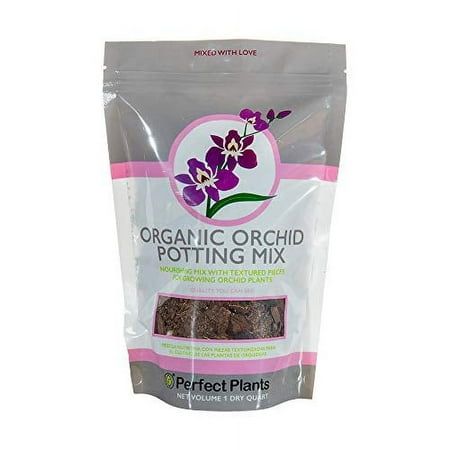 Organic Orchid Potting Mix: A carefully formulated blend of charcoal, sponge rock, pine bark, and coconut chips creates the ideal environment for orchid roots.
 Glass Plant Mister: A stylish glass mister can provide a refreshing spritz of humidity when needed.
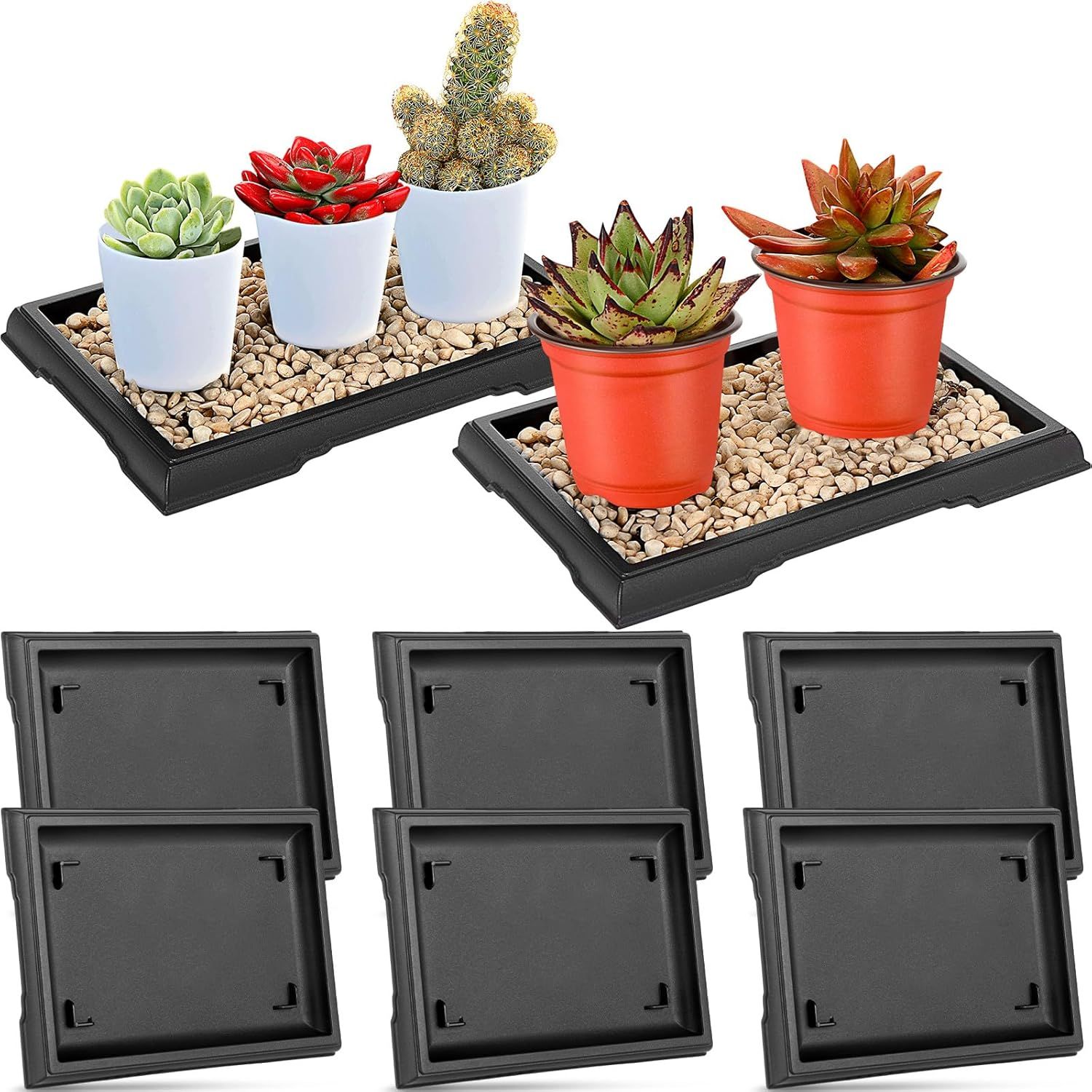 Pebble Humidity Tray: This tray, filled with pebbles, helps increase ambient humidity as water evaporates from its surface.
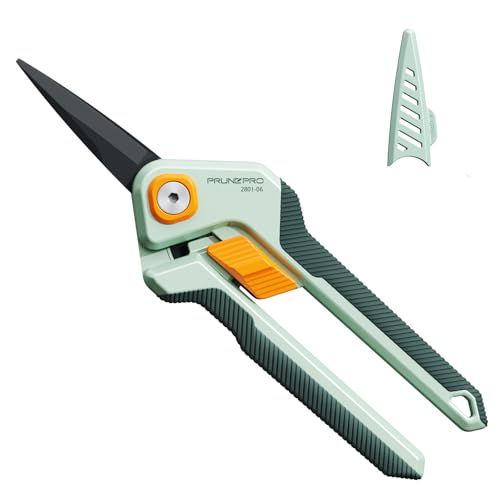 Houseplant Snips: Sharp pruning snips are essential for cleanly removing faded flower stems and any damaged or dead foliage.
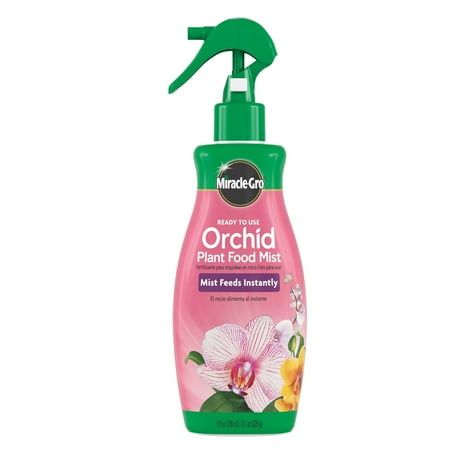 Orchid Plant Food: A specialized plant food mist can nourish your orchid and encourage robust blooming during its active growth phases.


No comments:
Post a Comment