
Grow Peppers Indoors: 12 Essential Tips
Cultivating a Year-Round Pepper Harvest: Your Guide to Indoor Growing
Growing peppers indoors, whether you prefer mild bell peppers or fiery chilies, is a rewarding endeavor that can supply your kitchen with fresh produce throughout the year. While these plants are native to warm, humid climates of Central and South America, it's entirely possible to recreate their ideal conditions within your home. With the right preparation and consistent care, you can enjoy a bountiful harvest, even when the weather outside is less than ideal.
Selecting the Right Pepper Varieties for Indoor Cultivation
Not all pepper plants are created equal when it comes to indoor gardening. While many varieties can technically be grown indoors, some are far better suited to the confined environment of pots and artificial light. For instance, bell peppers, while adaptable, may not produce as prolifically indoors as smaller chili varieties and their larger fruits might require extra support. Giant plants like ghost peppers, which can exceed five feet in width, are generally impractical for indoor settings. Focusing on compact varieties will yield much better results.
Consider these easier-to-manage pepper types for your indoor garden:
- Thai chili: Known for its compact size and prolific fruiting.
- Scotch bonnet: A flavorful and popular choice that remains relatively manageable indoors.
- Jalapeño: A classic that adapts well to container growing.
- Shishito: These mild, slightly sweet peppers are excellent for snacking and are relatively low-maintenance.
- Serrano: Offers a good level of heat and a manageable growth habit.
- Banana: Produces mild, sweet peppers and is a good option for beginners.
- Habanero: While known for its heat, certain habanero varieties can be grown indoors with proper care.
- Pequin: Small, potent peppers that grow on bushy plants.
- Chiltepin: Another small but fiery pepper, native to the Americas.
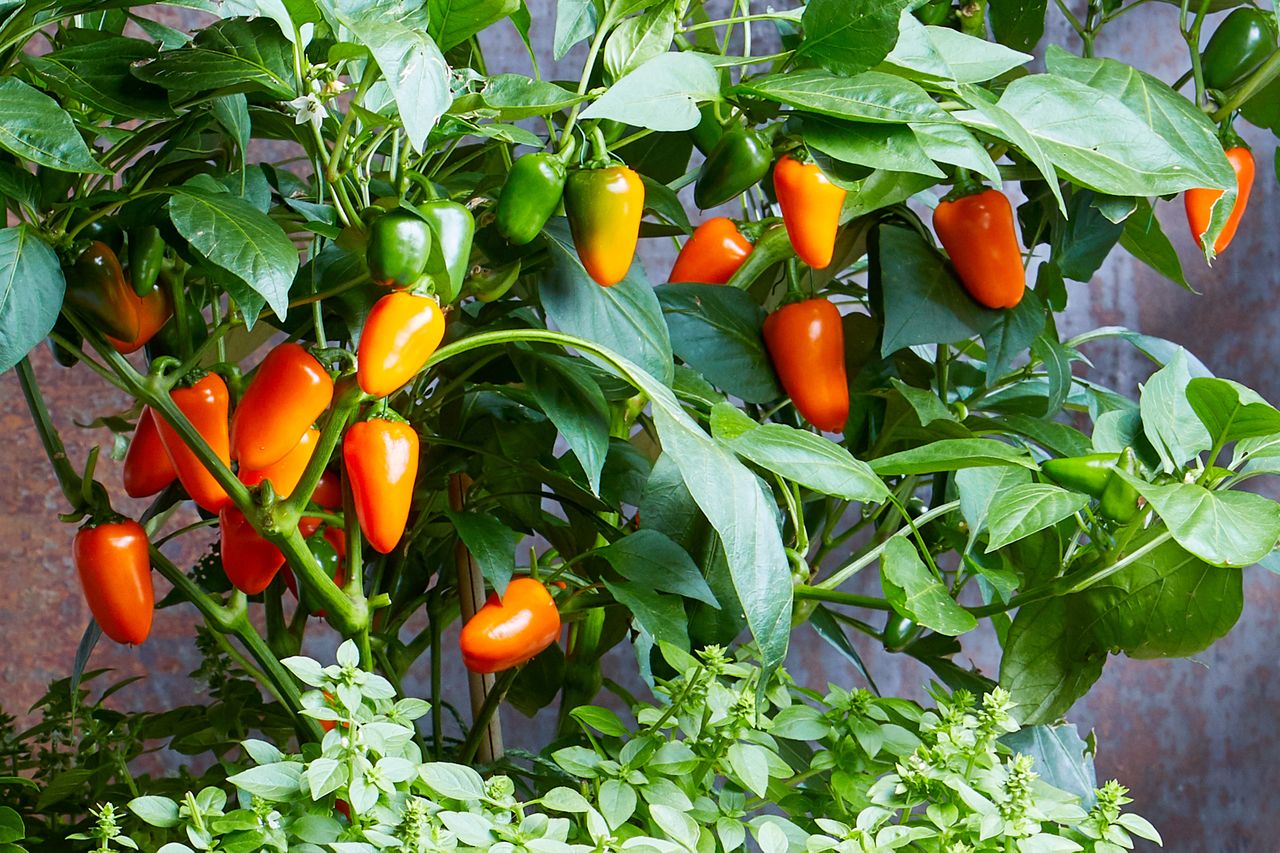
- Ornamental peppers: Primarily grown for their attractive foliage and colorful fruit, these are excellent for indoor display and offer a unique visual appeal.
Providing Ample Space and the Right Foundation
Pepper plants, even compact varieties, have extensive root systems that require ample space to thrive. Simply put, the pot size matters significantly.
- Container Size: For optimal growth, each pepper plant should reside in a pot or grow bag that is at least 12 inches in diameter. Larger containers are always preferable, offering more room for root development and better moisture retention.
- Drainage is Key: Regardless of the container's size, ensure it has plenty of drainage holes. Pepper roots are highly susceptible to rot if they sit in waterlogged soil.
Using the correct potting medium is equally crucial. Avoid using garden soil in containers, as it compacts too easily, hindering root growth and aeration. Instead, opt for a high-quality potting mix specifically designed for indoor plants. These mixes are carefully formulated with ingredients like vermiculite and perlite to provide the ideal balance of drainage, aeration, and moisture retention necessary for containerized plants.
Acclimating and Lighting Your Indoor Peppers
If you're considering bringing existing pepper plants indoors for the winter, approach it with caution. Uprooting plants from your garden in the fall and transplanting them directly inside can severely damage their roots, often leading to the plant's demise. However, overwintering potted pepper plants is a viable option.
- Gradual Transition: To successfully bring outdoor pepper plants indoors, gradually acclimate them to lower indoor light levels. Place them in a shaded spot outdoors for several days before bringing them inside. This process, akin to hardening off seedlings before transplanting them outdoors, helps the plants adjust slowly and reduces shock.
-
The Importance of Grow Lights: Relying solely on a sunny windowsill is rarely sufficient for indoor pepper growth, especially during the winter months when natural light is significantly diminished. Most windows don't provide the intense, consistent light pepper plants need to flourish and produce fruit.
- Supplemental Lighting: Invest in an LED grow light to supplement natural light.
- Optimal Duration: Position the grow light above your plants and use an automatic timer to ensure they receive 12 to 16 hours of light daily. This consistent light exposure is vital for robust growth and abundant fruiting.
Watering and Temperature: Mimicking Their Native Climate
Understanding your indoor peppers' watering and temperature needs is critical for their success.
- Watering Wisely: Indoor pepper plants generally require less water than their outdoor counterparts. A good rule of thumb is to water them about once a week, reducing frequency during the winter. Always check the soil moisture by inserting your finger 1 to 2 inches deep. Water only when the top layer of soil feels dry to the touch, allowing the soil to dry out slightly between waterings.
- Maintaining Warmth: Peppers are tropical plants that thrive in consistent warmth. Ideal indoor temperatures are typically standard room temperatures. However, avoid placing your plants near drafty windows, heating vents, or air conditioning units, as sudden temperature fluctuations can cause them to drop flowers and stunt their growth.
Humidity and Nutrition: Boosting Growth and Fruiting
- Boosting Humidity: Many pepper varieties, particularly Capsicum chinense types like habaneros, prefer higher humidity levels than typically found in most homes. If you notice crispy leaf edges or signs of stress, consider placing your plants near a humidifier or grouping them together to create a microclimate with increased humidity.
- Regular Fertilization: While a good quality potting mix provides a solid foundation, peppers are heavy feeders. To encourage abundant growth and prolific fruiting, regular fertilization is essential throughout the growing season. Liquid fertilizers are generally recommended for potted plants as they are less prone to accumulating in the soil and causing root burn. Always follow the instructions on the fertilizer packaging for application frequency and dosage.
Vigilance Against Pests and the Art of Pollination
While indoor environments generally have fewer pest issues, it's not entirely pest-free, especially if you've brought outdoor plants inside.
- Pest Prevention: Thoroughly inspect any outdoor plants or nursery stock for signs of insects before bringing them indoors. As a preventative measure, consider treating outdoor plants with an organic insecticidal soap or neem oil spray.
- Hand-Pollination: Peppers are self-pollinating, but they benefit greatly from external factors like wind and insect activity to improve fruit set. Indoors, you'll need to mimic this process.
- Methods: Use a soft cotton swab or a clean makeup brush to gently transfer pollen from the anthers to the stigma of each flower. Alternatively, you can gently shake the plants every day or two while they are in bloom to help release pollen.
Harvesting for Continuous Production
The journey from seed to harvest for most peppers typically takes between 70 to 85 days, though some hot varieties may require a longer growing period.
- Frequent Harvesting: Once your indoor pepper plants begin to produce fruit, harvest them as often as possible. This practice not only ensures you have a steady supply of fresh peppers for your culinary creations but also encourages the plant to continue producing more fruit throughout the season.
Post a Comment for "Grow Peppers Indoors: 12 Essential Tips"