
Eight cheeses that are actually good for you - from calcium-rich cheddar to brain boosting Stilton
Indulge Wisely: Unpacking the Surprising Health Benefits of Cheese
For those who dream of a world where cheese is a daily indulgence, the thought of its potential impact on health can be a concern. However, emerging research suggests that those beloved blocks and wheels of cheese in your refrigerator might be doing more good than harm. Far from being a dietary villain, certain cheeses, particularly those with higher fat content, are now being linked to significant health advantages, including a reduced risk of dementia.
The UAE's culinary landscape, much like many around the globe, has seen a surge in appreciation for diverse cheese varieties. Consumers are increasingly exploring beyond the everyday, with a notable uptick in interest for artisanal and flavoured options. While some of these trendier choices might lean towards the sweeter side and potentially carry higher sugar content, traditional, full-fat cheeses offer a wealth of nutritional benefits that are often overlooked.
The "Dairy Matrix": More Than Just Fat
Scientists are beginning to understand that the health effects of saturated fat are not solely determined by the quantity consumed, but also by the "food matrix" – the complex package of nutrients within which it is found. In the case of cheese, saturated fat is accompanied by essential elements like calcium, protein, and beneficial probiotics derived from fermentation. This unique combination appears to influence how these fats are processed by the body, potentially impacting cholesterol levels differently compared to saturated fats found in red or processed meats.
The traditional French approach to cheese consumption offers a valuable insight. By favouring smaller portion sizes (around 30g), opting for less processed varieties, and complementing their cheese with ample fruits and whole grains, they demonstrate a balanced way to enjoy cheese as part of a healthy lifestyle. This perspective underscores that cheese, when chosen and consumed thoughtfully, can be a valuable component of a nutritious diet.
A Guide to Your Festive Cheese Board's Health Heroes
Let's delve into some popular cheese varieties and their specific health contributions:
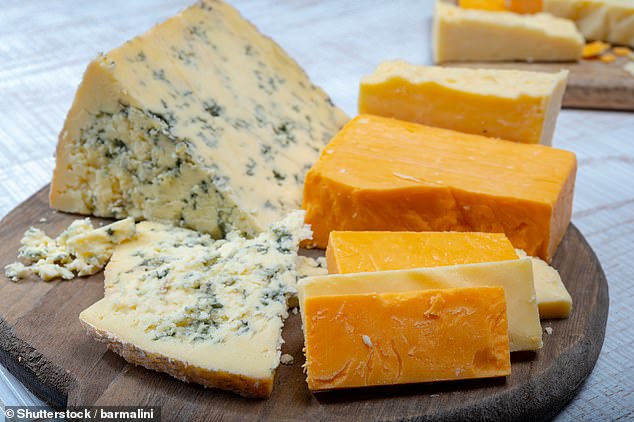
Classic and Surprisingly Healthy: Cheddar
- Nutritional Profile: Approximately 125 calories per 30g.
- Key Benefits: As Cheddar matures, its proteins break down into bioactive peptides, which may play a role in blood sugar regulation. It's also a good source of iodine, crucial for thyroid hormone production, which in turn supports protein synthesis and enzyme activity, particularly in the brain.
- Expert Insight: Nutritionist Rhiannon Lambert highlights Cheddar's richness in calcium for bone health, protein for tissue repair, and vitamin B12 for energy and nervous system function. Mature Cheddar's bioactive peptides, formed during fermentation, add to its health profile.
- Serving Suggestion: Enjoy in moderation (a 30g portion is roughly the size of a matchbox), ideally paired with fibre-rich foods such as apples, grapes, or wholegrain crackers to create a balanced meal.
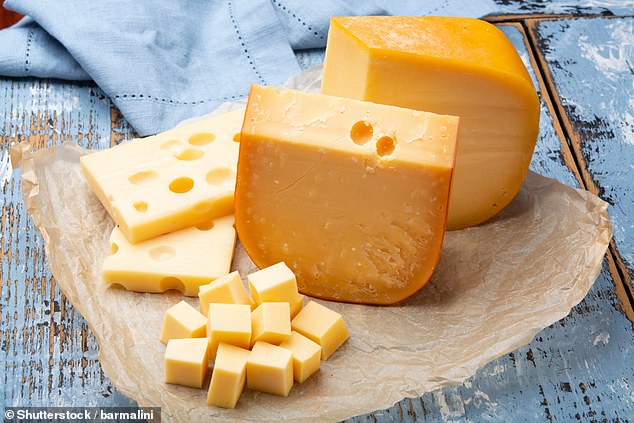
Good for the Gut and Mood: Gouda
- Nutritional Profile: Approximately 100 calories per 30g.
- Key Benefits: The fermentation process in Gouda encourages beneficial microbial activity. Research suggests these microbes can help reduce gut inflammation and support the body's production of vitamin B12.
- Expert Insight: Lambert points out that aged cheeses like Gouda can contain probiotics, which are vital for a healthy gut microbiome, positively impacting immunity, digestion, and even mood. Aged Gouda is also a good source of vitamin K2, important for bone and cardiovascular health, alongside calcium and protein.
- Serving Suggestion: Complement Gouda with fibre-rich vegetables like sliced peppers or cherry tomatoes, or serve with wholegrain bread to enhance fibre intake.
Best for the Waistline: Mozzarella
- Nutritional Profile: Approximately 84 calories per 30g.
- Key Benefits: Mozzarella and other softer cheeses like feta are generally lower in saturated fats and calories, while still being a good source of protein.
- Expert Insight: Lambert notes that Mozzarella stands out for its lower sodium and saturated fat content compared to many other cheeses. It provides calcium and is often more easily digestible for individuals with sensitive systems.
- Serving Suggestion: Combine Mozzarella with fresh tomatoes, basil, olive oil, or a variety of salad leaves for a balanced plate rich in fibre and antioxidants.
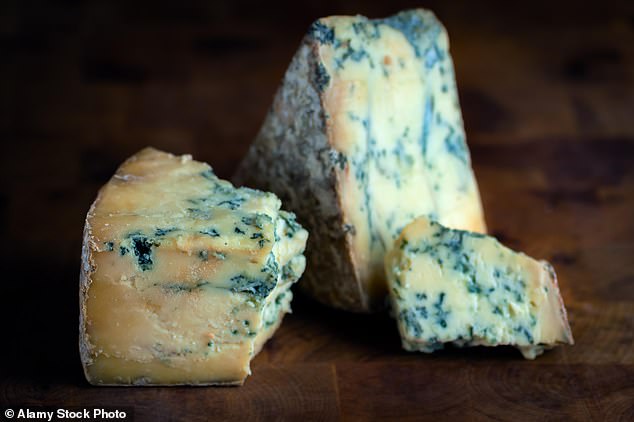
Brain-Boosting Blues: Stilton
- Nutritional Profile: Approximately 123 calories per 30g.
- Key Benefits: Often considered a festive favourite, Stilton contains spermidine, a compound linked to cellular renewal, reduced inflammation, and enhanced cognitive function. Studies on blue-veined cheeses suggest that compounds formed during fermentation may positively influence heart health.
- Expert Insight: Lambert explains that blue cheese offers a potent flavour, allowing for smaller portions while delivering bioactive compounds from its mould cultures that can support gut and metabolic health.
- Serving Suggestion: Pair Stilton with pears, figs, walnuts, or roasted vegetables. The accompanying fibre helps to balance the richness of the cheese and aids digestion.
Spicy Stress Busters: Flavoured Cheeses (e.g., Chilli Cheese)
- Nutritional Profile: Approximately 125 calories per 30g.
- Key Benefits: Beyond the inherent benefits of cheese, varieties infused with spices like chilli offer an additional health advantage. Chillies are rich in flavonoids and capsaicinoids, compounds that may offer protection against oxidative stress.
- Expert Insight: Lambert acknowledges that chilli cheeses provide the same protein and calcium benefits, with the added component of capsaicin, the active compound in chillies.
- Serving Suggestion: Consume in moderation, especially if the variety is high in salt. Pair with fibre-rich sides such as crudités or beans.
Best for Strong Bones: Hard Cheeses (e.g., Parmesan, Pecorino)
- Nutritional Profile: Approximately 129 calories per 30g.
- Key Benefits: These nutrient-dense cheeses are excellent sources of phosphorus and vitamin K2, crucial for bone and heart health. They also provide essential vitamins A and B12, along with zinc and selenium, which support immunity, brain function, and energy levels.
- Expert Insight: Lambert emphasizes the concentrated calcium and protein in hard cheeses. Parmesan, due to its long fermentation, is naturally lactose-free and beneficial for gut health.
- Serving Suggestion: Grate over vegetable-based dishes, soups, or salads to add flavour without requiring large portions.
Cheeses to Enjoy with Caution
While many cheeses offer health benefits, some varieties warrant a more mindful approach:
-
Brie and Camembert: Despite their appealing rustic presentation, these cheeses are typically high in saturated fat and relatively low in protein. While they contain some beneficial compounds from fermentation, their calorie density and lower fibre-supporting nutrients mean they are best enjoyed in small quantities if health is a primary consideration.
-
Ultra-Processed Cheeses: Products like cheese strings, slices, and pre-grated cheese often fall into the category of ultra-processed foods. They are stripped of the natural dairy matrix that provides real cheese's benefits and are often fortified with emulsifiers, stabilisers, and anti-caking agents. These are best considered akin to junk food rather than a source of nutritional value.
The Unsung Healthy Hero: Ricotta
- Nutritional Profile: Approximately 52 calories per 30g.
- Key Benefits: Ricotta is a standout for its healthy profile. It is low in salt, with a moderate fat content, and is easily digestible. Its low glycaemic index means it doesn't cause significant blood sugar spikes. It also contains vitamins K and B12, with Vitamin K being essential for blood clotting and beneficial for heart, bone, and brain health.
- Expert Insight: Lambert highlights Ricotta's naturally lower fat content compared to many cheeses, coupled with high levels of calcium and easily digestible whey proteins.
- Serving Suggestion: Spread on wholegrain toast, incorporate into pasta dishes with vegetables, or pair with berries for a nutritious snack.
Muscle-Building All-Rounder: Cottage Cheese
- Nutritional Profile: Approximately 29 calories per 30g.
- Key Benefits: Cottage cheese has seen a global surge in popularity, driven by viral social media trends promoting its high protein content. Studies suggest it offers a myriad of benefits across cardiometabolic health, gastrointestinal function, body composition, appetite regulation, and nutrient status.
- Expert Insight: Lambert notes cottage cheese's high protein content, relatively low saturated fat, and status as a source of calcium, making it a popular choice for post-exercise recovery.
- Serving Suggestion: Add to fruit, wholegrain toast, baked potatoes, or salads to create nutrient-dense meals that contribute to daily fibre intake.
By understanding the nutritional profiles and making informed choices, individuals can embrace the joy of cheese as part of a balanced and health-conscious lifestyle.
Post a Comment for "Eight cheeses that are actually good for you - from calcium-rich cheddar to brain boosting Stilton"