
Key Points
- Filling cracks, holes, and crevices with steel wool is a safe way to keep mice out.
- Check around windows, fireplaces, vents, and other tight spaces for entry points that mice can fit through.
- Using steel wool with other natural mouse repellents, like peppermint oil, can be extra effective.
Many mouse deterrents aren’t that effective and can harm pets, wildlife, and the environment if they’re used in the wrong way. But if you’re struggling with a mouse invasion or just want to pest-proof your home without relying on harsh chemicals, there is another option.
In this guide, you’ll discover a budget-friendly and natural mouse repellent that you can rely on, and learn expert tips for keeping mice out.
Meet the Expert
- Michel Kohl, Ph.D. is an associate professor of wildlife management at the University of Georgia.
- Chris Parker is the owner and head technician at Parker Eco Pest Control.
The One Natural Mouse Repellent Pest Pros Rely On
Although there are a number of natural mouse repellents on the market, many of these products don’t work reliably or they need to be switched up regularly to remain effective.
“There is little scientific information out there that provides evidence that any particular natural mouse repellant is actually effective at repelling mice,” says professor of wildlife management Michel Kohl. “So, the best approach is to focus efforts on exclusion.”
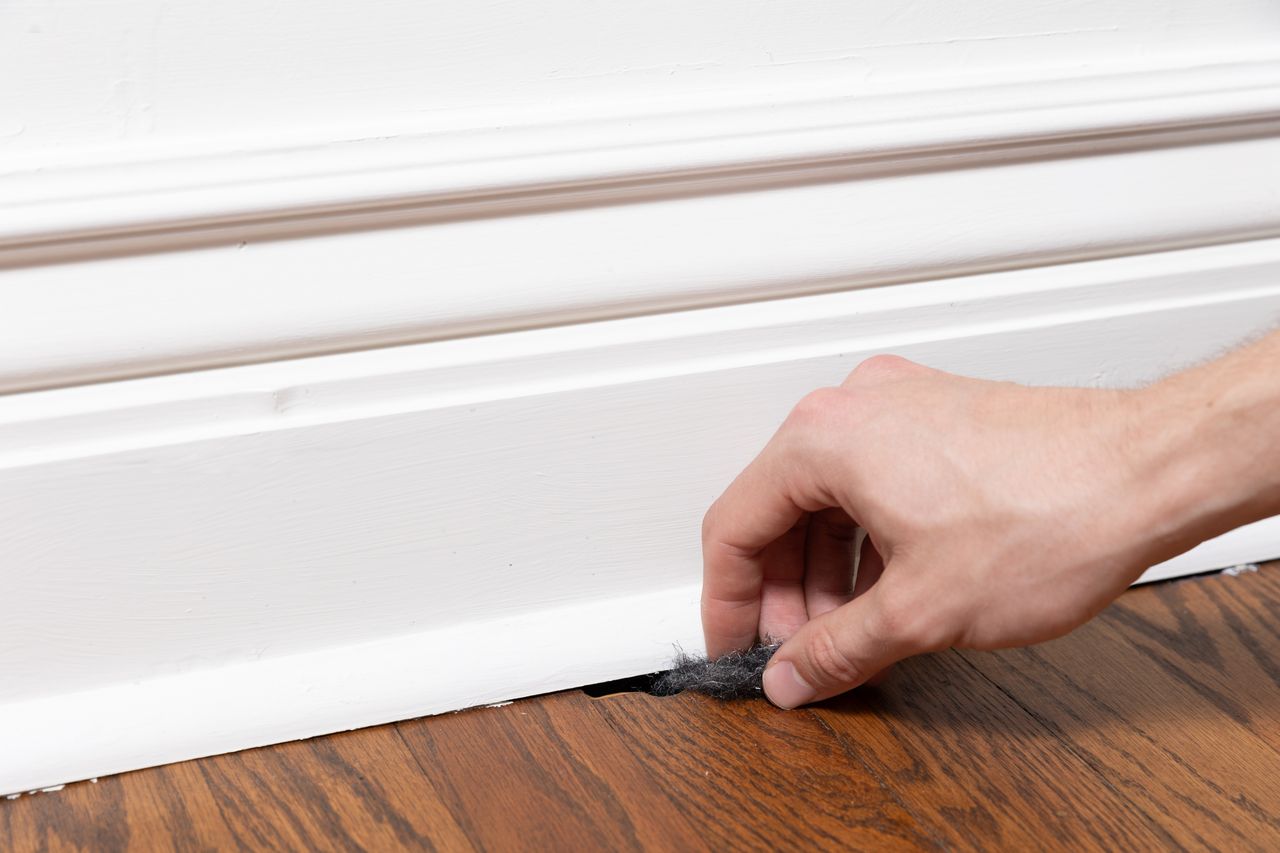
And that’s where steel wool comes in. Steel wool is an effective exclusion method that can be used to block off small holes and crevices that mice use to gain entrance into homes. It’s durable and long lasting, easy on the budget, and safe for pets, the environment, and mice.
“Steel wool is a fantastic and safe way to block off rodent entry points since they can't chew it,” says pest pro Chris Parker.
It’s also so dense that it keeps mice from easily pushing through it and its sharp edges are great for discouraging tiny rodent noses from rummaging about.
“Sometimes we see rodents pull steel wool out of entrance holes and drag it away, so just be sure you've got it jammed in tightly,” Parker says.
If needed, add a bit of caulk around the steel wool after you’ve installed it to make it even more mouse-proof and ensure it doesn’t budge later on.
3 Other Natural Mouse Repellents
While steel wool is a handy tool to add to your organic pest control regime, there are other natural repellents that deter mice. Using several of these products together with steel wool can be even more effective at keeping mice at bay and managing a pest-free home.
Ultrasonic Repellents
If you check the pest control aisle at your local home and garden center, you’re likely to spot at least one or two ultrasonic mouse repellents. These repellents usually plug into an electrical socket and emit a high frequency sound that mice don’t like but is inaudible to human ears.
Peppermint Oil
Mice also don’t appreciate the smell of mint and using natural mouse repellents that contain mint oil can keep your home mouse-free. You can also make a DIY repellent by dabbing peppermint oil onto cotton balls and leaving the balls in places where you don’t want mice to take up residence.
Just keep in mind that essential oils can be toxic to pets and shouldn't be used in areas where cats and dogs are.
Rosemary Oil
Like peppermint, the scent of rosemary can deter mice if you apply it to areas where mice are active. Spray products containing rosemary oil are relatively easy to find, but you can also track down or make your own scented sachets made with dried rosemary.
6 Ways Mice Get Inside
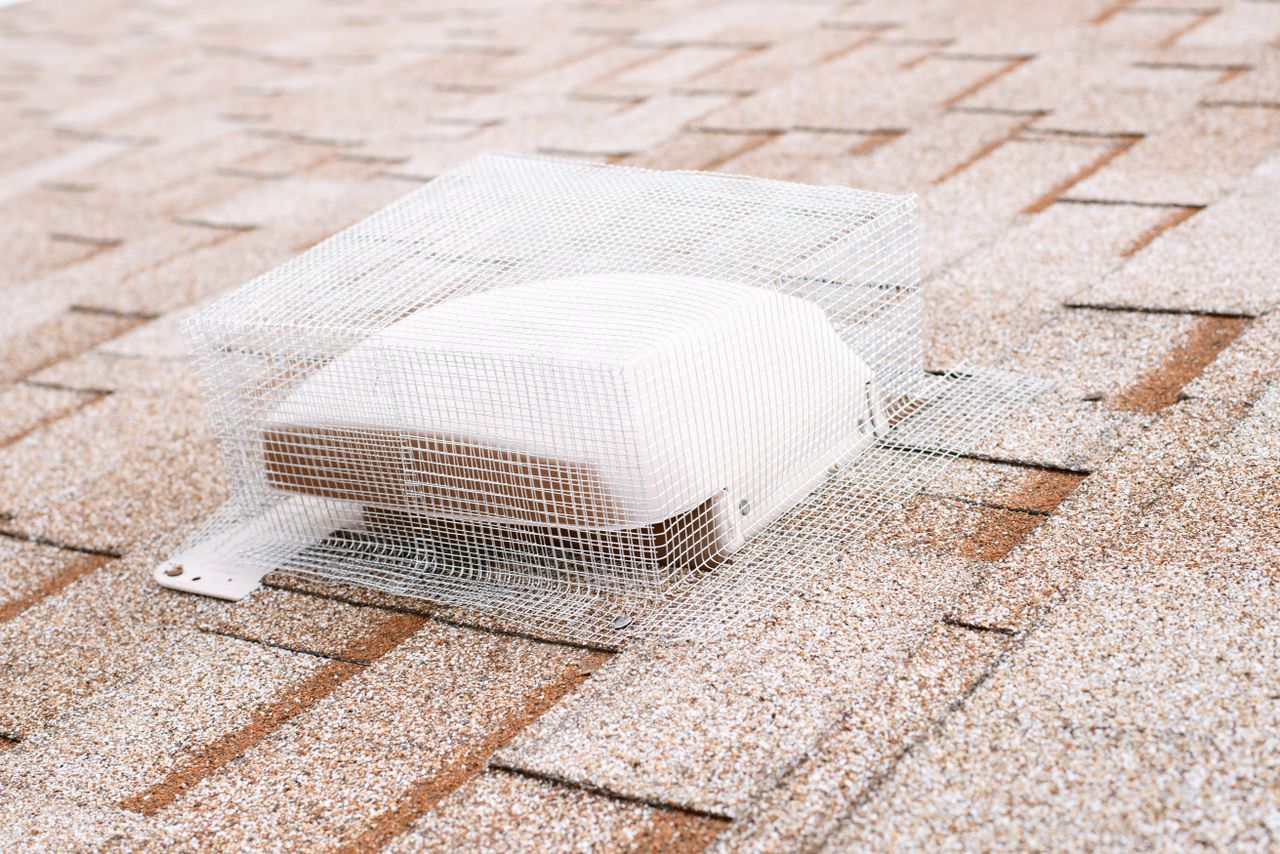
When tackling rodent infestations, you’ll want to focus your attention on the areas where mice are likely to gain entrance to place steel wool and other deterrents. Remember, mice can squeeze through holes that are 1/4 inch in diameter, or about as wide as a dime.
- Basements and crawlspaces. Can be easy entrance points for mice. If you find any cracks or crevices in these areas, seal them up.
- Attics. Mice tend to congregate in areas with minimal human activity and quiet attics can be just the type of space that appeals to them.
- Windows, doors, and fireplaces. Small gaps and cracks around windows, doors, and fireplaces can also let mice in.
- Vents. Check around A/C and dryer vents, too. These areas are easy to overlook but can attract mice.
- Pipes and drains. Hot water pipes and even drains in your basement floor may allow mice access into your home. Adding steel wool around pipes and sturdy grates over floor drains should help.
- Electrical and water lines. Even small gaps around electrical and water lines can be large enough for a small mouse to sneak through.
Read the original article on The Spruce


No comments:
Post a Comment