
The sad decline of the River Wye: How clear waters in idyllic countryside turned to smelly sludge
The Wye's Lament: A River's Fight for Survival Against Pollution
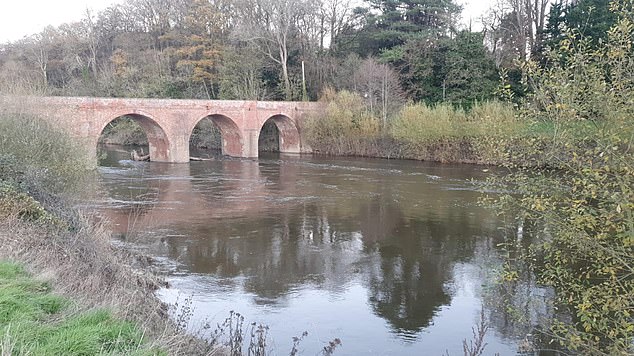
For centuries, the River Wye was a jewel in Britain's crown, a picturesque waterway where the sight of salmon leaping from its clear waters was a common and cherished spectacle. This stretch of idyllic countryside, celebrated by Romantic poets, was a sanctuary of natural beauty. However, a stark transformation has occurred in recent years, with the proliferation of industrial chicken farms along its banks leading to a devastating decline in the river’s health.
These intensive farms are estimated to house over 20 million birds, generating vast quantities of phosphate-rich manure. This waste, when spread on fields, inevitably leaches into the river. Compounding this issue are regular discharges of both treated and untreated sewage directly into the Wye. Campaigners lament that these relentless abuses have left the once-vibrant river in a state of severe distress, with fears that its former glory may be beyond recovery. The nadir was reached in 2023 when Natural England, the government's environmental advisor, downgraded the river's status to 'unfavourable declining'.
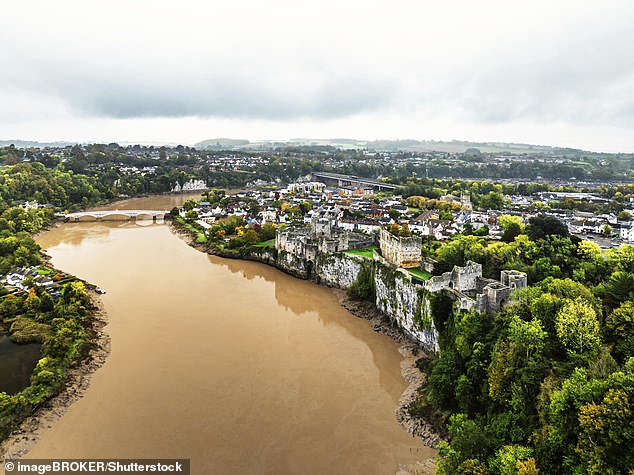
Despite the grim outlook, a determined fightback is underway. In a landmark legal challenge, the law firm Leigh Day initiated the UK's largest environmental pollution lawsuit in October. The action targets Avara Foods, a major poultry producer allegedly responsible for about 75 per cent of the region's poultry operations, and Dŵr Cymru Welsh Water, which manages sewage in the area. The lawsuit accuses both entities of their purported role in polluting the Wye and its neighbouring rivers, the Usk and the Lugg.
This significant legal action is being brought on behalf of over 4,000 local residents who have expressed profound exasperation at the degraded state of the Wye, the fourth longest river in the United Kingdom. Should the claim prove successful, it could compel the alleged polluters to undertake the necessary remediation to restore the rivers' health.
A River's Fall from Grace: Personal Accounts of Decline
The Wye's rapid descent from a celebrated natural asset to a polluted waterway has been a deeply personal experience for many. Once a premier destination for anglers, the river is now described as a nearly barren water body, choked by pervasive algae blooms that deplete oxygen levels, effectively suffocating aquatic life.
Justin Connolly, a 55-year-old angler, recounted his decades of experience on the Wye. He and his fellow fishermen would regularly catch dozens of Atlantic salmon each season. Now, it has been years since he landed a single one. This stark decline forced him to abandon his passion for guiding learner anglers, a job he performed five to seven times a week during the river's halcyon days.
"The state of the river put fishermen off, and it came to a point where I had to change my career," Mr. Connolly shared. "It was getting to the point, especially mid-summer, where I was just having to cancel so many days. I was probably cancelling 40 per cent of my clients over the last three years and I just thought this isn't sustainable as a business anymore."
He still visits some of his favourite spots along the Wye, but describes their current condition as "horrendous." The riverbed is thick with algae, and the dramatic reduction in salmon numbers, which he attributes largely to pollution, has transformed his once-pleasant way of life.

The pollution has rendered the water unsafe for recreational activities. Stories abound of dogs succumbing to exposure to the grim river and children falling ill. "My friend's son was actually swimming in the Wye and he was in intensive care for some time," Mr. Connolly revealed. "They put that down to swimming in the water." The contrast with his guiding days, filled with the joy of being on the river daily, is a source of deep sadness. He expressed a poignant wish for his grandson to experience the thrill of catching a salmon on the Wye, a prospect that seems increasingly remote.
From Olympic Swimmer to River Advocate
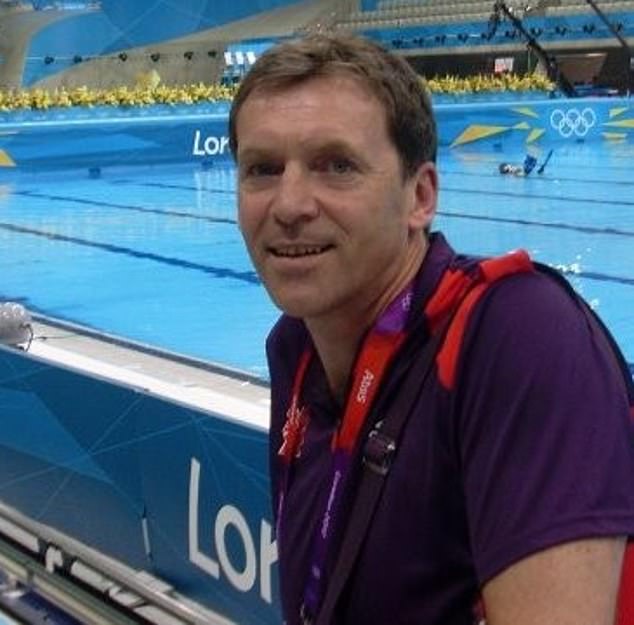
Roland Lee, a former Olympic swimmer, relocated to Bredwardine, a historic fishing spot on the Herefordshire stretch of the Wye, in 2020. He had fond memories of the area from his childhood and looked forward to open-water swimming near his new home. However, the escalating pollution has made this aspiration a grim reality.
Since his move, Mr. Lee has rarely been able to swim in the river, resorting to paying for access to pools and lakes, some a considerable distance away. "The pollution is not very pleasant. It creates the smell, it creates an opaqueness in the water," he explained. "People have to be really careful when they swim regularly. They need to wash themselves really thoroughly after they get out. They need to wash out their mouths and be careful of taking any water in up their nostrils or in their eyes or through their mouth, because there are things now that are guaranteed to make you sick."

He described the scene at Bredwardine Beach as unpleasant, with stones coated in slime, algae, and sewage solids. "Beyond that, you have to be aware that actually it can make you mildly ill." Mr. Lee, a finalist in multiple Olympic Games, has joined the legal action, which is notable for its extensive list of claimants, the broad geographical scope of the damage, and the significant damages sought.
What was envisioned as an ideal location for everyday wild swimming has become a near no-go zone for the reservist. He now only ventures into the Wye for "a very occasional dip." The stagnant water, often hosting poisonous blue-green algae, emits a foul odour, a stark contrast to the surrounding beautiful countryside. "When you get the stagnant water in the side pools and the blue green algae in there, which is poisonous stuff, that really does get to stink," he noted. "When you're in the beautiful countryside, and you get these sewage smells, you're wondering, 'where's the sewage work here?' And then you realise it's the river."
Dreams of canoeing the entire length of the Wye have also been dashed by the river's condition. The financial cost of travelling to distant pools is a concern, but Mr. Lee is more infuriated by the broader damage to the area's natural beauty. Despite the Wye's protected status as a Site of Special Scientific Interest and a Special Area of Conservation, its current state raises questions about the efficacy of these designations. "It's a beautiful part of the world and, at the moment, there's a real edge to that beauty, which is horrible," he lamented. While not overly optimistic about a swift resolution, he hopes for a societal shift towards aiding nature's gradual recovery.
The Unseen Toll: Economic and Environmental Devastation
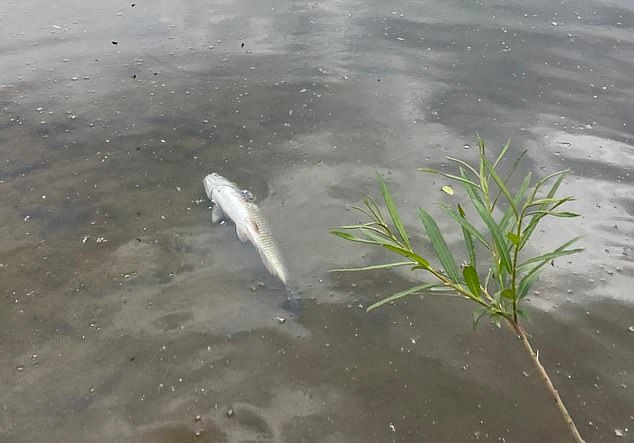
The damage inflicted upon the Wye is not easily reversed. The excessive phosphate from chicken waste fuels algal blooms, turning the river murky, and reducing light and oxygen vital for aquatic life. The salmon population, already struggling due to years of overfishing, has plummeted further.
Jenny-May While grew up in Herefordshire, spending her childhood swimming in the Wye and dreaming of living by its banks. Five years ago, that dream materialised when she returned to the area with her family, anticipating idyllic days paddling with her children. However, the river's degradation shattered these hopes, making her uncomfortable even sitting in her own front yard due to the proximity of the polluted water.
"We were just so excited because it's an amazing view and you get an amazing connection to nature every day," Ms. While recounted, speaking from the relative safety of her living room. "But since that time the quality of the water has just become so degraded. It's basically being suffocated, it's very murky, it's sometimes very smelly, and it's just really sad. It has definitely affected us as a family."
Her childhood memories of observing diverse fish, birds, and plant life have been replaced by a stark reality: the Wye is now a "desert." The perceived simplicity of the solution – ceasing the dumping of poultry waste into the water – only amplifies the frustration. Ms. While believes this would set the river on a path to recovery. "I know a lot of people are losing their livelihoods because they do rely on the river – the canoe centres and the people who do fishing. It's ruining people's lives," she stated. "I feel personally very distressed about it. It is really heartbreaking because it is so unnecessary and it is so stark. It is getting worse very quickly. I've cried quite a lot about it. It's an apocalyptic landscape."
This deterioration has made Ms. While reluctant to enter the water, a prospect unthinkable when she purchased her home. "I don't want to give up on the river quite yet, so I still sometimes do go in, but I wouldn't ever put my head under," she admitted. "I wouldn't recommend anybody go in really. And I know people who've been sick. My kids went in the Usk this summer, and they were really sick after that, vomiting, horrible." Last summer, Ms. While herself developed a rash after swimming in the Wye.
Beyond health concerns, the pollution manifests as a revolting smell and a proliferation of flies, attributed to the substances dumped in the river. "It's definitely not as beautiful as it used to be, and the smell comes radically," Ms. While added. "There is also this certain breed of fly that I think is the only thing that does well off of the algae. So at certain times of year, there'll be a kind of proliferation of these flies." In the summer, the flies are so numerous that residents are forced to keep their windows shut. Floodwaters, carrying the river's foul contents, leave behind a gross residue of debris that is unsafe to touch.
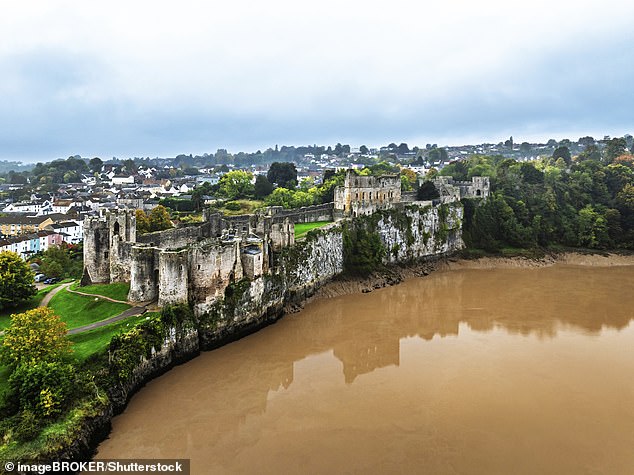
The river's decline is also having a financial impact on Ms. While, with concerns about the valuation of her property. However, she holds onto hope that the ongoing legal action will succeed in reversing the damage. "I am hopeful," she said. "It's great what Leigh Day are doing because it's difficult for individuals to make any difference. We felt so impotent and helpless before. It was like we're just the little people, we can't stand up to these polluters." She believes that if the pollution is halted, nature will begin to recover.
Economic Repercussions and Planning Paralysis
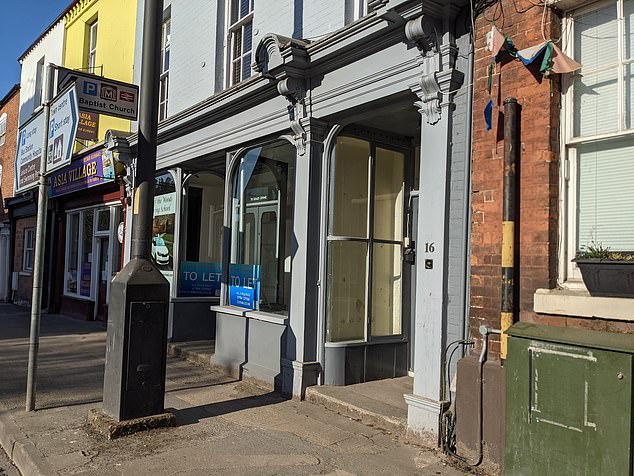
The Wye's deterioration is hitting some locals financially, with tourism-dependent businesses suffering as visitors are deterred by the poor water quality. Matthew Cartwright, who purchased a property in Leominster in 2018 with the intention of converting it into rental accommodation, has faced significant setbacks. A ban on planning applications in the area surrounding the River Lugg, a tributary of the Wye and also a subject of the legal action, has stalled his development plans for over seven years.
While the main shop area of his Grade II listed building has been let out, the back offices and workshops remain unusable due to the planning moratorium, imposed because of the pollution problem. This moratorium applies to all properties that could potentially release wastewater into the river. The delay has caused Mr. Cartwright to miss out on a development grant and favourable interest rates that were available when he initially lodged his planning application in 2020. He estimates the project's hold-up will cost him tens of thousands of pounds.
"Herefordshire as a rural county doesn't have a great deal of outlets for new housing construction. They desperately need to increase the number of available homes and housing," Mr. Cartwright stated. "It's been like economic negligence squared for five years. It just seems like total madness, very counter intuitive to the ambitions the politicians like to give us." He noted the irony that, even during this moratorium, new chicken factories were approved for development in the county and further upstream. "It was business as usual if you were an agricultural processing plant but it just felt like putting everyone else's life on hold."
The negative publicity surrounding the pollution has also deterred potential tourists, reducing demand for accommodation like Mr. Cartwright's. "It does affect the viability of running a holiday let in an area where some of your potential customers are people who like to either swim, fish or go boating on the Rivers Wye, Lugg and Arrow," he added. "If the river is full of algae and not very pleasant, then that's going to dent the tourism potential of the area. We're not getting a lot of people who are turning up with canoes and doing boating events there. And I don't see a lot of fishermen coming to use my place."
Justin Albert, who lives by the Wye and grew up in the region, no longer feels the river is safe for swimming. "I have seen at first hand the deterioration of the River Wye, both growing-up and living in the area," he said. "It has become dirtier, muddier and cloudier, and no longer feels safe to swim in, with chicken manure pollution a major contributing factor amongst a number of issues. But there is a chance to still save the Wye. There are steps that can be taken to ensure the river returns to a healthy state, and plenty of hope yet for the Wye as long as these are implemented."
A spokesperson for Avara Foods responded to the allegations, stating: "We share concerns about the condition of the River Wye, but we believe that this legal claim is based on a misunderstanding, as no manure is stored or spread on poultry-only farms that supply Avara Foods. Where poultry manure is used as fertiliser, it is for other produce in other agricultural sectors. Individual farmers are responsible for how nutrients are used in their arable operations. Avara is not involved in any arable operations and has no control over this activity. All our poultry is produced in Britain to standards that are amongst the highest in the world. We employ 5,000 people in the UK and approximately 1,500 people in the catchment area, and we all want a healthy River Wye."
Post a Comment for "The sad decline of the River Wye: How clear waters in idyllic countryside turned to smelly sludge"