
Garages, often serving as a workshop, storage hub, or a haven for vehicles, are susceptible to accumulating significant amounts of dust and debris. This accumulation isn't just an aesthetic issue; it can impact air quality and the overall usability of the space. Understanding the common culprits behind a dusty garage is the first step toward maintaining a cleaner, more comfortable environment.
Common Sources of Garage Dust
Several factors contribute to the pervasive dust found in garages, ranging from obvious external elements to less apparent internal conditions.
-
External Debris Ingress:
- Open Garage Door: Frequent opening and closing of the garage door, especially for extended periods, allows wind-blown dust, leaves, dirt, and other outdoor debris to enter freely. This is particularly problematic on windy days.
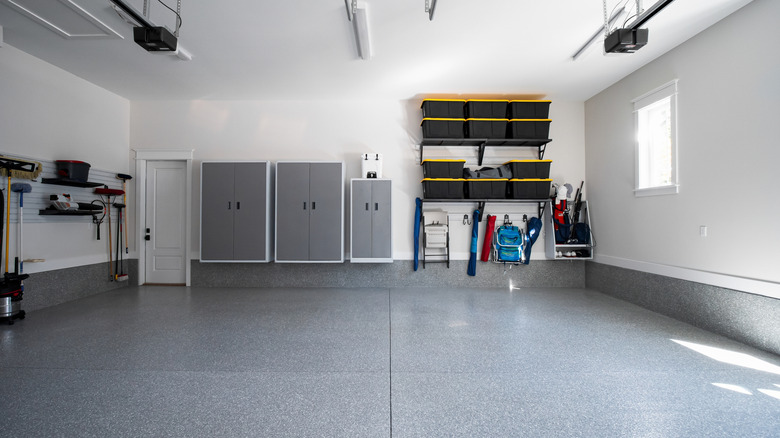
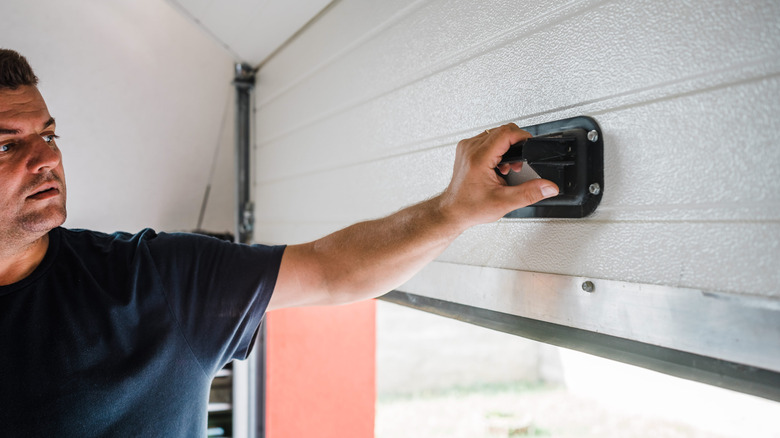
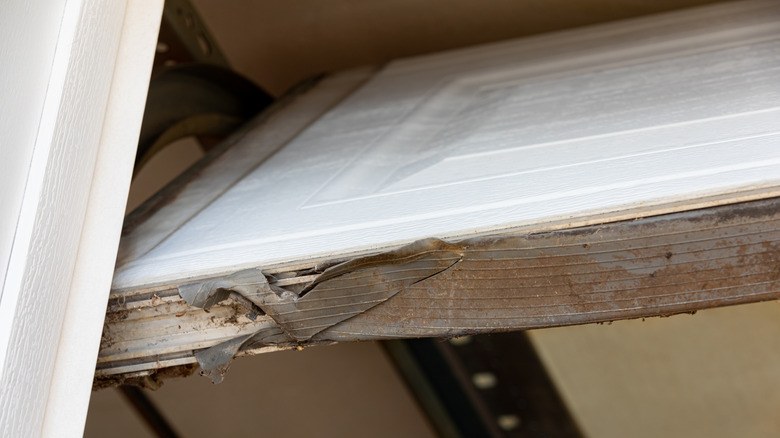
- Compromised Door Seals: Garage doors are equipped with seals or weatherstripping to prevent gaps. Over time, these can deteriorate due to weather exposure or improper installation. Misalignment of the door can also create gaps that allow dust and debris to enter.
-
Vehicle Contamination:
- Tire Debris: Car tires pick up dirt, sand, salt, and small particles from roadways. As these particles are ground down by the tires, they contribute to the dust within the garage.
- Vehicle Dust: Cars themselves accumulate dust, especially when driven on unpaved roads. Road salt and other winter treatments can also cling to vehicles and eventually fall off inside the garage.
-
Outdoor Equipment and Recreation:
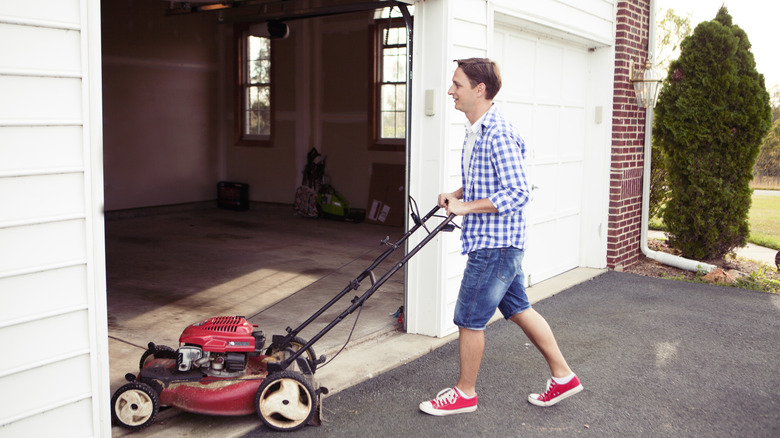
- Lawn Tools: Lawnmowers, trimmers, and other landscaping equipment can track grass clippings, soil, fertilizer, and other yard debris into the garage.
- Recreational Gear: Bikes, sports equipment, and children's toys often carry dirt, mud, and other residues from outdoor use.
-
Internal Factors and Usage:
- Foot and Vehicle Traffic: Even settled dust can be easily stirred up by movement within the garage, such as walking or driving vehicles, leading to airborne particles.
- Workshop Activities: Using the garage as a workshop generates sawdust from cutting, drilling, or sanding. Refinishing furniture can release paint chips, and vehicle maintenance can create oil and grease messes.

-
Material Degradation:
- Unfinished Concrete Floors: Unsealed concrete can gradually wear down, especially with traffic, moisture, and temperature fluctuations, creating fine dust.
- Deteriorating Materials: Other building materials within the garage, like unfinished wood or drywall edges, can also break down over time and contribute to dust.
-
HVAC Systems:
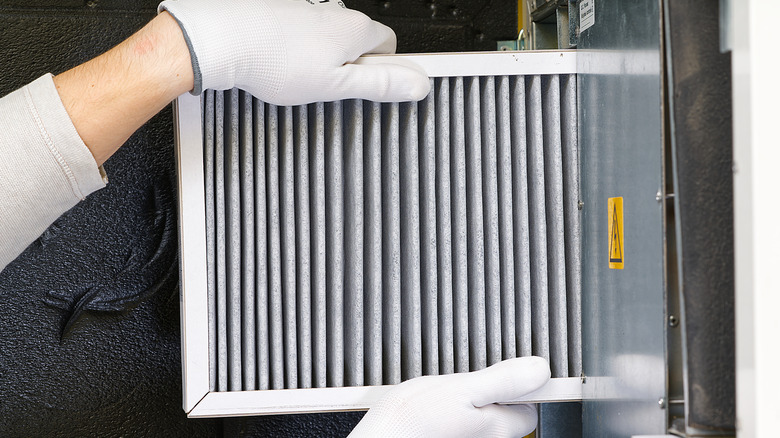
- Dirty Filters: If the garage is connected to an HVAC system, a clogged or dirty air filter will fail to capture dust and debris effectively, recirculating it within the space.
-
Clutter and Storage:
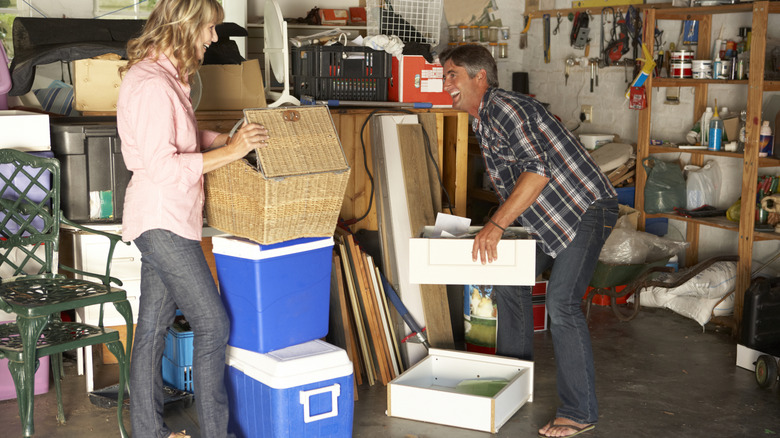
- Excess Items: A garage filled with clutter provides numerous surfaces and nooks for dust to settle and accumulate. Items stored in the garage may already carry dust.
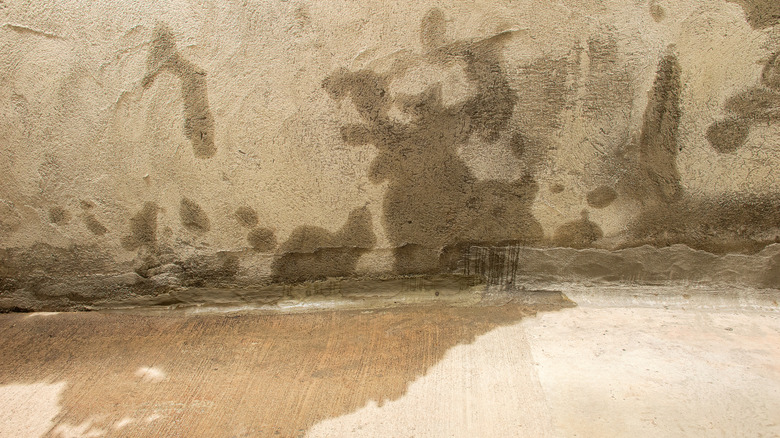
- Humidity: High humidity levels, often found in garages, can make dust sticky and harder to clean. It can also promote the growth of dust mites and mold.
-
Laundry Activities:
- Lint Production: If a washer and dryer are located in the garage, lint from clothing can contribute to airborne particles, even with a lint trap.
Strategies for a Cleaner Garage
Addressing the sources of dust requires a proactive approach, combining regular maintenance with targeted solutions.
Regular Cleaning and Maintenance
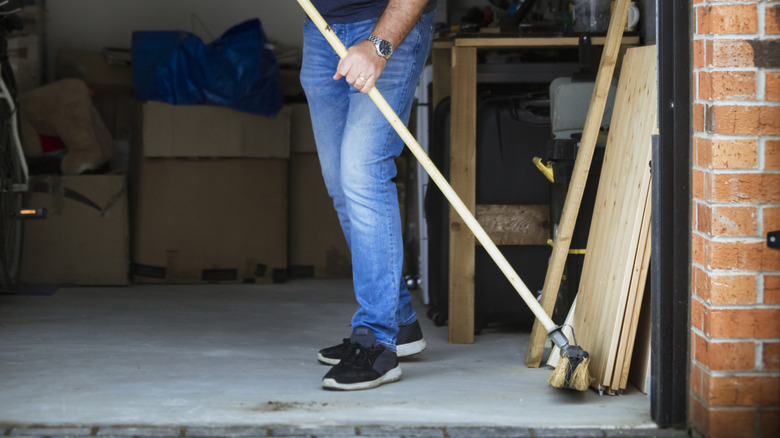
- Frequent Sweeping and Dusting: Regularly sweep or vacuum the garage floor to remove loose debris before it can be stirred up. Dust surfaces and shelves to prevent accumulation.
- Deep Cleaning: Aim for a thorough deep clean at least twice a year, or more often if the garage experiences heavy use. This involves emptying the space, cleaning all items, and wiping down surfaces.
- Post-Project Cleanup: Clean up immediately after any workshop activities or significant messes to prevent dust and debris from spreading.
Addressing Specific Dust Sources
-
Garage Door Management:
- Minimize the time the garage door is left open.
- On windy days, be extra mindful of closing the door promptly.
- Consider installing a garage door screen to allow airflow while blocking larger debris.
- Inspect and replace worn or damaged garage door seals. Professional installation is recommended for misaligned doors.
-
Vehicle Care:
- Wash your car regularly to remove accumulated dirt and debris.
- Clean your garage floor frequently to prevent tire particles from being ground into dust.
-
Outdoor Equipment:
- Clean lawn mowers and other yard tools outside of the garage.
- Use a brush or leaf blower to remove loose debris from equipment before bringing it inside.
- Hose down bikes or use a brush to remove mud and dirt after use.
-
Workshop Dust Control:
- Whenever possible, conduct cutting, drilling, or sanding activities outdoors.
- If working indoors, use a shop vacuum with dust ports or a portable dust collection hood to capture dust at the source.
- Keep a shop vac readily accessible for quick cleanups.
-
Floor and Surface Treatments:
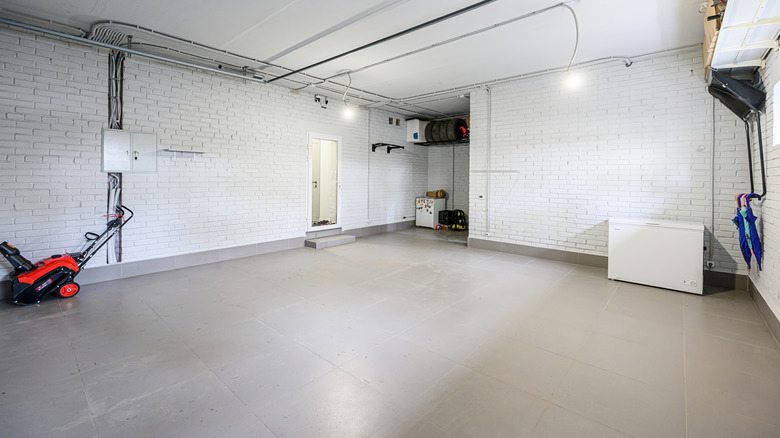
- For unfinished concrete floors, apply a penetrating concrete sealer or a protective coating like polyaspartic.
- Consider covering concrete with interlocking tiles, roll-out vinyl, or peel-and-stick tiles.
- Ensure any existing coatings are applied correctly to prevent moisture seeping in.
-
HVAC Maintenance:
- Regularly check and replace HVAC filters, typically every one to three months, depending on usage and the dust level in your home.
-
Organization and Decluttering:
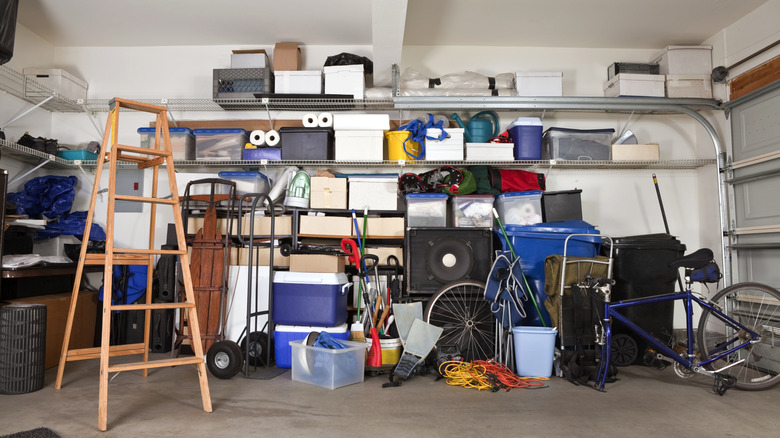
- Reduce the amount of clutter in your garage.
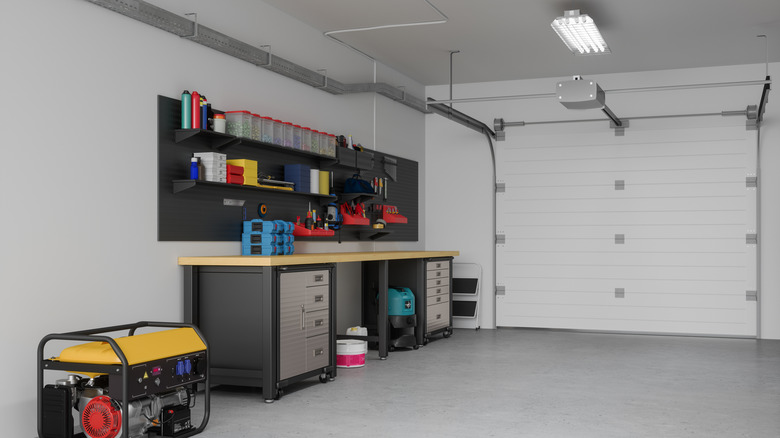
- Implement an organizational system, such as shelving, to keep items tidy and contained.
- Use enclosed cabinets and storage containers to protect items from dust.

-
Humidity Control:
- Seal gaps and cracks to prevent humid outside air from entering.
- Improve ventilation in the garage.
- Use a portable dehumidifier during humid periods.
-
Laundry Area Management:
- Clean the dryer lint trap after every load.
- Clean the dryer vent annually.
- Vacuum the laundry area with a HEPA filter-equipped vacuum to capture lint.
By implementing these strategies, you can significantly reduce the amount of dust in your garage, creating a cleaner, healthier, and more enjoyable space.


No comments:
Post a Comment