
Remembering Joanne: A Family's Battle Against Dementia's Cruel Grip
The insidious nature of dementia leaves few families untouched, and for one family, the journey through Alzheimer's has been marked by both profound loss and a fierce determination to advocate for better care. Joanne, a woman described as "always mischievous," faced the cruel erosion of her memory with a remarkable spirit, retaining vestiges of her personality until her final days. Even as Alzheimer's took hold, she drew on her past experiences as a nurse and midwife, offering assistance to the dedicated staff at her care home. Her presence was so impactful that some staff members considered her more of a colleague than a resident, a testament to her enduring spirit, even at the age of 84, three years after her diagnosis.
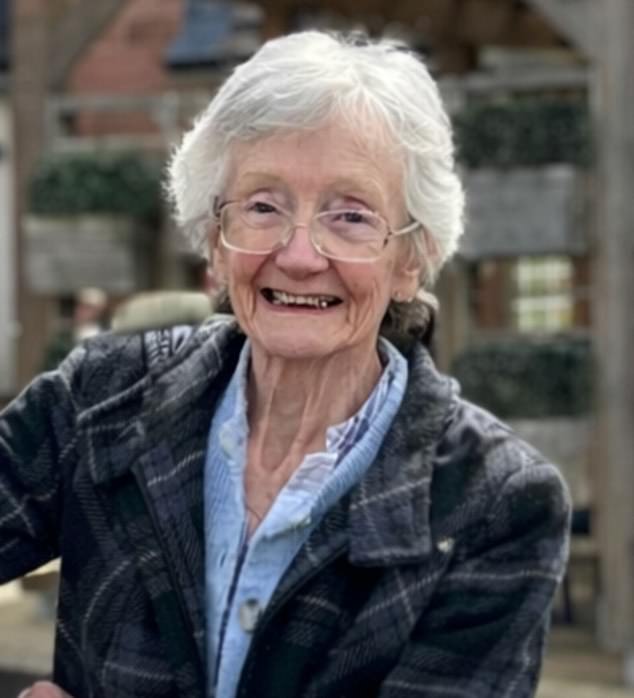
The early stages of dementia often involve subtle signs, a gradual masking of forgetfulness and repetition. Joanne, for instance, would minimise her experience of getting lost during her familiar walks around her small Perthshire town, fiercely cherishing her independence. While this independence was eventually lost upon her admission to a care home, she managed to hold onto a determined cheerfulness, a beacon of resilience in the face of overwhelming change. It's often the relatives, rather than the person suffering from dementia, who feel the brunt of the anxiety in the later stages. This distress can sometimes be momentarily alleviated by the power of music or a flicker of recognition. For Joanne, specific melodies, like The Beatles' "Yes It Is," Neil Diamond, and Dame Vera Lynn, could briefly reignite cherished memories.

The Growing Dementia Crisis in Scotland and the UK
Joanne's story is far from unique. Across Scotland, an estimated 90,000 individuals are currently grappling with dementia, a figure projected to surge by over 50 per cent by 2044. The United Kingdom's statistics are even more stark, with one million people affected. These numbers underscore a growing public health crisis. Dementia is now responsible for one in nine deaths in the UK, claiming approximately 76,000 lives annually. In Scotland alone, 6,612 deaths were attributed to Alzheimer's and other dementias in 2024, representing around one in ten of all fatalities. Worryingly, the rate of dementia-related deaths per 100,000 people has nearly doubled in the past two decades.
Despite the escalating numbers, there's a palpable sense that Scotland is ill-prepared for the impending surge in cases, placing an immense strain on the National Health Service (NHS) and, crucially, on affected families.
Navigating the Obstacles: Denial, Diagnosis, and Care Gaps
One of the significant hurdles in addressing dementia is the initial denial, both from the individual experiencing the symptoms and from their relatives who may struggle to accept the reality of the situation. In Joanne's case, signs of impending issues were present, though perhaps not immediately recognised. While GPs conduct cognitive tests, these don't always detect dementia in its earliest stages. Hearteningly, recent developments include international trials exploring the efficacy of simple finger-prick blood tests for Alzheimer's diagnosis, offering a glimmer of hope for earlier identification.
Joanne was eventually admitted to a care home when she could no longer live alone safely, a process that thankfully was relatively swift. However, an initial short stay in a different facility proved inadequate as it wasn't equipped to handle dementia patients. Fortunately, Joanne then spent nearly three years in a home where she received good care, a fortune not shared by many. The reality for many is that significant intervention only occurs after a near-crisis, highlighting a concerning disconnect between the growing need and government action. This is particularly evident in the substantial cuts being made to dementia care and support services.
The Fight for Funding: Alzheimer Scotland's "Stop the Cuts" Campaign
Alzheimer Scotland has voiced its concern, reporting being "overwhelmed by public support" for its "Stop the Cuts" campaign. This initiative aims to prevent nearly £154 million from being slashed from services for older people and community care across Scotland. The charity points to a stark contrast with other major health conditions like cancer, heart disease, and diabetes, for which Scotland has established "clear national care pathways." These pathways ensure timely diagnosis, consistent treatment, and specialist care, irrespective of geographical location. However, for dementia, such safeguards are conspicuously absent, a remarkable oversight given the condition's prevalence and devastating impact.

Political Missteps and the Failure of Social Care Reform
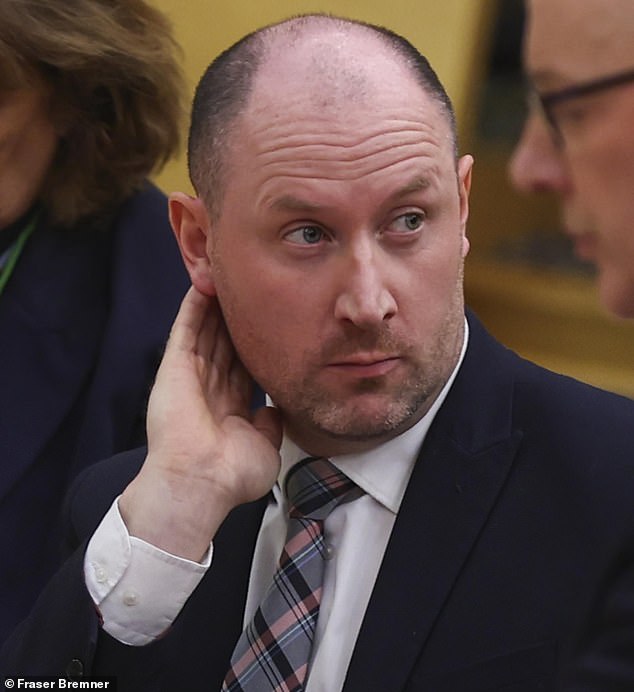
Adding to the frustration is the perceived lack of seriousness from the government. The incident involving Health Secretary Neil Gray, who reportedly attempted to purchase Oasis tickets while meant to be chairing a conference on tackling dementia, was seen as a significant slight to the thousands of families already struggling with the disease. Critics argue that Mr. Gray and his government are ill-equipped to handle the immense task of providing effective dementia treatment and care.
Furthermore, the ambitious "national care service" initiative, initially touted by Nicola Sturgeon as a post-war NHS equivalent, has been plagued by financial mismanagement and delays. Around £30 million was spent on flawed plans, with projected costs ballooning from an initial estimate of £644 million to £1.26 billion over five years, to a staggering £2 billion. This initiative has ultimately failed to deliver any additional care, leaving taxpayers to foot the bill.
A Call for Strategic Planning and Medical Advancement
Henry Simmons, chief executive of Alzheimer Scotland, has highlighted that "long-term residential care for people with dementia has been developed largely through an open market approach, with no meaningful local plans or strategy." This has resulted in a "financially driven sector that is in a critical state – and in some areas at risk of collapse." The charity is advocating for a clear plan to "design services that can meet these needs going forward," a logical plea that, unfortunately, is rarely met with concrete action from a government with a history of waste and inefficiency.
Despite these systemic challenges, there are grounds for cautious optimism regarding the long-term fight against dementia, particularly through advancements in medical science. While a single cure is unlikely due to the diverse causes of dementia, researchers are making significant strides. It's estimated that up to 40 per cent of individuals can reduce their risk of developing dementia through lifestyle changes such as quitting smoking, managing blood pressure, and engaging in activities that combat social isolation. Within the next five to ten years, researchers anticipate the development of "truly life-changing" treatments. The rapid progress seen during the Covid-19 pandemic, particularly in vaccine development, demonstrates what can be achieved with sufficient political will and investment. This same urgency and commitment are now desperately needed for dementia. For too long, Alzheimer's and related conditions have been relegated to the lower rungs of priority lists. Every effort must be made to combat this silent killer and offer much-needed respite to families enduring the heart-wrenching decline of their loved ones.


No comments:
Post a Comment