
MAFS Premiere Under Fire: Is the "Sob Story" Edit Exploiting Contestants?
The highly anticipated premiere of Married at First Sight (MAFS) has once again ignited debate, not just about the couples' compatibility, but about the show's narrative construction. This season, contestant Rachel, a 35-year-old team leader from Victoria, found her introduction dominated by what many are calling a "sob story" edit, raising questions about the ethical boundaries of reality television.
Rachel, who describes herself as "loud, funny and caring," was matched with 34-year-old marine technician Steven. On paper, the pair seemed to tick many boxes. Both are ready to find lasting love, share experiences of dating woes, and have grappled with insecurities about their appearance. Their initial connection appeared promising, highlighting a potential for a genuine, blossoming romance.
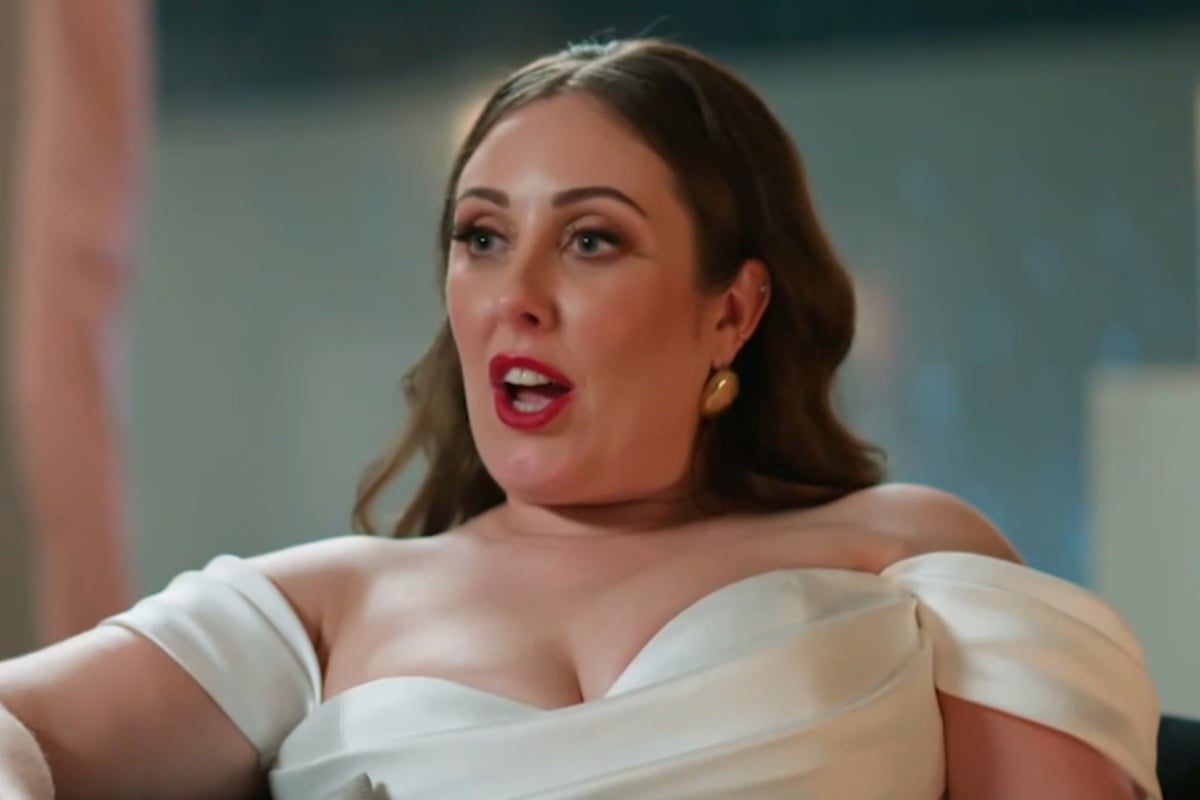 Image: Nine.
However, the premiere episode largely bypassed this burgeoning match, instead focusing on Rachel's past relationship struggles and her desire for validation. She revealed a 14-year hiatus from serious relationships, culminating in a seven-year "toxic situationship" where she felt like a "dirty secret." This experience, she explained, "completely shattered my confidence and my heart." Her struggles with dating apps, where she felt she didn't fit a "physical checklist," further compounded her low self-esteem.
A recurring theme that emerged was Rachel's candid admission to expert Alessandra Rampolla: "I've never been told I'm beautiful by my partner. I've never received compliments like that." Her heartfelt plea, "I want you to hold my hand in public, and be like 'This is my person, I'm with her. And to be proud to be with me'," became a central focus of the episode.
This narrative arc felt eerily familiar to viewers who recalled last season's MAFS. In the 2025 season, contestant Katie Johnson's journey also featured a heavily emphasized "sob story" edit. Katie, like Rachel, spoke openly about past relationship mistreatment and a deep yearning for acceptance. Her wedding episode saw her express profound sadness, questioning, "Nobody loved me enough to do this, now I have to trap a stranger into it. This is meant to be a thing of love and it's not."
Echoes of Last Season: Katie Johnson's "Unexpected Edit"
Katie herself has spoken out about the impact of her on-screen portrayal. In a previous interview, she described her edit as "unexpected" and issued a stark warning to future contestants: "Brace yourself for the most unexpected edit you can ever imagine." She elaborated on how her words were twisted, recounting an instance where a statement about enduring rejection, intended with a defiant "I don't give a f*** what people think about me!" tone, was manipulated through voice-over to sound "super whiny."
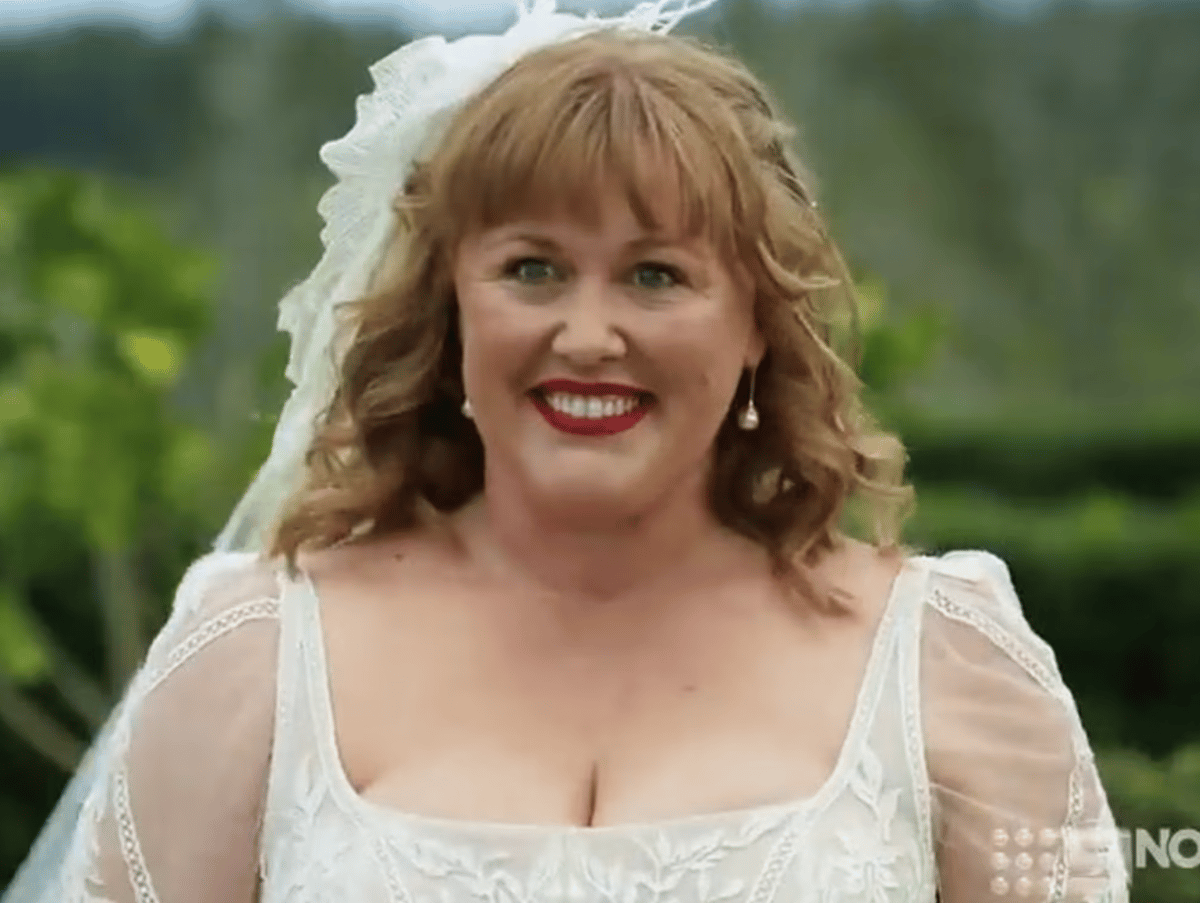 Image: Nine.
The experience has motivated Katie to advocate for changes in Australian reality TV regulations. She believes that the current system allows production to dictate narratives that may not accurately reflect reality. "In Australia, when you sign that contract, you sign over the storyline that they want to create," she stated.
"Sadfishing" on a Grand Scale?
This practice of crafting such emotionally charged narratives has led to accusations of "sadfishing" – the act of exaggerating or manipulating one's own sad story for sympathy or attention. In the context of MAFS, critics argue that the editors are deliberately highlighting contestants' most vulnerable moments, their weakest points, and their lowest emotional states to elicit a sympathetic response from viewers.
The editing techniques employed are powerful tools in shaping these narratives. Close-ups on specific facial expressions, repeated broadcasts of deeply personal confessions, and the strategic use of music can all contribute to creating a potent emotional impact.
For Rachel's first episode, the edit was perceived by some as overly dramatic, bordering on cruel. Her nervous laughter at the altar was juxtaposed with a portrayal that felt "devoid of human dignity," as one observer put it. The "Rachel wants compliments!" theme then overshadowed the wedding ceremony itself. Her on-screen observation, "I'm noticing I haven't heard a compliment on the way that I look today," was later brought up with Steven, accompanied by "chaotic music" to amplify her perceived emotional state.
While Rachel and Steven did engage in a healthy conversation about her insecurities, moving them forward in the experiment, the question remains: is this the entirety of Rachel's story? Is her primary narrative arc simply a desire for compliments?
The show's producers have been approached for comment regarding Rachel's edit. As MAFS continues, many viewers will be watching with a critical eye, hoping to see a more balanced and authentic portrayal of the contestants, rather than a narrative that seems designed to wring every last tear from a carefully constructed "sob story."


No comments:
Post a Comment