
Unmasking Your Bling: How to Tell Real Gold from Fakes
Valentine's Day is just around the corner, and while many are scrambling for those classic heart-shaped pendants, a nagging question might linger: is that sparkly piece of jewellery actually the genuine article? It’s easy to be fooled, especially when gold’s warm lustre can be so convincing under the right light. But fear not, you don't need a gemologist's magnifying glass to uncover the truth. With a few clever checks, you can distinguish solid gold from its more dubious counterparts without any fuss. A little curiosity is all it takes to discover what you're really wearing.
The Subtle Clues: What Your Jewellery is Telling You
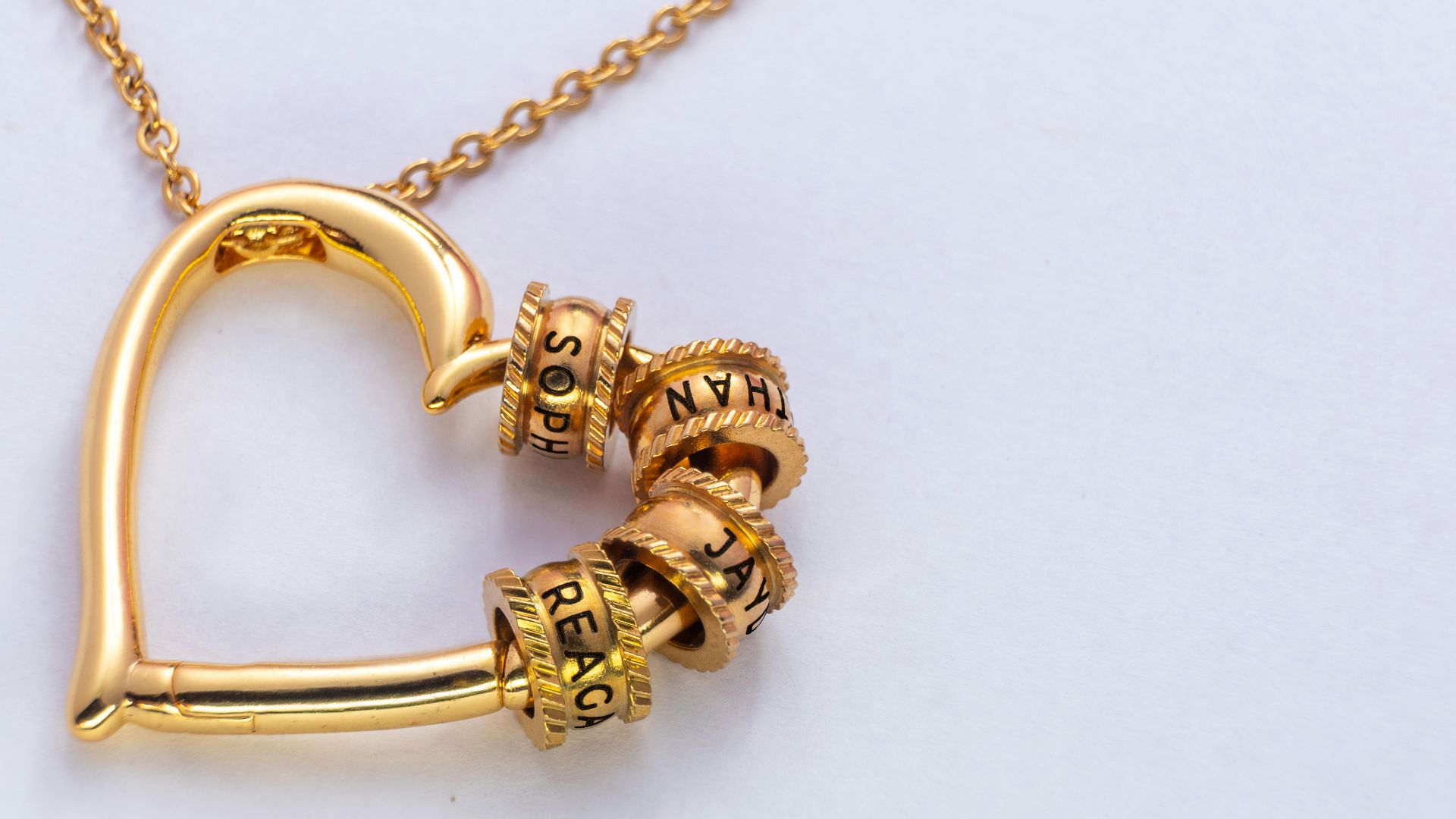 Before you even pick up a tool, take a good look at the jewellery itself. The first place to start is with the markings. Tiny inscriptions, known as hallmarks or stamps, are often your best initial clue. These are usually found discreetly placed, perhaps near a clasp, on the inside of a ring band, or on the reverse of a pendant. Look out for indicators like "10K," "18K," or "24K." These numbers signify the purity of the gold, with 24K being pure gold. Some pieces might use different numerical codes, such as "585" for 14K or "750" for 18K, which are equally legitimate. If you can't find any markings at all, it doesn't automatically mean it's fake, but it certainly warrants further investigation.
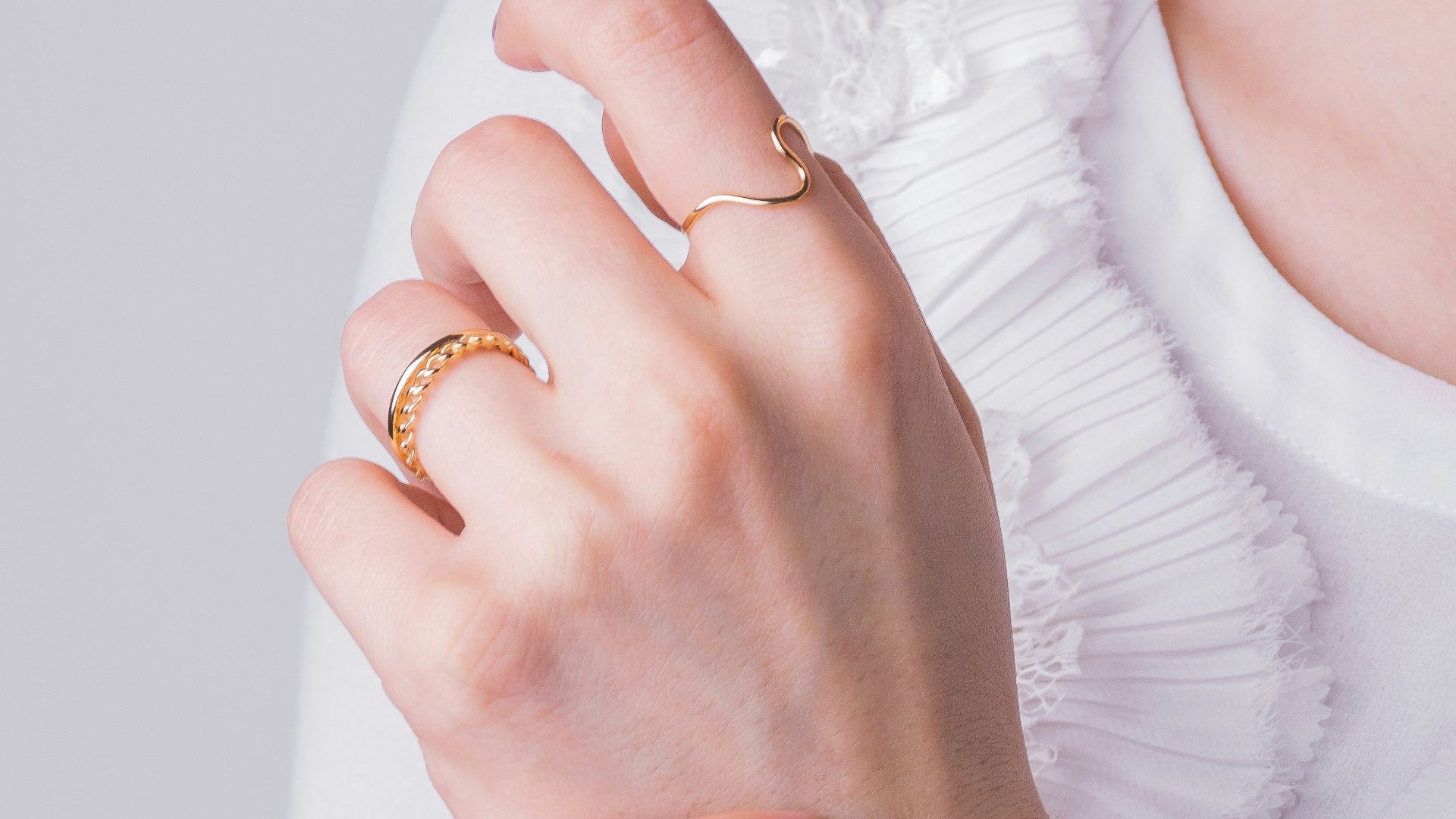 Next, examine the wear and tear. Over time, cheaper plating often reveals its true colours. If you notice darker patches, particularly on edges that frequently rub against skin or clothing, it's a strong sign that a thin layer of gold is covering another metal. High-friction areas, like the bottom of rings, the links of bracelets, and the clasps of chains, are often the first places where these tell-tale signs appear. Genuine solid gold, on the other hand, tends to wear down more gracefully, without exposing a different coloured metal underneath.
Real gold is also non-magnetic. If a strong magnet shows a noticeable pull on your piece, it's highly probable that you're dealing with a different metal. However, be mindful that clasps and springs can sometimes contain steel components, even in otherwise legitimate jewellery. A slight magnetic attraction doesn't necessarily mean you've been duped; treat magnetism as a useful indicator, not a definitive judgment.
DIY Detective Work: Simple Tests for Home
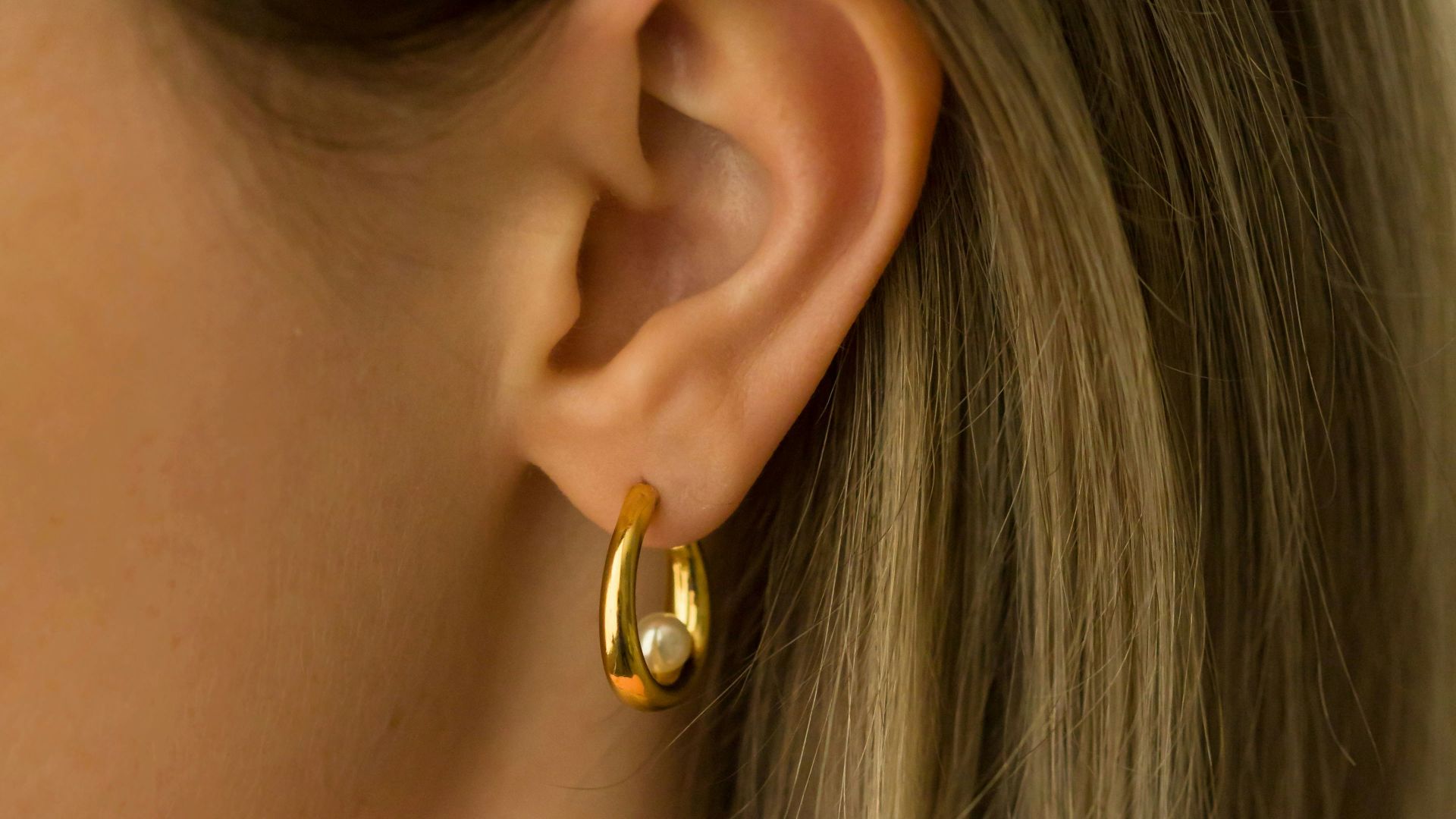 If you're keen to delve a little deeper, there are several straightforward tests you can conduct at home without damaging your precious adornments. One surprisingly revealing method is the ceramic plate test. You'll need an unglazed ceramic surface for this. Gently drag a part of the jewellery piece across the surface and observe the streak it leaves. Real gold typically leaves a yellowish streak, whereas base metals often result in a grey or black mark. The key here is to apply gentle pressure; you're testing the material, not trying to sand down your jewellery.
Skin reactions can also offer some insight, though they can be a bit messy. If a necklace leaves a green or black discolouration on your skin, it usually indicates that metals like copper or nickel are reacting with everyday substances such as sweat, lotions, or perfumes. Solid gold is less likely to cause skin discolouration, especially in its higher karat forms. However, even lower-karat gold can contain alloys that might cause mild staining.
Another useful check is the "water and weight" assessment. Gold is a dense metal and has a distinct heft. Hold the piece in your palm and gauge whether it feels unusually light for its size, particularly with thicker chains or chunkier rings. Comparing it to a similar item you know is genuine can help you identify subtle differences you might have otherwise overlooked. If it feels as if it could be a prop from a play, you might be looking at an imposter.
When Certainty is Key: Seeking Professional Advice
 For a truly definitive answer, a professional jeweller has the tools and expertise to test your piece accurately and quickly, removing any guesswork. Many jewellers employ acid testing, which involves making a tiny scratch on an inconspicuous part of the item and applying a specific acid. The way the metal reacts to the acid helps determine its karat level. Other jewellers use electronic testers that measure conductivity, providing detailed information without causing any damage. Don't hesitate to ask about the testing method used; this will help you understand whether the result is a strong indication or a near-certain confirmation.
For items of significant value, an XRF (X-ray fluorescence) test is considered the gold standard for eliminating all doubt. This advanced testing method uses X-rays to scan the metal's composition, identifying all the elements present, including any plated layers. It's particularly beneficial for delicate or sentimental pieces that cannot withstand scratch-based testing. While there might be a fee involved, the peace of mind you gain is invaluable.
Once you have the results, you can decide on the best course of action. Perhaps your piece is genuine but of a lower karat, meaning it might scratch more easily and requires gentler handling than you initially thought. Or perhaps it's plated, but still beautiful, and you simply want to know how to care for it properly to ensure its longevity. Regardless of the outcome, understanding the truth about your jewellery allows you to care for it with confidence and enjoy your treasures without that nagging worry of whether you're wearing the real deal.


No comments:
Post a Comment