
Report: Biffle Not Pilot in Deadly Statesville Crash
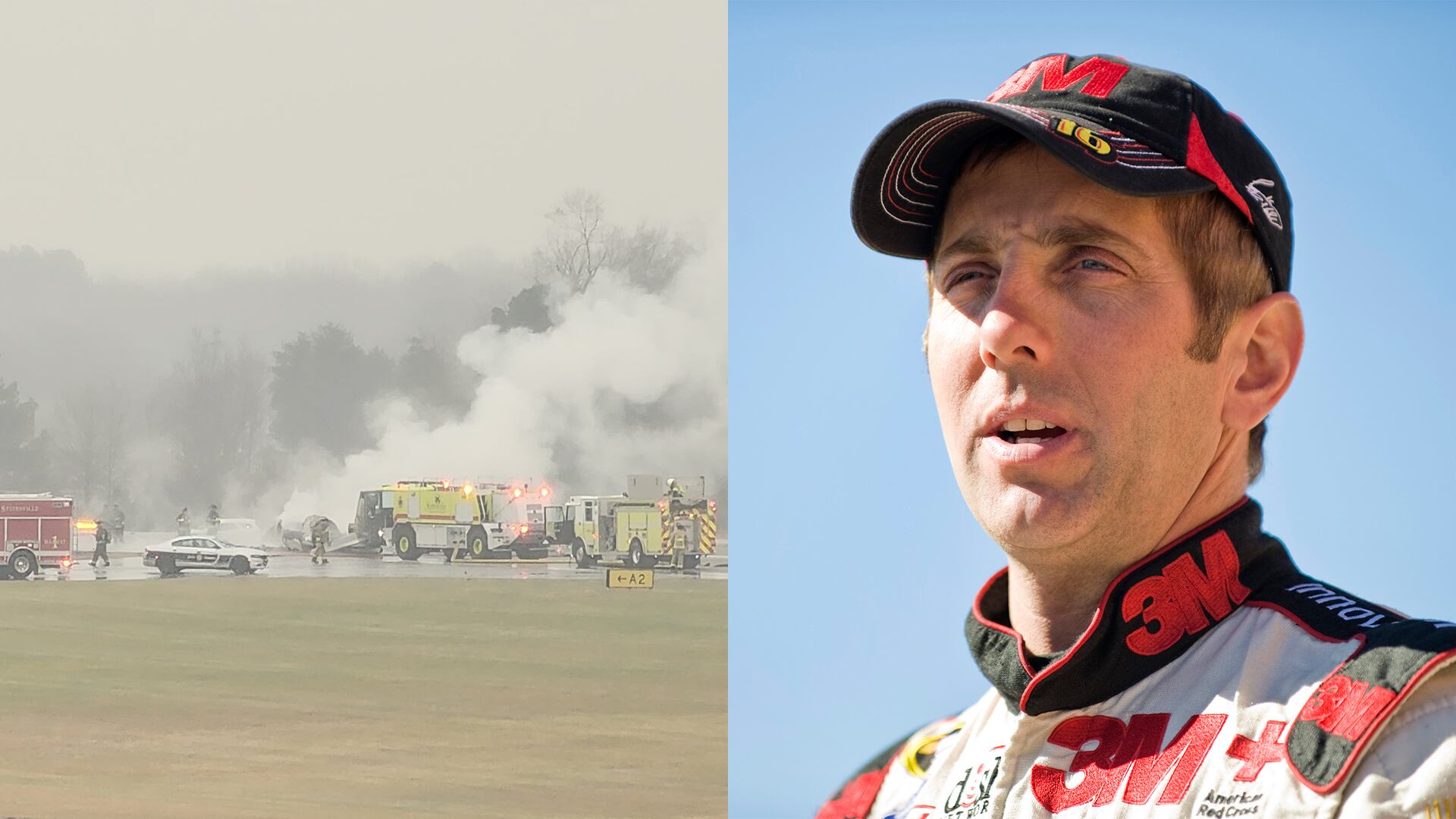 A preliminary report into a tragic plane crash at Statesville Regional Airport in December has clarified the role of former NASCAR driver Greg Biffle, stating he was not piloting the aircraft at the time of the incident that claimed his life and the lives of six others. The Cessna 550 aircraft crashed on December 18, 2025, shortly after attempting to return to the runway.
Biffle, his wife, and their two children were among the seven fatalities. The other passengers identified were Dennis Dutton, Jack Dutton, and Craig Wadsworth. The National Transportation Safety Board (NTSB) released its preliminary findings on Friday, January 30, shedding light on the events leading up to the crash.
Key Findings from the Preliminary Report
The NTSB report indicates that Dennis Dutton, who had extensive flight experience with over 17,000 total hours and 400 hours in the preceding six months, was occupying the pilot's seat (left seat). His son, Jack Dutton, was in the co-pilot's seat (right seat). However, Jack Dutton reportedly lacked the necessary experience to serve as second-in-command, possessing only 175 total flight hours.
Greg Biffle, while not piloting, was believed to be a passenger seated in the rear cabin area, near the cockpit. He held a pilot's license with 3,500 total flight hours, including 65 hours in the last six months. Crucially, the report notes that Biffle did not possess the required endorsement on his pilot's license to act as a co-pilot on this particular aircraft, even though the plane was registered to him.
Potential Contributing Factors to the Crash
The investigation is examining a combination of factors that may have contributed to the fatal crash. These include:
-
Instrument Malfunctions: The NTSB report detailed several potential instrument failures on the day of the crash. These included:
- A faulty altitude indicator.
- Malfunctioning flight instruments generally.
- A gauge indicating engine power that was reportedly not working correctly.
- An engine temperature indicator also reported as malfunctioning.
-
Pilot Actions and Communications: The report also highlighted communications and actions within the cockpit that are under scrutiny.
- During the takeoff roll, a rear passenger, who held a private pilot certificate and multi-engine ratings, reportedly communicated that the left engine was producing more power than the right and suggested a faulty gauge. Despite this observation, the pilot proceeded with the takeoff.
- At approximately 10:10 a.m., the cockpit microphone captured the pilot stating that his altitude indicator was not functioning properly and that left-side flight instruments might also be experiencing issues.
- About a minute later, control of the airplane was transferred to the right-seat passenger. The recordings did not suggest any issues with the flight instruments on the right side of the cockpit.
Sequence of Events and Final Moments
The NTSB report reconstructs the events leading to the crash. At approximately 10:13 a.m., when the aircraft was at 1,900 feet, it's reported that the pilot and both pilot-rated passengers could see the ground. The pilot had resumed control of the aircraft by this time and requested the flaps be extended as they began a right turn.
At 10:13:48, the right-seat passenger transmitted a message on the Statesville Regional Airport common traffic advisory frequency stating, "we’re having some issues here." The pilot subsequently commented that "it was the problem," but the nature of this problem or the steps taken to address it were not clarified.
Further complicating the situation, the rear passenger inquired about the power to the alternator. However, the Cessna 550 is not equipped with an alternator.
The aircraft ultimately struck light standards on the runway and trees at approximately 1,400 feet from the runway before crashing and erupting in flames. All seven individuals on board perished in the tragic incident. The investigation by the NTSB continues to analyze all available data to determine the definitive cause of the crash.
Post a Comment for "Report: Biffle Not Pilot in Deadly Statesville Crash"