
SNAP Work Rules Change Feb. 1: What You Need to Know
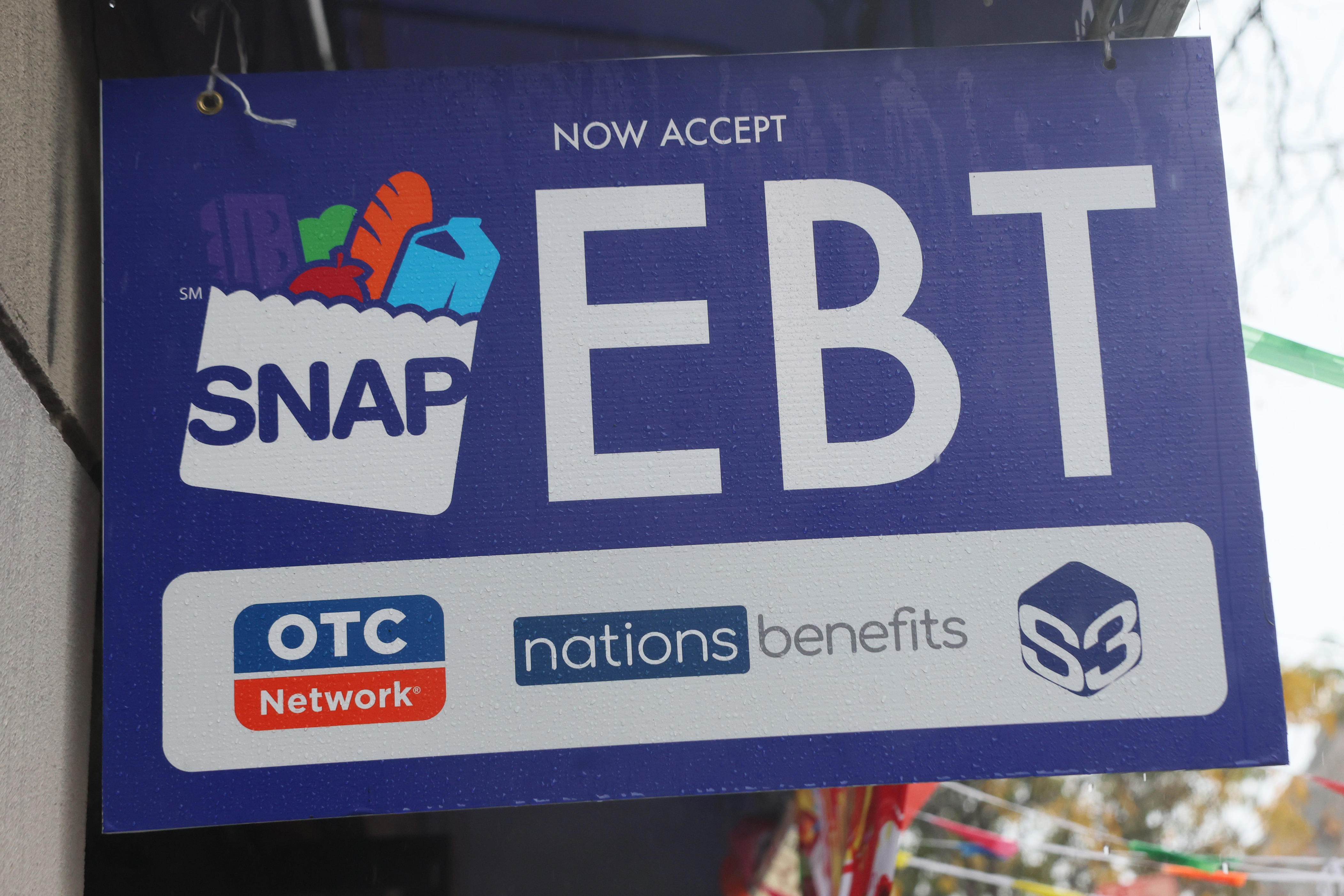 Beginning February 1st, a significant shift is set to impact the lives of nearly 42 million low-income Americans who rely on the Supplemental Nutrition Assistance Program (SNAP). As the nation's largest nutrition assistance program, SNAP has found itself at the center of considerable political debate, particularly during the prolonged 43-day government shutdown. At one point, the U.S. Department of Agriculture (USDA) indicated it might be unable to issue the following month's benefits, creating widespread concern.
Fortunately, the legislation that ultimately ended the shutdown restored funding to the program. This action followed a series of legal challenges mounted by various states, which questioned payment pauses, changes to eligibility criteria, and federal requests for sensitive personal data. Despite this reprieve, a substantial piece of legislation passed the previous summer, often referred to as "Trump's Big Beautiful Bill," already contained sweeping reforms for SNAP. These reforms include more stringent work requirements and significant funding reductions projected over the next decade.
Key Changes to SNAP Work Requirements
The new regulations taking effect on February 1st introduce a stricter framework for SNAP recipients, requiring them to engage more actively in work or work-related activities. These changes are part of the aforementioned legislative package.
-
Expanded Age Range for Work Requirements: Previously, able-bodied adults without dependents were subject to work requirements up to age 55. The new bill expands this age limit to 65. This means individuals between 18 and 65 years old who are capable of working and do not have dependents must now dedicate at least 80 hours per month to employment or participation in a recognized work program, such as SNAP Employment and Training.
-
Inclusion of Households with Older Dependents: A significant alteration is the extension of these enhanced work requirements to parents and other household members if a dependent child in the home is 14 years of age or older. Before this change, households with children under 18 were generally exempt from these specific work mandates.
-
Elimination of Certain Exemptions: Several groups that were previously exempt from work requirements are now included. These now encompass veterans, individuals aged 24 and younger who have recently aged out of foster care, and people experiencing homelessness.
-
Restrictions on State Waivers for Insufficient Work Opportunities: States will face greater limitations in their ability to grant temporary extensions of benefits beyond three months in areas where job opportunities are scarce. Under the new rules, a waiver can now only be requested if the local unemployment rate is at or above 10%. Typically, SNAP benefits are limited to a three-month period within a 36-month timeframe unless participants meet additional work-related expectations. Previously, states had more flexibility in obtaining waivers based on local employment rates to extend benefits.
-
Eligibility Restrictions for Legal Permanent Residents: The legislation also introduces significant limitations on who can receive SNAP benefits, primarily restricting eligibility to U.S. citizens and certain lawful permanent residents. This change could eliminate benefits for individuals who are legally present in the United States but do not meet the new criteria, including those who have been granted conditional entry under asylum and refugee laws, or those present for urgent humanitarian reasons, such as survivors of domestic violence or human trafficking.
-
Increased State Responsibility for Costs: States will now bear a greater financial burden for SNAP, with their share of benefit costs potentially rising to 15%, depending on their payment error rate. Furthermore, administrative costs for states are set to increase, rising from 50% to 75%.
Rationale and Criticisms of the Changes
The USDA has stated that these reforms, among others, are designed to combat fraud within the SNAP system. Agriculture Secretary Brooke Rollins has frequently emphasized this point, asserting that the Trump administration aims to ensure that only those genuinely in need and unable to support themselves receive taxpayer-funded assistance. The USDA's SNAP webpage highlights that its policies "reflect the importance of work and responsibility." Secretary Rollins has previously claimed that numerous individuals who did not qualify were receiving SNAP benefits, and stated the administration's commitment to ensuring that those receiving aid are truly vulnerable.
However, the USDA has not provided concrete evidence to substantiate widespread claims of fraud. A report from the U.S. Congressional Research Service in April 2025 characterized SNAP fraud as "rare," suggesting that many instances of overpayment may stem from unintentional administrative errors rather than deliberate deception.
Critics and advocates express concern that these tightened regulations will weaken the social safety net. They argue that imposing stricter work requirements on a program that already includes such provisions will lead to more vulnerable individuals losing access to essential food assistance. Shailly Barnes, director of research and policy at the Kairos Center for Religions, Rights, and Social Justice, questioned the administration's motives, stating, "You just have to wonder what the administration is trying to accomplish by removing protections that have been in place to ensure that the most vulnerable people in our society have some access to food security, some access to put food on their tables." Barnes further suggested that these changes might be a precursor to deeper cuts to the SNAP program planned for 2027.
Understanding SNAP Benefits
SNAP, formerly known as food stamps, provides eligible individuals and families with Electronic Benefits Transfer (EBT) cards to purchase essential food items. It serves a crucial role for approximately 12% of the American population for a limited duration. A significant portion of SNAP recipients are elderly individuals, people with disabilities, and children.
Eligibility for SNAP is determined by household income, which must be at or below 130% of the federal poverty line. For 2026, the federal poverty guideline for a single person was $15,960, for a three-person household it was $27,320, and for a five-person household, it was $38,680. Households earning more than 30% above these figures are generally not eligible.
Monthly benefit amounts vary based on household size and income. In 2025, a one-person household could receive a maximum of $298 per month, a three-person household up to $785, and a five-person household up to $1,183. Special considerations and additional rules apply to households that include elderly or disabled members.
The administration of SNAP benefits is a collaborative effort between states and the USDA. Recipients are required to recertify their eligibility periodically. The standard benefit duration is three months within a 36-month period, unless individuals meet specific work-related requirements. Upon approval, recipients are granted a defined timeframe to utilize their allocated benefits.
Post a Comment for "SNAP Work Rules Change Feb. 1: What You Need to Know"