
Marvels of Modern Engineering: A Journey Through the World's Longest Suspension Bridges
Suspension bridges stand as monumental testaments to human ingenuity, their graceful spans defying gravity to connect distant lands. The sheer scale of engineering and design prowess required to construct these colossal structures is awe-inspiring, particularly when they are erected in regions prone to seismic activity. This exploration delves into the world's top 20 longest suspension bridges, charting their impressive lengths and uncovering the stories behind their creation.
The Iconic and the Innovative: A Global Showcase
20. Golden Gate Bridge, USA – 1280 metres (4199ft)
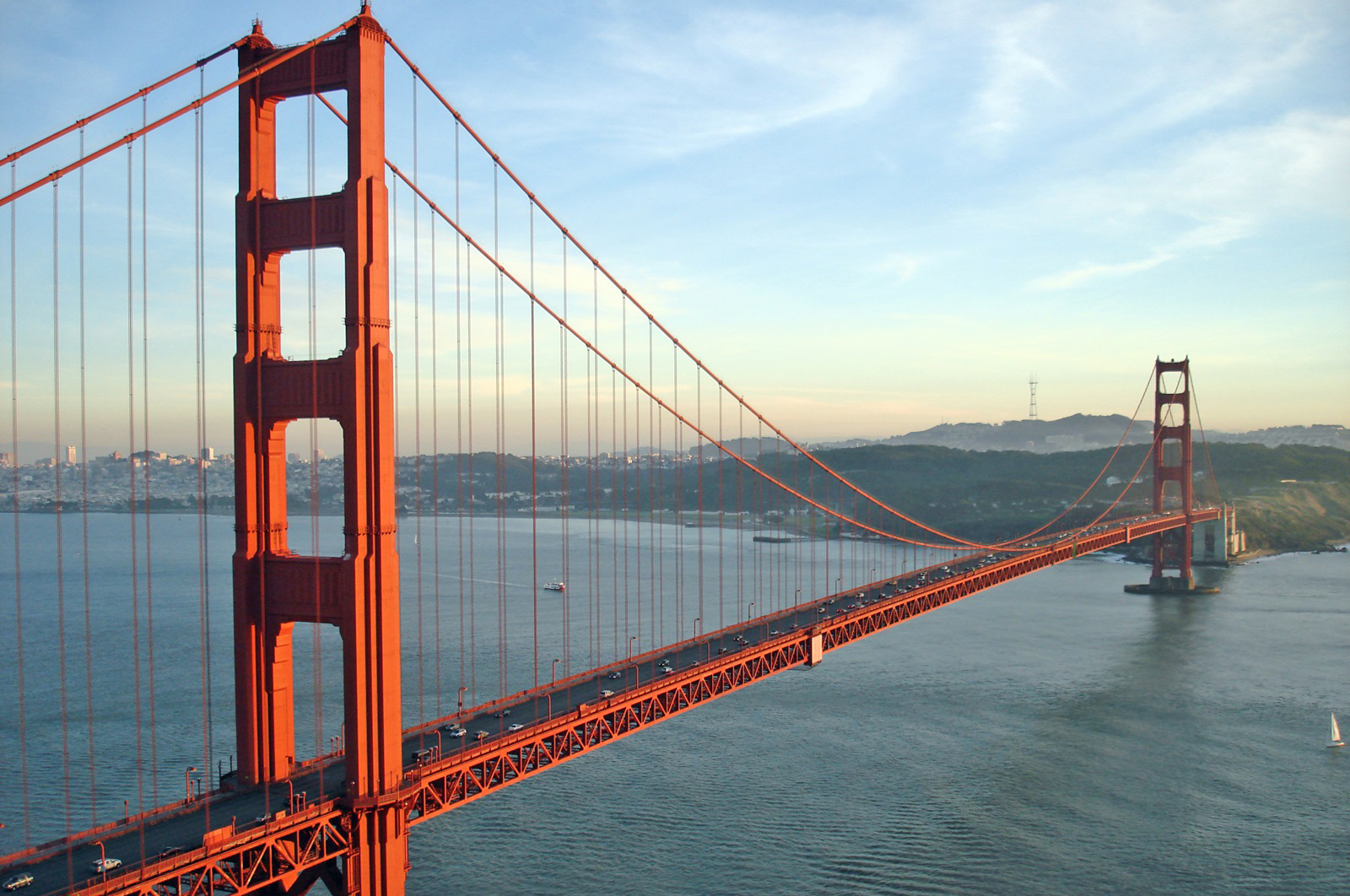 An undisputed global icon, the Golden Gate Bridge links San Francisco with Marin County in California. As the most recognisable suspension bridge worldwide, it also holds the distinction of being the oldest on this list. Construction commenced in 1933, replacing a vital ferry service, and was completed in 1937. A staggering 1.2 million rivets were used in its construction, and its distinctive hue, known as International Orange, is meticulously maintained by a dedicated team of 38 painters to combat corrosion from the region's pervasive fog. The bridge's deck underwent a significant replacement between 1982 and 1986 due to salt damage to the concrete.
19. Verrazzano-Narrows Bridge, USA – 1298 metres (4258ft)
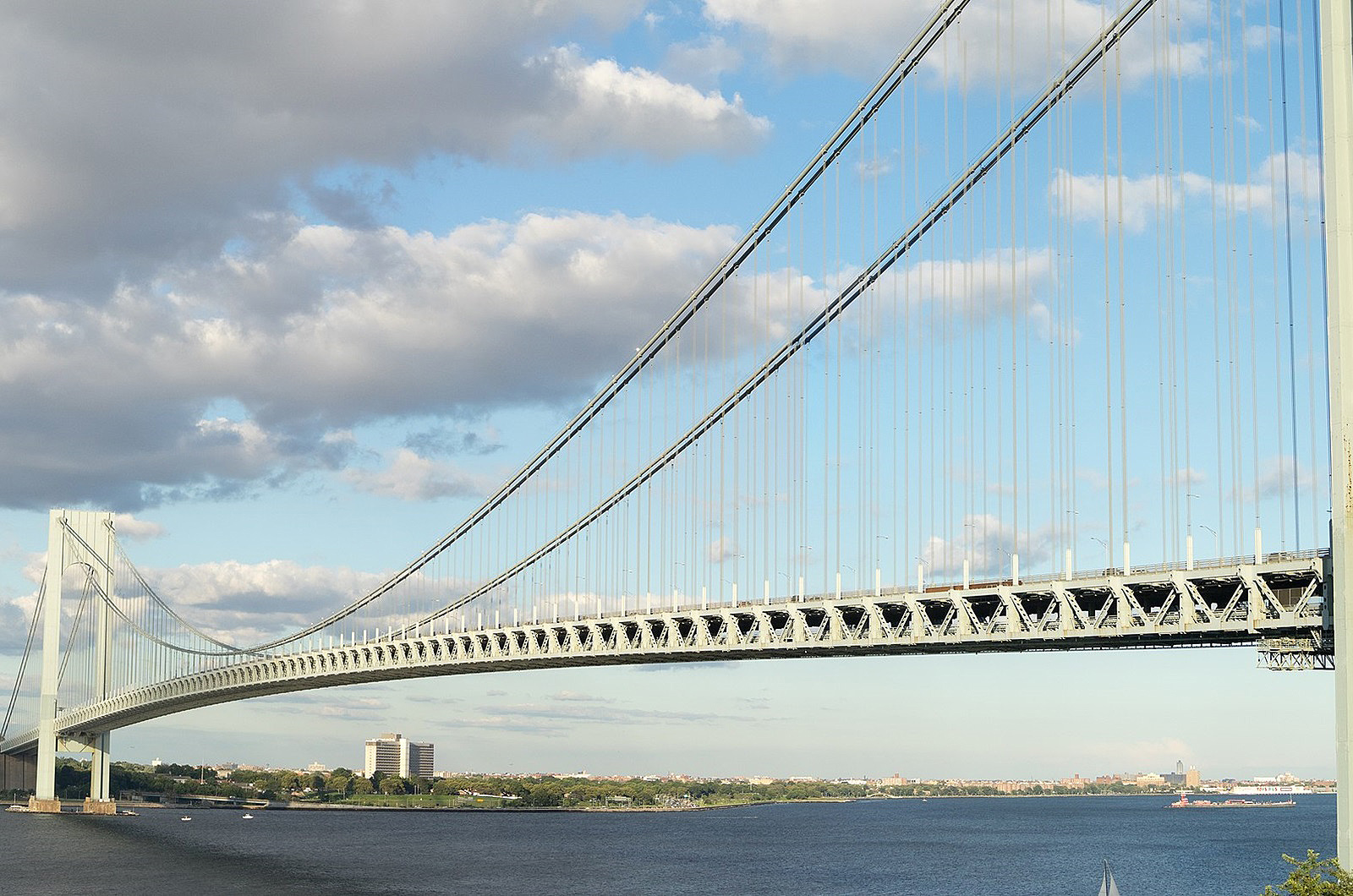 Spanning the Narrows, a strait separating Staten Island and Brooklyn in New York, the Verrazzano-Narrows Bridge began construction in 1959 and was completed five years later. This initial phase encompassed the upper level, with a second, lower deck added later to significantly increase traffic capacity. Today, this colossal structure carries approximately 202,000 vehicles daily and reaches a maximum height of 211 metres above the harbour. Interestingly, the bridge was originally spelled "Verrazano" and was officially corrected to "Verrazzano" in 2016.
18. Hardanger Bridge, Norway – 1310 metres (4297ft)
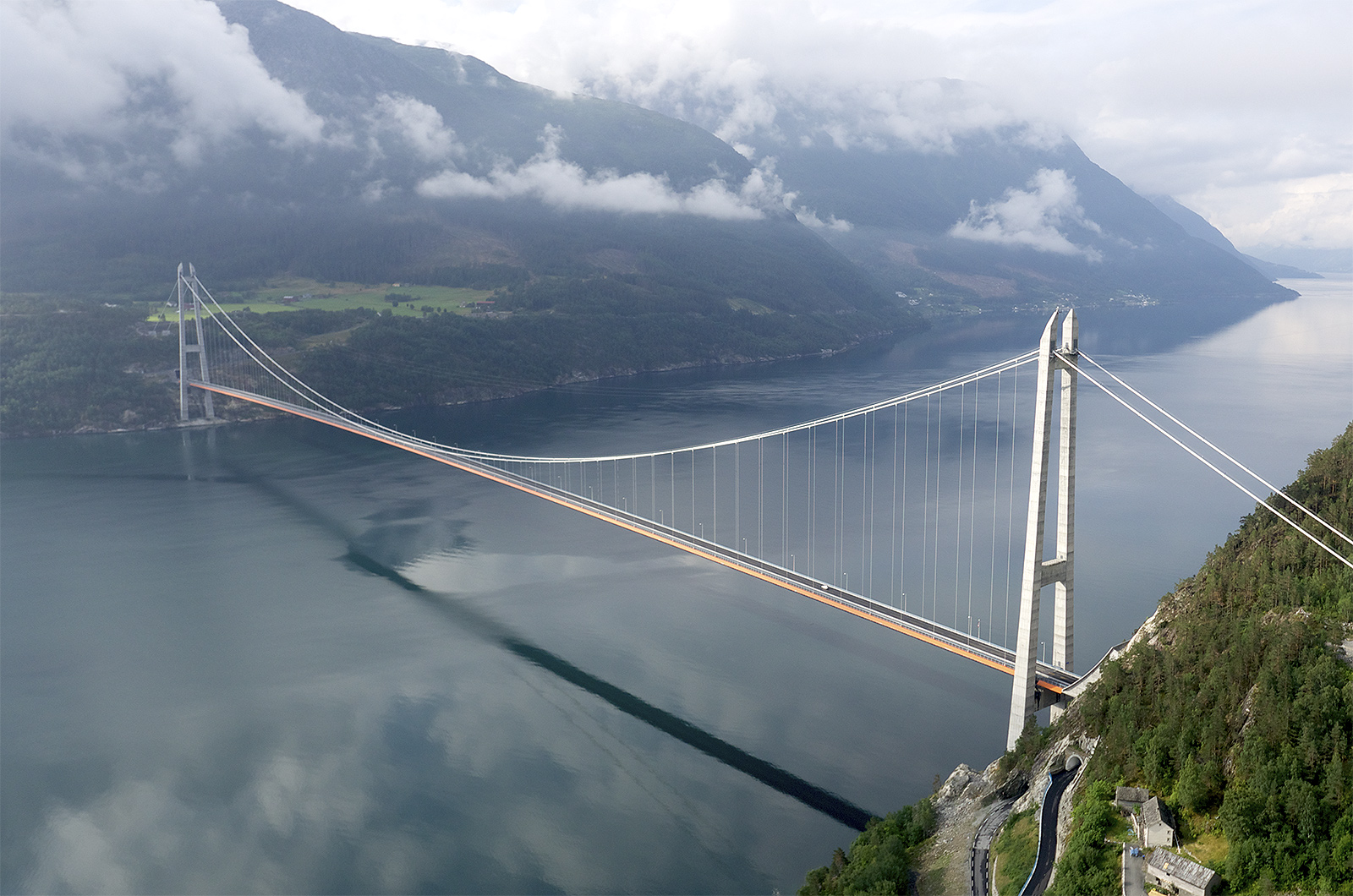 Set against the breathtaking backdrop of Norway's Hardanger Fjord, the Hardanger Bridge is not only one of the longest but also one of the most dramatically situated suspension bridges globally. Soaring up to 55 metres above the water, it connects the communities of Ullensvang and Ulvik, which were previously served by a ferry. Completed in 2013 after a four-year construction period, the bridge is financed through tolls. It features two lanes for vehicular traffic, one in each direction, alongside a dedicated lane for cyclists and pedestrians.
17. Tsing Ma Bridge, Hong Kong – 1377 metres (4517ft)
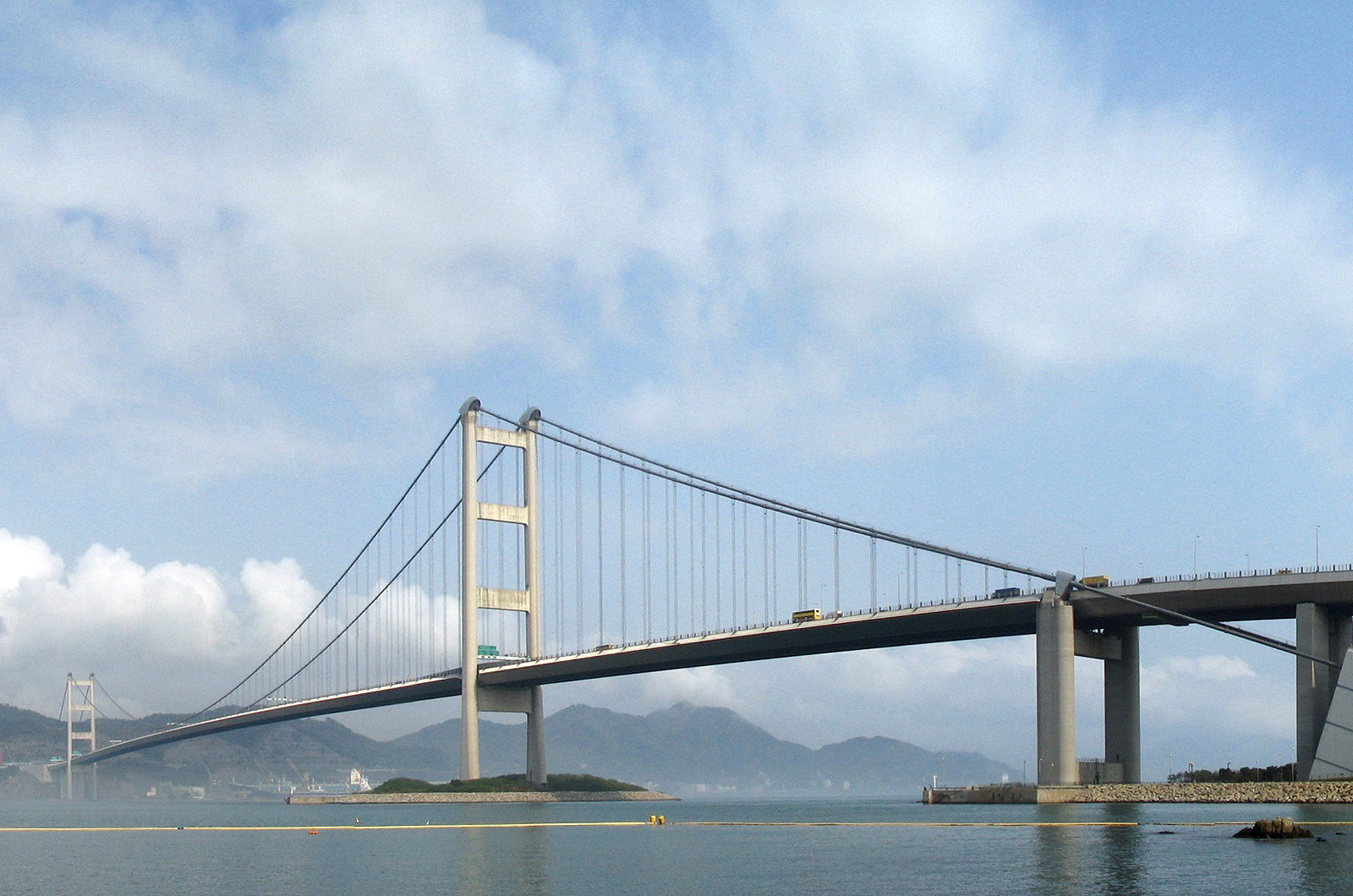 Upon its completion in 1997, the Tsing Ma Bridge in Hong Kong held the title of the second-longest suspension bridge in the world. Its current standing at 17th place is a testament to the rapid proliferation of such structures since its construction. Designed by an Anglo-Japanese consortium, it links the islands of Tsing Yi and Ma Wan. Uniquely, the Tsing Ma Bridge accommodates both road and rail traffic on its double-deck structure, which is 41 metres wide. The lower deck is dedicated to two railway lines. The bridge's construction cost HK$7.2 billion, and its opening was attended by over 100,000 spectators. It now serves approximately 90,000 commuters daily.
16. Jiangyin Bridge, China – 1385 metres (4544ft)
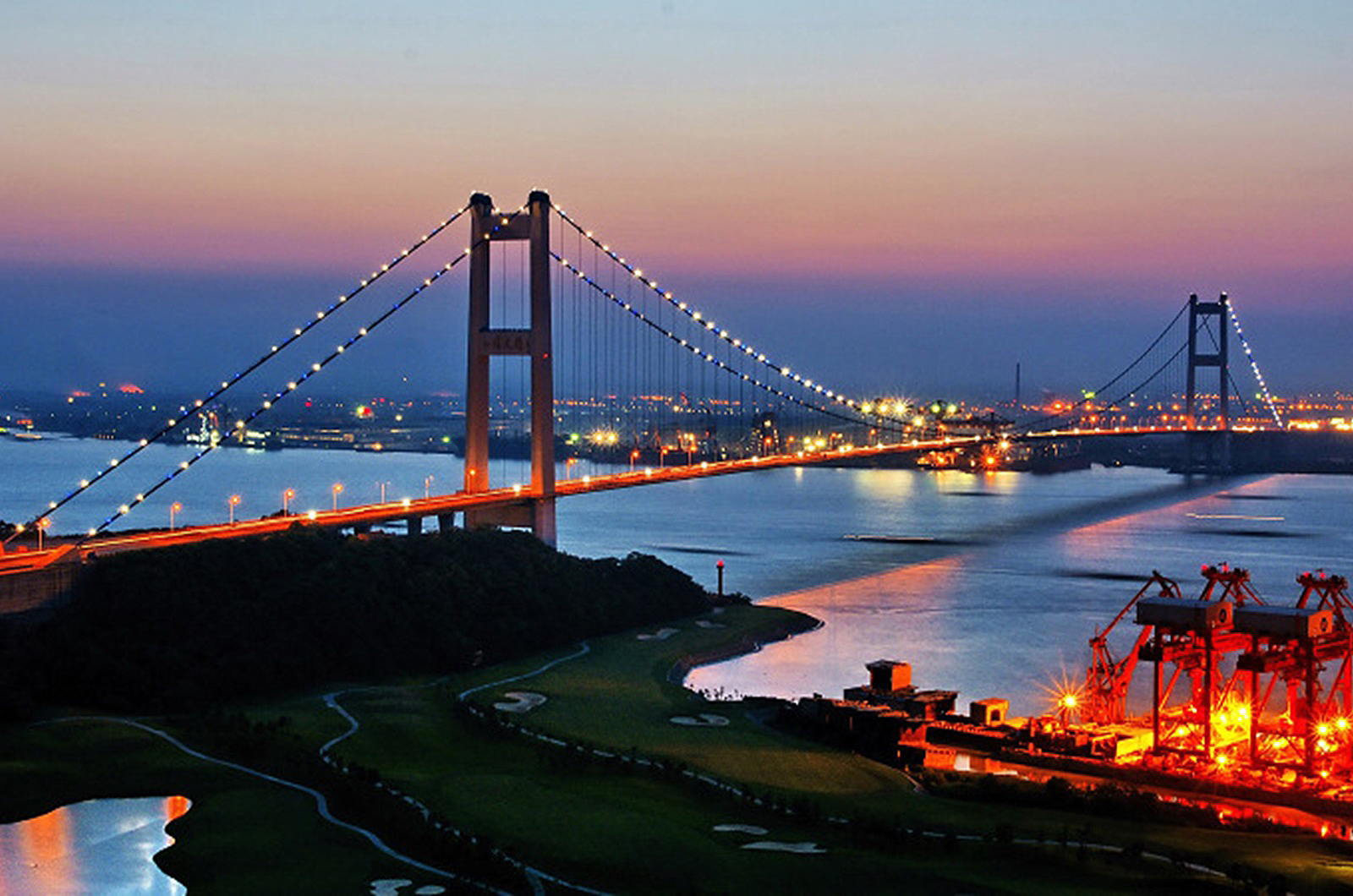 When it was finished, the Jiangyin Bridge marked the furthest downstream crossing of the formidable Yangtze River. Although now surpassed by other crossings, it remains a striking engineering feat. Its construction was strategically timed to coincide with the 50th anniversary of the Chinese Revolution in 1997, although it opened to traffic two years later. The Cleveland Bridge and Engineering Company employed pre-fabricated, streamlined box girders to ensure the bridge could withstand adverse weather conditions during its remarkably swift three-year construction between 1994 and 1997.
15. Jin’an Bridge, China – 1386 metres (4547ft)
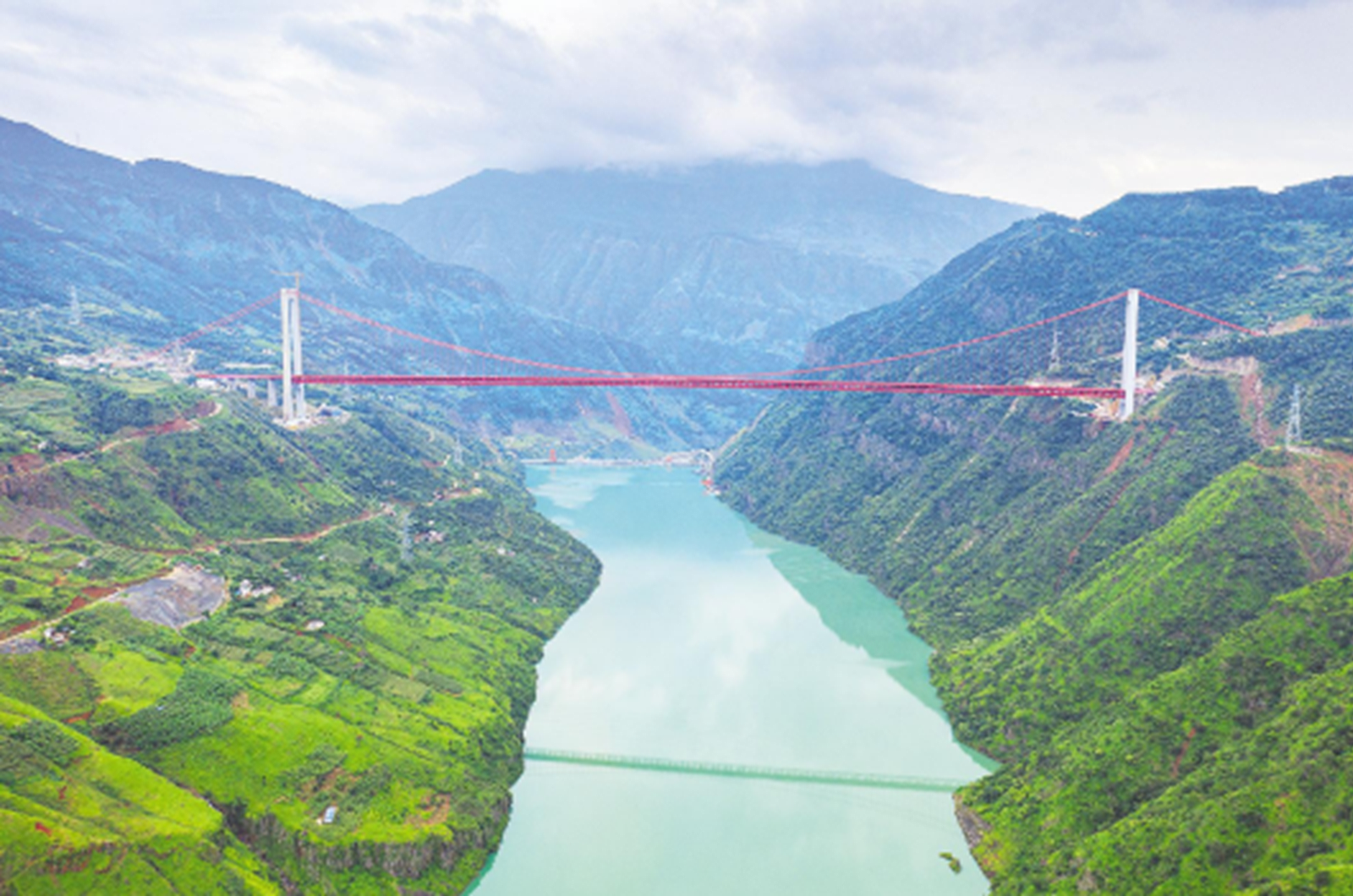 While not in the top 10 for length, the Jin’an Bridge ranks among the highest suspension bridges, with its columns reaching a maximum height of 230 metres from the water level. Commissioned to ease traffic congestion on an existing bridge over the Jinsha River, construction began in 2016 and concluded in 2020, with the bridge opening on New Year's Eve. An earlier proposal for a taller bridge with a shorter span was abandoned to ensure sufficient traffic capacity and alleviate pressure on other crossings.
14. Yavuz Sultan Selim Bridge, Turkey – 1408 metres (4619ft)
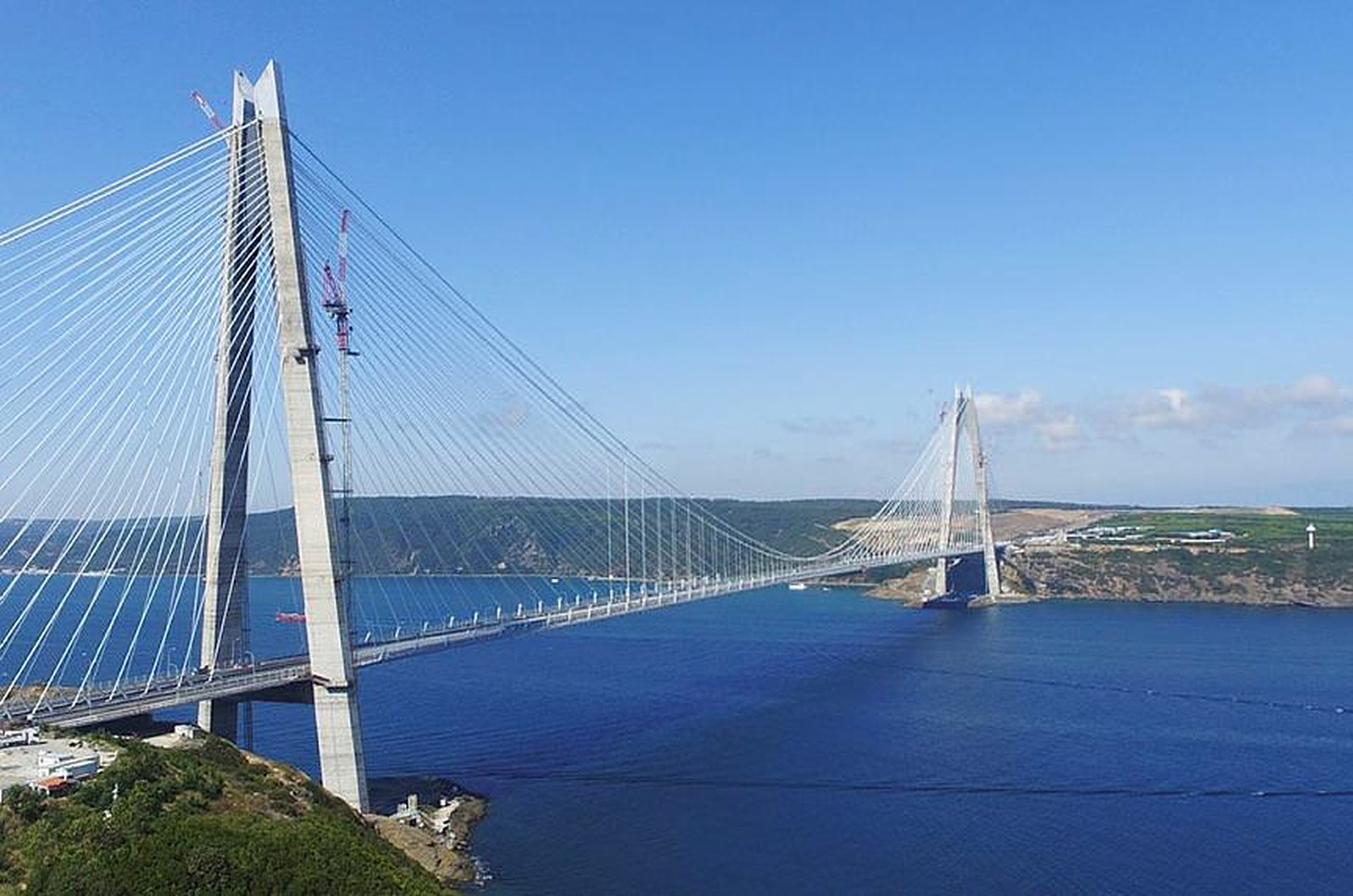 One of four bridges in Istanbul connecting the continents of Asia and Europe, the Yavuz Sultan Selim Bridge is situated further north and carries road traffic across the Bosphorus Strait. Construction began in 2013 and was completed in 2016 at an initial cost of 4.5 billion Turkish Lira, considered a remarkable bargain for a modern suspension bridge. However, further funding was subsequently required. The bridge was designed by Swedish engineer Jean-Francois Klein and French structural engineer Michel Virlogeux.
13. Humber Bridge, UK – 1410 metres (4626ft)
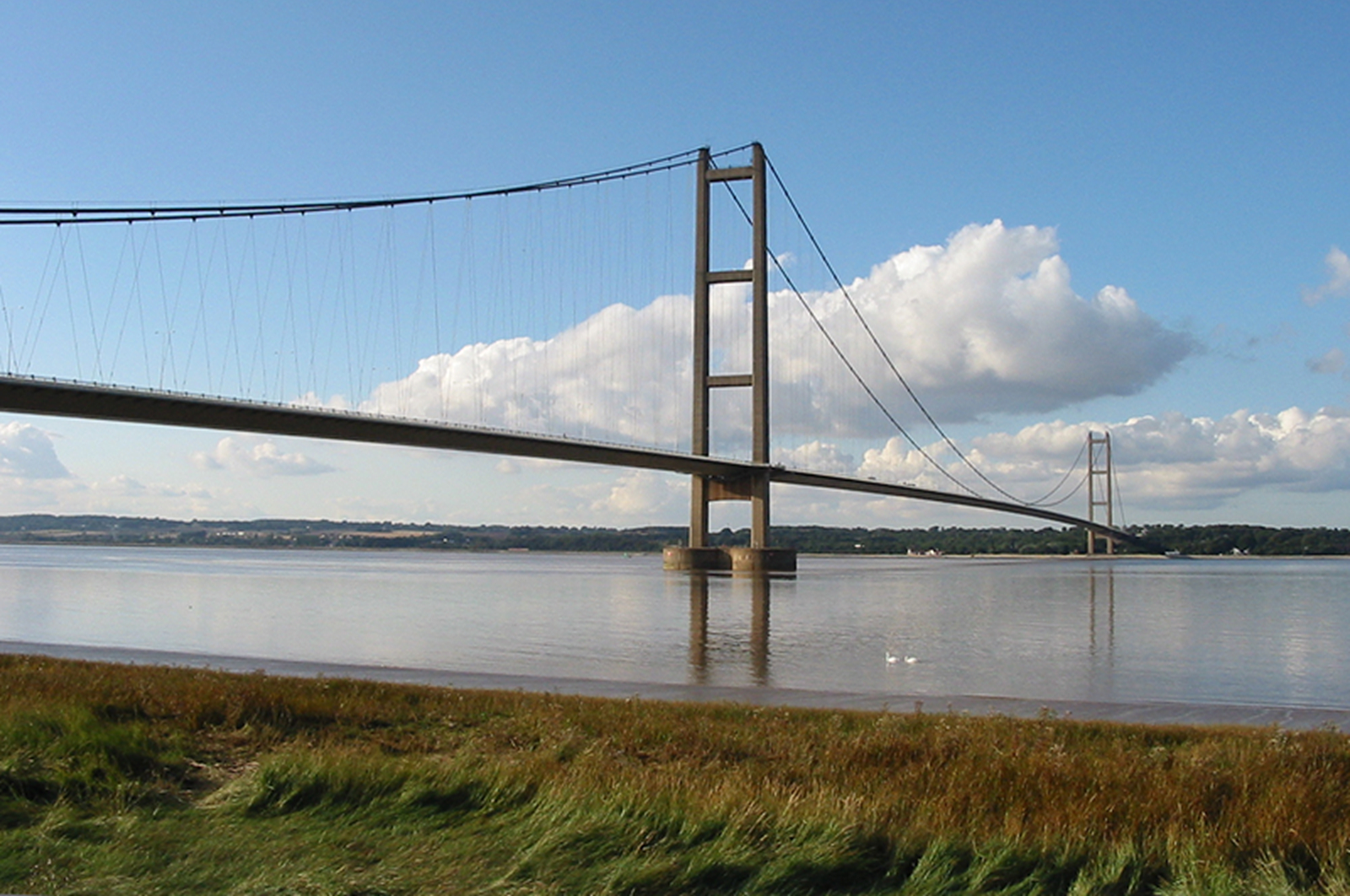 The United Kingdom's sole representative on this list, the Humber Bridge spans the Humber Estuary, connecting Barton-upon-Humber to Hessle. Opened in 1981 after a construction cost of £98 million, it now handles approximately 33,000 vehicles daily across its two carriageways. A toll is required for its use, making it the most expensive bridge in the UK. Plans for a bridge at this location date back to 1930, but serious design and construction efforts only began in 1972, with the bridge opening in 1981. Upon its inauguration, it held the record for the world's longest single-span suspension bridge for 17 years until the Akashi Kaikyo Bridge in Japan was built.
12. Nanjing Qixiashan Yangtze River Bridge, China – 1418 metres (4652ft)
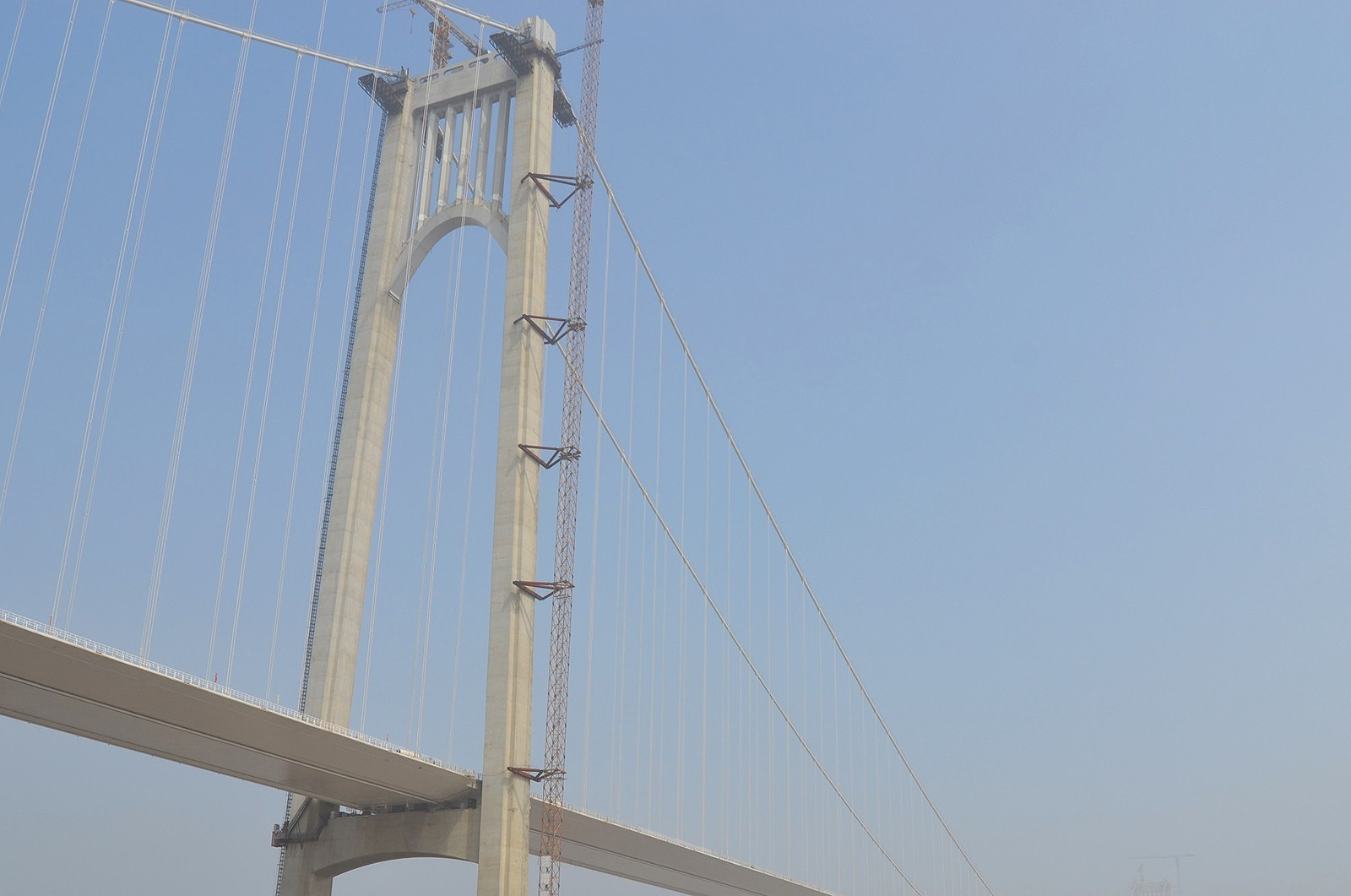 Formerly known as the Nanjing Fourth Yangtze Bridge, this crossing of the Yangtze River was renamed in 2019, though it has been operational since 2012. Built with two carriageways, each featuring six lanes, it was designed to accommodate substantial traffic volumes, with speed limits ranging from 100 to 125 km/h. Before its construction, a ferry service was the primary means of crossing the vast river at this point. The bridge was constructed using pre-fabricated steel sections, each 16 metres long, with engineered gaps to allow for seismic movement.
11. Second Dongting Bridge, China – 1480 metres (4855ft)
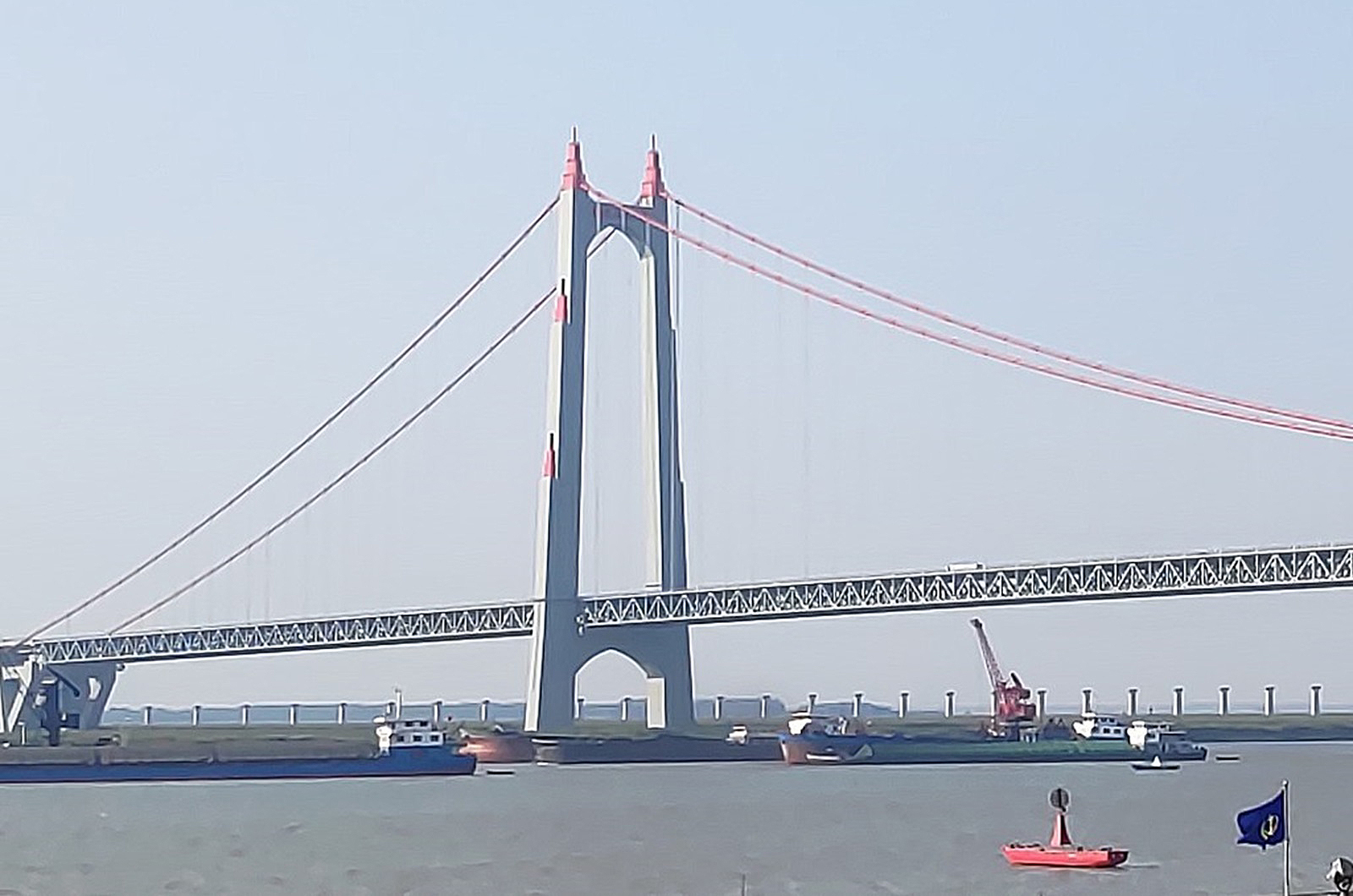 Like many suspension bridges, the Second Dongting Bridge features two prominent pylons that serve as the main anchor points. The immense span of the river, the height of the roadway, and the potential for seismic activity necessitated exceptionally stable anchorage points. Each pylon base weighs a substantial 630,000 tonnes, with the pylons themselves soaring 200 metres above the river. This complex engineering project was completed in 2018, facilitating swift and convenient passage across China's second-largest lake.
10. Runyang Bridge, China – 1490 metres (4888ft)
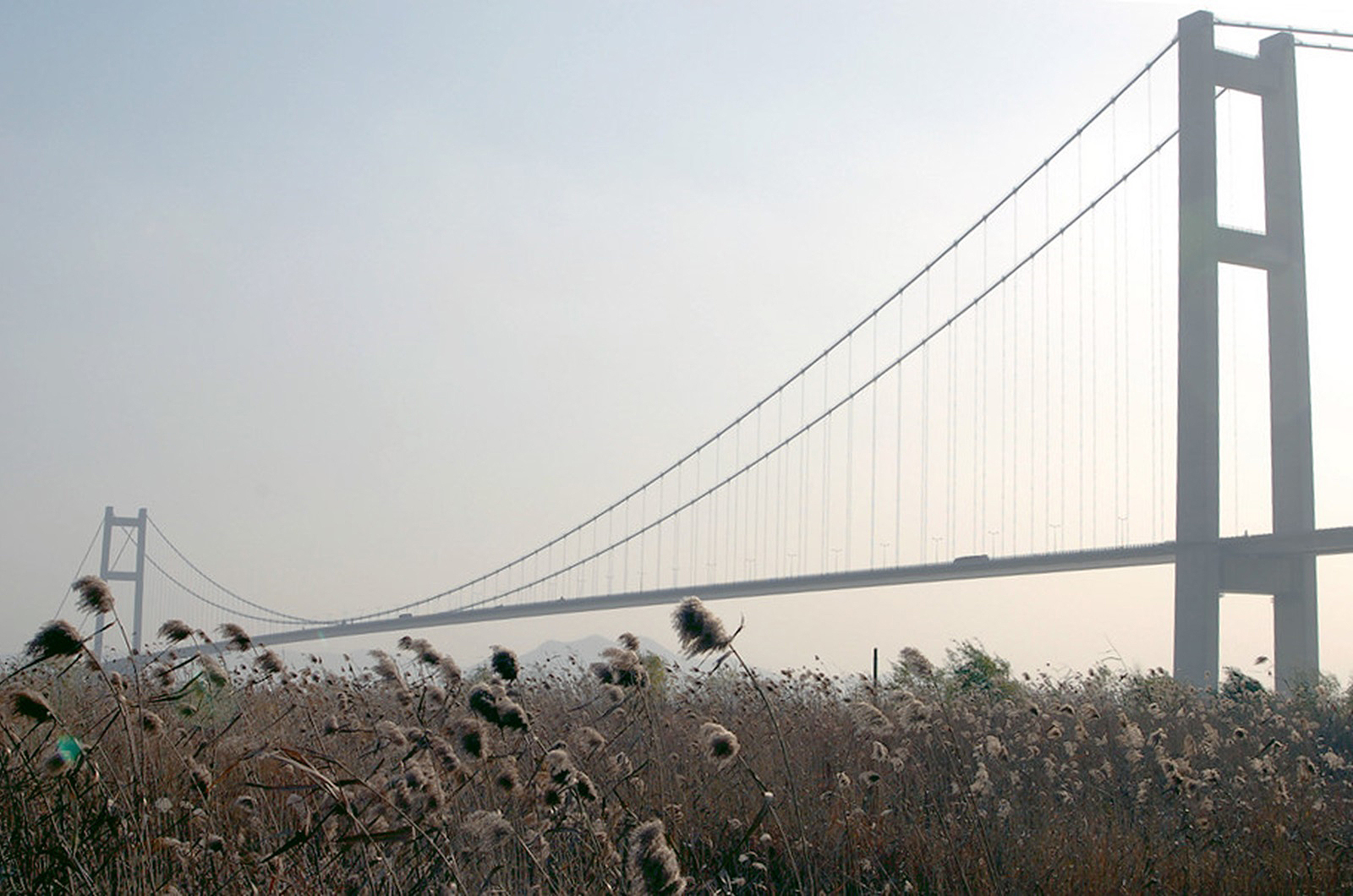 The Runyang Bridge is a suspension bridge that crosses the Yangtze River. It is important to distinguish it from a nearby cable-stayed bridge. The suspension bridge, which opened in 2005, was the third-longest of its kind at the time of its completion and remains an extraordinary feat of engineering. Employing an orthotropic construction method, the bridge achieves a balance of lightness and strength, crucial for its considerable length and height. Its main towers stand 215 metres above the water, with the roadway positioned 50 metres above the surface. The bridge boasts two carriageways, each with six lanes, capable of handling over 100,000 vehicle crossings daily.
9. Yi Sun-sin Bridge, South Korea – 1545 metres (5068ft)
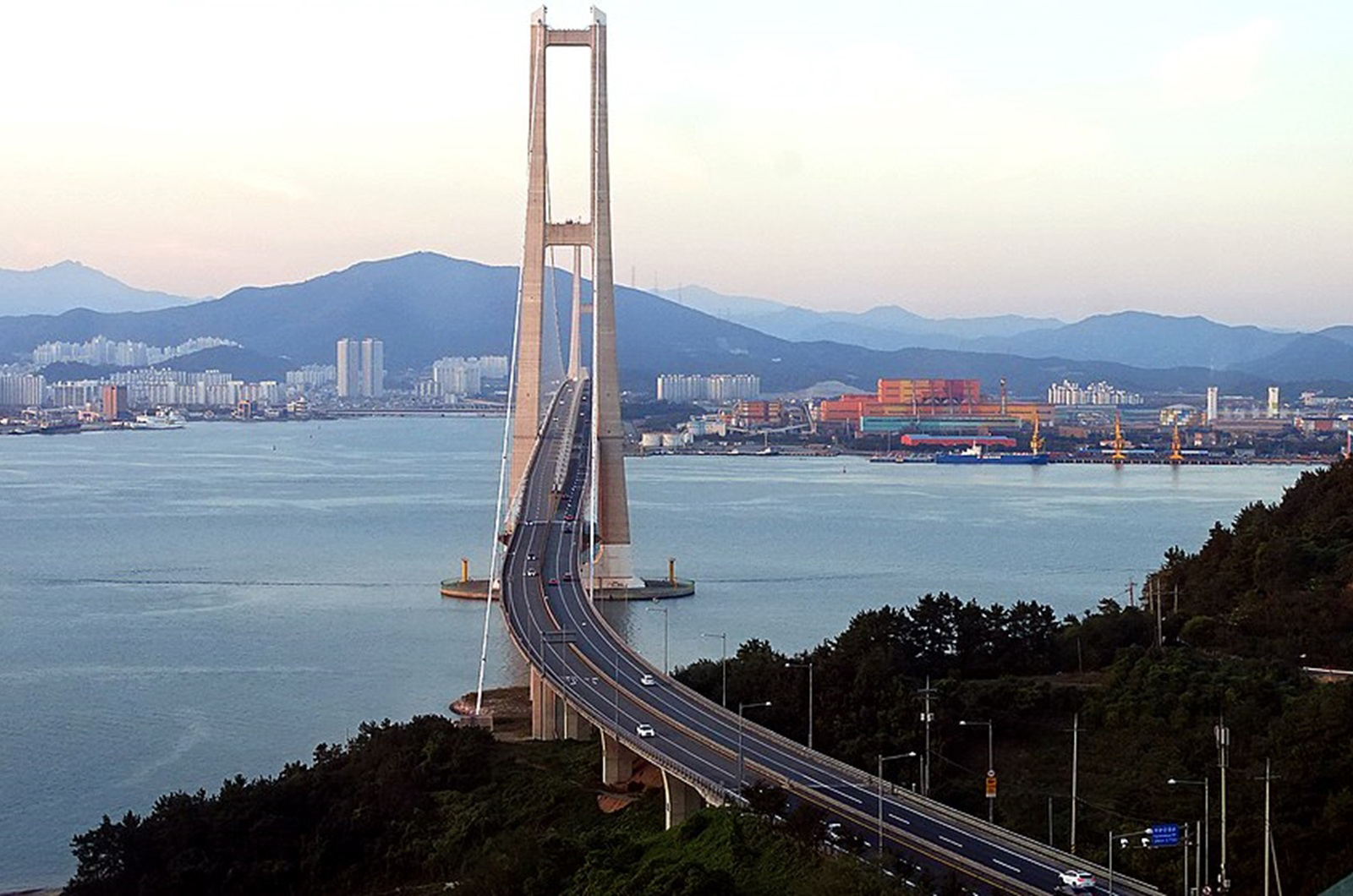 Part of a larger network of bridges connecting the industrial area of Yeosu, South Korea, the Yi Sun-sin Bridge is named after the renowned 16th-century Korean admiral. Its two main pylons are notably slender for a bridge of its size, reaching an impressive 270 metres into the sky above the South Sea. Connecting Gwangyang and the island of Myodo-dong, the bridge received the Outstanding Structure Award in 2013, a year after its opening in 2012, following a five-year construction period.
8. Osman Gazi Bridge, Turkey – 1550 metres (5085ft)
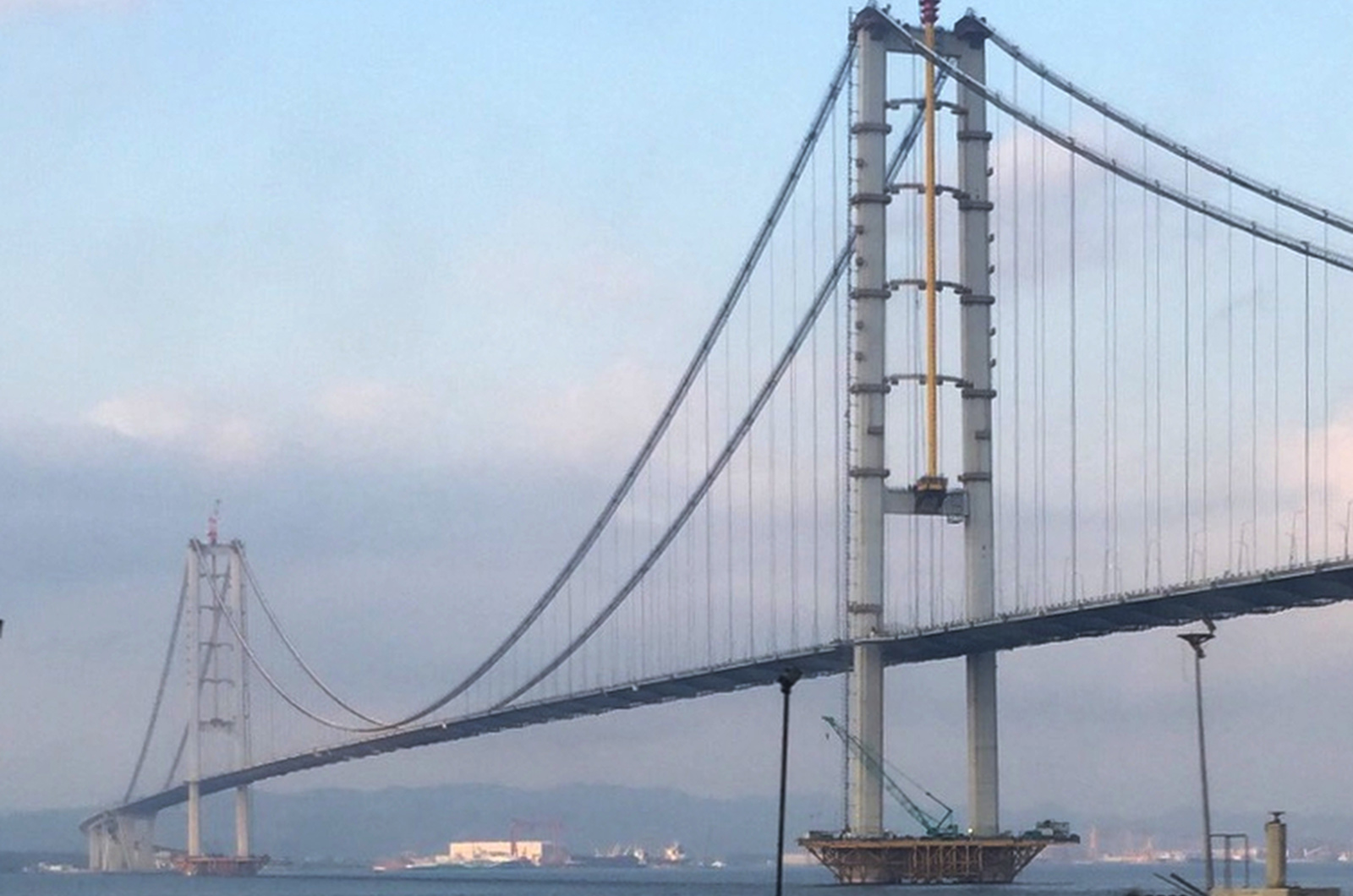 Spanning the Gulf of Izmit at its narrowest point, the Osman Gazi Bridge is a vital artery for the O-5 motorway, linking Gebze and Yalova Province. Construction commenced in 2013 and was completed in 2016, making its three-year build one of the most rapid in recent times. It opened to traffic just one month after completion, with a cost of 41 billion Turkish Lira. The bridge operates on a toll system and carries up to 6,000 vehicles per day. Its construction significantly reduces travel time, eliminating a 100-mile detour around the bay.
7. Great Belt Bridge, Denmark – 1624 metres (5328ft)
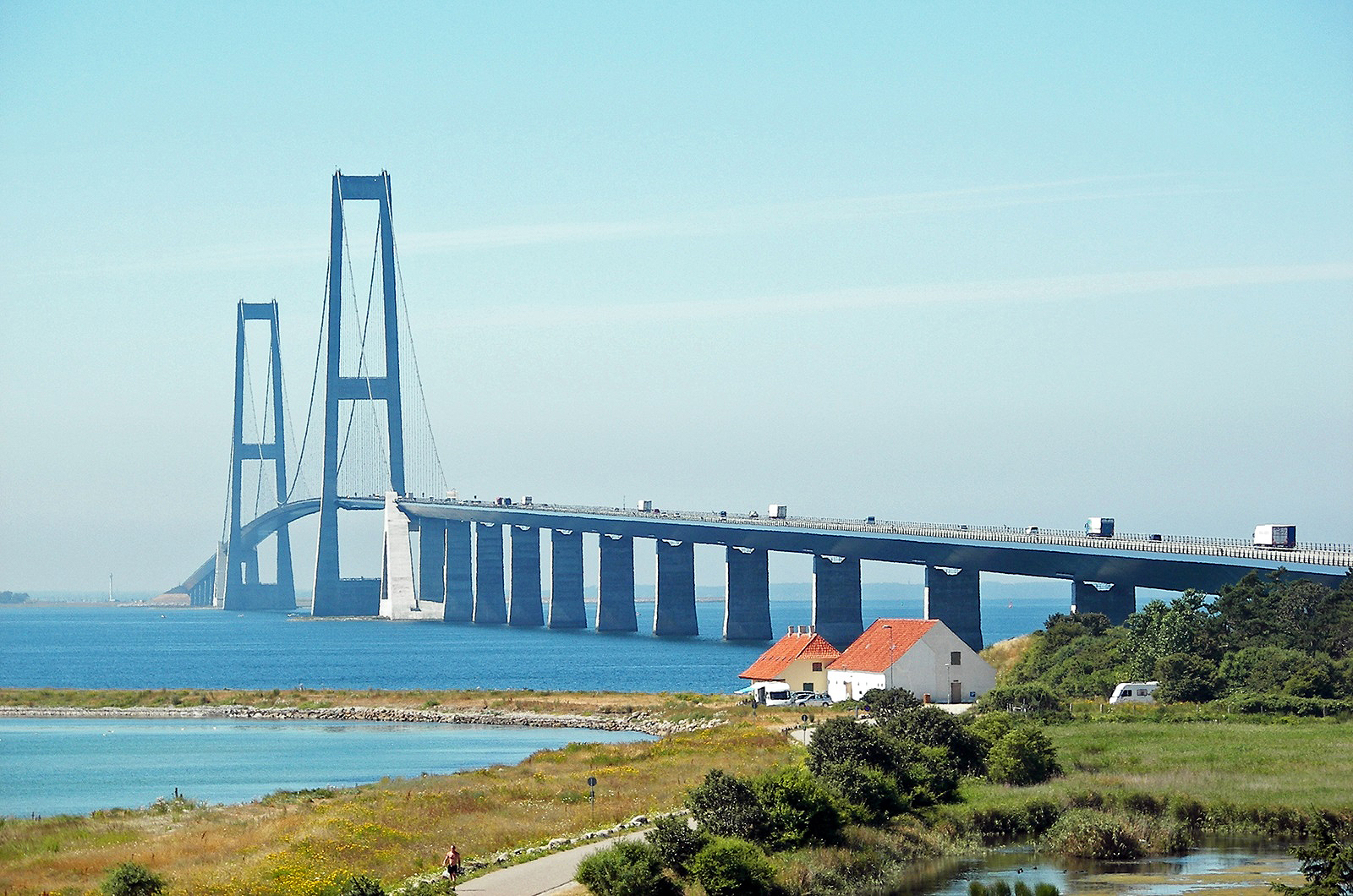 Renowned for its aesthetic appeal, the Great Belt Bridge in Denmark connects the islands of Zealand and Funen across the Great Belt Straits. Construction began in 1991 and concluded in 1998, accommodating both road and rail traffic. While other bridges in the Great Belt project have longer overall lengths, the Great Belt Bridge boasts the longest suspension span. Plans for a bridge at this location date back to 1973, aiming to improve travel times compared to the existing ferry service.
6. Xihoumen Bridge, China – 1650 metres (5414ft)
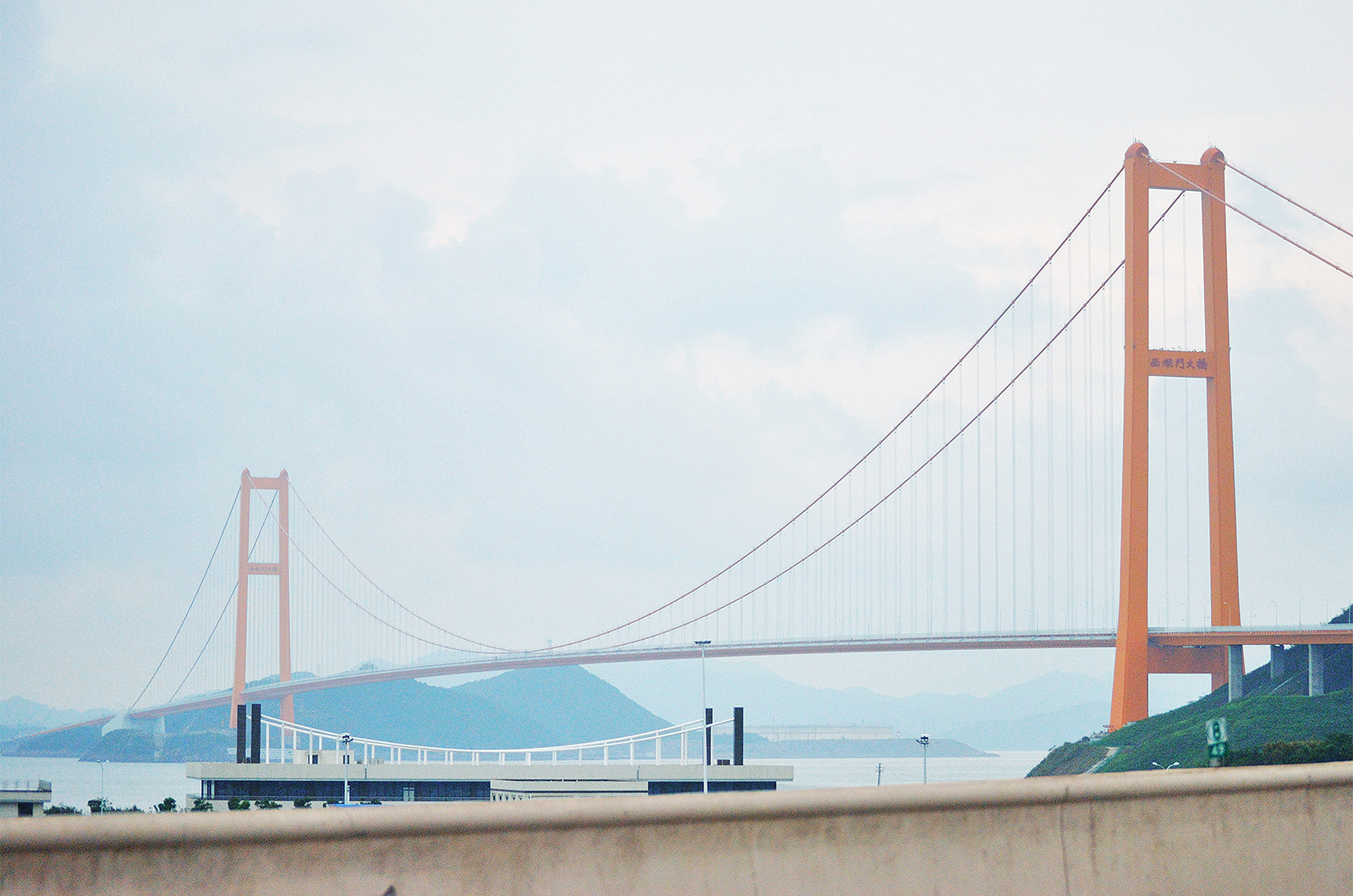
As part of a complex system of five bridges forming the Yongzhou Expressway, the Xihoumen Bridge exemplifies the engineering required to navigate China's largest offshore island group, the Zhoushan Archipelago. Its impressive 1650-metre span and 211-metre-high support pylons are designed to allow large ships to pass beneath. Linking the islands of Jintang and Cezi, the bridge was completed in 2007 but its opening to traffic was delayed until 2009 due to a ship collision shortly after its completion, necessitating repairs and safety checks.
5. Shenzhen-Zhongshan Bridge, China – 1666 metres (5466ft)
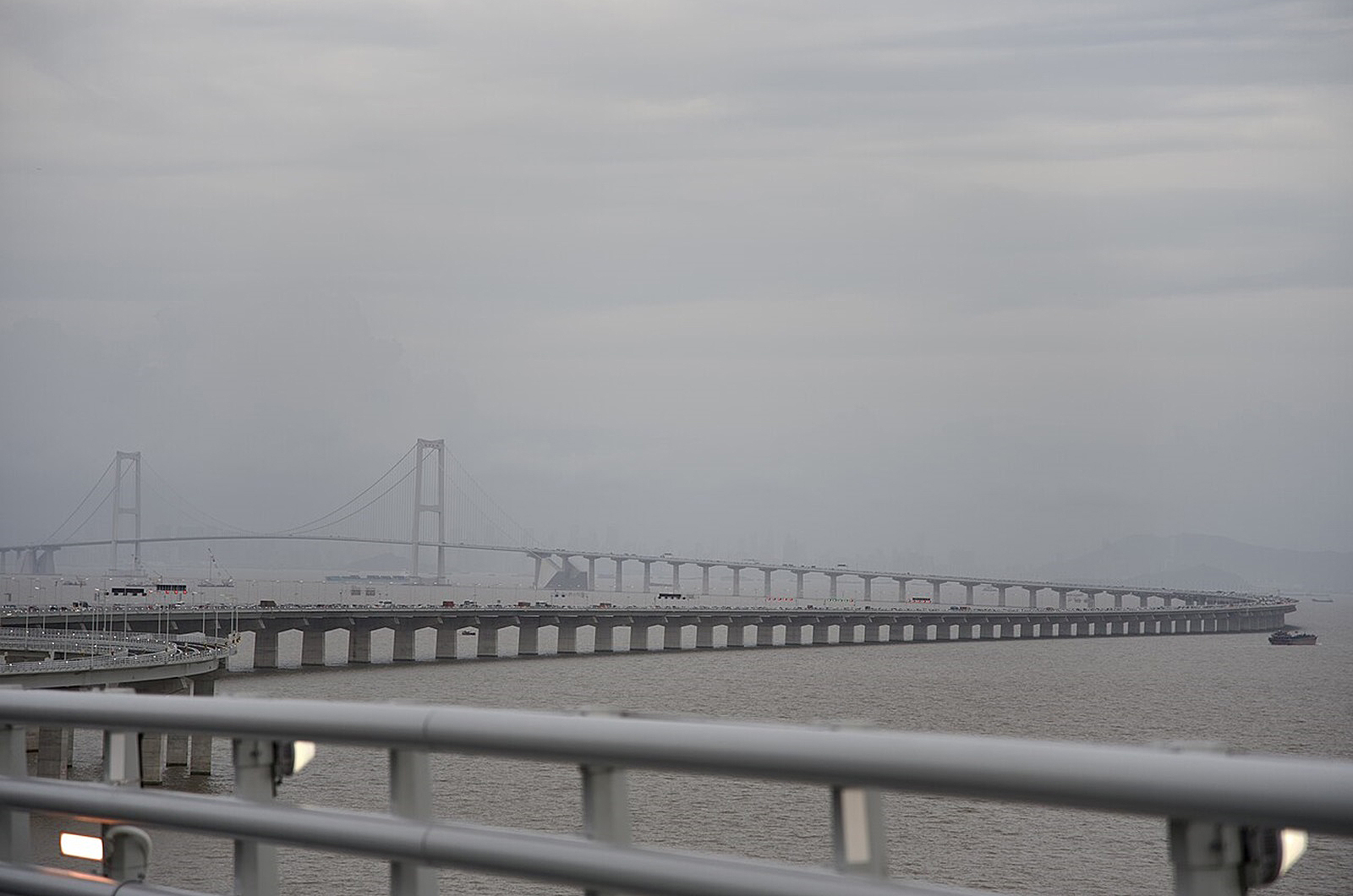
The Shenzhen-Zhongshan Bridge is a component of a much larger infrastructure project connecting Shenzhen in the east and Zhongshan in the west, which also includes tunnels and roadways. Becoming part of this system in 2024, its seven-year construction period and an estimated cost of £3.8 billion ($4.75 billion) mark it as one of China's most expensive infrastructure undertakings. Spanning the Pearl River Estuary, the bridge's development, first proposed in 2008, finally received approval in 2011. It now handles 100,000 vehicles daily, experiencing initial traffic surges as drivers flocked to experience the new crossing.
4. Nansha Bridge, China – 1688 metres (5538ft)
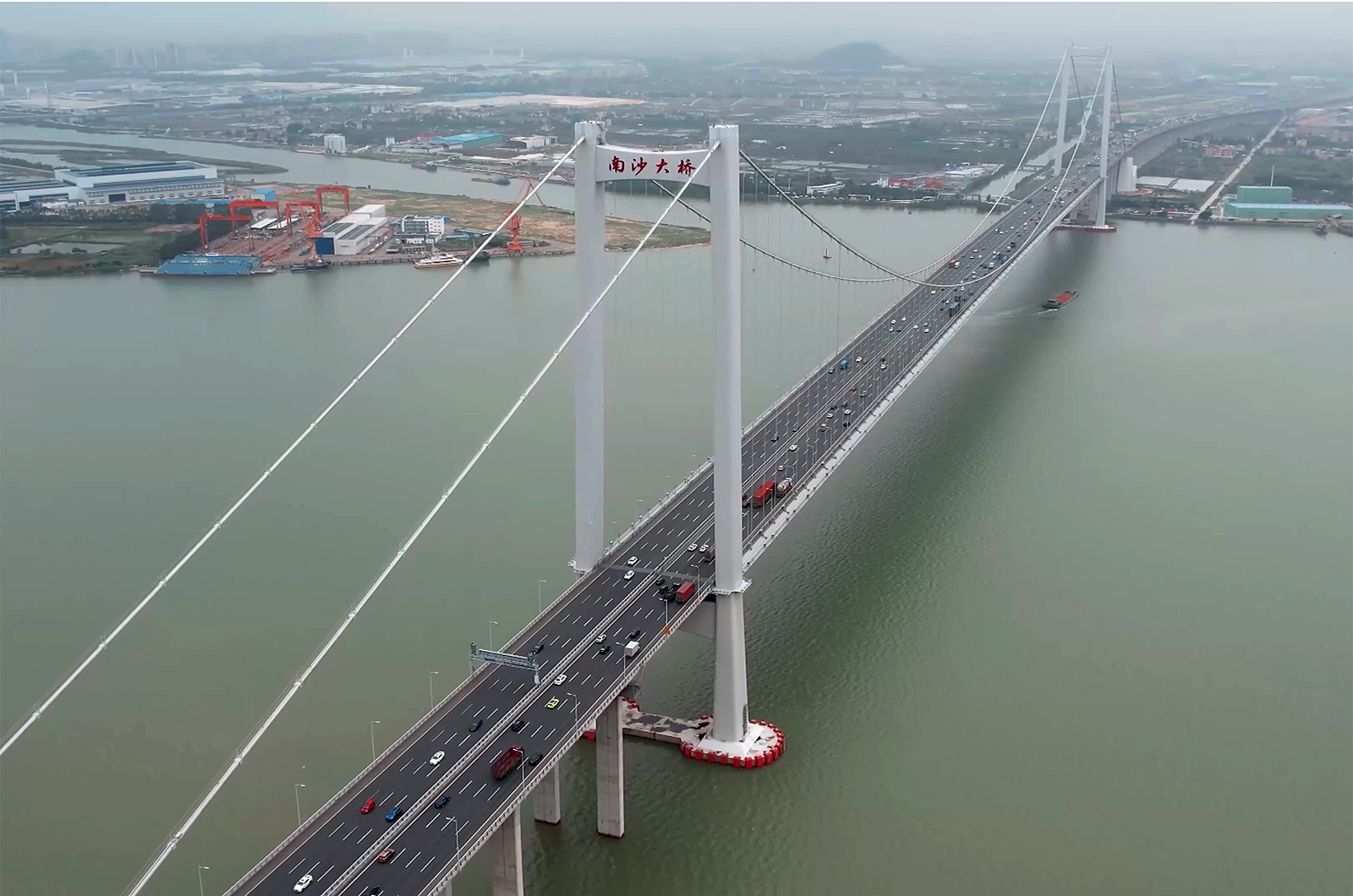 Another significant crossing over the Pearl River, the Nansha Bridge, named after the Nansha District in Guangzhou, connects it with Shatian Town. Originally intended to be named the Humen Second Bridge, the name was changed during its construction between 2013 and 2019. It opened to traffic in the same year as its completion, now carrying over 50,000 vehicles daily. The bridge features two carriageways, each with four lanes, and its total construction cost was CN¥12 billion (£1.3 billion/US$1.63 billion).
3. Yangsigang Yangtze River Bridge, China – 1700 metres (5577ft)
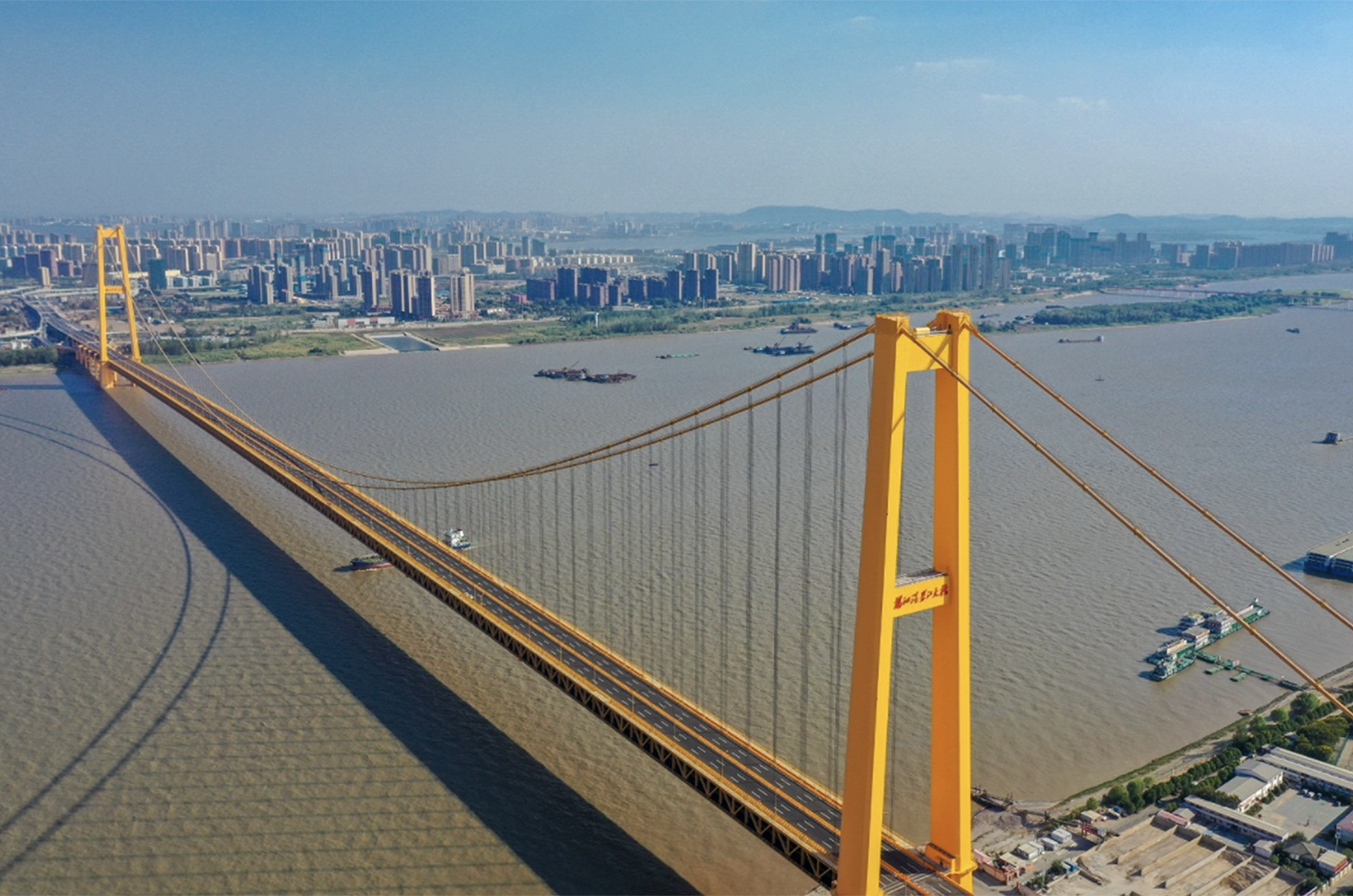 While holding the third-longest suspension bridge title globally, the Yangsigang Yangtze River Bridge is the longest bridge in China. It also holds the distinction of being the world's longest double-decker bridge, accommodating vehicles, bicycles, and pedestrians on its two levels. Linking Hanyang and Wuchang in Hubei province, the upper deck features six lanes for vehicular traffic, with an additional four lanes on the lower deck. This complex design, completed between 2015 and 2019, makes it one of the busiest suspension bridges, frequently seeing over 100,000 vehicles daily. It opened to traffic a month after its completion, with a total cost of CN¥8.5 billion (£920 million).
2. Akashi Kaiko Bridge, Japan – 1991 metres (6532ft)
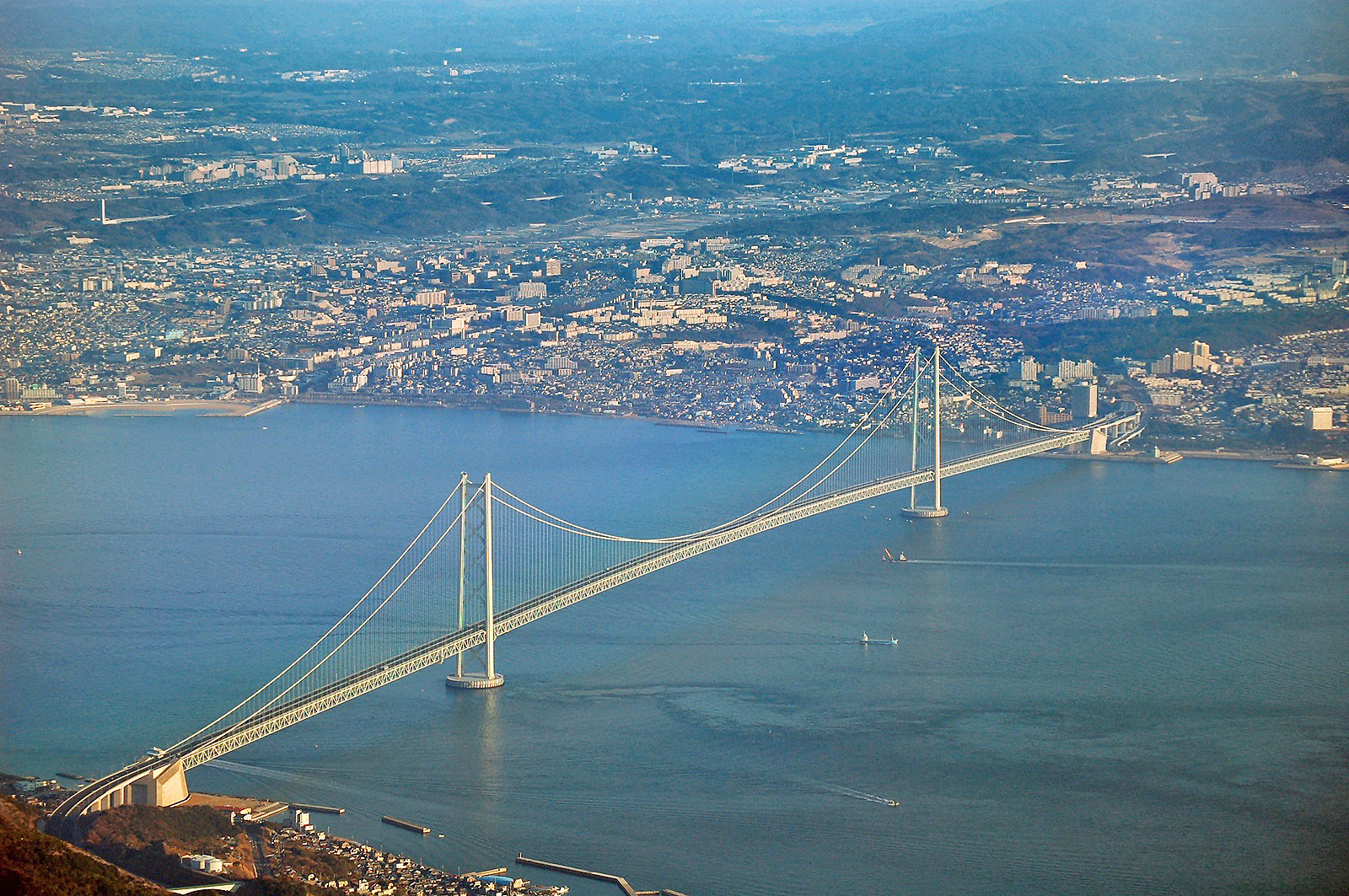 While China boasts numerous entries among the world's longest suspension bridges, Japan claimed the overall title in 1998 with the Akashi Kaiko Bridge. It held this distinction until the opening of the Çanakkale Bridge in Turkey in 2022. Construction began in 1988 and took a decade to complete, finishing in 1996 and opening for service in 1998. The extended build time was partly due to a mid-construction redesign to enhance the strength of the pylon towers following a 1995 earthquake that caused slight movement. Spanning the Akashi Strait, it connects Kobe on Honshu Island with Iwaya on Awaji Island and is part of a larger island-connecting bridge network. Initial proposals envisioned it carrying both road and rail traffic, but it now exclusively handles vehicular traffic on two carriageways, each with three lanes.
1. 1915 Çanakkale Bridge, Turkey – 2023 metres (6637ft)
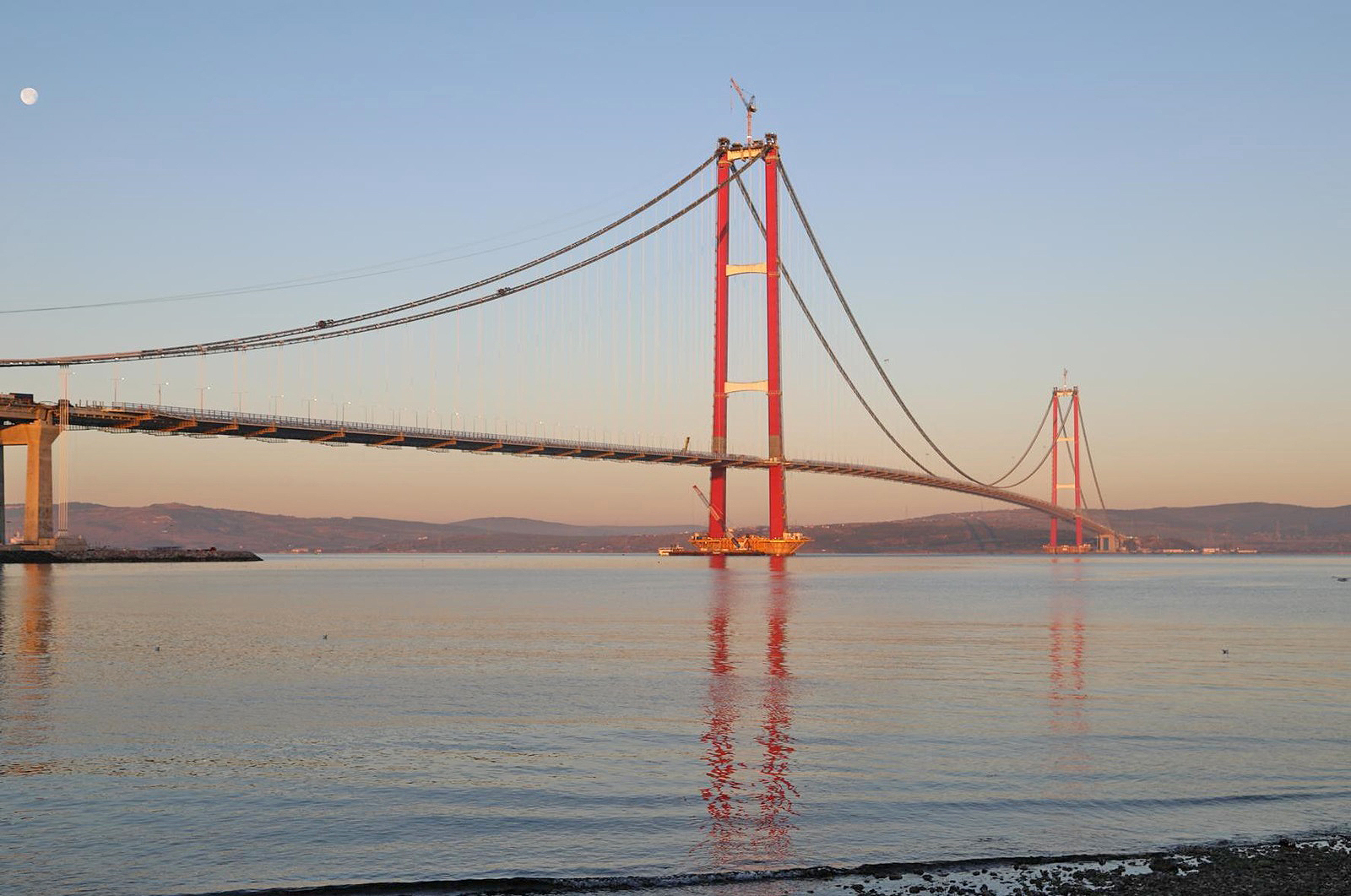
The "1915" in the name of the 1915 Çanakkale Bridge commemorates the Ottoman victory at Gallipoli during World War I, not the year of its construction. This groundbreaking structure is the first fixed crossing of the Dardanelles and has earned the title of the world's longest suspension bridge. Completed in 2022 after five years of construction, it cost €2.5 billion (£2.1 billion/$2.63 billion). Reaching a height of 334 metres from sea level at its tallest point on the pylon towers, it is the tallest bridge in Turkiye and the second tallest globally. The bridge features two carriageways, each with three lanes for vehicles, and includes pedestrian walkways on either side.


No comments:
Post a Comment