
Georgia House Approves Metro Atlanta Nonpartisan Election Bill
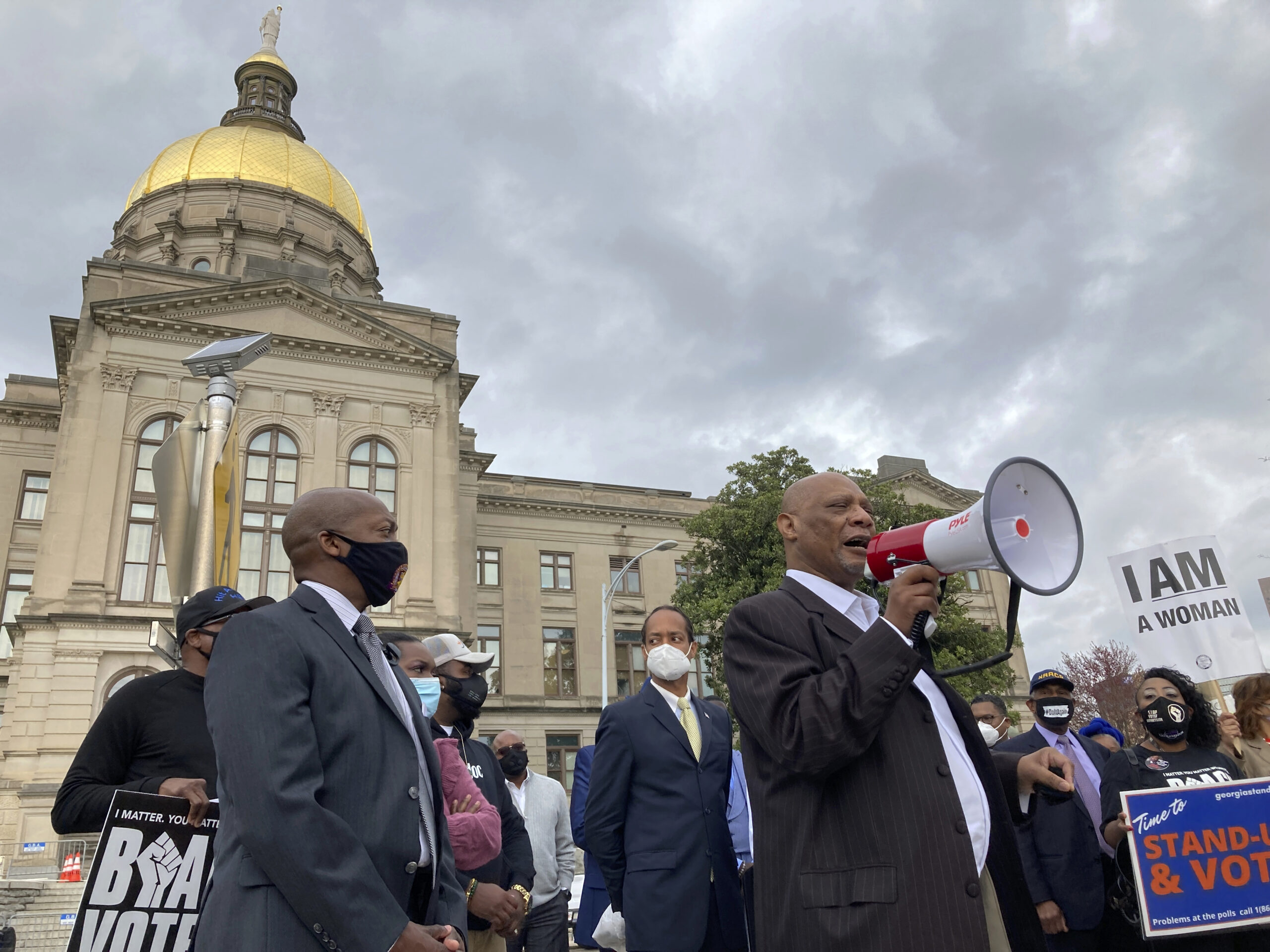
Georgia Lawmakers Advance Bill to Remove Party Labels from Metro Atlanta Elections
The Georgia House of Representatives has given its final approval to a controversial bill, HB 369, which would mandate nonpartisan elections for several key local offices in five of the state's most populous metro Atlanta counties. The measure, spearheaded by Republicans, targets district attorneys, solicitors general, county commissioners, court clerks, and tax commissioners. If signed into law by Governor Brian Kemp, these significant local races would become nonpartisan starting in 2028, affecting counties including Fulton, DeKalb, Gwinnett, Cobb, and Clayton.
Proponents of the bill, such as State Senator John Albers, argue that the change is a necessary step to enhance public safety and move away from what they describe as political maneuvering in local governance. The intention, according to supporters, is to foster an environment where officials are judged on their qualifications and performance rather than their party affiliation.
However, the legislation has ignited a firestorm of criticism, with opponents vehemently arguing that it is an unconstitutional and discriminatory attempt to undermine elected officials in Democratic-leaning counties, many of whom are African American women.
Critics Decry "Blatantly Unconstitutional Attack"
Fulton County District Attorney Fani Willis has been a vocal critic of HB 369, labeling it a "blatantly unconstitutional attack on metro Atlanta voters." In a strong statement, Willis asserted that the bill is motivated by race and by legislators who are frustrated with election outcomes.
"Targeting five metro Atlanta counties that elected African American women as District Attorneys while leaving other areas untouched is discriminatory, hypocritical, and raises serious constitutional concerns," Willis stated. She further criticized the General Assembly for disregarding the bipartisan expertise of the District Attorneys’ Association of Georgia, which has opposed the bill, in favor of "purely partisan political action." Willis concluded with a firm declaration, "We will see the MAGA extremists who passed this legislation in court."
Echoing these sentiments, DeKalb County District Attorney Sherry Boston expressed her dismay, calling the effort to "hide information from Georgia voters" in local elections appalling. She believes the bill is a transparent attempt to seize power from democratically elected Black leaders in the metro area.
"I urge Governor Brian Kemp to veto this unconstitutional legislation," Boston urged. "Otherwise, my colleagues and I are prepared to file a legal challenge."
Legal and Procedural Hurdles Ahead
The District Attorneys’ Association of Georgia has consistently opposed the move to nonpartisan elections for these offices. The association has pointed out that district attorneys function as state judicial branch officers, not county employees. Therefore, altering their partisan status, they argue, would necessitate a statewide constitutional amendment and a vote by the people, a process similar to that used for changing the partisan status of Probate Judges. This legal argument suggests that HB 369 may face significant constitutional challenges based on procedural grounds.
The Scope and Impact of the Legislation
A notable aspect of HB 369 is its focused application on the core metro Atlanta region. While Fulton, DeKalb, and Clayton counties have historically leaned Democratic, Cobb and Gwinnett counties have seen a significant political shift in recent years, moving towards Democratic control since 2016. This targeted approach has led some, even within the Republican party, to question the bill's fairness. Representative Jordan Ridley, for instance, voted against the bill, arguing that if the policy itself were sound, it should be applied statewide rather than singling out specific counties.
The bill's passage through the Georgia House marks a significant development, but its journey is far from over. The legislation now rests on Governor Brian Kemp's desk. His decision will be closely watched, as opponents have already made their intentions clear: if the bill becomes law, legal challenges are imminent. DA Sherry Boston has affirmed that her colleagues are "prepared to file a legal challenge" should the legislation not be vetoed. The coming weeks will determine the fate of partisan labels in some of Georgia's most critical local elections.
Post a Comment for "Georgia House Approves Metro Atlanta Nonpartisan Election Bill"