
'The Matrix' green code was inspired by sushi recipes. That's not the full story
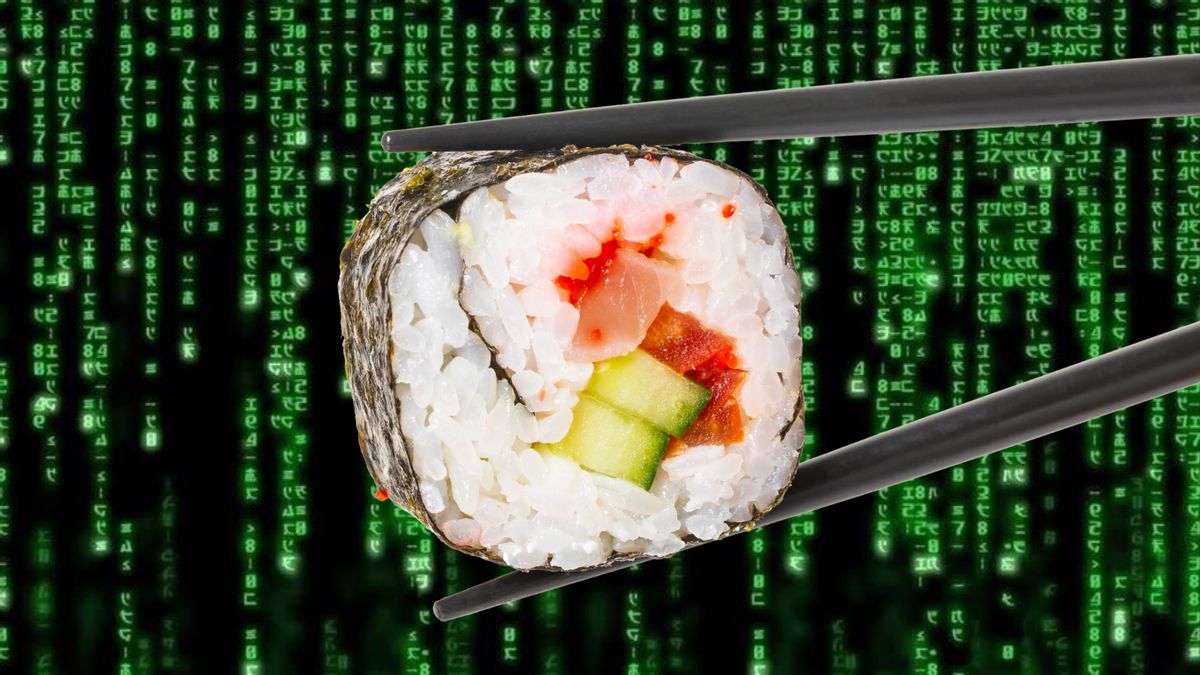 The iconic cascading green characters that define the digital world in "The Matrix" have long been a subject of fascination and speculation. A persistent claim circulating online suggests that this mesmerizing visual effect, often referred to as "digital rain," is actually composed of Japanese sushi recipes. While there's a kernel of truth to this assertion, the reality is more nuanced and artistically driven than a simple transcription of culinary instructions.
Unpacking the "Digital Rain" Myth
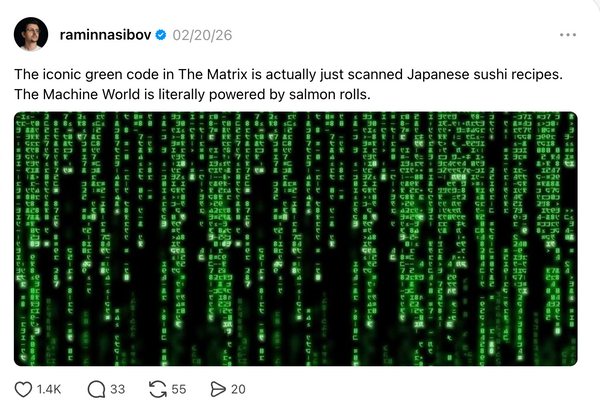
The notion that "The Matrix" code is derived from sushi recipes gained significant traction in recent years, fueled by discussions on various social media platforms. Posts on sites like Threads have humorously suggested that the very fabric of the simulated reality is powered by ingredients for salmon rolls and other Japanese delicacies. This idea, while entertaining, oversimplifies the complex creative process behind the film's distinctive visual language.
The Designer's Inspiration
The origin of this claim can be traced back to interviews with Simon Whiteley, the production designer responsible for creating the film's signature digital code. In an interview with CNET in 2017, Whiteley described his approach to designing the code, mentioning that he drew inspiration from his wife's collection of Japanese cookbooks. He playfully referred to the code as being "made from Japanese sushi recipes," a statement that, while hinting at the source material, was open to interpretation.
Beyond the Recipe Book: The Artistic Process
While cookbooks provided a visual foundation, the "digital rain" was far from a direct scan of readable recipes. Whiteley elaborated on the creation process in a 2019 interview with "befores & afters." He explained that his choice of Japanese characters, specifically Katakana, was driven by their aesthetically pleasing and simple visual forms. He hand-drew the characters, incorporating elements from his wife's cookbooks and his children's Japanese alphabet books.
The design wasn't limited to just Katakana. Whiteley intentionally blended these characters with other symbols and Arabic numerals. To achieve the distinctive look of old computer monitors, he meticulously adjusted the font and added stylistic elements.
Crafting the Illusion
Further layers of artistic manipulation were applied to create the illusion of code. Whiteley reversed some of the numbers and symbols, giving the impression that the code was being viewed from an unconventional perspective. The rough, irregular appearance of the digital rain was a deliberate choice; he hand-drew the elements before digitizing them, a process that resulted in characters that were partially clipped and intentionally imperfect. This organic, hand-crafted feel was further enhanced by the addition of extra strokes, dots, and graphic icons, all contributing to the unique aesthetic of the film.
It's also worth noting that the code didn't initially fall downwards; this was a result of the collaborative design process that refined the visual effect.
Why It's Not Literally Sushi Recipes
Despite the inspiration drawn from cookbooks, Japanese speakers would not be able to decipher a coherent sushi recipe from the code as it appears on screen. Whiteley emphasized that the design primarily utilized stylized Katakana characters. Traditional Japanese recipes, however, are typically written using Hiragana and Kanji, different sets of Japanese characters. Therefore, while the visual source material may have originated from cookbooks, the on-screen representation was a highly stylized and artistic interpretation, not a literal transcription.
Whiteley himself has alluded to the mystique surrounding the exact source, suggesting that revealing the specific cookbook could diminish the "magic" of the film's visual effects. This desire to preserve a sense of wonder further underscores the artistic intent behind the code's creation.
Post a Comment for "'The Matrix' green code was inspired by sushi recipes. That's not the full story"