
War's Scarred Souls
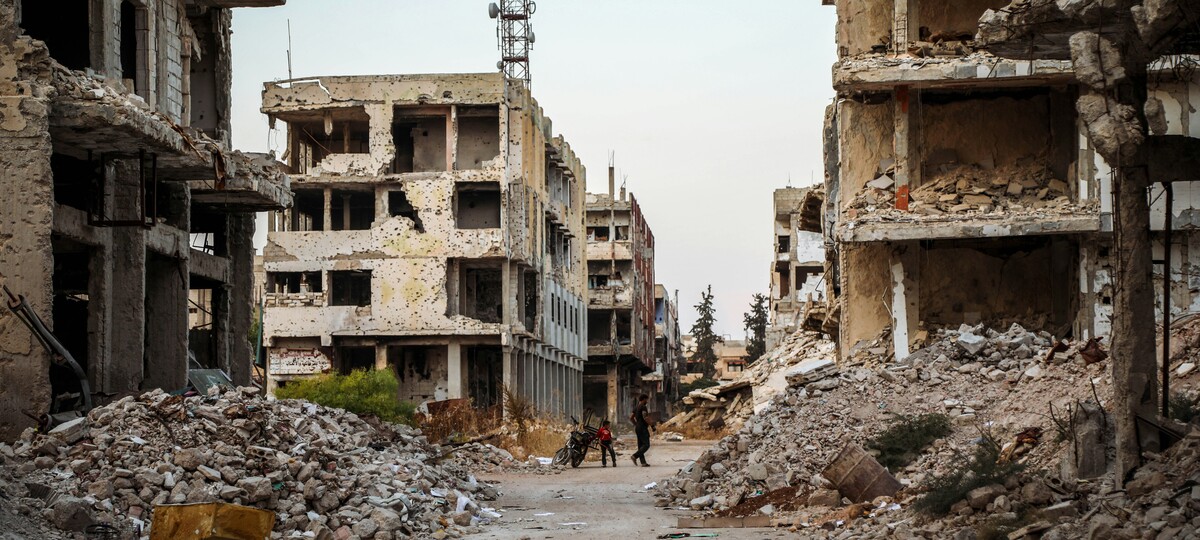 The ongoing conflict with Iran has reached its fourth week, a period marked by the tragic loss of 13 U.S. service members. In Ohio, a somber tribute has been paid to three members of the state's Air National Guard who perished in a refueling plane crash on March 12. Their lives were tragically cut short while they were actively supporting Operation Epic Fury. The fallen heroes were identified as Captains Seth Koval and Curtis Angst, and Master Sergeant Tyler Simmons, who was posthumously promoted to his current rank. Local news outlets in Columbus dedicated several days to honoring these young men, highlighting their achievements and sacrifices made in service to their nation. Witnessing these heartfelt tributes brought a profound sense of empathy for their grieving families.
While many of us may not have a direct family member lost in this conflict, the war's impact is undeniable. The most immediate and palpable effect for many Americans is the sharp increase in gas prices at the pump. This surge in fuel costs inevitably translates to higher prices for groceries, as the expense of transportation and fertilizer, crucial for food production, also escalates. However, the financial strain of increased living costs, while significant, pales in comparison to the immeasurable grief of losing a loved one.
Reflecting on Past Conflicts and Their Human Cost
The recent wars in Afghanistan and Iraq have prompted a deeper reflection on the experiences of military families. This introspection wasn't as prominent during my younger years, particularly during the Gulf War in the 1990s. That conflict, involving Iraq and a 42-nation coalition led by the U.S., occurred while I was a college student. Like many of my peers, my focus was primarily on my social life, and the intricacies of Operation Desert Storm and Operation Desert Shield received little of my attention.
What did capture my notice, however, was the media's portrayal of the Gulf War as a "video game." This was a novel concept at the time, as it marked the first instance where global combat could be witnessed live on television. Yet, observing airstrikes and bomb detonations in Baghdad on our TV screens did not always foster a sense of compassion, especially when the war did not involve a personal loss. It was also during this period that I became acquainted with the term "collateral damage," a military euphemism originating in the 1960s. I've always found this phrase to be a rather stark and impersonal description of the human toll of warfare. With Iraq situated approximately 6,000 miles away, a genuine human connection often felt distant throughout the Gulf War era.
A Personal Connection Amidst Current Tensions
The current conflict with Iran has fostered a more personal connection for me, largely due to having an Iranian student in one of my English courses. While the war had not officially commenced when classes began in January, its looming presence was palpable. I inquired about his family, and he expressed profound concern for their well-being. Despite the evident anxiety he must have been grappling with, he has consistently produced excellent essays and has met all assignment deadlines. My thoughts and prayers are with him and the families of Ohio's Air National Guard members who are enduring their mourning.
The family of Master Sergeant Tyler Simmons recently shared a deeply moving interview, offering a glimpse into their grief while simultaneously celebrating his life. A cousin fondly recalled Simmons' "million-dollar smile," which they believe guided him toward his dream career. His mother described him as "an amazing man" who approached his duties with an extraordinary sense of joy and dedication. He was characterized as loyal, always willing to extend a helping hand to others. Viewers could palpably feel their anguish as Simmons' grandmother, tears streaming down her face, cried out, "Help me, Jesus." His mother's poignant words, revealing that he was her only child, underscored the profoundness of their loss. At just 28 years old, Simmons possessed a bright future. His mother shared that he had already made plans to retire from refueling aircraft and subsequently pursue a career as a commercial pilot. The interview concluded with her expressing the heartbreaking finality of their loss, stating, "We're done, no more children."
Hope for Peace and Solace for the Grieving
One can only hope for a swift end to the conflict with Iran. While the overall number of casualties may not be as high as in some past conflicts, the loss of each service member represents an immense and irreplaceable void for their loved ones. It is my sincere prayer that divine intervention will provide solace and alleviate the profound emotional burden carried by these grieving families. As the scripture in Psalm 34:18 wisely states, "The Lord is close to the brokenhearted; he rescues those whose spirits are crushed."
Post a Comment for "War's Scarred Souls"