
Racing to get a place on the crowded beaches of the Spanish costas is losing its charm, with rising numbers of Britons now heading to the cooler climes and spectacular scenery of the country’s north.
Turning their backs on the traditional diet of sun, sea and sand, a growing number of UK holidaymakers prefer to go hiking, surfing, watching bears or sampling the rich variety of food along the country’s Atlantic coast, data has shown.
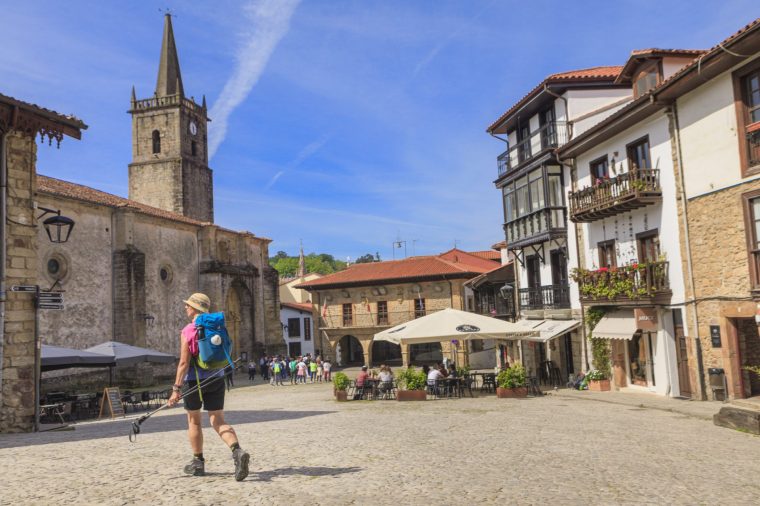
The lush green landscape of regions including Galicia, Cantabria, Asturias and the Basque Country could pass for Britain – except sunshine here is a more common occurrence than at home.
Although most Britons still head to the Mediterranean coast or the Balearic or Canary islands, there is a growing trend for exploring hidden corners of Spain – our favourite holiday destination.
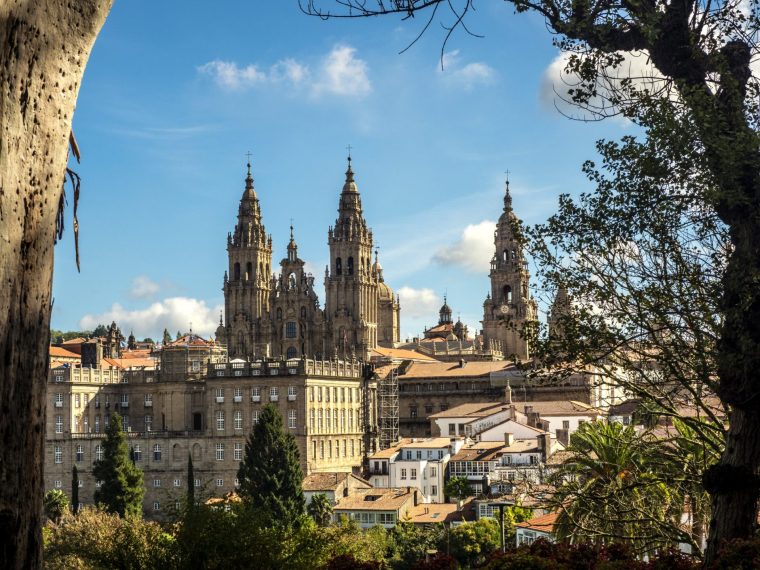
Reflecting the growing popularity of walking the Camino de Santiago pilgrimage route or enjoying the white sands of the Cíes Islands, there was a 47.4 per cent rise in British visitors to Galicia between last year and 2024, with 108,246 tourists making the trip.
The culinary delights of the Basque Country, which boasts the largest number of Michelin-starred restaurants in Spain, partly explained a 40 per cent rise in British visitors over the same period to 182,876.
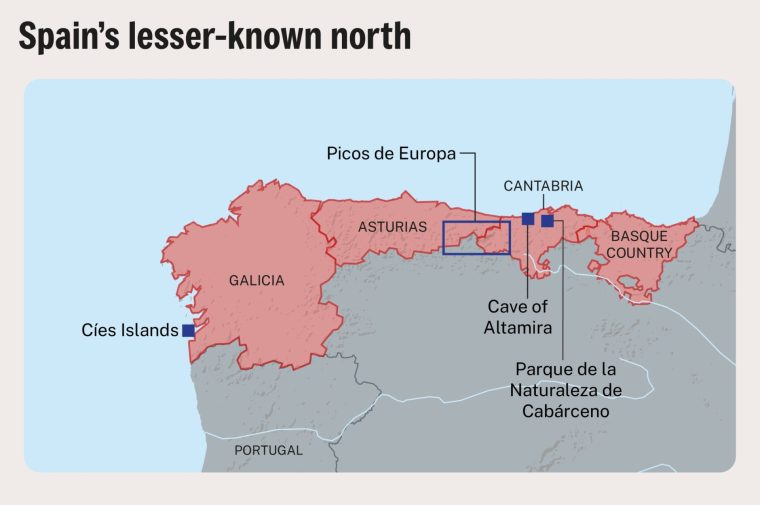
Asturias, in northern Spain, also saw an 18.7 per cent increase in UK tourists between 2024 and 2025.
Cantabria, whose white beaches are not crowded with UK tourists fighting over sun loungers at the height of summer – unlike in Málaga or Benidorm – welcomed 338,940 British visitors last year, making UK travellers the second largest group of international visitors after the French.
Just five years ago, only 125,763 Britons visited Cantabria.
The region’s growing popularity has been aided by ferry links between Santander and Plymouth and Portsmouth, and flights from London, Manchester, Birmingham and Edinburgh.
“More and more Brits and northern Europeans are choosing northern Spain because they are discovering a destination which combines a gentle climate, lush nature, top-level gastronomy and a sense of authenticity that has been lost in many other Mediterranean areas,” Gustavo Egusquiza, a tourism expert who specialises in luxury travel, told The i Paper.
“The north of Spain offers mild summers without the extreme heatwaves you see in the south, and that is particularly attractive for travellers coming from the UK.”
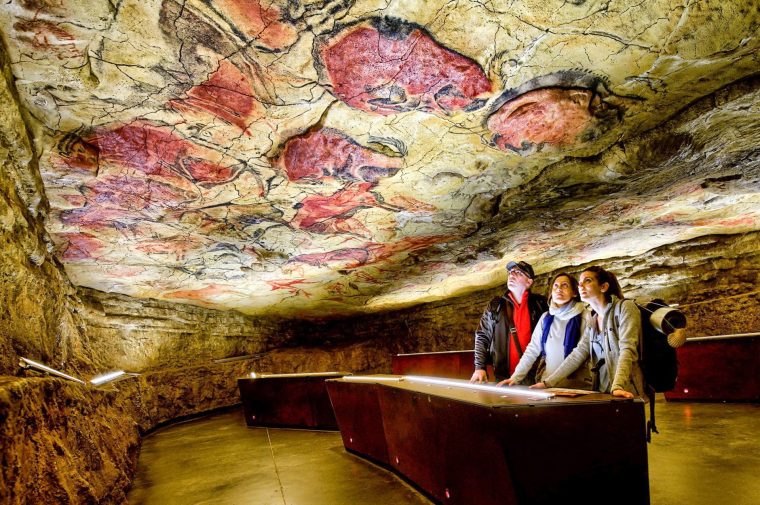
The most popular attractions are the Picos de Europa mountain range, which straddles Asturias, Cantabria, and Castilla y León and has a cable car at Fuente Dé for those who don’t fancy a hike; the Unesco-listed cave complex of Altamira, which feature human paintings from Paleolithic period dating back 35,000 years – and where replica caves can be visited; and the Parque de la Naturaleza de Cabárceno, one of the largest wildlife parkss in Europe.
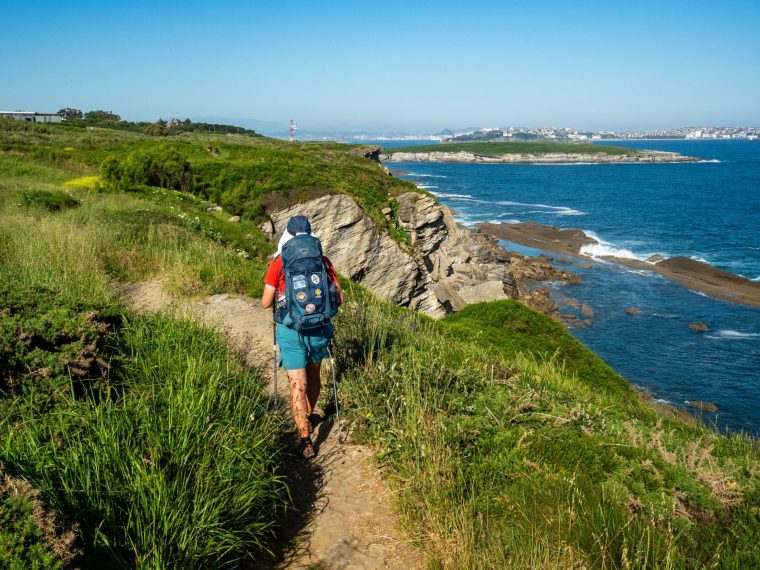
Inés Mier, director general of Cantur, the Cantabria Tourism Board, said she believed that more Britons were coming to this region to rediscover nature in cooler climates than in the south of Spain.
“What we have seen with British tourists is that they are coming to go hiking in places like the Picos de Europa, to see our natural parks and to visit the caves of Altamira. Climate change has been an important factor in this as summers have become hotter in southern areas.”
Andrew Dougall, 71, is the British founder of Dougall’s craft beer brewery in the village of Liérganes, who has lived in Cantabria for nearly 30 years.
“I am surprised more Britons don’t come. We are happy to share the place with more people,” he said.
Dougall said it used to be the case that UK tourists got off the ferries with their cars and drove south but he believes that more are now staying to explore Cantabria.
In January, the Bank of Spain published a report that said climate change could cause tourists to explore destinations with more moderate summer temperatures.
It said that despite a record number of tourists coming to Spain, some were shortening their stays in areas of the south where the highest temperatures were recorded. Some 18 million Britons holidayed in Spain last year.
Others were swapping for holidays in winter or autumn, the so-called shoulder season around the peak summer season.
A report published by the Spanish Environment Ministry in February said climate change meant that during the coming decades, the country would experience “rising average temperatures, more frequent heatwaves, and fewer cold days”.
Manuel Butler, director of the Spanish Tourism Office in London, said: “We are delighted to see growing interest from UK travellers in our northern coastal regions, known as Green Spain.
“Nature takes centre stage in Asturias, the Basque Country, Cantabria and Galicia. Combining gastronomy, rich culture and deep-rooted traditions gives a true flavour of northern Spain.”


No comments:
Post a Comment