
The sound of tinkling bells drifts through an alley in central Seoul, an unmistakable sign that a shaman is near - although in this case the mystic is a robot powered by artificial intelligence.
Many South Koreans still place great value in shamanic traditions, which purport to divine a person's future based on the day and time they were born.
Practitioners, known as mudang, wear long, colourful robes and perform dances and chants to commune with the gods - sometimes even walking on sharp blades to demonstrate their spiritual connection.
Do you have questions about the biggest topics and trends from around the world? Get the answers with SCMP Knowledge, our new platform of curated content with explainers, FAQs, analyses and infographics brought to you by our award-winning team.
However, at Vinaida, a cultural products store in the capital, they are computer-generated avatars on screens.
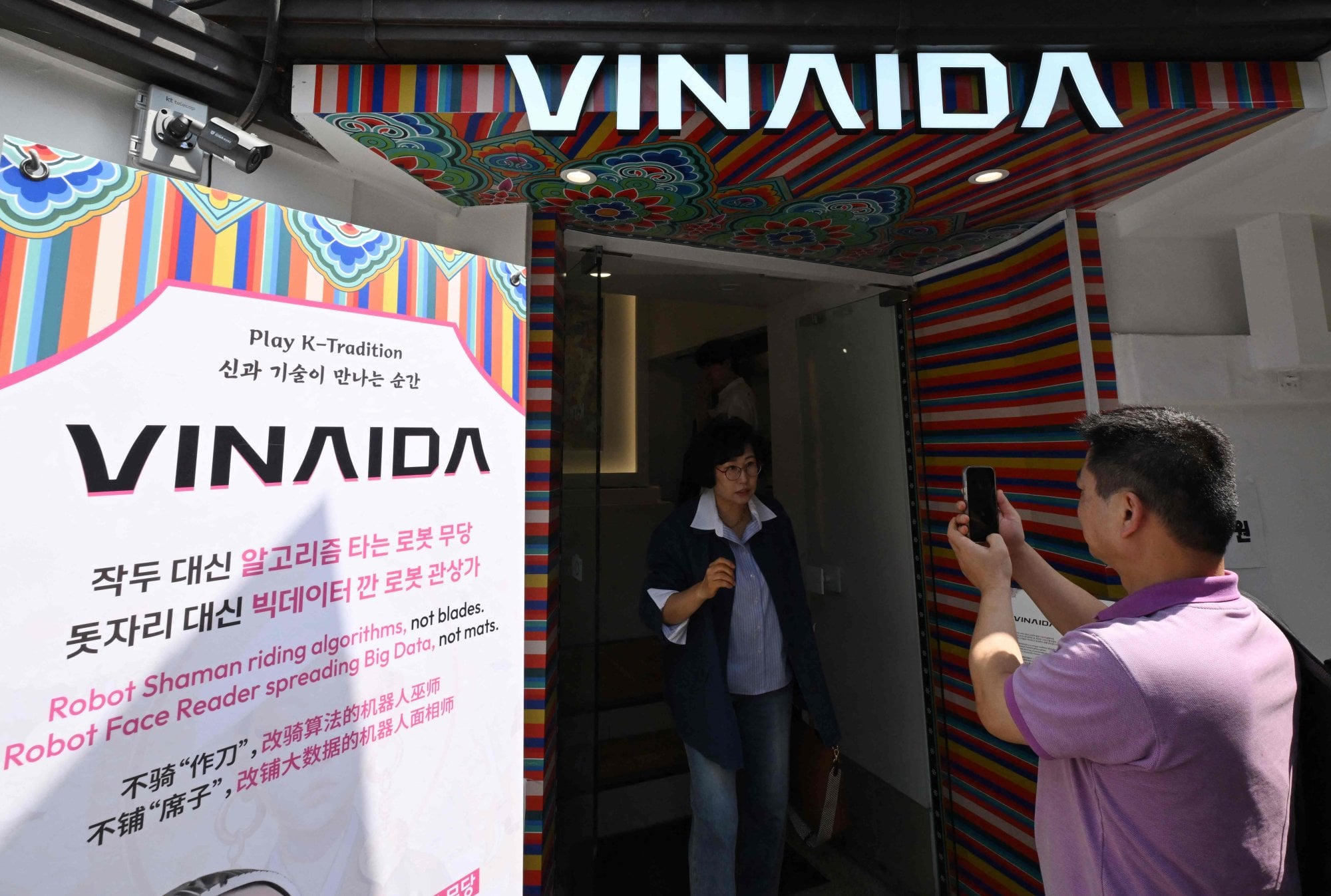
Visitor Kim Da-ae, 36, called it a "unique experience".
A visit with a real shaman can feel "scary and burdensome", she said. "But I was just walking by and read this AI sign ... So I walked in with a light heart."
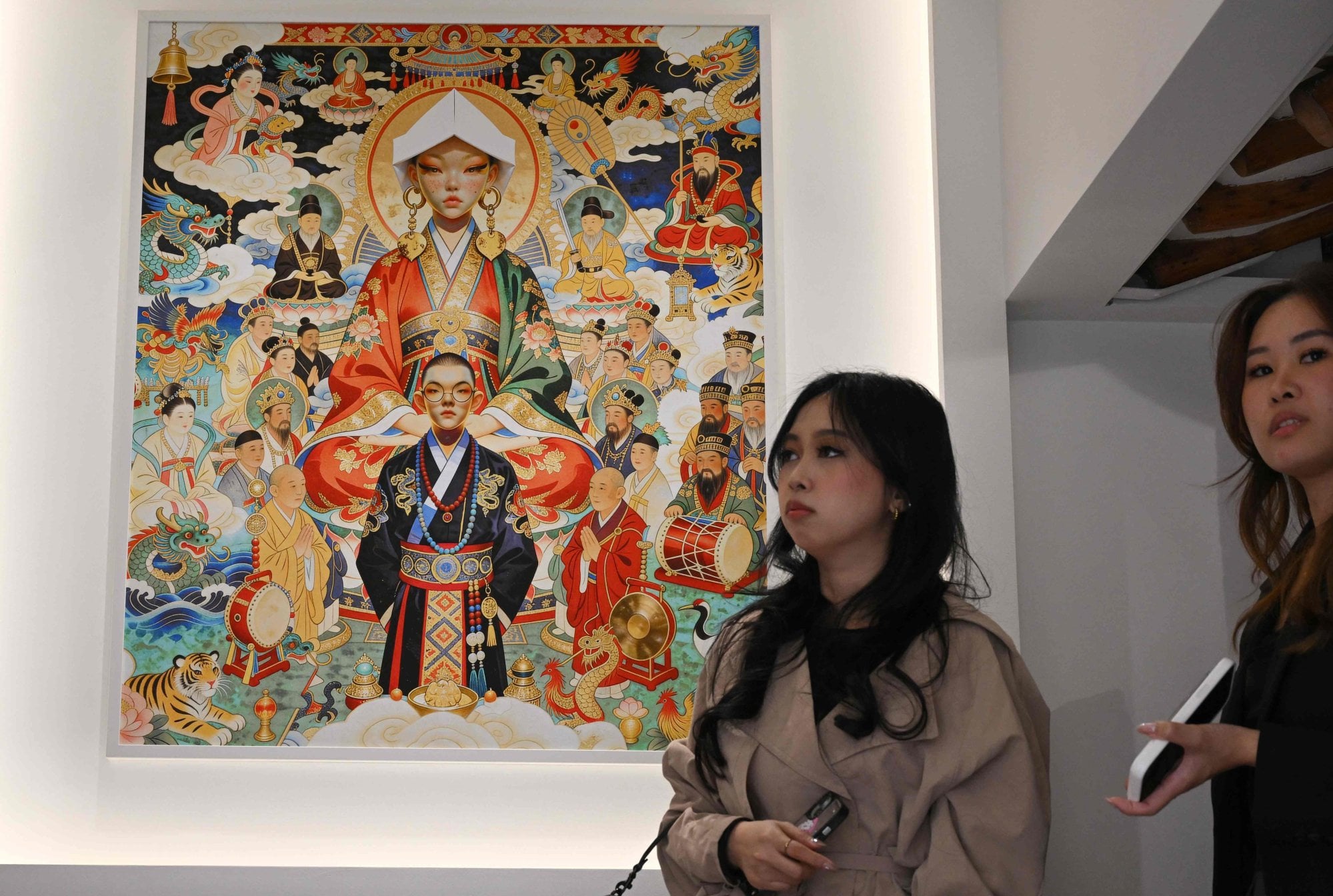
Portraits of virtual shamans resembling characters from the popular animation KPop Demon Hunters greet passers-by at Vinaida, which means "I pray earnestly" in Korean.
Inside a booth, Kim typed her name, gender and date of birth into a computer, before a shaman - a suspended mask with the image of a human face projected onto it - asked her to explain her concern through a headset.
The technology combines voice recognition with a generative AI chatbot so that the shaman and the customer can interact.
It then refers to a centuries-old belief system called saju, or the "four pillars of destiny", to interpret their fate according to the year, month and day of their birth.
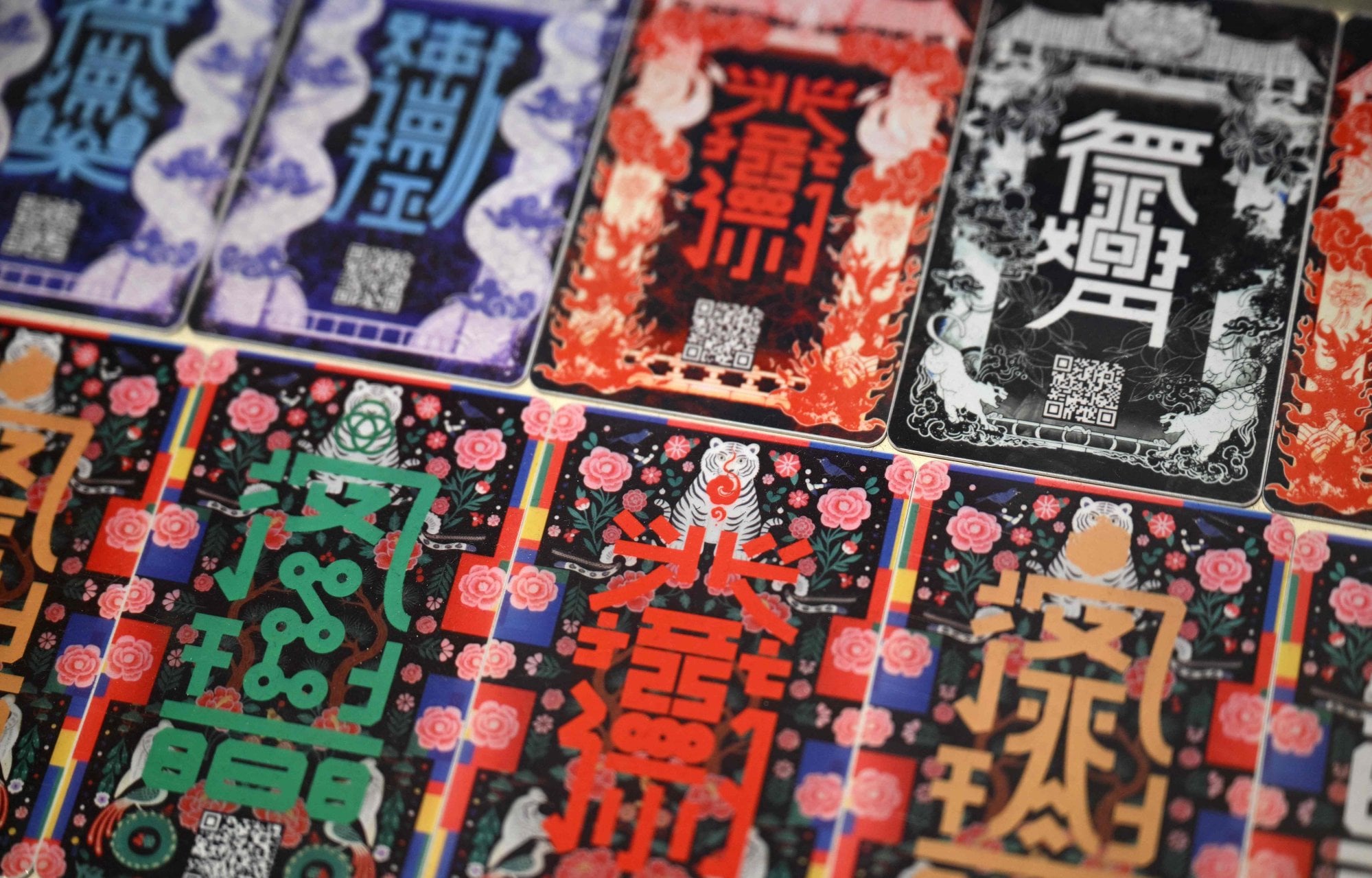
Customers then receive a plastic "talisman" bearing a digital QR code that they can scan with their phones to read their fortunes in detail.
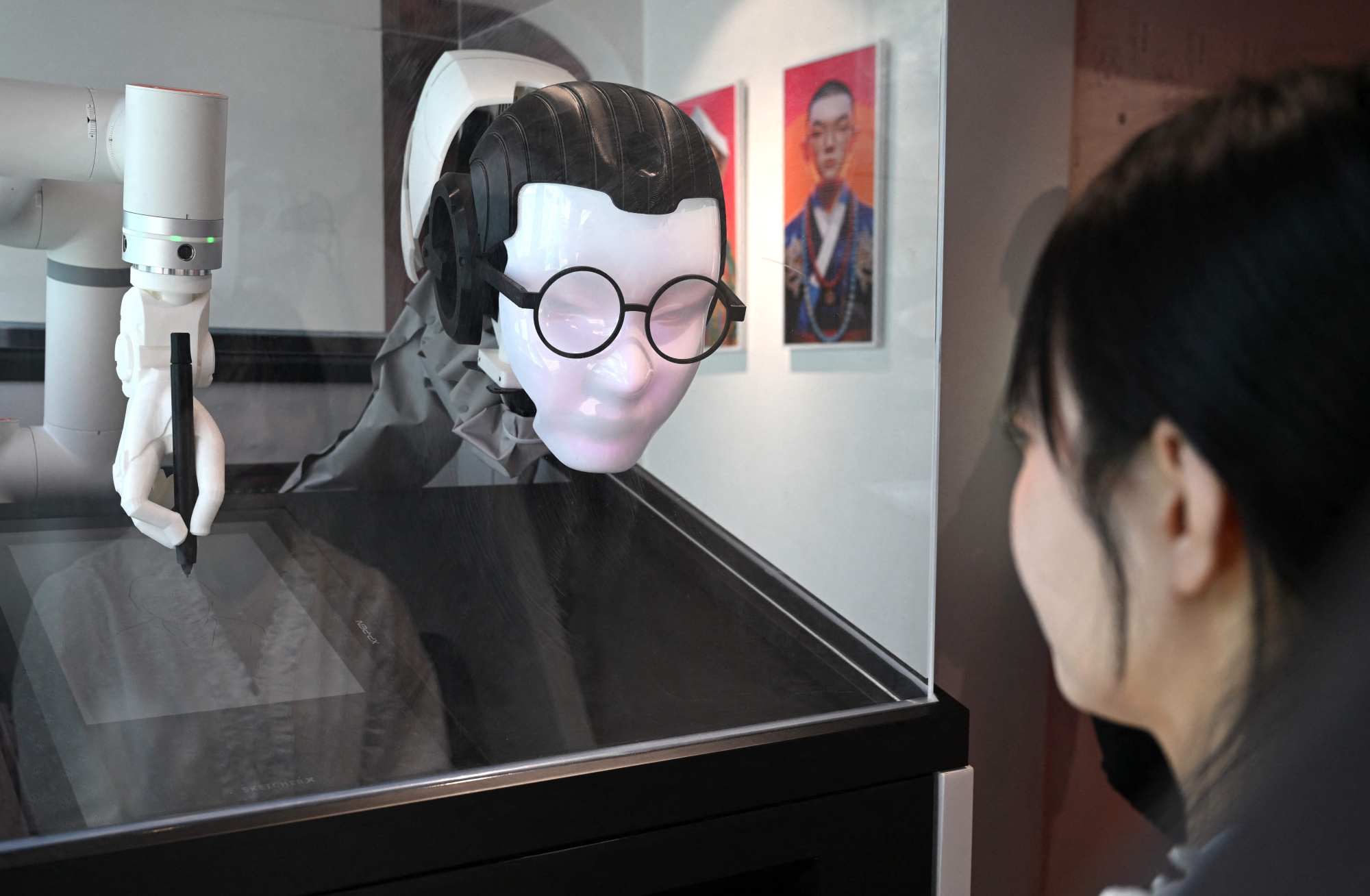
Across the room, a bespectacled robot uses a camera and a mechanised arm to sketch and "read" a visitor's face, foretelling their prospects.
Impressed customers
"A bright, well-balanced fortune. Resilient in the face of change, with auspicious relationships," an impressed Kim read from a printout.
"I felt a sense of similarity with my fate because it matched my own personality, like valuing relationships while also being practical."
Fortune-telling is deeply embedded in South Korean life, with newspapers publishing daily horoscopes based on saju principles.
Recent cultural hits such as KPop Demon Hunters - Netflix's most-watched film of all time - have riffed on shamanic traditions.
Vinaida has attracted around 100 visitors a day since opening in February, according to manager Kim Hae-seol. Each service costs up to 8,000 won (US$5.50).
"Customers have something tangible or meaningful to take away, which is probably why there aren't many who feel dissatisfied," Kim said.
"We thought it had the potential to succeed, so we seized on this concept."
Customers can talk to the virtual shamans in four languages - Korean, English, Chinese and Japanese.
Singaporean tourist Amos Chun was trying his luck when reporters visited the shop on Wednesday.
The robot shaman told him to "avoid impulse spending" - advice he took to heart.
"It's quite a good reading, coming from AI," Chun said, laughing. "Because that is something that I do."
More Articles from SCMP
Japan ditches decades of arm export curbs as US reliability wavers
ByteDance, Tencent step up AI talent battle amid reported departure of DeepSeek researcher
The head of Noc Coffee on his live-slow philosophy for the weekends
China family buries luxury car as offering, prompting government reprimand, public apology
This article originally appeared on the South China Morning Post (www.scmp.com), the leading news media reporting on China and Asia.
Copyright (c) 2026. South China Morning Post Publishers Ltd. All rights reserved.


No comments:
Post a Comment