
Summer Crunch: Chicken, Pork Shortages Loom Amid Middle East Crisis
Summer of Shortages Looms: UK Braces for Disruptions Amidst Middle East Tensions
The United Kingdom is facing a potential summer of significant product shortages, with critical supplies of chicken and pork among those at risk due to ongoing international conflict. Government 'war gaming' exercises have highlighted a 'reasonable worst-case' scenario where disruptions to carbon dioxide (CO2) supplies originating from the Middle East could have far-reaching impacts across various sectors of the UK economy.
Ministers have reportedly been exploring the difficult task of prioritising CO2 allocation, with healthcare identified as a critical sector. The gas is essential for vital medical equipment, including MRI scanners, and plays a role in water purification and the civil nuclear power industry. However, this prioritisation could have knock-on effects for other industries, particularly slaughterhouses, where CO2 is a key component in the humane killing of pigs and chickens. The brewing and soft drinks manufacturing sectors also rely on CO2 for their production processes, raising concerns about potential impacts on consumer goods.
These CO2-related worries are compounding existing anxieties about potential shortages of diesel, jet fuel, and fertiliser, all of which are linked to the ongoing international turmoil stemming from recent geopolitical events.
Government Scenario Planning: 'Exercise Turnstone'
According to reports, a high-level government exercise codenamed 'Exercise Turnstone' involved officials from Downing Street, the Ministry of Defence, and the Treasury. This exercise simulated a challenging scenario where the Strait of Hormuz remained closed through June, with no permanent ceasefire in place.
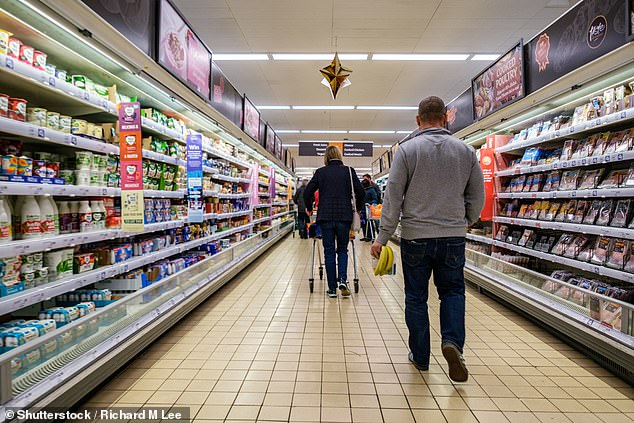
In such a situation, the government might be compelled to order factories to dedicate all their resources to CO2 production, with legal mandates potentially coming into play if voluntary efforts prove insufficient. While widespread food shortages were deemed unlikely in this scenario, concerns were raised about a noticeable reduction in the variety of products available to shoppers.
The war gaming session reportedly included representatives from the Food Standards Agency, alongside officials from the health, business, environment, and energy departments. The 'reasonable worst-case' scenario envisioned a significant drop in CO2 supplies, reaching as low as 18 per cent of normal levels. This was further complicated by a hypothetical mechanical failure at a key UK production plant.
The exercise also considered a scenario where elevated natural gas costs severely impacted ammonia and fertiliser production across Europe. These industrial processes generate CO2 as a by-product, meaning a downturn in this area would further exacerbate CO2 shortages.
Ministerial Reassurance Amidst Concerns
Despite the stark warnings from the scenario planning, Business Secretary Peter Kyle sought to allay public fears during media appearances. When questioned about the availability of CO2, he stated, "At this moment, this is not a concern for the economy." He assured the public that any significant changes would be communicated in advance to allow for preparation, encouraging people to continue enjoying everyday products.
"But right now, people should go on as they are, enjoying beer, enjoying their meats, enjoying all the salads," Mr Kyle commented. He reiterated the critical non-industrial uses of CO2, including its importance in MRI scanning, water purification, and the nuclear industry.
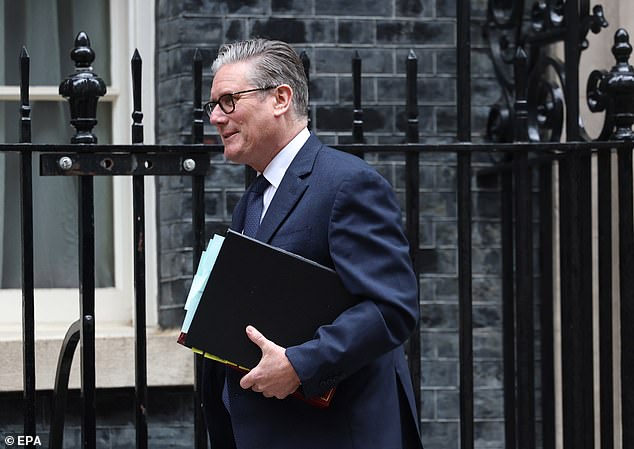
While declining to comment on specific details of the leak that prompted the concerns, Mr Kyle assured listeners that the government's proactive scenario planning provided reassurance. "I can tell you, because I'm in these meetings, the Prime Minister has been there since the very start, and he is going through personally and driving deep dives into lots of areas of resilience throughout our economy," he explained.
Mr Kyle highlighted a proactive measure already taken: reversing the mothballing of the Ensus bio-ethanol plant in Teesside to secure domestic CO2 supplies. He emphasised the government's commitment to behind-the-scenes actions to maintain economic resilience, ensuring preparedness for any unfolding situations in the Middle East.

Expanding Support for Manufacturing Sector
In parallel to these CO2-related concerns, Chancellor Rachel Reeves has been in Washington D.C., discussing the broader economic fallout from the Iran conflict. As part of efforts to mitigate rising costs for UK businesses, plans are being expanded to cut electricity bills for thousands of manufacturing firms.
A scheme introduced last summer, which offered up to a 25 per cent reduction in electricity bills for over 7,000 UK businesses, will now be extended to cover an additional 3,000 firms, bringing the total to 10,000. The British Industrial Competitiveness Scheme (BICS) will achieve these cost reductions by exempting eligible businesses from certain charges that currently fund green energy and backup power systems. These savings are slated to take effect from 2027, with reductions of up to £40 per megawatt-hour.
Furthermore, an additional one-off payment in 2027 will be provided to a further 3,000 businesses, specifically targeting key sectors such as automotive, aerospace, steel, and pharmaceuticals. The Chancellor stated that this initiative aims to bolster the competitiveness of UK businesses and stimulate job creation amidst an uncertain economic climate.
During her US visit, Ms Reeves has also voiced criticism of US-Israeli military actions in Iran, describing the conflict as a "mistake" that has not enhanced global security. Her remarks were made ahead of a planned meeting with US Treasury Secretary Scott Bessent, who has characterised the war's impact as "short-term volatility for long-term gain," suggesting it would impede Tehran's nuclear ambitions.
Post a Comment for "Summer Crunch: Chicken, Pork Shortages Loom Amid Middle East Crisis"