
Three pupils at schools in Dorset have been diagnosed with meningitis, health officials have announced, just weeks after a major outbreak in Kent.
The pupils contracted the Meningitis B strain, which can be fatal, between March 20 and April 15, officials have confirmed.
The UK Health Security Agency (UKHSA) said antibiotics and vaccines are being offered to schoolchildren in years 7 to 13 across the Weymouth, Portland and Chickerell areas of Dorset.
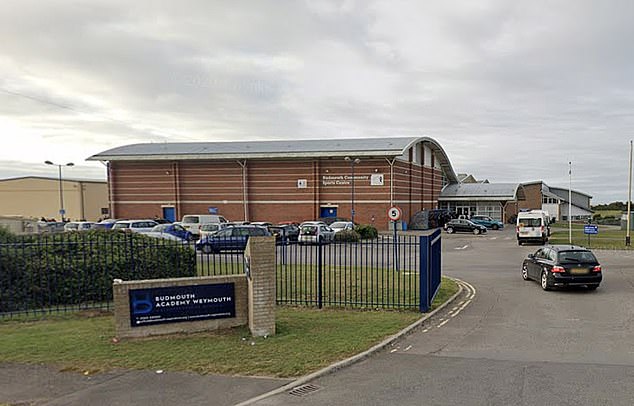
Two of the pupils were known to be in contact at Budmouth Academy, a large secondary school in Weymouth, while the other attended Wey Valley Academy in Dorset and is believed to be unconnected.
All three have received treatment and are 'recovering well', it said, adding that close contacts have already been offered antibiotics as a precaution.
The cases come just weeks after a meningitis outbreak in Kent killed two young adults - Juliette Kenny, 18, and an unnamed 21-year-old - and left 19 others hospitalised.
Experts say the latest outbreak is 'not on the same scale', but warned the infection can spread more easily in settings where young people socialise closely together.
Dr Beth Smout, deputy director of the UKHSA, said: 'It is possible that we will see further cases linked to these latest cases in Weymouth and we understand that there will be concern among pupils, staff, parents and the local community as we widen our offer of antibiotics and vaccination.'
'I'd like to stress that this is an additional precaution, and that we're following national guidelines to reduce the risk of the infection spreading.'
As it stands, school pupils and staff are expected to attend school as normal if they remain well.
Health Secretary Wes Streeting asked the Joint Committee of Vaccination and Immunisation (JCVI) to reassess the evidence on whether MenB vaccines should be more widely rolled out in the wake of the Kent outbreak.
A letter to staff, parents and pupils at Wey Valley Academy on April 15 said a pupil was 'in hospital with probable meningitis', adding that the 'risk to others is very small'.
The UKHSA has confirmed the vaccine will be given in stages alongside antibiotics, beginning with Budmouth Academy and Wey Valley schools.
Those in neighbouring schools, along with other at-risk children outside of the three affected institutions, will be invited after the weekend.
Dorset council added that the outbreak suggests the 'strain of MenB bacteria is transmitting more widely among young people in Weymouth'.
Meningitis Now have labelled the new cases 'concerning' and are encouraging young people to remain vigilant.
It added: 'We welcome the swift response for the UKHSA to identify close contracts and provide precautionary antibiotics and MenB vaccinations to young people.
'Rapid public health action is crucial in helping to reduce the risk of further cases. We are supporting the schools and wider community and are here to help in any way we can.'
Symptoms include a fever, headache, drowsiness, shivering, vomiting and cold hands and feet.
Septicaemia can also cause a rash that does not fade when pressed against a glass.
Because these symptoms overlap with common viral infections, cases are sometimes dismissed in the first crucial hours. But with meningitis and meningococcal sepsis, timing can be everything.

It comes as officials said last month that they believe the outbreak in Kent was caused by a new variant with significant mutations that are likely to have impacted on how fast it spread.
In a technical document, the UKHSA admitted it is a ‘realistic possibility’ that the strain is the ‘main driver’ of the outbreak.
The three cases is Weymouth have been confirmed as MenB and are the same sub-strain type, but a different sub-strain to the one detected recently in Kent.
Dr Sherine Thomas, infectious diseases consultant at the UKHSA, said: 'We continue to remain vigilant for new cases and work closely with NHS England and local authorities across the country to ensure that any new cases identified are responded to as quickly as possible.
'It's reassuring to have seen so many eligible young people come forward for antibiotics and vaccination, and we'd like to thank everyone involved in this effort so far.
'Although the risk to the wider population remains low, it is still really important that people know the symptoms of invasive meningococcal disease and seek immediate medical attention if they or anyone they know develops them.'
Read more


No comments:
Post a Comment