Siemens Energy Upgrades Gulf Power Plants to Resist Drone Threats
Reinventing Gulf Power Infrastructure for a New Era of Security
In the shadow of escalating regional tensions and renewed conflict in the Middle East, Siemens Energy is at the forefront of a transformative shift in how power plants across the Gulf are designed, built, and protected. The German industrial giant is reimagining critical energy infrastructure to withstand modern asymmetric threats—particularly drone and missile attacks—drawing crucial insights from Ukraine’s prolonged struggle to maintain its electricity grid under constant assault. As geopolitical instability intensifies, the company is working closely with clients across the region to fortify existing facilities and rethink the blueprint for future projects.
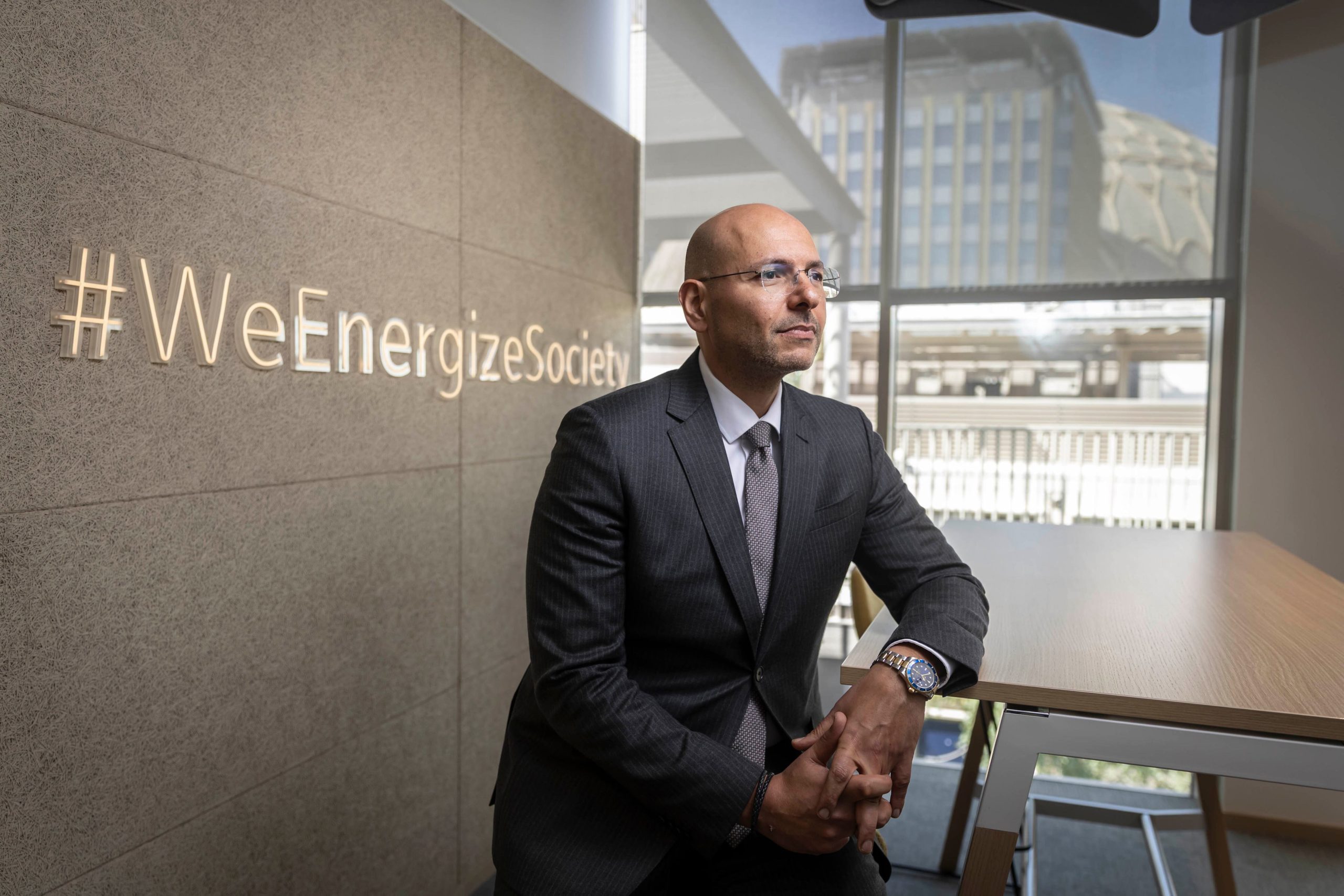
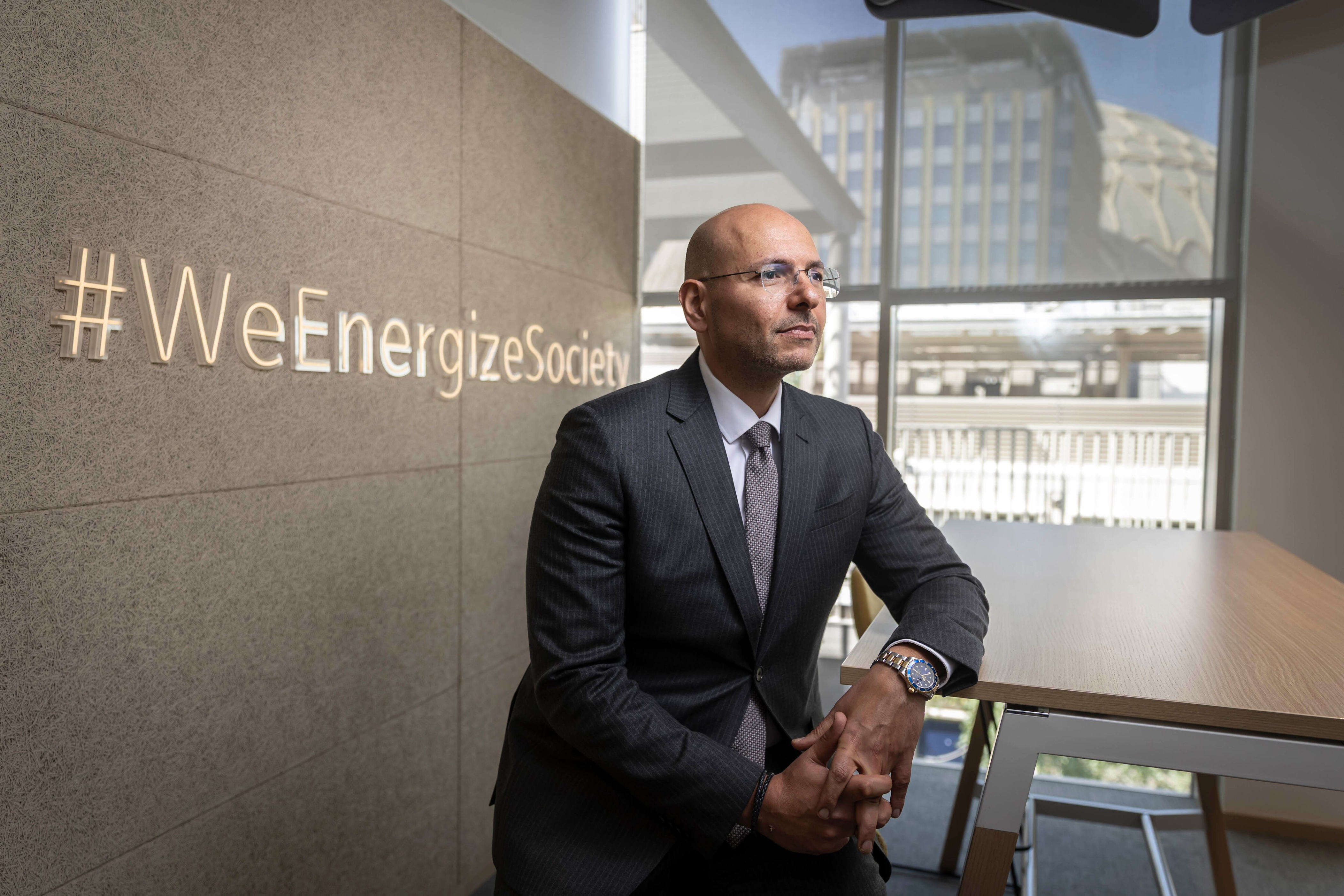
Hussein Shoukry, Managing Director of Siemens Energy for the Middle East and Africa, emphasized that energy security has evolved into a matter of national defense. Speaking at Adipec in Abu Dhabi, he declared: “Energy security now is national security. We’re protecting our power infrastructure in the same way we protect a military base.” This new paradigm demands not just technological upgrades, but a fundamental rethinking of engineering standards, site selection, and operational resilience.
The transformation involves multiple layers of protection. For aging power stations, Siemens is helping customers install protective shelters, blast-resistant barriers, and advanced surveillance systems to detect and deter incoming threats. At the same time, the company is exploring radical architectural changes for new installations—such as burying key components underground or integrating them within hardened structures. These measures, while significantly increasing project costs, are deemed essential given the real-world consequences witnessed in conflict zones.
The financial implications are substantial. Adding layers of physical protection and strategic design modifications can raise construction budgets by up to 20–30%, according to industry estimates. Yet, Shoukry insists the investment is justified. “It’s costly, but it’s worth it because we saw the damage some countries have sustained when their energy infrastructure [was] hit,” he said. “This is the new world we’re living in.”
A Region Under Pressure
The urgency behind these changes is underscored by the ongoing conflict between Iran and Israel, which escalated dramatically in February. The resulting strikes on energy infrastructure across the Gulf have exposed glaring vulnerabilities. Unlike military bases, which can be concealed or camouflaged, power plants and transmission networks are often visible, fixed targets. “The power plants and the grid infrastructure, everybody knows where they are,” Shoukry noted. “There is no protection around these critical facilities.”
Siemens Energy is leveraging its experience supporting Ukraine’s energy sector, where repeated attacks forced operators to develop rapid-response repair protocols, deploy mobile generators, and implement decentralized microgrid solutions. These lessons are now being adapted to Gulf conditions, where the combination of high-value assets and open terrain creates unique challenges.
The company’s regional footprint reflects its growing role in shaping the region’s energy future. With approximately 100 gigawatts of installed generation capacity across the Middle East and Africa, and another 15 gigawatts in development pipelines, Siemens Energy remains a dominant player. In Saudi Arabia alone, it manages 20 gigawatts of installed capacity, with an additional 13 gigawatts under contract or active construction. The UAE hosts 13 gigawatts of operational projects, according to data shared with The National earlier this year.
With over 4,000 employees spread across 29 offices in the region, Siemens Energy recorded €9 billion ($10.4 billion) in regional orders during its 2025 financial year—up from previous years—and generated global revenue of €39.1 billion. Its influence extends far beyond mere equipment supply; it is now deeply embedded in the strategic planning of national energy systems.
Rethinking Supply Chains in a Volatile World
Beyond physical protection, the war has also disrupted the complex web of global supply chains essential for building and maintaining power infrastructure. Shipping through the Strait of Hormuz—critical for transporting large turbine components and transformers—has become increasingly risky. In response, Siemens Energy is piloting innovative logistics strategies, including disassembling heavy machinery into smaller, more manageable sections for transport via land routes or air freight, then reassembling them on-site.
Customers are also pushing for larger safety stock inventories of vital components such as control systems, sensors, and specialized valves—items that often require months of manufacturing and delivery. To mitigate delays caused by travel restrictions and flight cancellations during the conflict, Siemens has ramped up local talent development, offering advanced training programs for engineers in the UAE, Saudi Arabia, and other key markets.
Despite these efforts, Shoukry warns against the allure of full self-sufficiency. “Isolation is never going to work,” he cautioned. “You’re never going to be able to produce everything in every single country. It’s not efficient and it’s simply not doable.” Instead, he advocates for resilient, diversified supply networks that balance local capability with global collaboration.
Meeting Demand Amid Rising Challenges
These security upgrades come at a time when the region faces unprecedented demand growth. Industrial expansion, population increases, and the push toward electrification are driving electricity consumption upward at a steep pace. Shoukry estimates that power generation capacity across the Gulf will need to grow by about 50% within the next five to six years.
Adding to the strain, Siemens Energy reports that its gas turbine production lines are currently “completely sold out.” The company is responding by expanding factory capacity and accelerating delivery timelines. One bright spot has been Oman, where Siemens Energy secured major contracts in July to supply and service equipment for the Misfah and Duqm gas-fired power plants—collectively capable of generating 2.6 gigawatts. The company expects to announce additional projects in the sultanate in the near term.
Looking ahead, Shoukry foresees electricity grids becoming a central focus of investment over the next decade. Governments are actively modernizing aging networks, enhancing grid stability, and integrating renewable sources to support new generation capacity. As the region navigates a volatile security landscape, the convergence of energy, technology, and defense is reshaping what it means to build a power plant in the 21st century.
Strengthening Regional Energy Resilience Through Strategic Investments
The recent $150 million commitment to establish a state-of-the-art transformer factory in Dammam, Saudi Arabia, marks a pivotal step in advancing regional manufacturing capabilities within the energy sector. This development underscores a broader shift toward localized production of critical infrastructure components, reducing dependency on imports and enhancing supply chain stability. The facility is expected to serve not only domestic needs but also support cross-border energy projects across the Gulf Cooperation Council (GCC) region, positioning Saudi Arabia as a central hub for power equipment manufacturing.
This investment comes at a time when geopolitical tensions have heightened concerns over infrastructure vulnerability. Yet, despite these challenges, renewable energy initiatives continue to gain momentum. According to industry leaders like Mr. Shoukry, the ongoing conflict has not disrupted long-term plans for clean energy expansion. In fact, the current environment has reinforced the urgency of diversifying energy sources and strengthening grid resilience.
One of the key advantages of solar and wind energy installations lies in their decentralized nature. Unlike large centralized power plants—often located in vulnerable or high-risk zones—renewable projects are typically distributed across multiple geographic locations. This widespread deployment reduces the risk of systemic failure due to targeted attacks or natural disruptions. Even if one site is compromised, others can continue operating, ensuring continuity of service. This inherent redundancy makes renewable systems particularly valuable in regions where security concerns are paramount.
Mr. Shoukry emphasized that customer demand for renewable energy remains strong. “I have not heard one customer slowing down” on renewables, he stated, highlighting sustained confidence among both public and private sector clients. Utilities, industrial operators, and government agencies alike continue to prioritize green energy integration into their portfolios, driven by both environmental commitments and practical benefits such as fuel cost stability and long-term operational savings.
Beyond traditional metrics like affordability and reliability, governments are now placing greater emphasis on energy resilience. This new dimension encompasses the ability of power systems to withstand shocks—whether from conflict, extreme weather, or cyber threats—while maintaining essential services. As part of this evolving framework, renewable energy is no longer seen merely as an alternative to fossil fuels; it’s being integrated as a complementary layer of security.
“We don’t want one to replace the other,” Mr. Shoukry explained. “We just add another component that didn’t exist before.” This philosophy reflects a strategic evolution in energy planning: rather than choosing between sustainability and security, nations are building hybrid systems that combine the strengths of different technologies. For example, a robust grid may integrate solar farms, wind turbines, battery storage, and conventional backup generation—all coordinated through smart grid technology to optimize performance under stress.
The Dammam transformer factory will play a crucial role in enabling this vision. By producing high-voltage transformers locally, the project reduces lead times, lowers transportation costs, and ensures faster repair and replacement during emergencies. Transformers are vital for stepping up voltage for long-distance transmission and stepping it down for safe distribution—making them indispensable for both renewable and conventional grids.
Moreover, the factory’s establishment aligns with Saudi Vision 2030 goals, which aim to diversify the economy and boost industrial self-sufficiency. It also creates skilled employment opportunities and supports local supply chains, contributing to broader economic development. With training programs and partnerships with technical institutions, the project is designed to build a sustainable talent pipeline in advanced manufacturing and electrical engineering.
As regional energy landscapes evolve, the focus is shifting from mere energy access to intelligent, adaptive, and secure systems. The synergy between localized manufacturing, decentralized renewables, and enhanced grid resilience represents a new paradigm—one that prepares nations for an uncertain future while accelerating the transition to cleaner, more reliable power. With initiatives like the Dammam transformer plant leading the way, the Middle East is laying the groundwork for a more resilient and sustainable energy future.