
Zain Duraie Shatters Arab Cinema’s Silence on Mental Health with Oscar-Nominated *Sink*
A New Voice in Arab Cinema: Challenging the Norms with Sink
Jordanian filmmaker Zain Duraie is making waves not just for her bold storytelling, but for daring to shift the narrative focus of Arab cinema away from the well-trodden paths of war, economic hardship, and political unrest. While these themes have long defined how the Middle East is portrayed on screen—often through a lens of struggle and survival—Duraie’s debut feature, Sink, zeroes in on something far more intimate yet equally urgent: mental health and the deep-seated stigma surrounding it in Arab societies.
The film follows Nadia (played by Clara Khoury), a mother grappling with the emotional and psychological unraveling of her teenage son, Basil (Mohammad Nizar). As Basil’s behavior grows increasingly erratic, Nadia finds herself caught between denial, fear, and love—struggling to confront what she senses but refuses to name. This isn’t just a story about illness; it’s a portrait of silence, of families who shut doors not out of cruelty, but out of shame, confusion, and cultural conditioning.
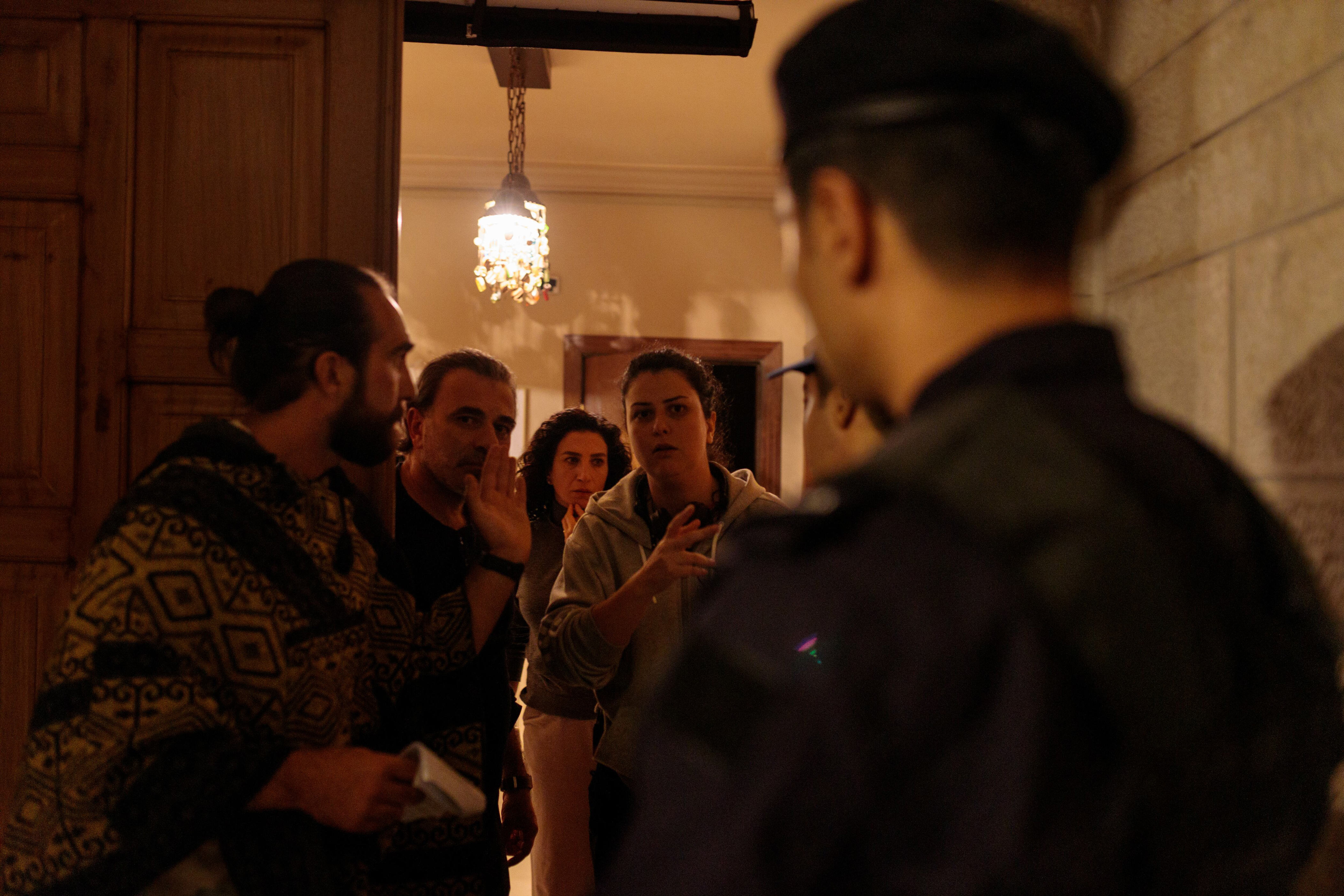
Duraie drew heavily from personal observation and lived experience. She noticed a pattern among mothers—especially in Jordan—whose grief was invisible, whose pain was internalized, and whose attempts to seek help were met with hesitation or outright dismissal. “I see mothers locked behind doors and not reaching out for help,” she reflects. “They don’t know where to turn, or they’re afraid of being judged.” In a society where mental health remains taboo, even basic conversations are often avoided. The lack of accessible resources compounds the isolation, making stories like Nadia’s both common and overlooked.
Her decision to tackle this subject wasn’t just artistic—it was necessary. Duraie challenges the idea that only narratives rooted in conflict can carry social weight. “Who says intimate family dramas can’t be political?” she asks. For her, the private sphere is deeply political. When a mother fails to act, when a child is left unseen, it’s not just a personal failure—it’s a systemic one. By focusing on the quiet breakdown within a household, Duraie exposes broader societal failures: the absence of mental health infrastructure, the pressure to maintain appearances, and the cost of silence.
Crafting Silence Through Visual Language
Before directing Sink, Duraie built her career across various roles in production management, casting, and creative development after graduating from Toronto Film School. Her earlier short films—Horizon and Give Up the Ghost—earned recognition, including a selection at the Venice Film Festival in 2019. That validation gave her the confidence to pursue her first feature, developed through intensive workshops such as the Red Sea Lodge in Saudi Arabia, which supports emerging filmmakers from the region.
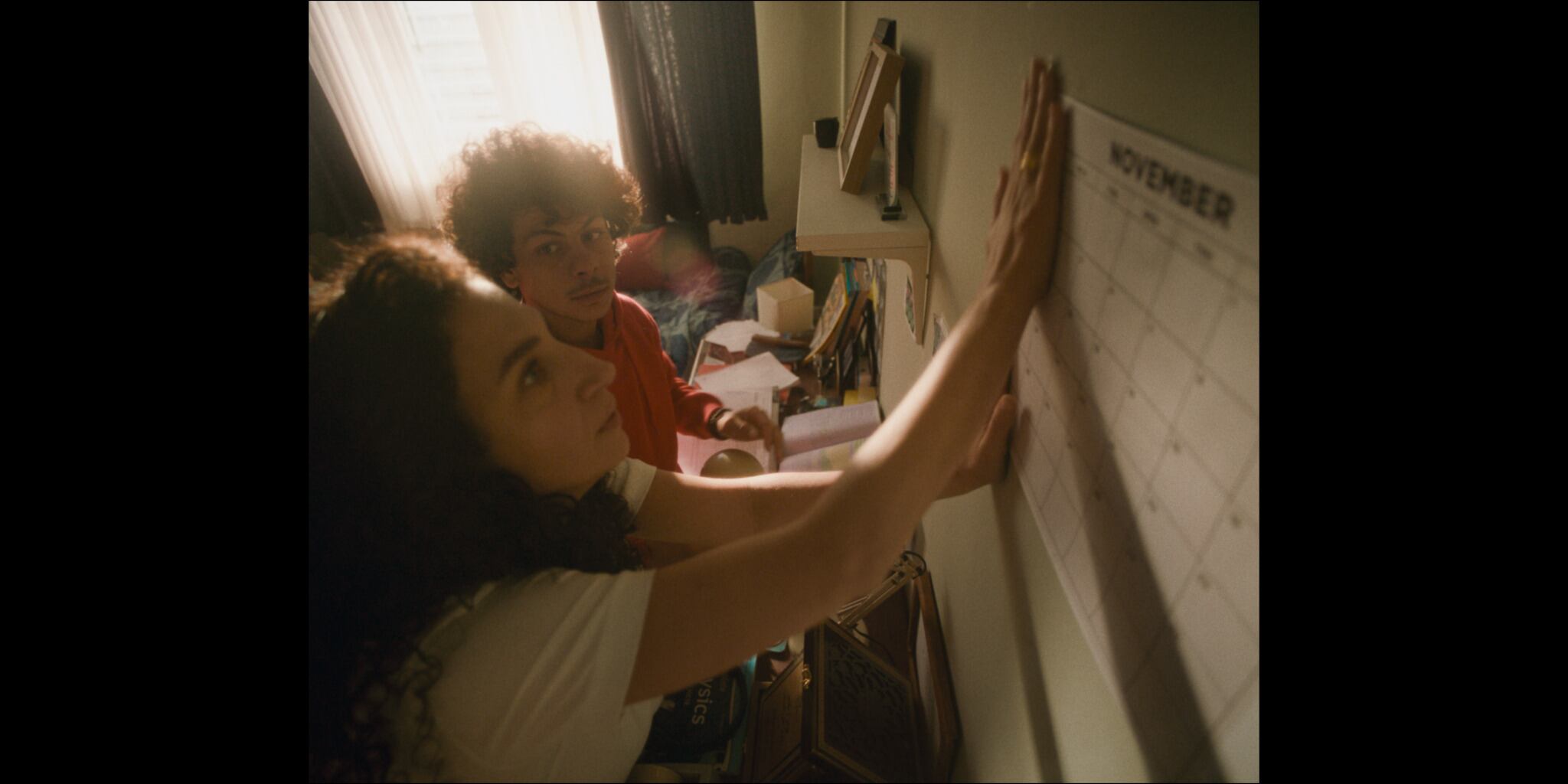
Sink stands out for its deliberate visual language. The film begins in a narrow 4:3 aspect ratio—a cinematic choice that mirrors confinement, limitation, and emotional restriction. As the story progresses, particularly during a pivotal confrontation between Nadia and Basil, the frame expands to a wider 2:1 format. This subtle shift symbolizes Nadia’s growing awareness, her reluctant acceptance of reality. “For me, this is the moment of catharsis,” Duraie explains. “This is the moment where she finally sees him—not as a problem, not as a burden, but as a person in pain.”
Yet, the frame never fully opens. Even in moments of clarity, there’s no complete liberation. The widening image suggests possibility, but not resolution. It’s a metaphor for the ongoing journey of understanding and healing—one that doesn’t end with a single breakthrough. Duraie acknowledges that changing aspect ratios is a known cinematic device, but she believes it serves a deeper purpose here: to mirror the emotional arc of denial, recognition, and continued struggle.
She also delights in the fact that many viewers don’t notice the transition until much later—sometimes after multiple viewings. “I think this is part of our job as filmmakers,” she says. “To be unsafe. To make things that are crazy, that are risky.” In an industry often driven by predictable formulas, Sink dares to be subtle, layered, and emotionally complex.
The Weight of Performance: An Imperfect Mother
At the heart of Sink is Clara Khoury’s restrained, haunting performance as Nadia. Her portrayal avoids melodrama, instead relying on micro-expressions, pauses, and body language to convey inner turmoil. There are no grand monologues, no dramatic outbursts—just the quiet agony of a woman watching her child disappear, while trying to hold onto normalcy.
Duraie worked closely with Khoury to build the character’s internal logic. “I didn’t want to write a superhero mother because that is not the truth,” she insists. “Mothers make mistakes. Parents are flawed.” Nadia is not a hero. She’s human—confused, fearful, sometimes paralyzed by guilt. Khoury repeatedly questioned Nadia’s decisions, especially her reluctance to intervene, pushing Duraie to justify each hesitation without excusing it.
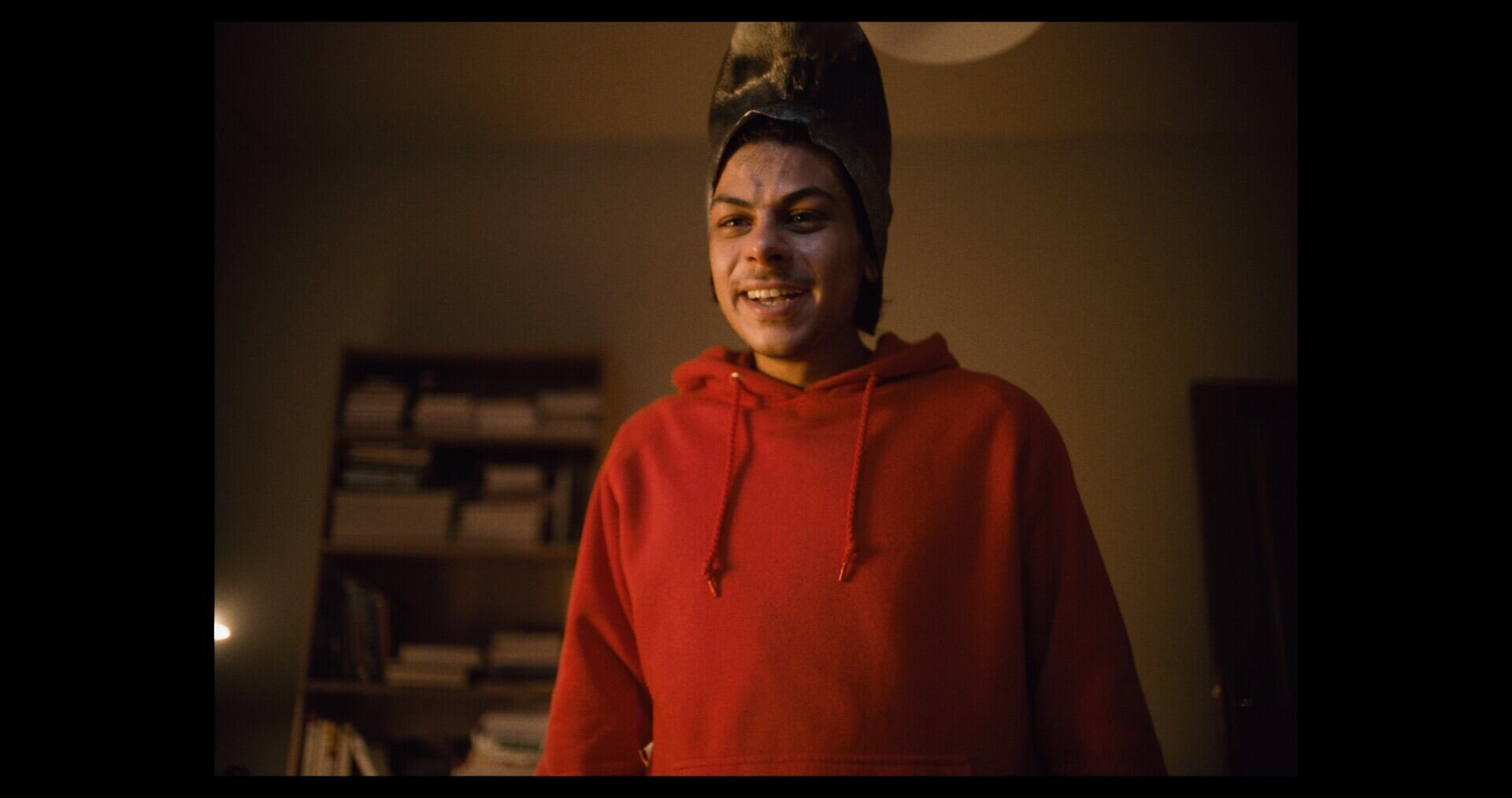
In contrast, Duraie approached Mohammad Nizar’s preparation differently. Over three years, she immersed him in research on bipolar disorder and schizophrenia—sharing books, documentaries, and films to deepen his understanding of Basil’s condition. Initially, he wasn’t given the full script. Instead, he received scene-specific materials as Duraie wrote them, allowing the character to evolve organically. This method helped create a sense of authenticity and unpredictability in Basil’s behavior.
For Khoury, however, the process was deliberately stripped of information. Duraie asked her not to study mental illness so she could remain close to Nadia’s uncertainty—her confusion, her doubt. This intentional ignorance mirrored the real-life experience of many parents who face crisis without knowing the diagnosis. Crucially, neither actor auditioned for their roles. Duraie selected them after in-depth conversations, valuing chemistry and intuition over traditional casting methods. Both were encouraged to contribute during rehearsals, and scenes were rewritten collaboratively, ensuring the performances felt true to life.
A Mirror for Families: Emotional Resonance Beyond the Screen
While mental health is the film’s foundation, Duraie’s goal was never didactic. She wasn’t aiming to teach a lesson or prescribe solutions. Instead, she wanted audiences to feel—deeply, viscerally—the weight of unspoken pain.
The response has been profound, especially among parents. Many have shared that watching Sink prompted them to reevaluate their own relationships with their children. Some admitted they had ignored warning signs, fearing judgment or misunderstanding. Others said they now feel empowered to speak up, to seek help, or simply to listen.
These reactions affirm Duraie’s belief that art can be transformative—even when it doesn’t offer answers. In a cultural landscape where mental health is still often silenced, Sink becomes not just a film, but a conversation starter. It invites viewers to step into the quiet rooms where pain lives, and to ask: What if we stopped pretending we’re okay?
The Power of Human Connection in Storytelling
The emotional resonance of Sink extends far beyond the screen, touching lives in deeply personal ways. As director Lina Duraie reflects on the film’s impact, she shares how mothers from diverse backgrounds have approached her after screenings, moved by the raw authenticity of the mother-son relationship at the heart of the story. “They told me they went home and hugged their children,” she recalls, “because they felt like maybe they weren’t doing a good enough job.” These moments underscore a profound truth: stories that reflect real struggles—especially those tied to mental health and familial bonds—can serve as mirrors for audiences, helping them see their own fears, doubts, and love reflected back with compassion.
Equally powerful are the messages received from individuals living with serious mental health conditions. Many have reached out to express gratitude for the way Basil, the film’s complex protagonist, is portrayed—not as a caricature of illness, but as a person shaped by trauma, vulnerability, and longing. “They said, ‘Thank you for making us look human,’ ” Duraie shares. “‘Thank you for not turning us into monsters.’” This acknowledgment is vital. It speaks to the responsibility filmmakers carry when representing marginalized experiences. By refusing to reduce characters to symptoms or stereotypes, Duraie has created space for empathy, understanding, and dignity.
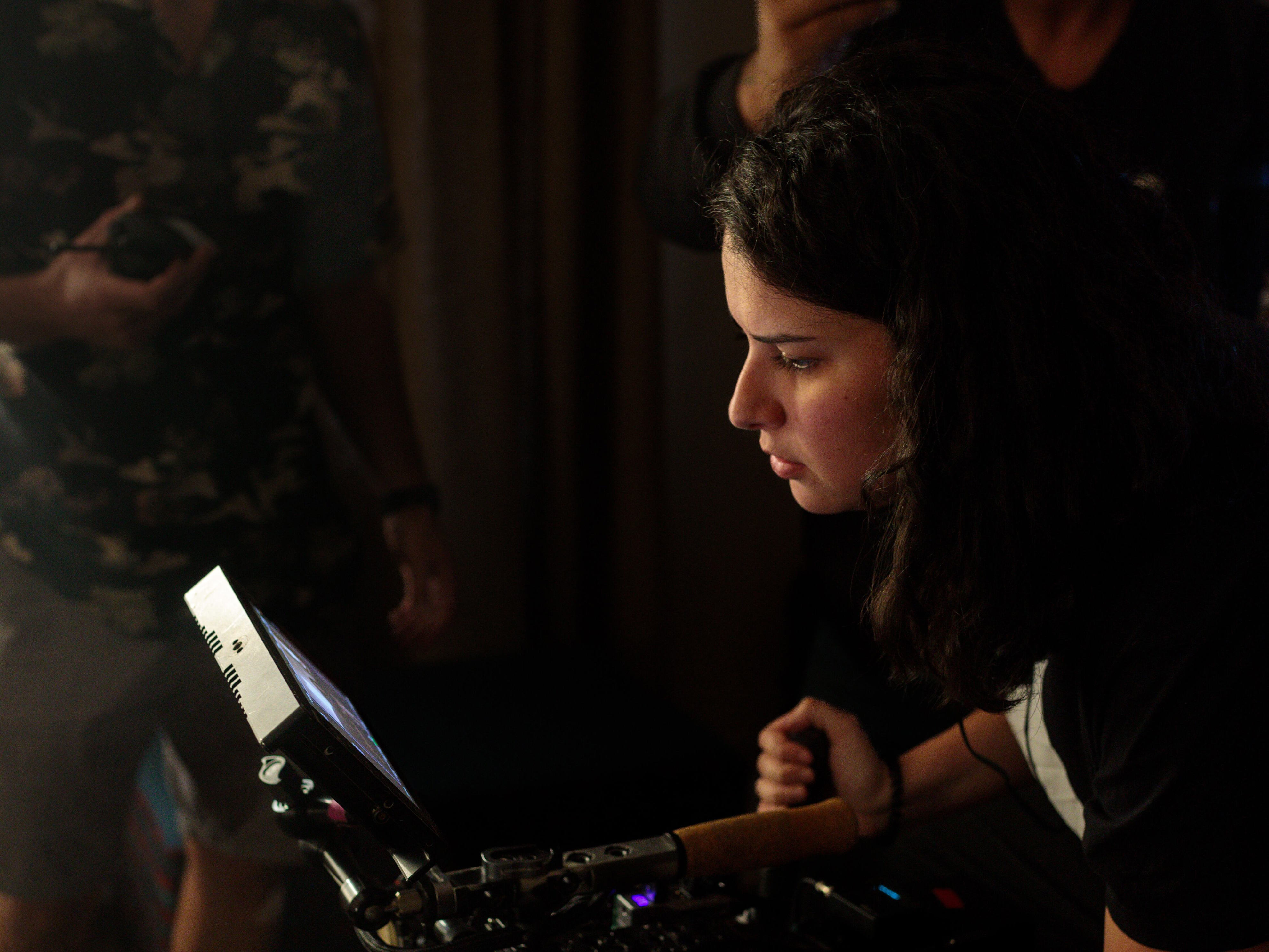
This commitment to nuance and humanity is central to Duraie’s artistic philosophy. She emphasizes that Nadia, though flawed and often overwhelmed, is never defined solely by her mistakes. Her fierce love for her son remains palpable throughout the film—a quiet, persistent force beneath the surface of chaos. “She makes poor choices,” Duraie admits, “but her intentions are rooted in care. That’s what matters.” It’s this balance between imperfection and affection that gives the narrative its emotional weight and moral complexity.
A New Chapter on the Global Stage
With Jordan’s official selection of Sink for consideration at the Academy Awards, Duraie’s debut feature now stands at the threshold of international acclaim. The recognition is more than just a milestone—it’s a validation of the film’s artistic integrity and cultural significance. “It’s a national prestige,” she says, “and it’s a great step for the film and for me personally.”
The team is actively building a strategic campaign to maximize visibility during the awards season. This includes crafting compelling outreach materials, identifying potential sponsors and investors, and preparing for press engagements across key markets. Every effort is designed not only to promote the film but also to amplify the voices behind it—particularly those from underrepresented regions like the Arab world.
Yet even as the spotlight grows, Duraie remains focused on the future. She is already immersed in the early stages of developing her next project—an original story centered around a female character whose past will inform the entire narrative structure. While still in the conceptual phase, the film promises to explore identity, memory, and resilience through a distinctly personal lens. “I’m starting with her backstory,” Duraie explains. “Before I build the world around her, I want to understand who she was before the story began.”
Shaping the Future of Arab Cinema
Looking ahead, Duraie expresses both hope and concern for the next generation of Arab filmmakers. She sees a growing trend toward chasing festival placements over authentic storytelling. “There’s so much pressure to be seen at Cannes, Sundance, or Venice,” she observes. “And when you’re writing with that goal in mind, you start anticipating what programmers want instead of listening to your own voice.”
This external focus, she warns, can stifle creativity. When directors prioritize approval over truth, their work risks becoming formulaic—crafted to fit expectations rather than reveal something unique. “If we write with the state of mind of festivals, we will never make it,” she asserts firmly.
Instead, she urges emerging filmmakers to engage in deep self-reflection. “Ask yourself: Why am I making this film? How am I connected to this subject? Does it look like me? Is there something in me in that?” These questions, she believes, are the foundation of genuine artistry. Only by answering them honestly can creators produce stories that resonate not just with audiences abroad, but with themselves.
Ultimately, Duraie’s journey—from personal inspiration to international recognition—is a testament to the power of staying true to one’s vision. In a world where cinema often demands conformity, Sink stands as a bold reminder: the most impactful stories are those that begin not with ambition, but with honesty.