
BMW & Toyota: EV Skepticism Vindicated?
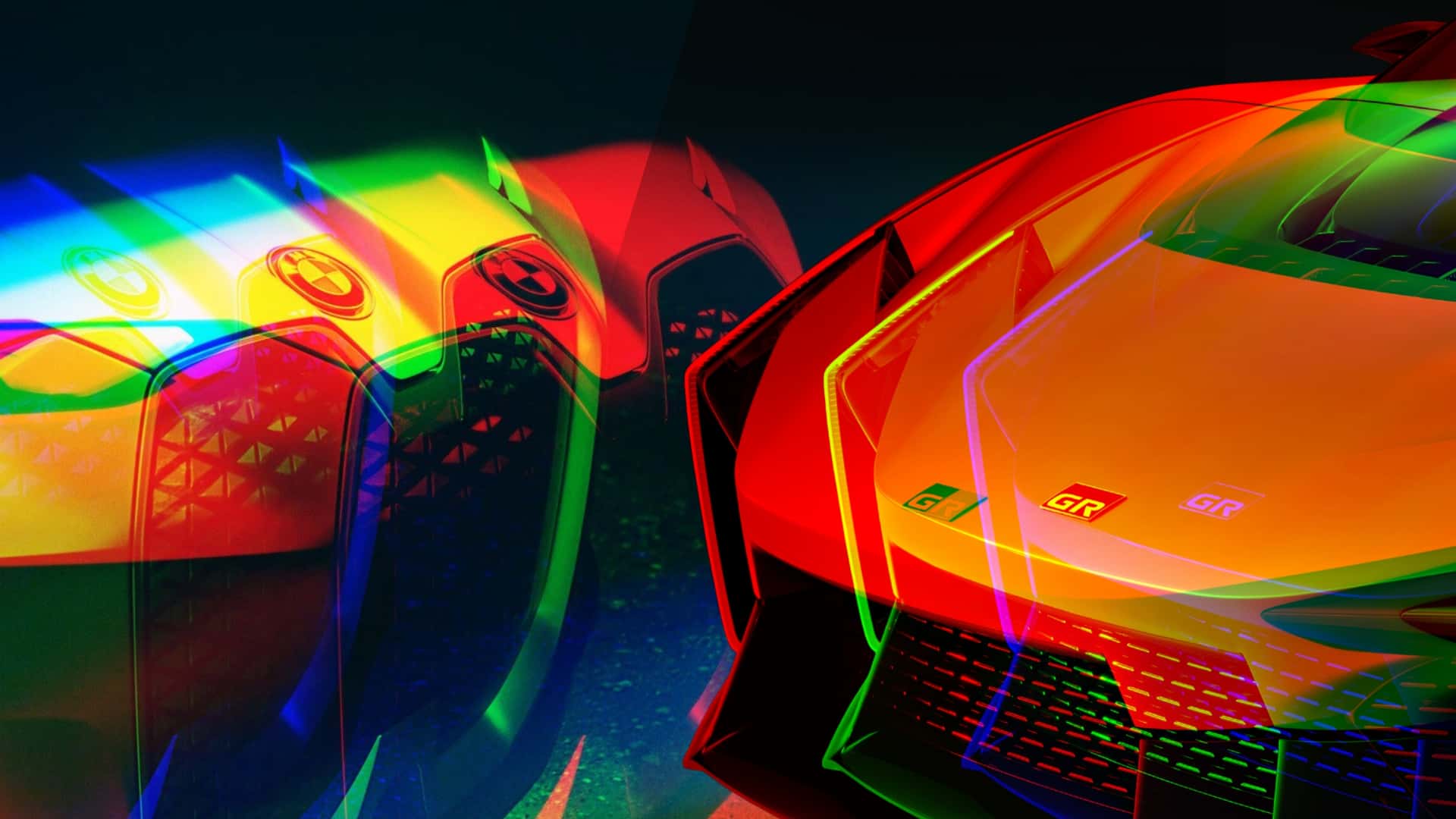 While many global automotive manufacturers raced to embrace an all-electric future, BMW and Toyota maintained a more balanced approach, continuing to invest in and develop their internal combustion engine (ICE) technology. This strategic decision appears to be paying off, as the anticipated rapid shift to electric vehicles (EVs) has not materialized as quickly as initially projected.
At the start of the decade, a wave of automakers announced ambitious timelines for phasing out combustion engines. Volvo and Bentley, for example, pledged to abandon petrol-powered cars by 2030. Ford of Europe committed to selling only electric passenger vehicles by the end of the decade. Other brands set targets for EVs to comprise a significant portion of their annual sales. Porsche, for instance, aimed for electric cars to account for over 80% of total deliveries by 2030, while Audi projected discontinuing ICE cars altogether by 2032.
However, many of these ambitious goals have since been delayed, some by a few years and others indefinitely postponed. This shift reflects a growing recognition that the transition to EVs is more complex and nuanced than initially anticipated.
Automakers initially jumped on the EV bandwagon, anticipating a surge in demand. However, while most announced plans to phase out combustion engines entirely, two major players bucked the trend: BMW and Toyota.
Neither BMW nor Toyota committed to aggressive EV-only strategies. Instead, these companies, a leading luxury brand and the world’s largest car manufacturer respectively, argued that EVs wouldn’t be suitable everywhere within such a short timeframe. Electric cars are generally more expensive than their petrol counterparts, and the charging infrastructure remains underdeveloped in many regions.
BMW has adhered to its "Power of Choice" philosophy, providing customers with a range of options, including gasoline, diesel, plug-in hybrid, and electric vehicles. By 2028, the company plans to launch a hydrogen-powered vehicle based on the X5, featuring a fuel-cell setup co-developed with Toyota.
BMW CEO Oliver Zipse has expressed concerns about the European Union’s planned 2035 ban on new petrol-powered car sales, arguing that it would restrict consumer choice and negatively impact the automotive industry, potentially leading to job losses. He stated that a one-sided regulation limiting supply is not ideal and that e-mobility alone could lead to a dead-end. He emphasized the need for a strong automotive and supplier industry in Europe.
BMW is still investing heavily in decarbonization. The company has invested over €10 billion into the Neue Klasse, its largest single investment ever. The new iX3 will lead a wave of upcoming electric vehicles, including an i3 sedan arriving next year. A fully electric iX5 has already been confirmed, with many more zero-emission models to follow.
Despite its investment in EVs, BMW remains committed to combustion engines, including large-displacement inline-six and V-8 engines used in its M division models. These engines are being reworked to meet Euro 7 regulations, ensuring the 3.0- and 4.4-liter powertrains' future in performance models. Diesel engines are also expected to remain in the lineup, with BMW confirming their use in the next-generation X5 due in 2026.
Toyota plans to utilize its upcoming gasoline engine for various applications. Andrea Carlucci, Toyota Europe’s Vice President of Product Strategy and Marketing, said they are optimizing the new engine for electric, hybrid, and hydrogen applications.
Last year, Toyota chairman Akio Toyoda predicted that EVs would never exceed a 30% global market share. Toyota's current approach mirrors BMW’s by avoiding artificial limitations on customer choice. The company is not betting everything on EVs at the expense of combustion engines, especially given its long-standing success with hybrids since the Prius's debut in 1997.
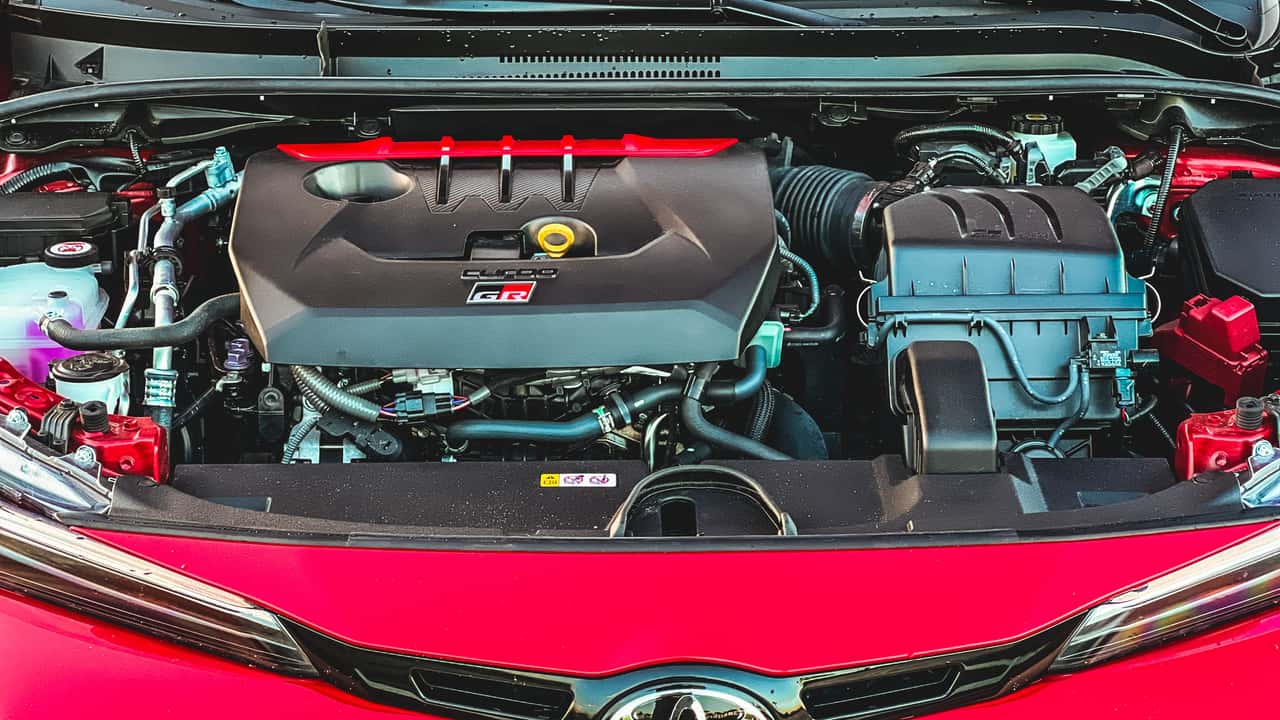
Toyota is also investing in alternative solutions to reduce emissions while keeping engines alive. It’s working with Mazda and Subaru to develop synthetic, carbon-neutral, and bio-based fuels. The company has tested hydrogen-burning combustion engines, fitting GR Yaris and GR Corolla experimental prototypes with modified versions of the 1.6-liter turbocharged three-cylinder engine.
BMW and Toyota's consistent strategies provide them with a competitive advantage. Porsche, for example, is now making unexpected investments to replace the first-generation Macan with a new petrol-powered crossover that was not originally planned. The 718 Boxster and Cayman will also receive combustion engines again, while a three-row SUV initially intended to be electric-only will launch first with conventional powertrains.
These course corrections can be costly. However, EV sales continue to grow, albeit not as quickly as automakers had hoped.
According to the European Automobile Manufacturers’ Association (ACEA), EVs represented 17.7% of total new car sales in Europe during the first eight months of the year, up from 14.1%. In 2024, over 20% of new cars sold globally were electric, according to the International Energy Agency (IEA).
The IEA also reported that global EV shipments rose by over 25% year-over-year, exceeding 17 million units. For 2025, it expects another 25% increase to over 20 million units, with China accounting for approximately 14 million EVs, or roughly 60% of its new-car market.
BMW and Toyota are well-prepared for the future. By sticking to a multi-energy strategy established years ago, both automakers are positioned to serve all market segments globally, regardless of how quickly the shift to electric power unfolds.
The transition rate will vary by region. In 2024, for example, EVs made up 89% of new car sales in Norway, according to the Norwegian Road Federation (OFV). Meanwhile, a study found that only 9.2% of cars sold in the United States last year were fully electric.
These regional disparities are likely to persist, supporting the view that BMW and Toyota's approach was correct. This strategy allows them to cater to diverse market needs and adapt to the varying pace of EV adoption worldwide.
Post a Comment for "BMW & Toyota: EV Skepticism Vindicated?"