
Miata's Secret Perfection
The Allure of the Open Road: Experiencing the Mazda Miata in California
California, with its winding coastal highways and sun-drenched landscapes, provides the perfect backdrop to truly appreciate the essence of a sports car. And few cars embody that spirit quite like the Mazda Miata. Driving the Miata through this iconic state reveals a vehicle that transcends mere transportation, offering a unique and almost spiritual connection to the road.
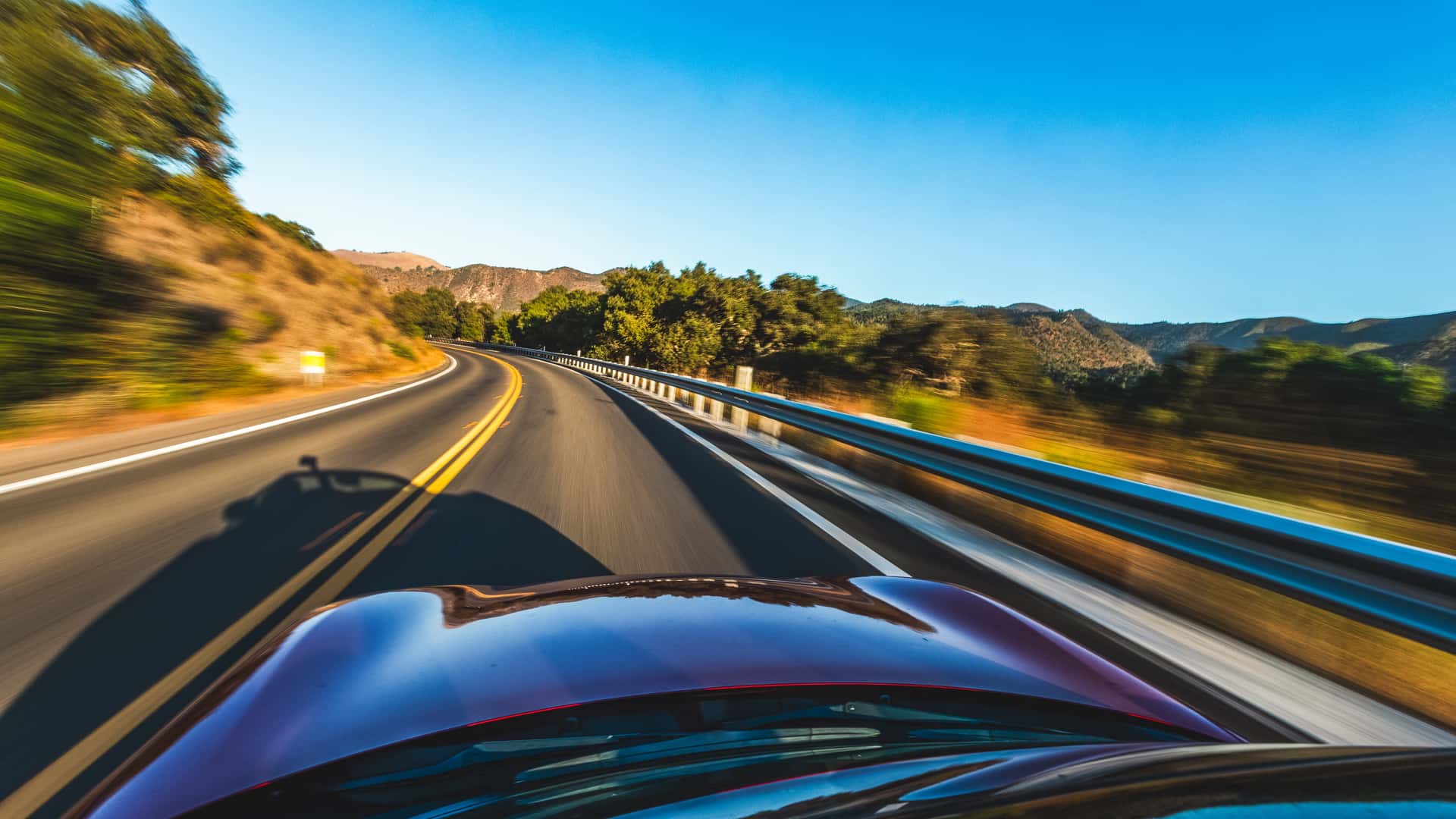
The concept of "spirituality" is multifaceted. It can encompass religious beliefs, philosophical approaches to life – the pursuit of balance and inner peace – or even the simple act of finding meaning and joy in everyday experiences. It's about connecting with something larger than oneself, achieving a state of flow where everything feels effortless and right.
To suggest that a sports car can achieve all of these things might seem exaggerated. But the Mazda Miata comes remarkably close. It embodies a sense of harmony, blending beauty, restraint, and dynamic movement into a seamless experience. It's a fusion of human intention and mechanical precision.
This realization became profoundly clear during an extended road trip, covering over 2,000 kilometers along California's scenic routes, from the bustling city of Los Angeles to the picturesque Monterey Peninsula and back again. It was an opportunity to not only experience the Miata's capabilities but also to rediscover the therapeutic power of a truly engaging drive.
Here are a few reasons why the Miata stands out:
-
Balance and Harmony: The Miata's design philosophy emphasizes balance. Its lightweight construction, precise steering, and responsive engine create a sense of connection between the driver and the road. It’s about feeling the car move beneath you, responding to every input with agility and grace.
- This balance isn't just about performance; it's also about aesthetics. The Miata's sleek lines and minimalist interior create a sense of understated elegance. It’s a car that looks as good as it feels to drive.
-
The Joy of Simplicity: In a world of increasingly complex and technologically overloaded vehicles, the Miata offers a refreshing dose of simplicity. It focuses on the essentials: a responsive engine, a precise gearbox, and a well-tuned chassis.
- There are no unnecessary distractions, no complicated infotainment systems to navigate. The Miata is about the pure, unadulterated joy of driving.
-
Connection to the Road: The Miata encourages an active driving style, rewarding smooth inputs and precise control. It's a car that demands attention and engagement, fostering a deeper connection between the driver and the environment.
- The open-top design further enhances this connection, allowing you to feel the wind in your hair and the sun on your face. It’s an immersive sensory experience that elevates the simple act of driving into something truly special.
-
A Sense of Freedom: Driving the Miata evokes a feeling of freedom and liberation. It's a car that encourages you to explore, to take the long way home, to simply enjoy the journey.
- Whether you're cruising along the coast or carving through mountain roads, the Miata is the perfect companion for adventure.
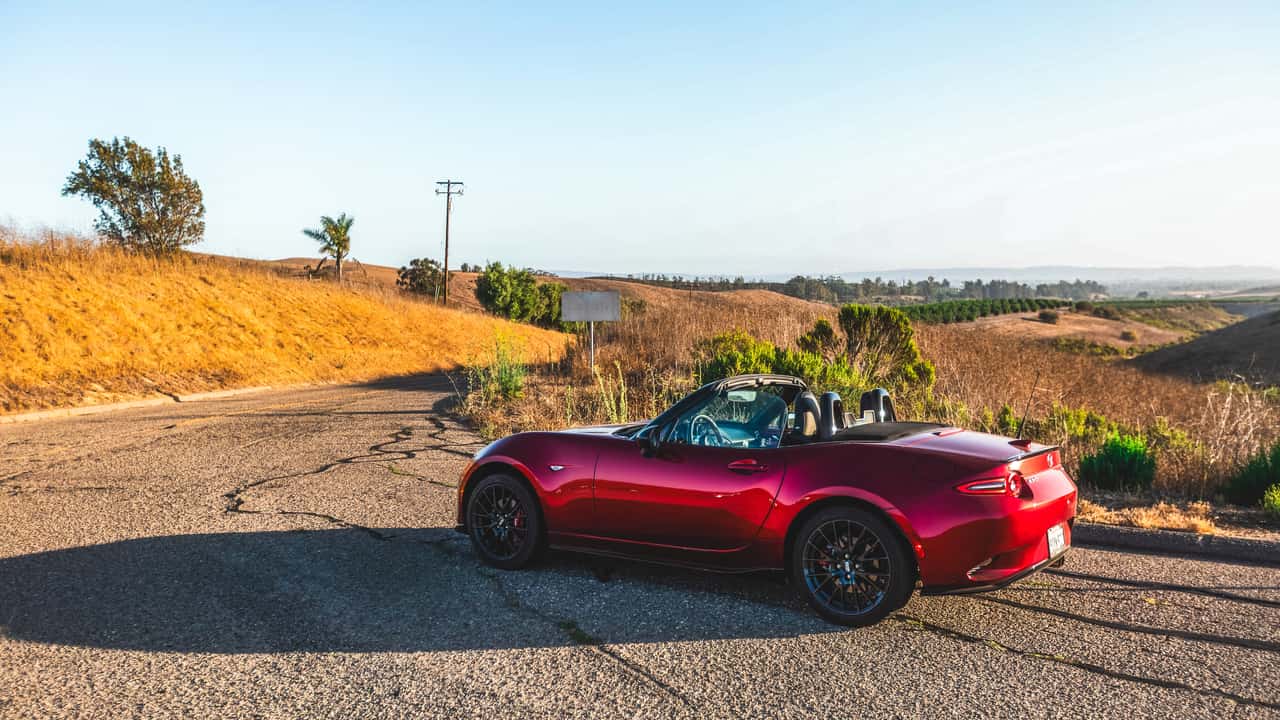
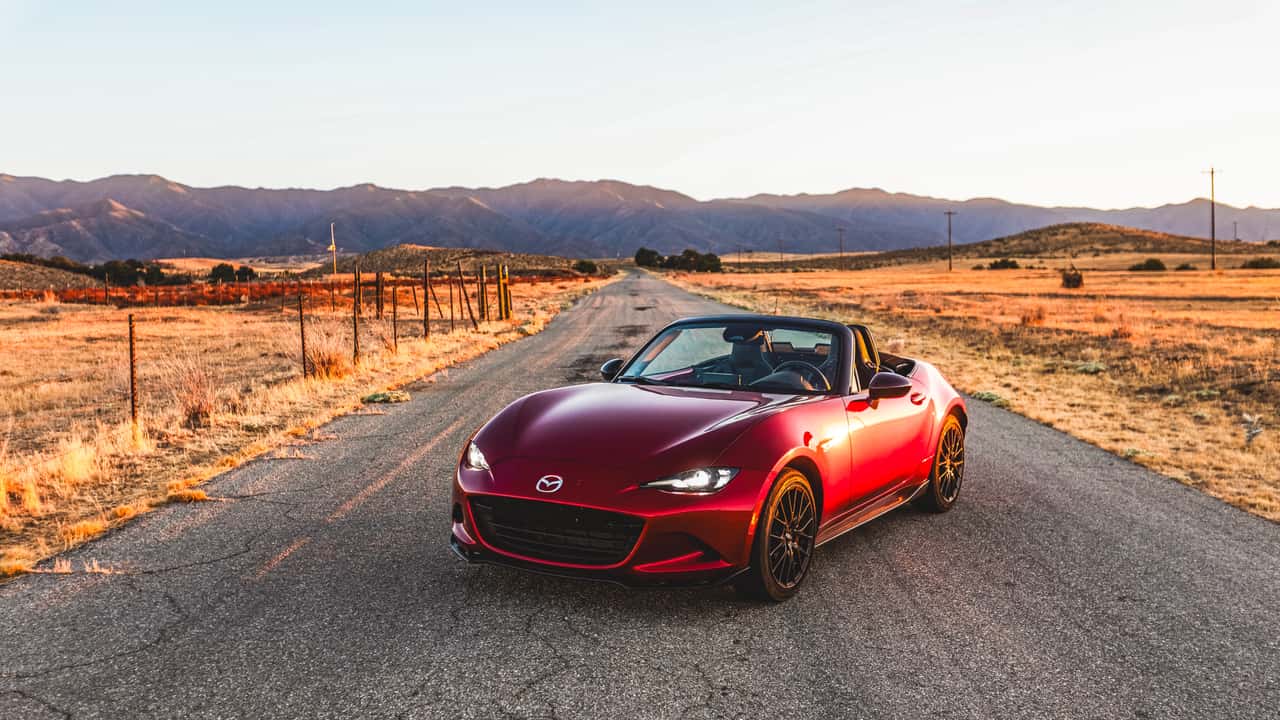
The Miata is endlessly fascinating because it isn’t built for anyone in particular. A core group of nerds within the small Hiroshima car maker builds them to a very specific niche, one that isn’t beholden to broader enthusiast opinion.
The Miata is the tastemaker, not the follower.
It all started almost 30 years ago in California. The highlights are well known: Mazda wanted to build a roadster in the vein of old British roadsters. In an internal design competition, the Japanese team proposed a front-wheel drive idea, while the California team proposed the rear-driven layout that became the lightweight and iconic NA Miata. With a design team led by the recently departed Tom Matano, Project P729 was lovingly developed (alongside the FD-generation RX-7) on California backroads.
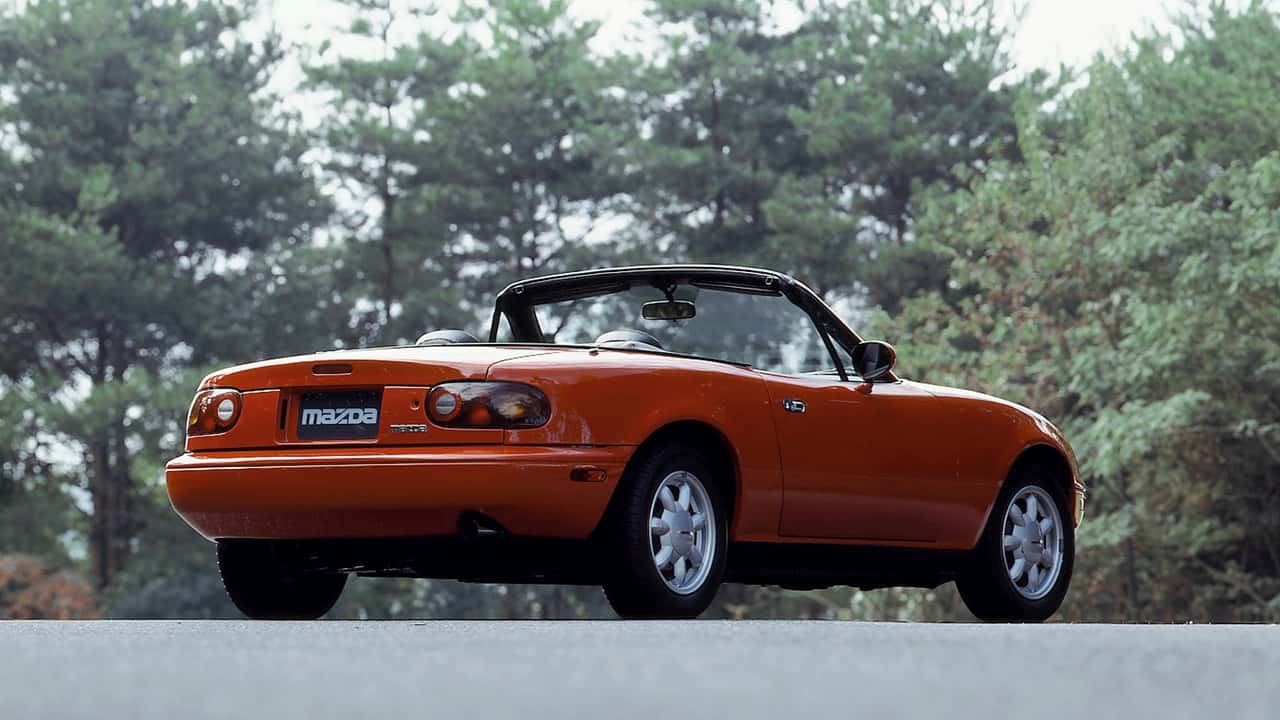
The 'NA' Miata. The first Miata.
While the NA was certainly a global effort, the fantasy that drove the project was that of California. The goal was to make a sports car that could be fun at all speeds and comfortable for long-distance backroad touring, providing an escape for anyone who drives it. As Nobuhiro Yamamoto, program manager of the ND MX-5 (and the FC and FD RX-7) said, "The RX-7 is a pure sports car… but the MX-5 is fun to drive. You’re smiling."
But the Miata was always more than the sum of its parts. It accessed something higher, something kinesthetic and ancient. Through four generations of Miata, this "something" has been explored, but it has never been as refined as now. The ND3 Miata is the definitive Miata. And California is the definitive Miata environment.
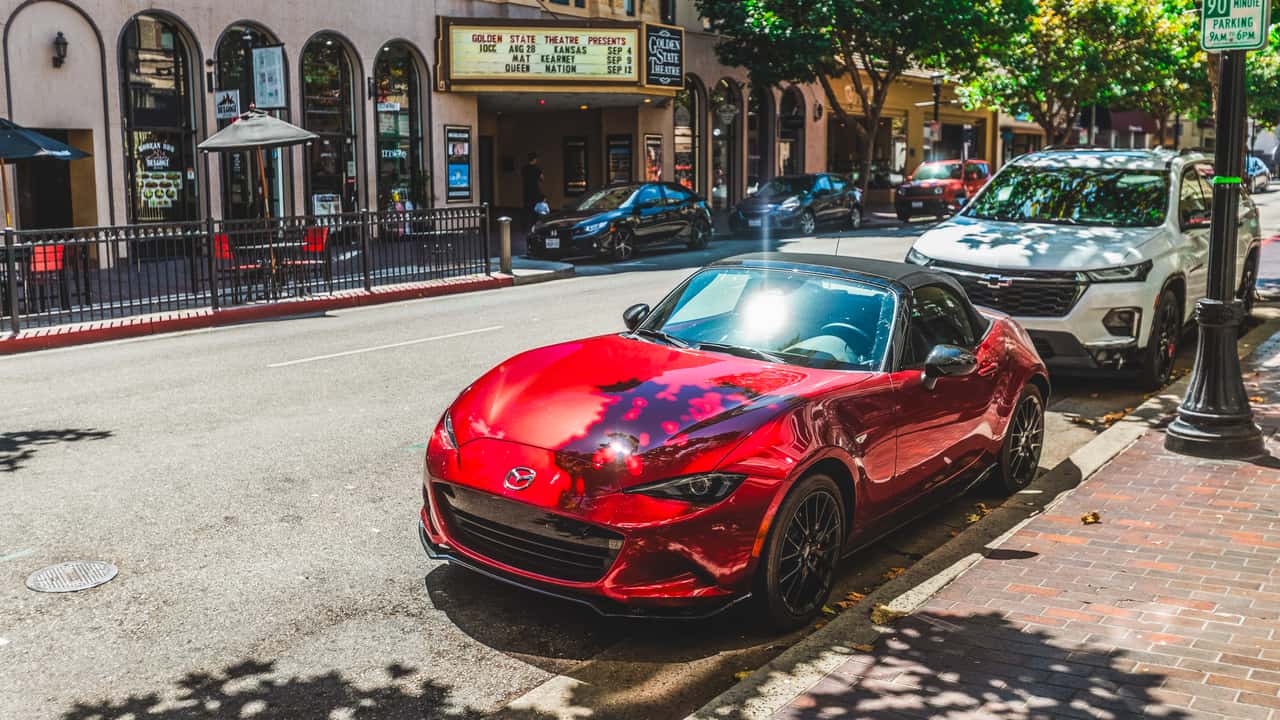
Monterey is the heart of California’s Central Coast. It was once the capital of Spanish-ruled California in 1777, and it's now some of the most valuable real estate on the planet.
Most people know Monterey for Monterey Bay, its aquarium, and the nearby town of Carmel-by-the-Sea. Even in the beauty-rich splendor of the California coast, Monterey is exceptionally beautiful. Car people will know it as the heart of Monterey Car Week, where the Peninsula and Carmel are overrun with cars.
Downtown Monterey in the "oh god, did cars give me a hangover?" Sunday after this year’s car week was my start point for the 400-mile journey back home. I plotted a route that avoided most freeways, but did not take the Pacific Coast Highway. PCH avoidance was in effect for two reasons: The road isn’t open all the way through, and PCH isn’t a good driving road. It’s scenic, sure, but the little-known roads nestled between the Interstate 5 and Route 101 are where the real gems are.
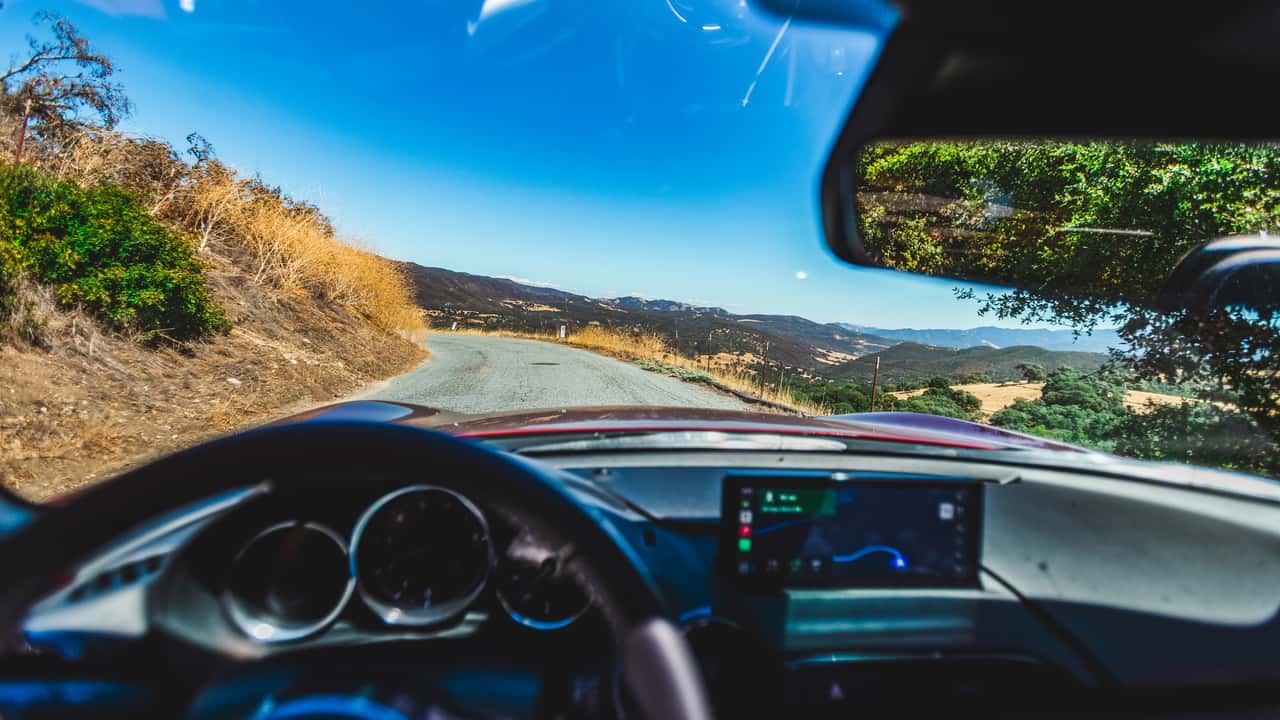
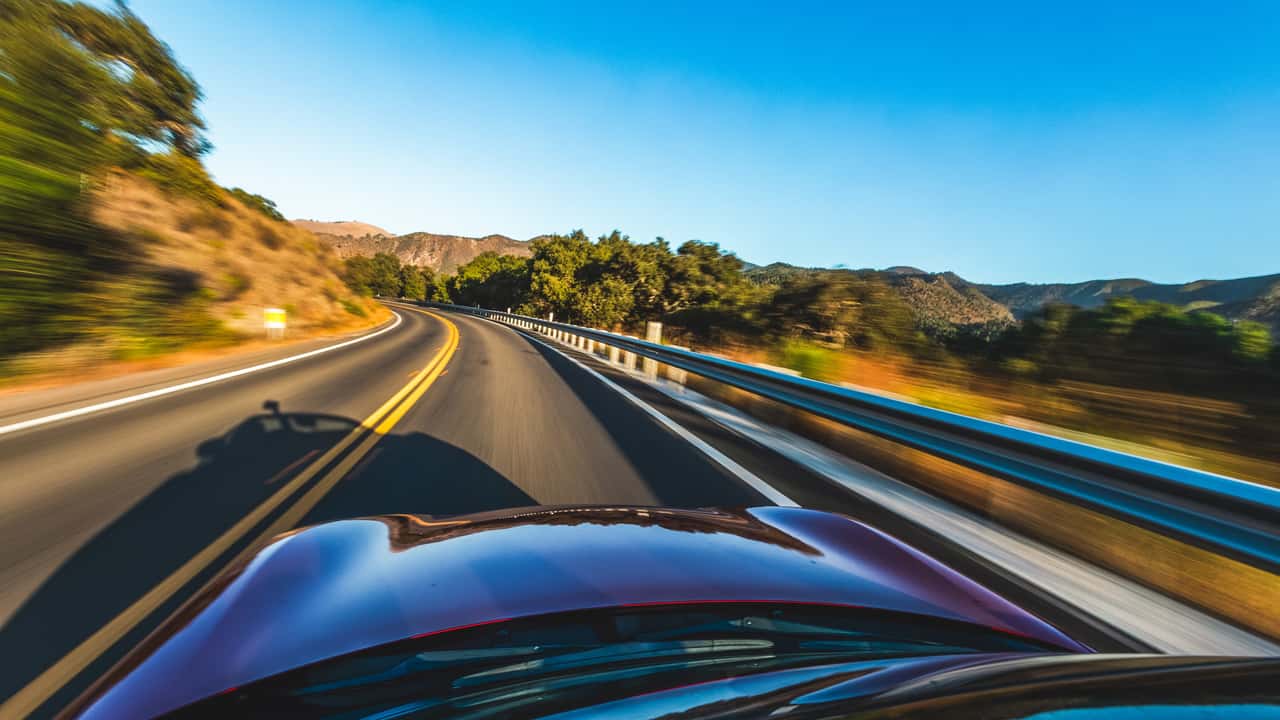
From Monterey, the Miata and I drove through the Carmel Valley to the first leg: Carmel Valley Road. It extends 45 miles southeast from Carmel-By-The-Sea with a lazily drizzled lace of asphalt. It is a quintessentially Central California road—narrow, agonizingly twisting, and bumpy. It could not be more perfect for the Miata.
Of all the accusations leveled against the ND MX-5, being too soft and too silly is its biggest. In previous iterations, this was true. But the updates to the steering and differential locking characteristics have turned the Miata from slightly unpredictable whimsy to a furiously adorable and incredibly precise waterbed.
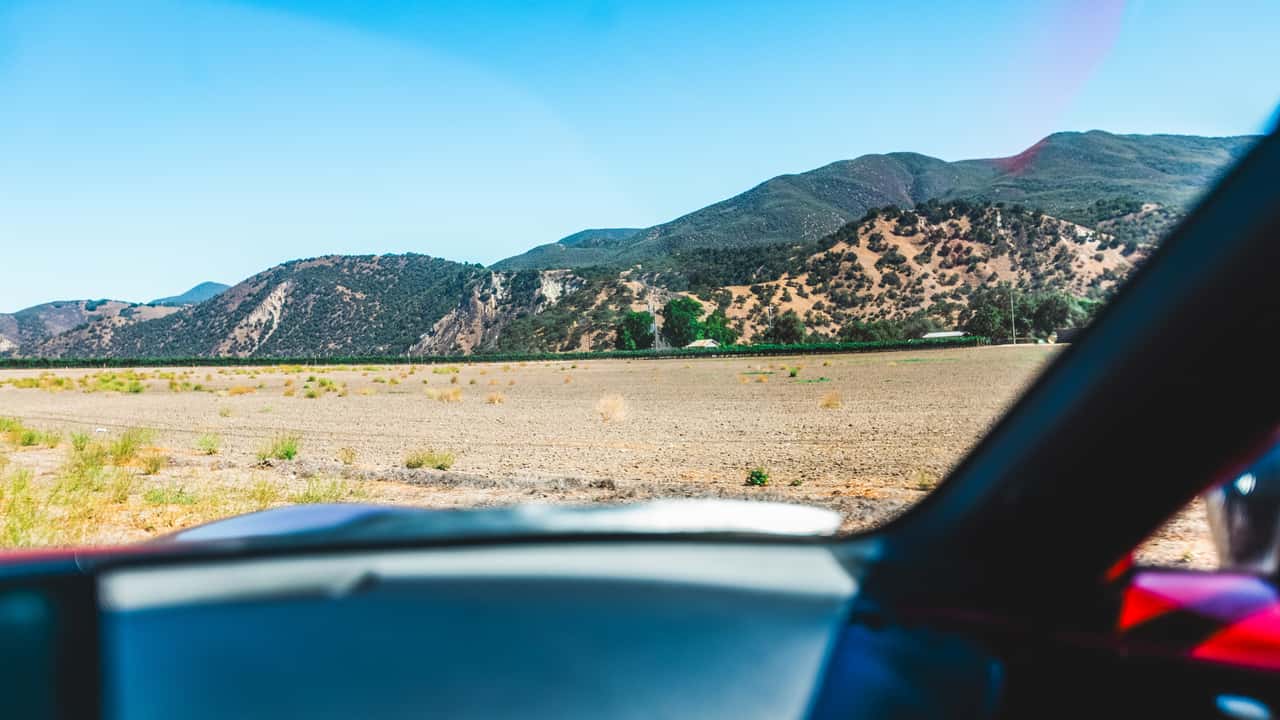
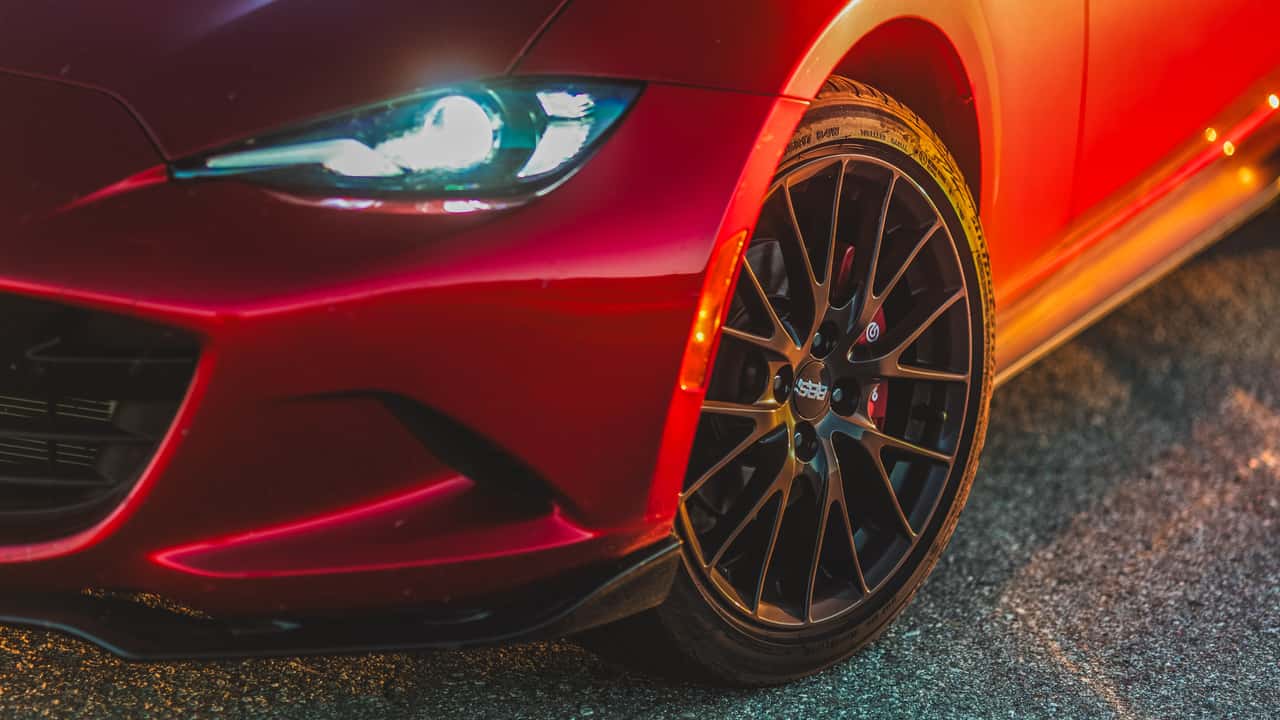
Over the ridges, camber changes, and cracks, composure was never in question. Suspension control was precise and consistent, but never upsetting to the overall motion of the Miata. Mid-corner bumps would have little influence on rotation, and the steering communicated details and load changes quite clearly. On its low-grip Bridgestone tires, the Miata danced and moved, making the 40-mph backroad a playground for chassis dynamics.
Oops, a little too much brake pressure and the Miata would back its tail into a turn. Just as much, a bit of zealous throttle with some steering input provoked baby slides. Yet the valley of traction was wide and gentle, making it easy to choose what you wanted. A 45-mile stretch of bumpy, unfamiliar backroads became as friendly and approachable as the Miata. Slowly, surely, meditation began. And only once the trance broke did I see the incredible vistas afforded to me by California’s heartlands.
Following along the Carmel Valley via the Arroyo Seco river deposited me into the broader, heavily farmed Salinas Valley. From there, I avoided the 101 as much as I could, instead driving along two-lane farm roads just outside of Greenfield. But soon, the party was over, and my backroad drive became a highway drive until I met the coast again.
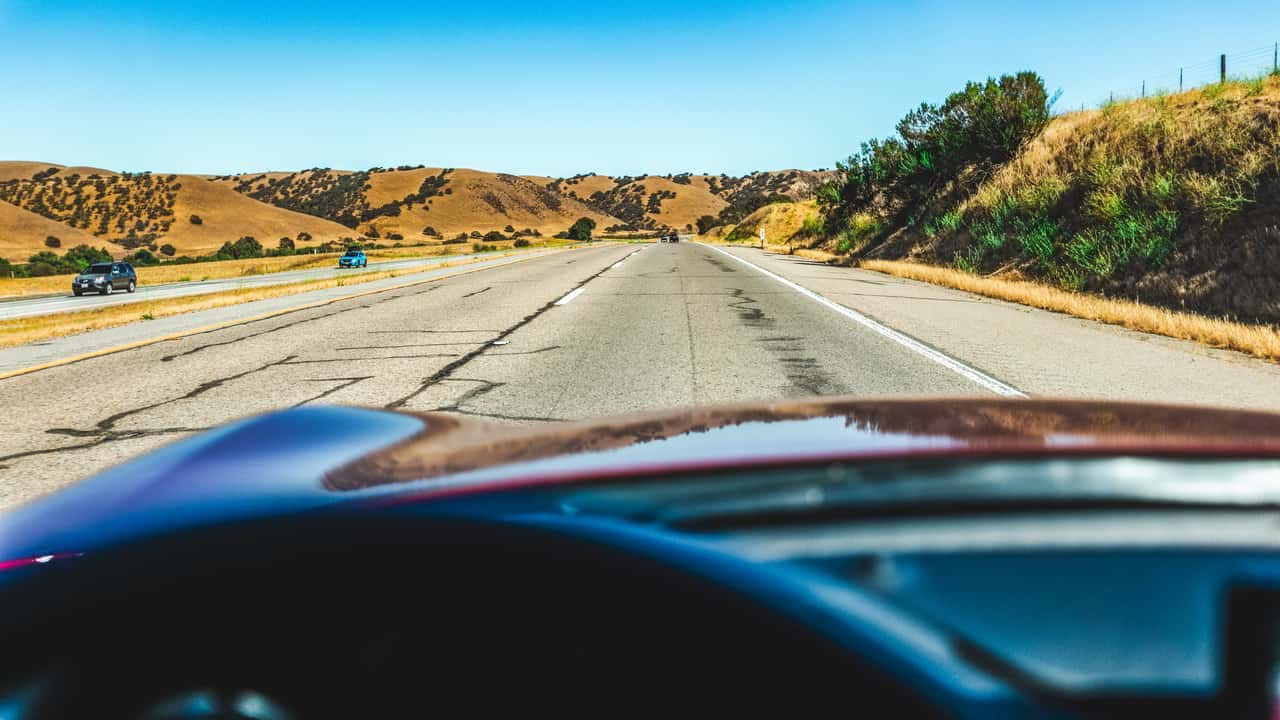
Still, the 101 is considered an alternate corridor for traversing the state. For those who don’t know, the Interstate 5 is the primary artery that connects southern and northern California, lancing through the San Joaquin Valley. To the west, the 101 winds along the coast and smaller valleys, following a more natural highway route that is significantly more scenic than the 5. Finally, Route 1, better known as PCH, traverses the coast. The 1 and 101 are often concurrent but follow mostly different routes.
The 101 predates the interstate system, but it’s a 1920s example of a superhighway. It’s in the same vein as Long Angeles’ Arroyo Seco Parkway as an early forerunner of the ultra-efficient and ultra-expensive interstates, but it was ultimately limited by the tools of the time. Still, it’s a pleasant highway that winds and weaves, leaving little room for boredom as it approaches the coast.
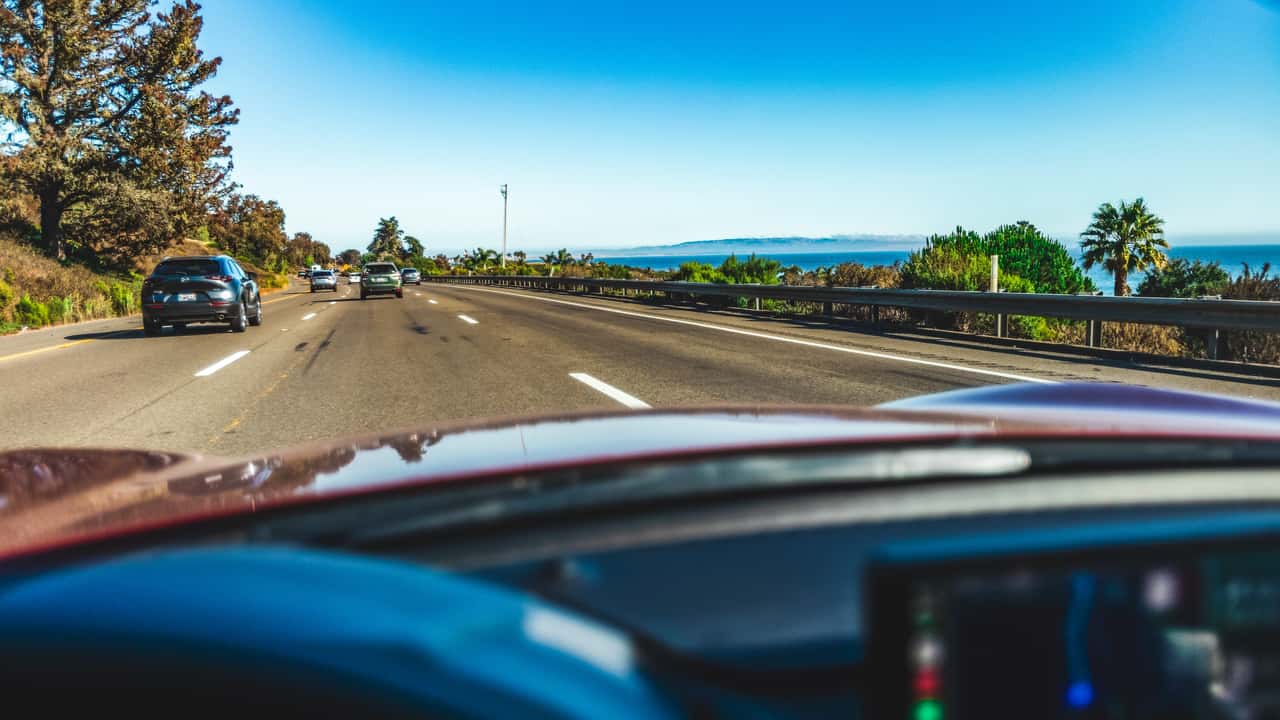
The lonely valley that the 101 winds through slowly became greener, and once I hit the inland city of San Luis Obispo, I knew the coast wasn’t far. Then, the Pacific Ocean revealed itself once more, some 156 miles south of Monterey.
So far, the drive was melting away. Stopping in the town of Pismo Beach, most famous for its vehicle-accessible dunes and known as the "Clam Capital of the World," I had an aggressively okay cheeseburger and stared at the beach for a while, considering the ND3.
I’ve written about and driven the car almost ad nauseam. I’ve extolled the virtues of other similar sports cars for many years, such as the exceptional second-generation Subaru BRZ or the transcendent Honda S2000. In fact, I bought an S2000 to replace my BRZ because I wanted the purest sporting experience possible. Yet the ND3 has me thinking I may have it all wrong.
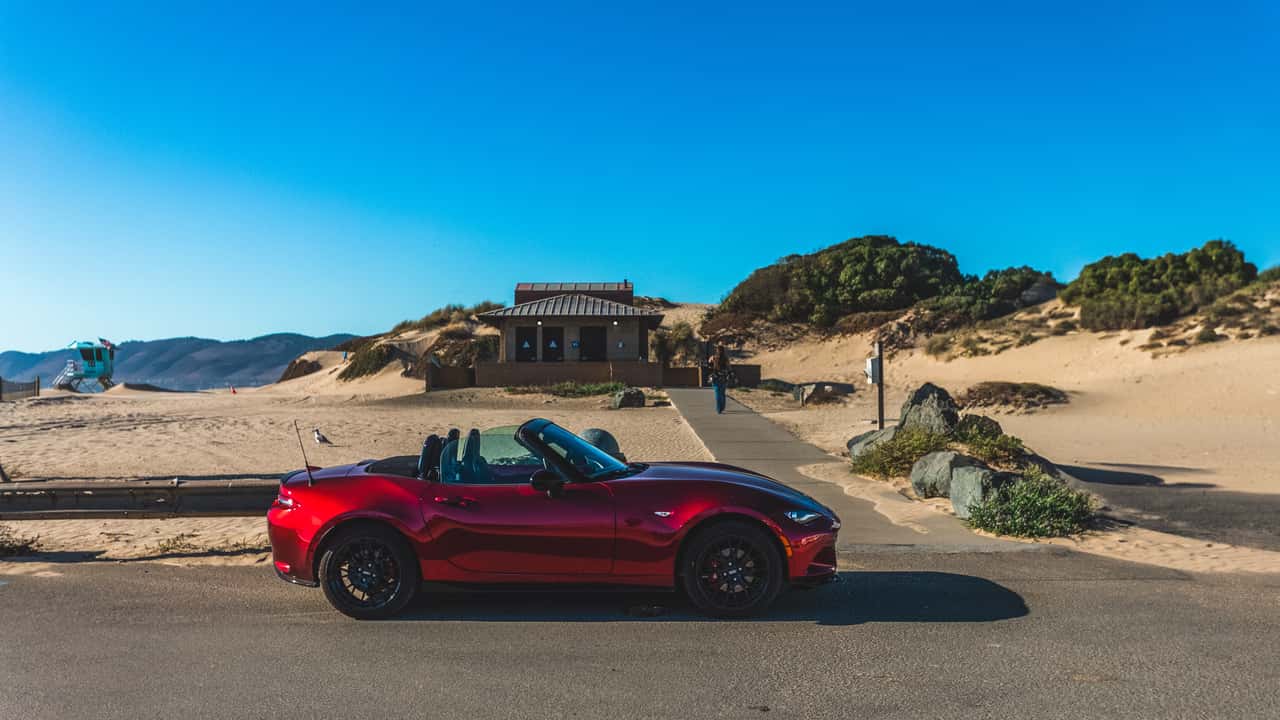
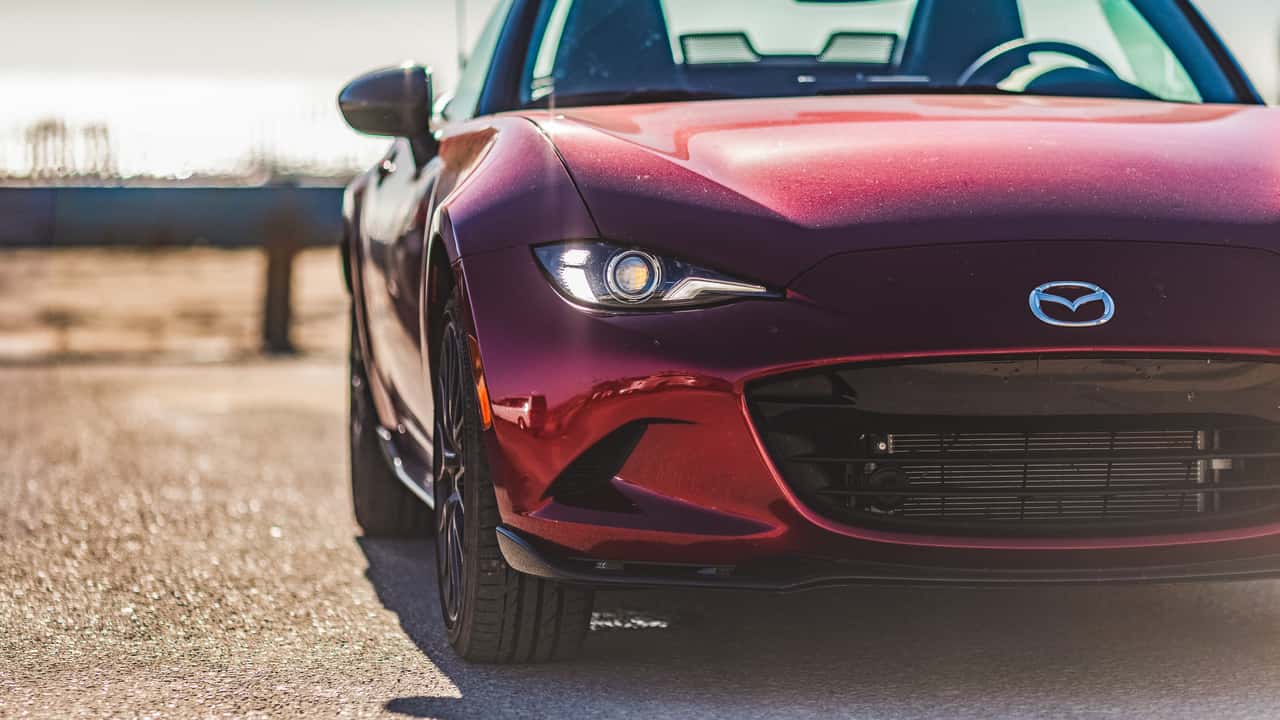
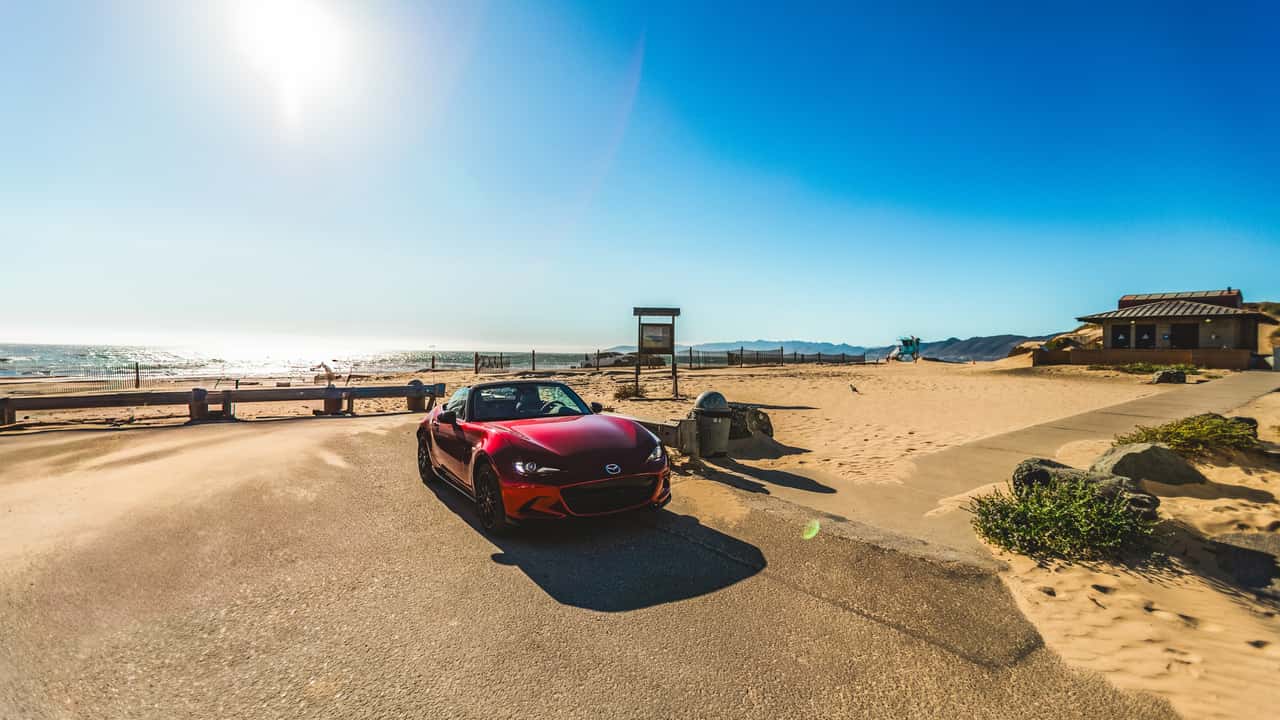
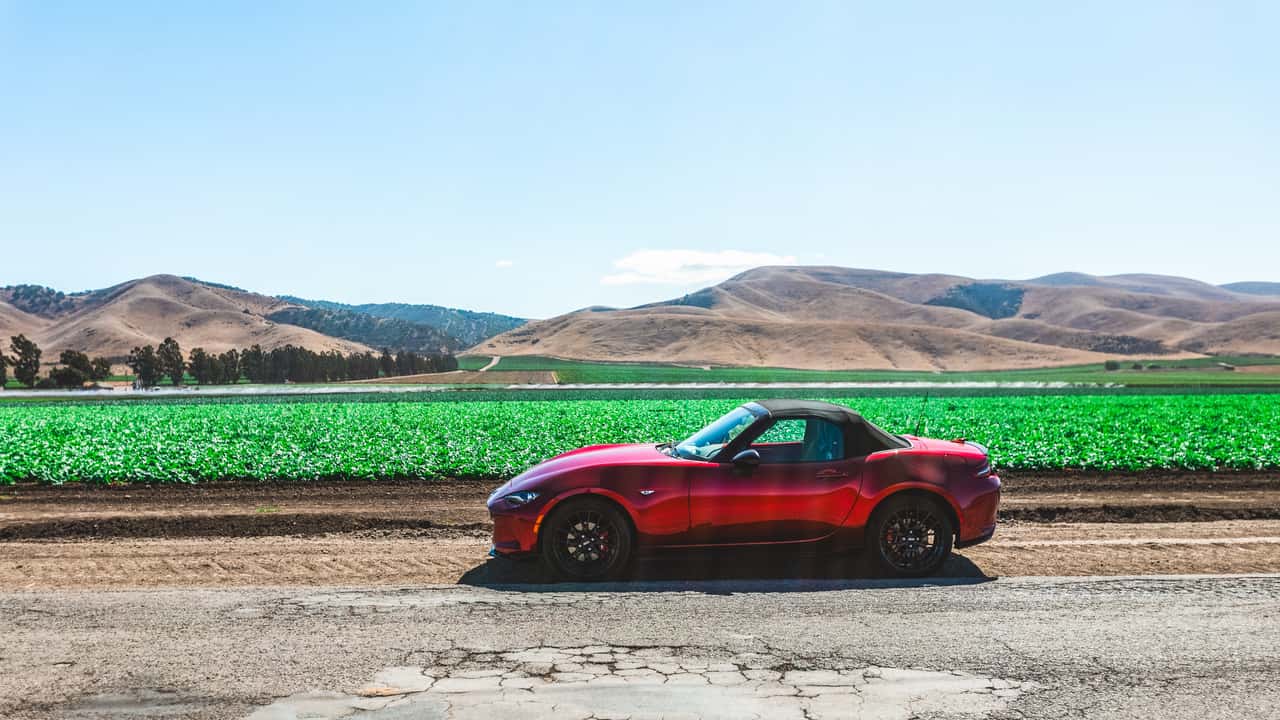
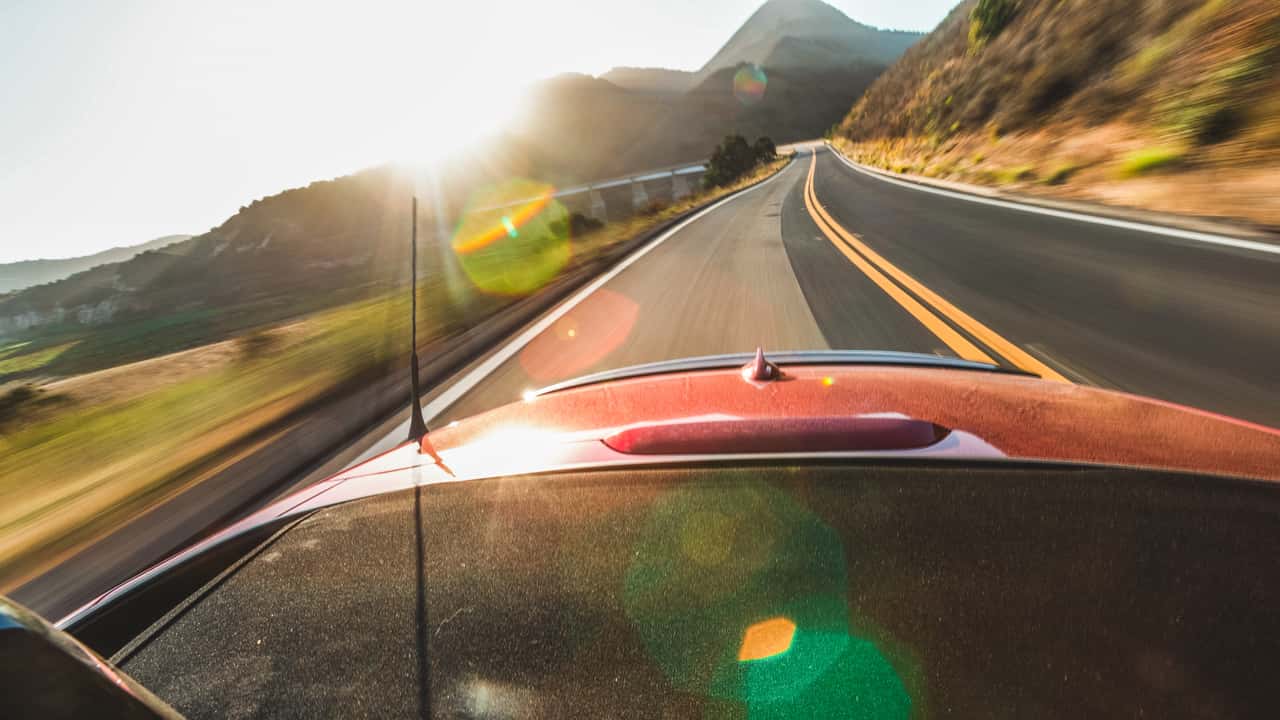
I continued my thoughts as I headed east from Pismo Beach, on the final leg of my journey. State Route 166, known as the Cuyama Highway, winds through the Cuyama Valley and leads to the town of Cuyama. Finally, in the late afternoon light, I could drop the top and get lost in the romance of it all—the falling sun, the ND, and a boundless sky.
The mixture of qualities is just right. The Miata is lightweight and has dual wishbones all around—ideal for sporting purposes. It also rides extraordinarily well and takes advantage of its softness, making for a more engaging and transparent driving experience. It's also quiet enough to live with every day, being just tiring enough to be memorable, but livable enough that I don’t dread driving it. With the top down, it is gusty, but not exhaustingly so.
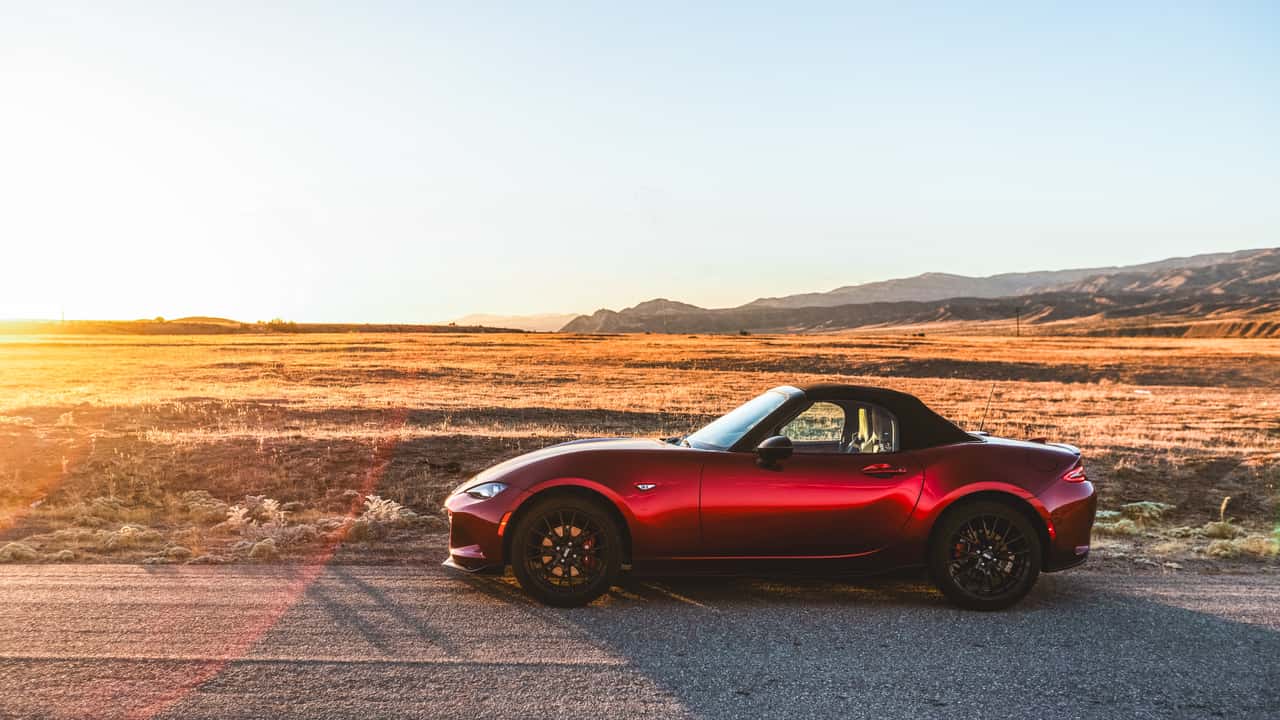
The ND’s engine is lusty, smooth, and revvy, while the shifter is poetry that a generation of automotive enthusiasts judges every other manual transmission by. The ND3’s new steering rack is Porsche-good—intuitive, with a clearly defined effort curve and genuine feedback.
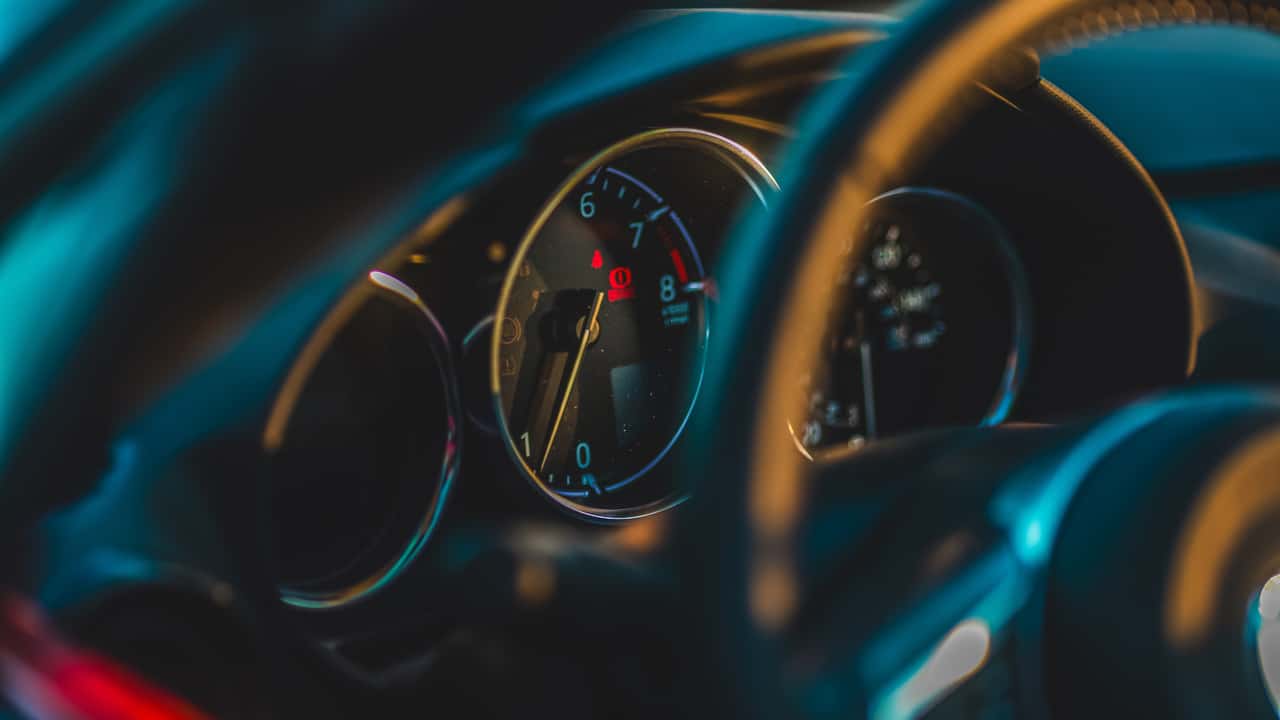
Then, it looks fresh, modern, and tiny, even though the ND is almost a decade old. There’s artfulness and elevation in its design, feeling more than its price or its parts. I love Mazda’s resistance to screens, leaving a huge analog tachometer in the dead center of the gauge cluster.
The Miata captures a moment in time and consistently re-releases that memory to its driver. A totality of passion created this; human beings who agonized over the emotion of the product rather than the numbers it delivered. It’s what makes the MX-5 exceptional. It could not be bothered to be the fastest, grippiest, and most technologically advanced.
It’s incredible that, in 2025, the ND Miata even exists at all. Not just in the regulatory sense—emissions, crash safety, and consumer demands—but in a philosophical sense. We are in a firmly post-culture world. Originality and original thought are harder and harder to come by. Many of the cars we drive today are heavily derivative, rarely innovative, and almost always evolutionary.
The ND was and still is a revolution, even if it was largely a spiritual revival based on the idea of the first MX-5. There is nothing else like the Miata.
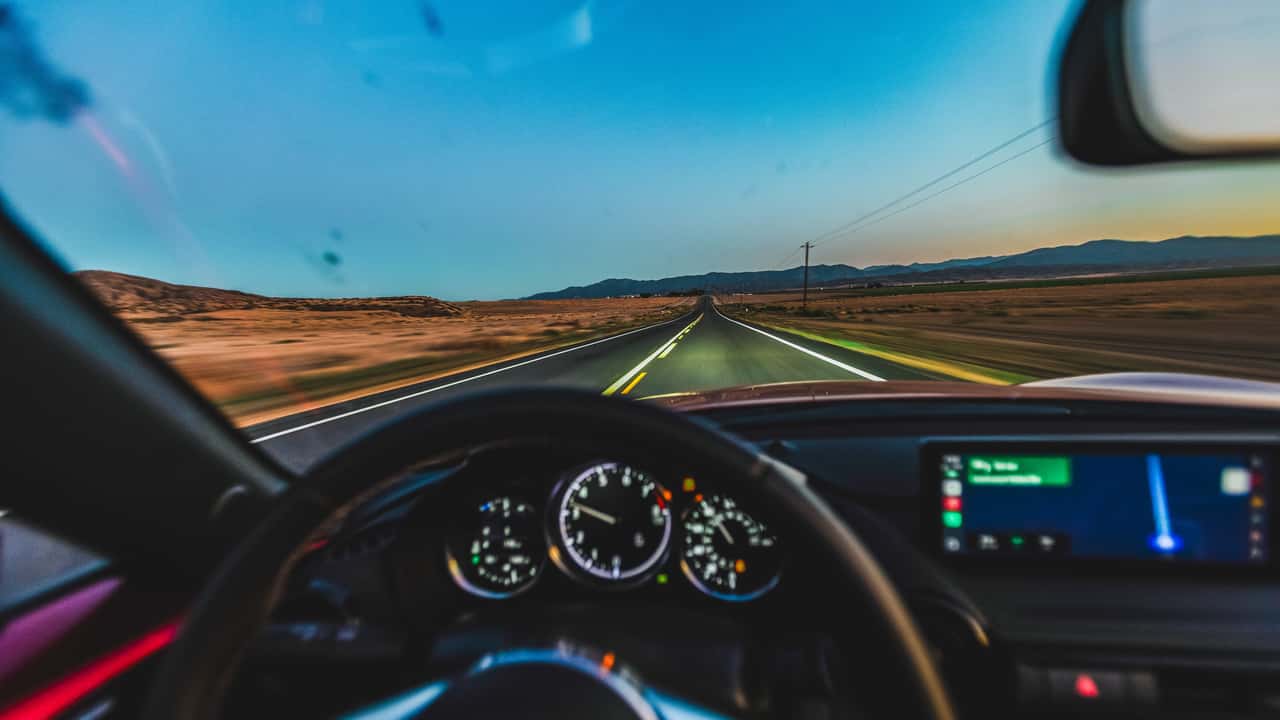
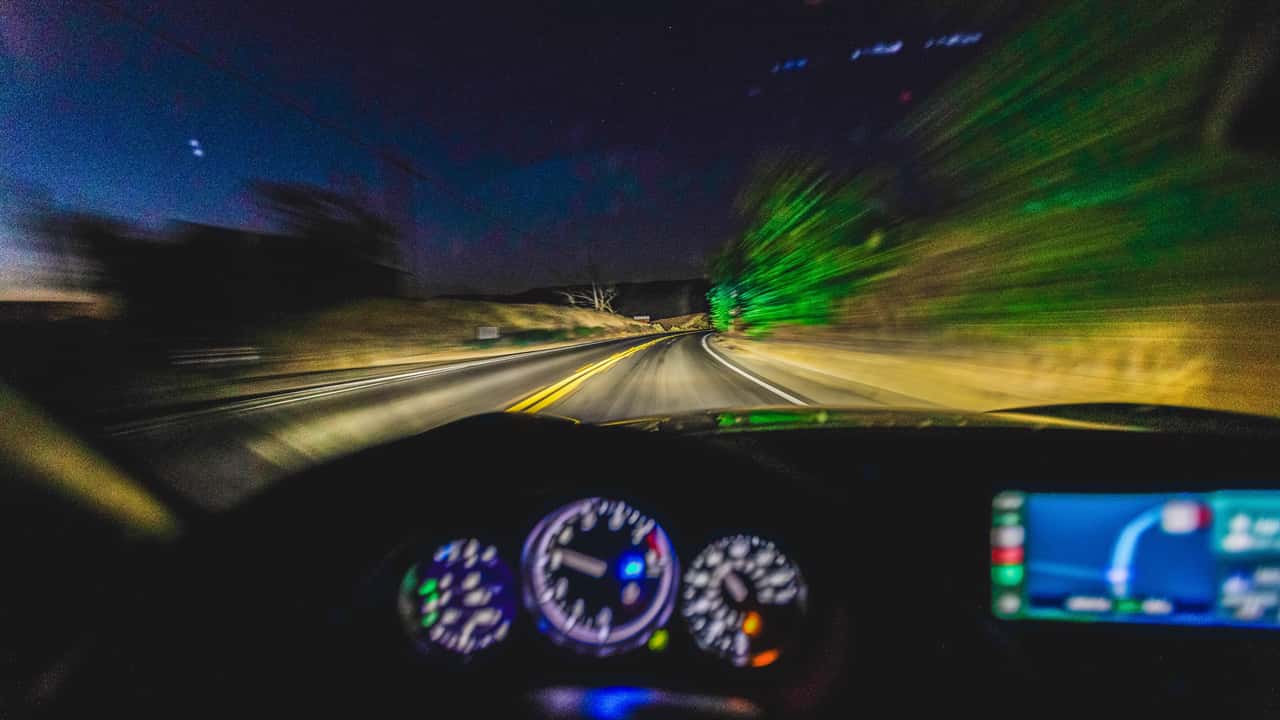
As night fell, and I drove down another lonely California valley, I felt that I finally connected with the ND. Not just as a sports car, but as a therapeutic object. Whatever lament lay within me was answered by that little red car. And when the Cuyama Highway became State Route 33, I looked forward to the highlight of the drive: the incredible Lockwood Valley Road.
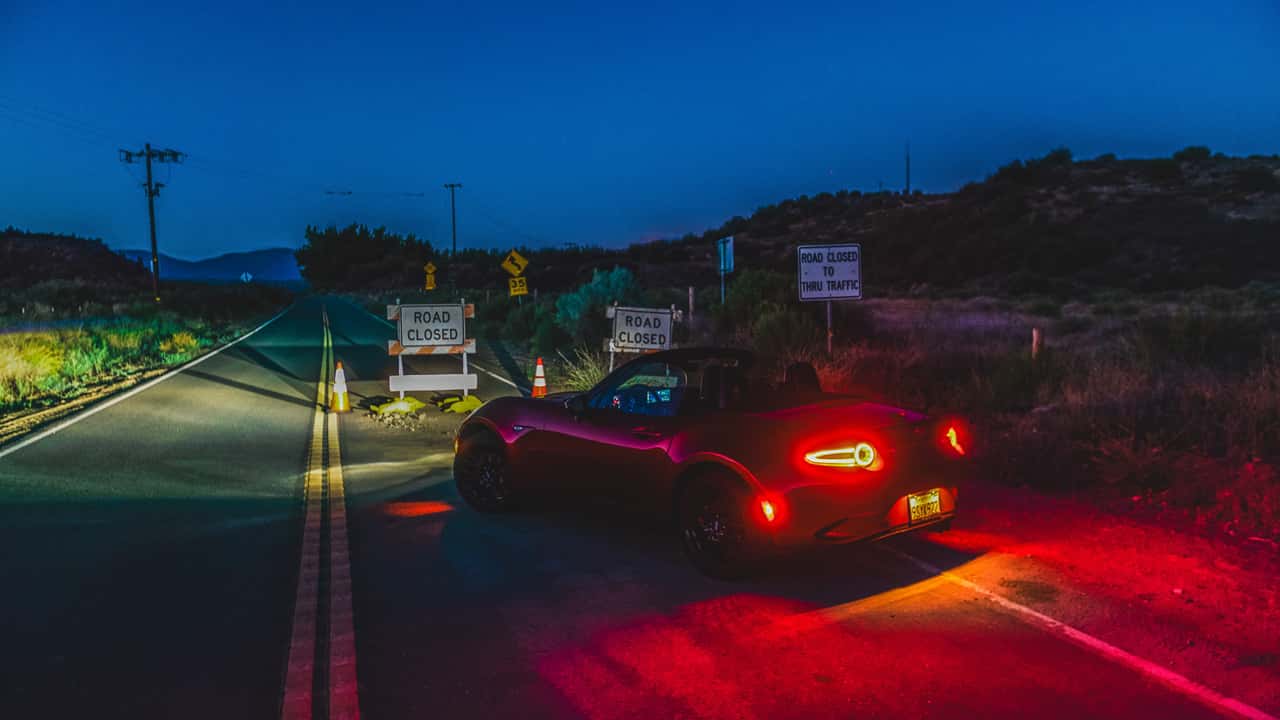
Alas, it was closed. Normally, this would be a shame. But it was with joy that I retraced my steps and drove back to the horizon I had just come from. A little more time with the Miata, I thought, would do me some good.
Post a Comment for "Miata's Secret Perfection"