
Canadian Energy Sector Demands Policy Overhaul Amidst Leadership Shift
Canada's energy sector is at a critical juncture, marked by a fervent call for policy changes from industry leaders and a potential shift in governmental approach under Prime Minister Mark Carney. Nearly 200 oil and gas executives have issued an open letter demanding significant regulatory reforms to unlock Canada's energy potential, while Carney hints at a departure from strict emissions caps, signaling a possible new direction for the nation's energy strategy. This comes amidst challenges for the refinery businesses, such as the Prax Lindsey oil refinery in the UK, showing the global nature of the sector's problems.
The "Grand Bargain" Proposed by Energy Executives
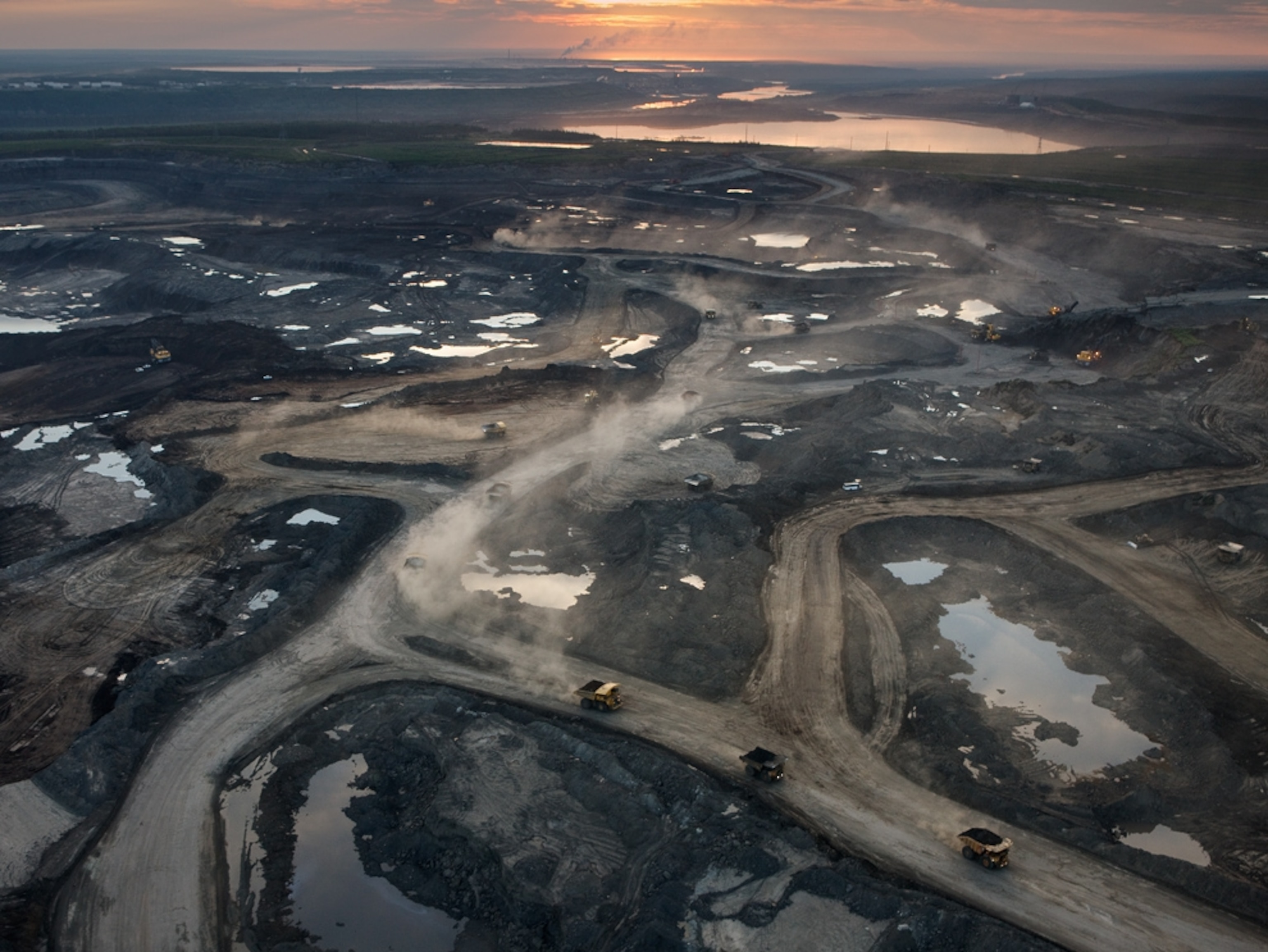
Canadian oil and gas executives, representing major players like Enbridge, Suncor Energy, Imperial Oil, and TC Energy, are advocating for a "Grand Bargain" – a strategic combination of substantial emissions reductions alongside expanded market access and increased oil and gas production. They contend that current federal policies stifle long-term investment due to excessive regulatory uncertainty. The executives believe that Canada possesses vast oil and natural gas resources and has a "generational opportunity" to emerge as a global energy superpower, an opportunity they say is being squandered.
Key Demands for Regulatory Reform

The open letter from energy leaders outlines five core demands aimed at streamlining regulations and fostering investment. These include:
- Dramatically Simplifying Regulations: A comprehensive overhaul of the Federal Impact Assessment Act and the repeal of the West Coast tanker ban are deemed crucial. These measures are seen as excessively burdensome and detrimental to project development.
- Shortening Project Approval Timelines: Reducing the approval process from years to months is considered essential for attracting investment and ensuring projects can proceed efficiently. Lengthy delays are viewed as a major obstacle to competitiveness.
- Eliminating the Federal Emissions Cap on Oil and Gas: Industry leaders argue that the proposed emissions cap would unfairly target the sector and hinder production growth. They propose alternative mechanisms for reducing emissions.
- Repealing the Carbon Levy on Large Emitters: The carbon levy is criticized for increasing operational costs and making Canadian energy less competitive on the global stage.
- Providing Indigenous Loan Guarantees: Facilitating Indigenous ownership opportunities through loan guarantees is seen as a way to ensure that Indigenous communities benefit from resource development and participate in the energy sector's growth.
Prime Minister Carney's Potential Policy Shift

Prime Minister Mark Carney has indicated a possible willingness to move away from strict emissions caps for the oil and gas industry, a move that contrasts with the approach of his predecessor, Justin Trudeau. Carney suggested a focus on "working with industry and with provinces on specific ways to get those reductions, as opposed to having preset caps or preset restrictions on preset timelines." This statement has sparked debate and uncertainty, particularly given recent comments from Environment Minister Terry Duguid, who stated that Carney would maintain the Liberals' proposed cap on emissions. The suggestion marks a potential shift in government policy and signals a more collaborative approach with the energy sector.
Alberta Premier's "List of Demands" and Concerns

Alberta Premier Danielle Smith has voiced concerns about the federal government's policies, arguing that they have encroached on Alberta's resource rights and hindered its oil and gas industry. Smith presented Prime Minister Carney with a "list of demands" to address within the first six months of his term to avoid a "national unity crisis." Her demands include unfettered cross-boundary access to build pipelines and an end to the proposed greenhouse gas emissions cap. Despite a "frank discussion" with Carney, Smith remains skeptical about his ability to deliver the changes she seeks, expressing concerns that the new prime minister may be "worse than the old prime minister."
National Unity and Political Reactions

Premier Smith's warnings of a potential national unity crisis have been met with criticism. Alberta NDP Leader Naheed Nenshi characterized her threats as "childish" and "juvenile," arguing that such tactics are unlikely to yield concessions from the federal government. The differing opinions and political maneuvering highlight the complexities and sensitivities surrounding energy policy and federal-provincial relations in Canada. The energy sector remains a contentious issue, with potential consequences for national unity and economic stability.
Carney's Edmonton Visit and Election Campaign

Prime Minister Carney's visit to Edmonton, his childhood home, coincided with preparations for a federal election campaign. His office announced $187 million in funding to help rebuild Jasper, and the federal government is eliminating GST on new or "substantially renovated" homes sold for less than $1 million to first-time homebuyers. Carney's Liberals face a significant challenge in Alberta, where they currently hold only two seats. His visit to Edmonton, where he announced his Liberal leadership bid, is seen as an attempt to gain support in the province and demonstrate his commitment to addressing its concerns.
Global Context: UK Refinery Job Losses
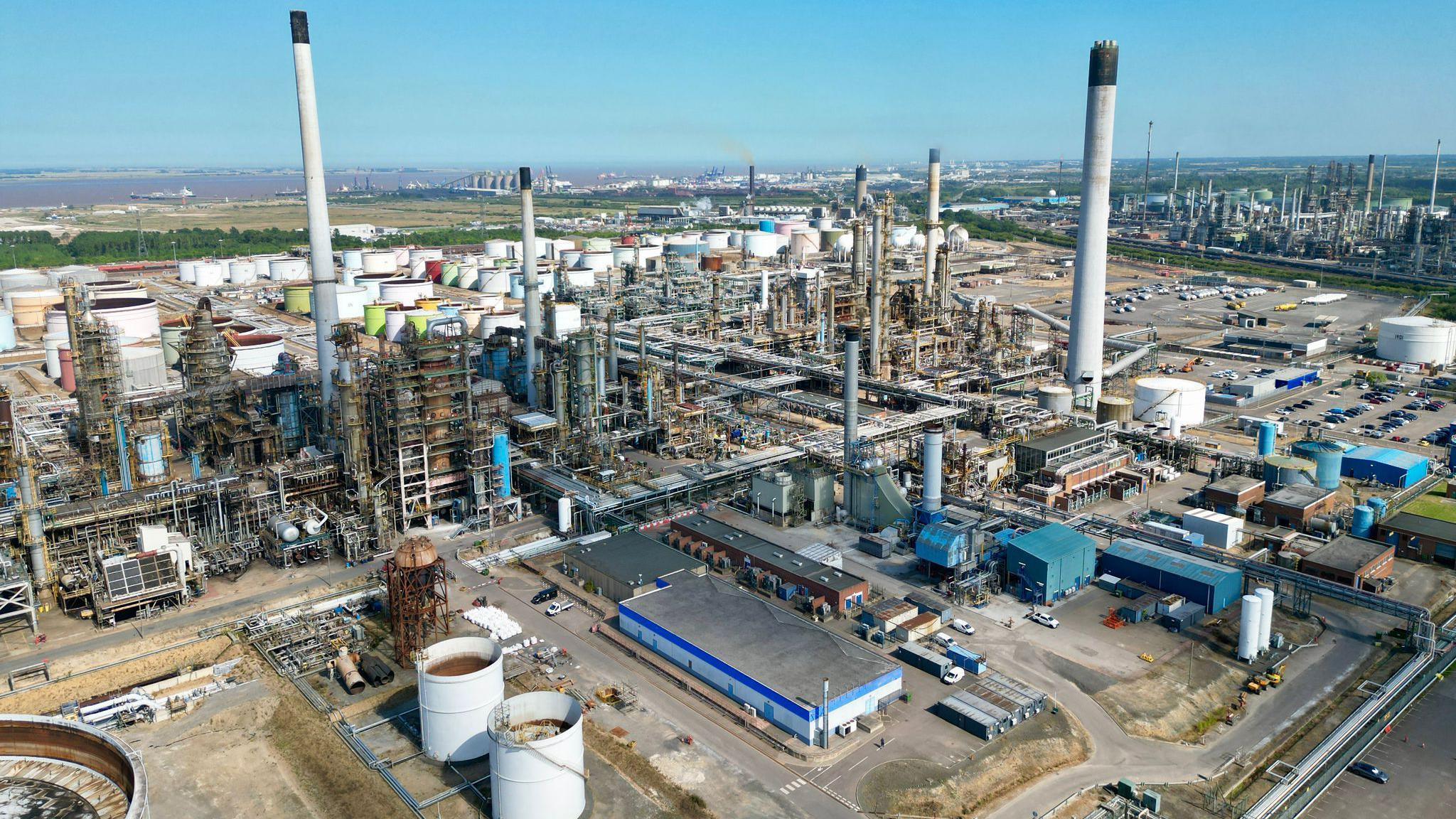
The challenges faced by the Canadian energy sector are mirrored by difficulties faced by the industry globally. In the UK, the Prax Lindsey oil refinery in north Lincolnshire has announced significant job losses following its collapse into administration. The decision to make 125 roles redundant underscores the financial pressures and uncertainties facing refineries worldwide. The refinery's troubles also involve investigations into the conduct of its directors, highlighting the importance of responsible corporate governance in the energy sector.
Union Response and Government Promises
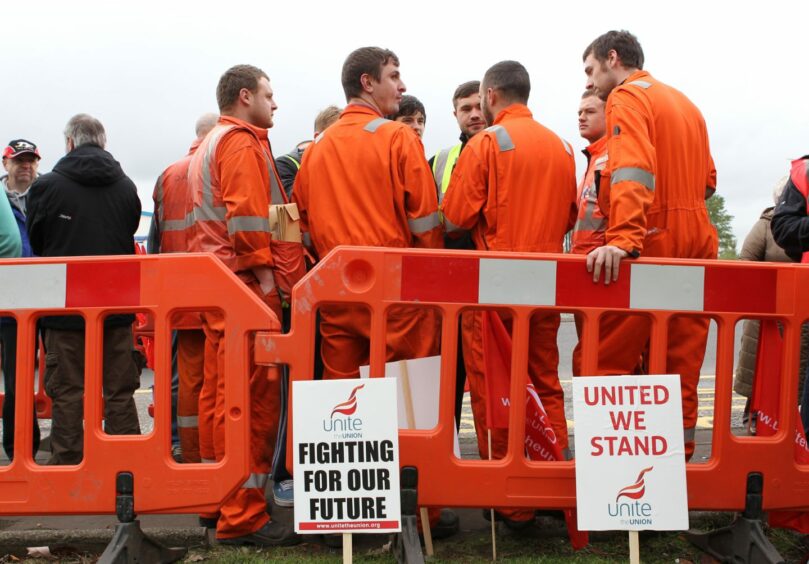
Unite, a trade union in the UK, has criticized the government's response to the Prax Lindsey refinery job cuts, claiming that job cut plans were made despite interest from potential buyers of the facility. General Secretary of Unite, Sharon Graham said that this "makes a mockery of government promises to protect workers and its plan for net zero." The union argues that the government has failed to prioritize job-focused bids and has not adequately supported workers in the face of industry challenges. This situation exemplifies the complexities and conflicting priorities involved in balancing economic development, environmental concerns, and workers' rights in the energy sector.
In conclusion, the Canadian energy sector is at a crucial juncture, with industry leaders pushing for significant policy changes to unlock its potential and Prime Minister Carney signaling a possible shift in governmental approach. The outcome of these developments will have profound implications for Canada's economy, environment, and national unity. The challenges faced by the energy sector are not limited to Canada, as evidenced by the recent job losses at the Prax Lindsey oil refinery in the UK, highlighting the global nature of the energy transition and the need for effective policies that support both economic growth and environmental sustainability.
Post a Comment for "Canadian Energy Sector Demands Policy Overhaul Amidst Leadership Shift"