
Australia's Youth Social Media Ban: Experts Warn of "Many Mistakes"
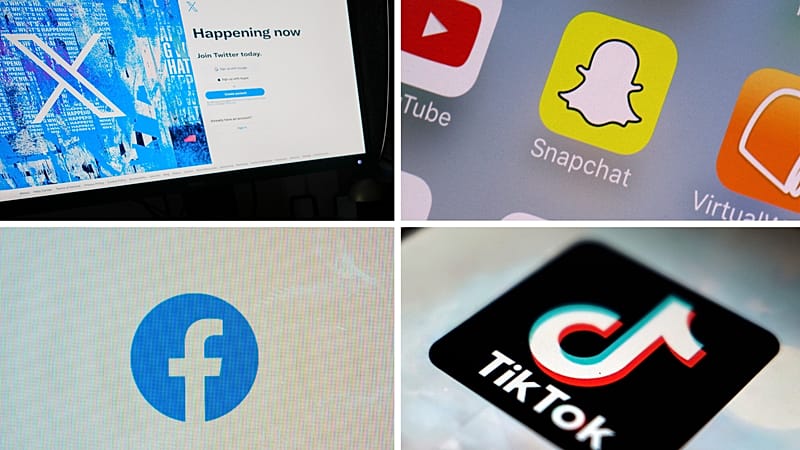 Australia has enacted a groundbreaking social media ban, prohibiting children under the age of 16 from creating or maintaining accounts on popular platforms. This sweeping regulation, which went into effect on December 10th, impacts a wide array of services including Facebook, X (formerly Twitter), Threads, Snapchat, Instagram, TikTok, Twitch, Reddit, and YouTube. While these young users will be unable to log in or create new profiles, they will still be able to access the platforms in a read-only capacity.
The rationale behind this significant policy shift, according to Australia's eSafety Commissioner, is to shield young Australians from the inherent "pressures and risks" associated with social media. These concerns encompass design features that encourage excessive screen time and the exposure to content deemed detrimental to their health and well-being. As this new era of digital regulation dawns in Australia, the implications and potential outcomes are being closely examined.
The Challenge of Age Verification
A cornerstone of the new regulations is the requirement for social media companies to implement "age assurances" or verification methods. This typically involves young users submitting either a video selfie or a government-issued ID to confirm their age. In preparation for these restrictions, Australia conducted extensive testing, including 28,500 facial recognition tests across 60 different age verification tools.
The findings from these tests revealed a mixed bag of results. While methods like ID checks, facial-age estimation, and parental consent showed some promise, their effectiveness waned for individuals aged 16 and 17. Furthermore, the tools exhibited a bias, being less accurate for girls and individuals of non-Caucasian descent, with age estimations sometimes being off by as much as two years.
This inherent imprecision raises concerns that some teenagers may be able to circumvent these verification systems. Experts, such as Sonia Livingstone, a professor of social psychology at the London School of Economics, point out the difficulty in accurately determining age when younger users might misrepresent their birthdates. "So you know there's gonna be a lot of mistakes," she stated, highlighting the potential for inaccuracies.
Social media companies themselves have acknowledged these challenges in their own implementation plans. Meta, a major social media conglomerate, noted in a recent blog post that accurately verifying age without mandating government IDs—a process that carries significant privacy risks and potential for identity theft—is a complex issue for the entire industry. For those instances where accounts are mistakenly closed, a process for appeal is available for users over 16.
Platform Pushback and Existing Safeguards
The social media industry has voiced opposition to these stringent regulations, primarily arguing that they already possess age-appropriate settings designed for teenage users. Meta, for example, contends that since children can still access platforms like Instagram without logging in, they will not be subject to the enhanced features of "Teen Accounts." These accounts offer limitations on who can contact young users and restrict exposure to sensitive content.
Rachel Lord, representing Google and YouTube, informed the Australian parliament that teenage accounts on YouTube are equipped with built-in safeguards to filter inappropriate or harmful content from recommendation algorithms. This includes content that might promote unhealthy body image ideals. Additionally, YouTube's autoplay and personalized advertising features are deactivated for logged-in child users.
However, Lorna Woods, a professor of internet law at the University of Essex, suggests that the effectiveness of these self-moderation efforts by companies is often questionable. "If they were sufficiently effective, then you wouldn’t need the ban," Woods remarked, implying that the existence of the ban itself is evidence of the inadequacy of existing measures.
Supporting this skepticism, research from Dublin City University indicated that it took an average of 23 to 26 minutes for a newly created YouTube or TikTok account belonging to a young male to begin receiving misogynistic content. Similarly, a study by the Molly Rose Foundation found that recommended videos on TikTok's "For You Page" for a hypothetical 15-year-old girl frequently included content related to suicide, depression, and self-harm, even offering tutorials on these topics.
The Search for Alternative Digital Spaces
A significant concern raised by experts is the likelihood that teenagers will simply migrate to "alternative spaces" that are less regulated. Data from app aggregator Sensor Tower shows that since December 1st, smaller platforms such as the lifestyle app Lemon8, the video-sharing app Coverstar, and the livestreaming app Tango have consistently ranked among the top 10 most-downloaded apps in Australia.
Messaging applications like WhatsApp, Telegram, and Signal, while already popular, are not subject to these restrictions and have also seen a surge in downloads. The brief prohibition of TikTok in the United States earlier this year offered a glimpse into potential workarounds, with apps like RedNote emerging as alternatives for young users seeking to bypass restrictions.
"Word will start going around that this is where people are meeting up … or they’ll ask ChatGPT what’s the latest fun app … and by the time we’ve noticed, they will have gone somewhere else," Livingstone predicted, illustrating the fluid nature of online behavior among youth.
Woods further questioned the ban's overall impact, particularly given the exclusion of messaging apps. "Will it have any effect if everybody’s just going on to WhatsApp and doing the same things? Will the screen or app use time remain the same?" she pondered.
Both Livingstone and Woods anticipate a significant shift towards gaming platforms such as Discord and Roblox. These platforms, though not included in the ban, could still present their own set of risks, including exposure to sensitive content and potentially risky interactions.
Australian research groups are poised to investigate the long-term effects of these restrictions on young people's mental health and whether the ban ultimately aids or hinders parents in managing their teens' social media usage. Professor Woods cautioned that it will likely take several years to ascertain the true effectiveness of these measures in reducing social media use among children and improving their overall well-being.
Post a Comment for "Australia's Youth Social Media Ban: Experts Warn of "Many Mistakes""