
Gap, Abercrombie & Fitch and Topshop are back! Here's 17 pieces mid-life shoppers should snap up
The 90s and Noughties High Street Brands Making a Bold Comeback, Driven by Gen Z
Remember the days of browsing for denim amidst pulsing music and shirtless models at Abercrombie & Fitch, or spending your entire pay cheque at Topshop? For many, these high street giants represent a bygone era of fashion, a fond memory of teenage and early twenties wardrobes. Yet, these once-dominant names, along with others like Calvin Klein and Kookai, are experiencing a significant revival, largely thanks to the influence of Generation Z.
While Gen Z is leading this resurgence, luxury stylist Angela Kyte points out that it's a mistake for older shoppers to dismiss these brands as solely for the younger demographic. "When brands modernise their silhouettes, refine their quality and update their messaging, they offer something powerful: the chance to reconnect with a version of ourselves that feels confident," Kyte explains. She elaborates that this comeback isn't about dressing younger, but rather about embracing a sense of ease and authenticity that these labels once symbolised.
"For clients over 40, there is nothing to be scared of," Kyte assures. "The new iterations of these 2000s staples are cleaner, more minimal, and designed with a sophistication that speaks directly to an adult wardrobe." The key, she advises, lies in intentional styling. Think elevated basics, streamlined denim, and well-cut essentials paired with mature tailoring or luxury accessories. When styled thoughtfully, these nostalgic brands can be perceived not as "youth culture," but as timeless, stylish, and self-assured. Mid-life shoppers, Kyte suggests, are not merely revisiting their past but redefining it with newfound confidence and clarity.
Let's explore some of the key players in this fashion renaissance and the pieces that prove these brands are far from being just for teenagers.
Gap: From Cobwebs to Cool
A few years ago, Gap seemed to be clinging to its 90s shopping centre fame, with numerous branches shuttering. However, a swift makeover spearheaded by Zac Posen has seen the brand not only survive but thrive. Gone are the days of merely reliable denim; Gap is now a favourite of Hailey Bieber, with A-list royalty like Gwyneth Paltrow and her daughter Apple Martin fronting glossy campaigns.
Gen Z has also flocked to Gap, with the pop group Katseye modelling ensembles while dancing to the 2003 club anthem "Milkshake" by Kelis. But Gap 2.0 offers plenty for those who aren't hitting red carpets or school halls.
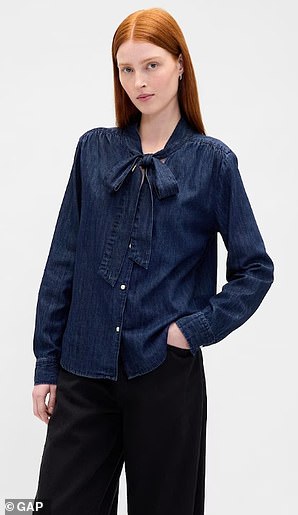 Blue Denim Tie-Neck Shirt
£50
Shop
Blue Denim Tie-Neck Shirt
£50
Shop
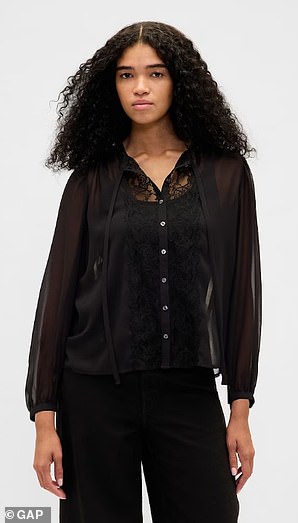 Black Sheer Lace Inset Tie-Neck Top
£60
Shop
Black Sheer Lace Inset Tie-Neck Top
£60
Shop
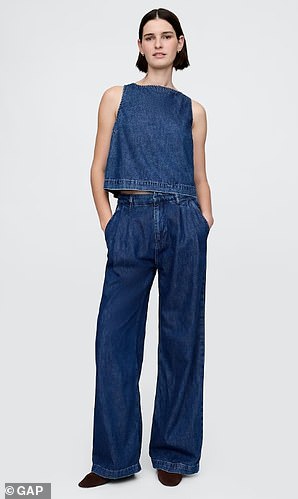 High Waisted Denim Pleated Trousers
£45
Shop
High Waisted Denim Pleated Trousers
£45
Shop
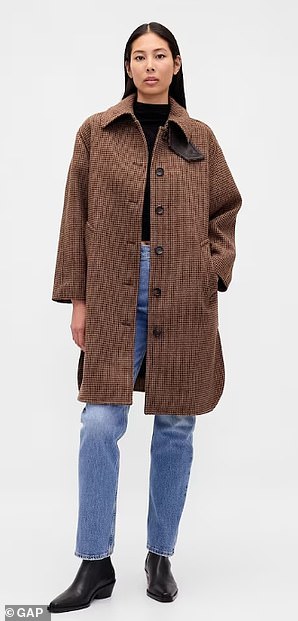 Brown Wool Blend Houndstooth Car Coat
£185
Shop
Brown Wool Blend Houndstooth Car Coat
£185
Shop
Zac Posen joined Gap as creative director in February 2024, driving the rebrand to make it relevant and on-trend once more. His impact was evident in the fiscal second-quarter results of August 2024, which showed profits had more than doubled from the previous year. The brand's cultural relevance is further amplified by Hollywood's embrace, with stars like Timothée Chalamet, Demi Moore, Cynthia Erivo, and Anne Hathaway sporting the US high-street brand on the red carpet.
"Gap is absolutely having a moment again, and it's not just nostalgia," notes stylist Shauna Colaci. "There's a genuine appetite right now for clean, wearable basics that feel both elevated and effortless, and Gap is cleverly tapping into that." With high-profile endorsements and Posen's reimagining of the aesthetic, Gap has transitioned from a forgotten mall brand to a symbol of modern minimalist cool.
Abercrombie & Fitch: A Surprising Turnaround
Those who came of age in the 2000s will recall the booming Abercrombie stores, which felt more like nightclubs than clothing shops. However, after a 2022 Netflix documentary exposed its exclusionary hiring practices and hyper-sexualised image, customers dwindled, and stocks plummeted.
Now, Abercrombie & Fitch is staging one of retail's most surprising comebacks. Its stock has surged over 400 per cent in five years, outperforming even major tech companies. In a single Wednesday in June, shares jumped 32 per cent following blowout earnings and strong sales forecasts for the remainder of 2025.
The company attributes its revival to trend-savvy updates, including printed jeans, dresses, and vintage-inspired denim, which have attracted a new generation of shoppers. This transformation began when Fran Horowitz took over as CEO in 2017, steering the brand away from its previous playbook of shirtless models and exclusivity. Under her leadership, Abercrombie ditched its toxic image, embraced inclusivity, and introduced fashion-forward elements like vintage denim, printed dresses, and gender-neutral basics.
 Mockneck Ribbed Mini Sweater Dress
£52
Shop
Mockneck Ribbed Mini Sweater Dress
£52
Shop
 High Rise 90s Relaxed Pearl Embellished Jean
£110
Shop
High Rise 90s Relaxed Pearl Embellished Jean
£110
Shop
 Suiting Vest
£60
Shop
Suiting Vest
£60
Shop
 A&F Carrie Wool-Blend Trench Coat
£180
Shop
A&F Carrie Wool-Blend Trench Coat
£180
Shop
The turnaround is significant. In its latest quarter, Abercrombie posted $1 billion in sales, a 22 per cent jump, and surpassed Wall Street's earnings expectations. This is a stark contrast to 2014, when former CEO Mike Jeffries resigned after 11 consecutive quarters of declining sales, and the brand faced a $40 million discrimination settlement.
Topshop: Back on the High Street, and Online
The closure of Topshop's physical stores in 2021 left a significant void on London's Oxford Street. Once a magnet for tourists, teenagers, and fashion insiders alike, the brand was known for its trendy clothing, sell-out designer collaborations, and a massive flagship store.
However, the collapse of Sir Philip Green's Arcadia Group into administration in 2020 marked a turning point. Factors contributing to its downfall included cumbersome brick-and-mortar operations, a slow digital strategy, and fierce competition from ultra-fast fashion retailers like PrettyLittleThing, Boohoo, and Missguided, which captured the Gen Z market with rapid delivery. Furthermore, the reputation of Sir Philip Green, marred by the BHS pension scandal and accusations of sexual harassment (which he denies), alienated a customer base largely comprising women and "woke" Gen Z shoppers.
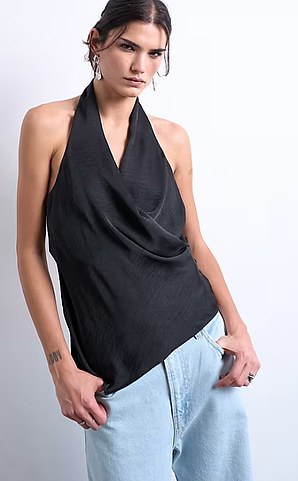 Satin halter top in black
£36
Shop
Satin halter top in black
£36
Shop
 Noah point toe boot
£40
Shop
Noah point toe boot
£40
Shop
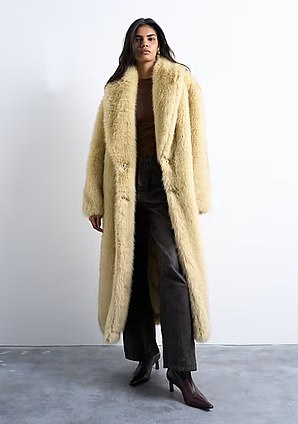
 Faux fur super long oversized shawl coat in buttermilk
£130
Shop
Faux fur super long oversized shawl coat in buttermilk
£130
Shop
Fortunately for Topshop's loyal following, ASOS acquired the brand, moving it to an online-only model and separating it from past controversies. This year, Topshop has made a welcome return to physical retail, appearing as concessions in stores like Liberty and John Lewis. While there was debate about whether the brand could regain its former cool, its blend of nostalgic and new designs suggests Topshop is indeed gaining momentum.
Calvin Klein: Reinventing Provocation and Style
Renowned for its provocative advertising, signature underwear, and celebrity endorsements, Calvin Klein had faded from the spotlight in the late 2010s. However, by 2025, the brand is experiencing a significant revival.
Kate Moss, who famously posed with Mark Wahlberg for a controversial 1992 campaign that helped propel the brand to astronomical heights, later revealed feeling vulnerable during the shoot. This era established the iconic Calvin Klein look, attracting a young, hip demographic. The brand faced a slump in the latter part of 2018 under Raf Simons' creative direction, leading to the pause of its high-fashion line and the closure of its New York flagship.
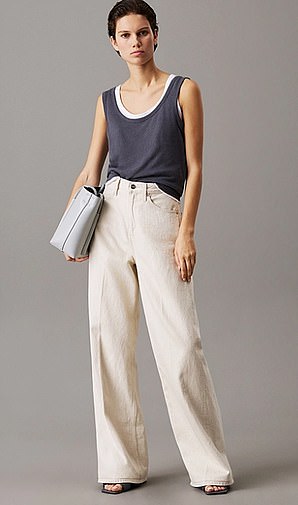
High Rise Wide Leg Jeans
£85
Shop
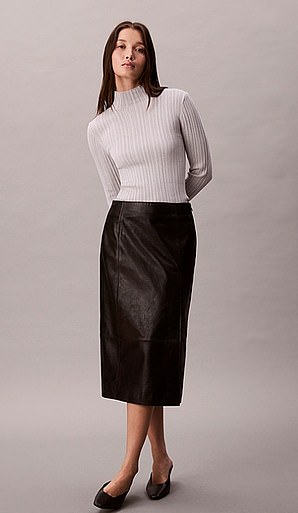
Viscose Blend Ribbed Mock Neck Sweater
£160
Shop
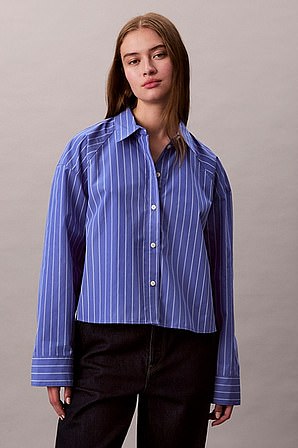
Stripe Cropped Boxy Button-Down Shirt
£120
Shop
Today, under the creative direction of Italian designer Veronica Leoni, Calvin Klein is back to its roots, creating divisive and sexy advertisements featuring pop culture's biggest names. Singers Bad Bunny and Rosalia, actor Jeremy Allen White, and Kendall Jenner have all featured in recent campaigns, reaffirming the brand's place in the zeitgeist. After a six-year hiatus, Calvin Klein has returned to high-fashion runways and reopened its flagship store in New York, reclaiming its status as a must-have brand.
Kookai: From French Chic to Australian Comeback
Originating from France, Kookai launched in the UK in 1990 and expanded its high street presence throughout the 2000s, building a following by dressing "it-girls" in glamorous party wear. However, in 2006, the label fell into administration, forcing the closure of its UK stores and disappointing its British fanbase.
Nearly a decade later, Kookai has made a significant return after being acquired by the Australian brand Magi. The brand's designs have matured, its social media presence is impressive, and product quality is at an all-time high. Kookai has established a strong online presence and virtual store. While honouring its 90s roots with an abundance of crop tops and low-rise trousers, the brand now offers plenty of sophisticated options for those seeking a more refined look.
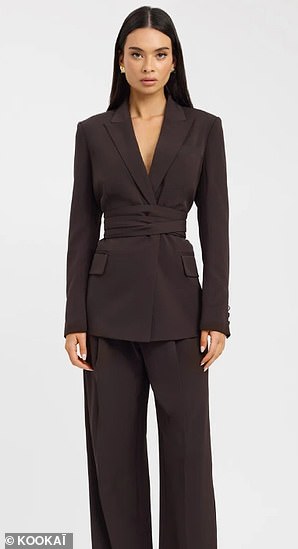
Opal Blazer
£180
Shop
Opal Belted Pant £125 Shop
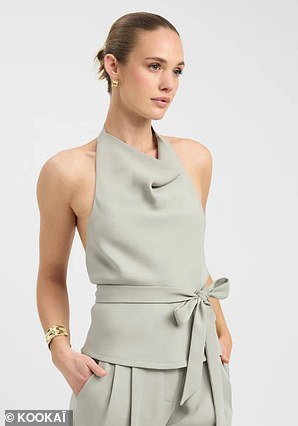
Maria Tie Top
£80
Shop
Post a Comment for "Gap, Abercrombie & Fitch and Topshop are back! Here's 17 pieces mid-life shoppers should snap up"