
Mercedes rethinks modern assembly by ditching glue for screws
Mercedes-Benz is quietly rewriting how modern cars are put together, trading permanent glue joints for old-fashioned screws in key assemblies. The shift sounds almost quaint, but it targets one of the most expensive and wasteful pain points in contemporary vehicles: complex parts that are nearly impossible to repair without replacing the whole unit.
By rethinking how components like headlights are fastened, Mercedes-Benz is betting that a small hardware change can unlock cheaper repairs, longer part lifespans, and cleaner recycling streams. It is a rare case where a legacy automaker is not chasing a flashy new gadget, but instead is revisiting basic assembly choices that have shaped the economics of car ownership for years.
Why glued cars became a repair nightmare
Modern vehicles are packed with adhesives because glue is light, strong, and easy to automate in a factory, but it has turned many assemblies into sealed black boxes. When a headlight lens cracks or an internal LED strip fails, the unit is often glued shut, which means a minor fault can force owners to buy an entirely new assembly instead of swapping a small part. Reporting on current headlight designs notes that because they are usually sealed together with glue, even minor damage can require replacing the whole unit rather than repairing the specific component that failed, a pattern that has helped push replacement costs into eye-watering territory for late-model luxury cars and even mainstream crossovers.
That same reliance on adhesives also haunts vehicles at the end of their lives. Research on automotive bonding warns that bonded materials are very difficult to separate for recycling or reusing components from end of life vehicles, since once different plastics, metals, and coatings are glued together, pulling them apart without destroying them becomes a specialized and costly process. In practice, that means many intricate parts that could be refurbished or recycled end up shredded or landfilled instead, not because the materials are worthless, but because the adhesive joints are too stubborn to undo at scale.
Mercedes-Benz’s back-to-basics fastening strategy
Mercedes-Benz is now trying to unwind that logic by going back to mechanical fasteners in places where glue has become the default. The company has outlined a plan to use screws instead of adhesive to hold together key headlight components, a change that turns what used to be a sealed module into something that can be opened, serviced, and reassembled. One detailed look at the initiative describes how Mercedes-Benz wants to make a modern car headache feel old-school again, starting with a tiny piece of hardware that lets technicians remove and replace individual parts instead of treating the headlight as disposable.
The move is not just about convenience, it is framed as part of a broader eco-agenda that leans on common-sense hardware rather than exotic new materials. Coverage of the plan notes that Mercedes has an eco-agenda of its own and it involves going back to basics by using good ol’ screws, with the company presenting this as a way to extend the useful life of complex components and cut down on waste. Another report on the same strategy describes it as a Back to Basics Manufacturing Push, with Mercedes Will Use Screws, Not Glue to reintroduce reversible joints that can be undone without special tools or destructive cutting, a small but meaningful shift in how the brand thinks about assembly.
Headlights as the test case for repairable design
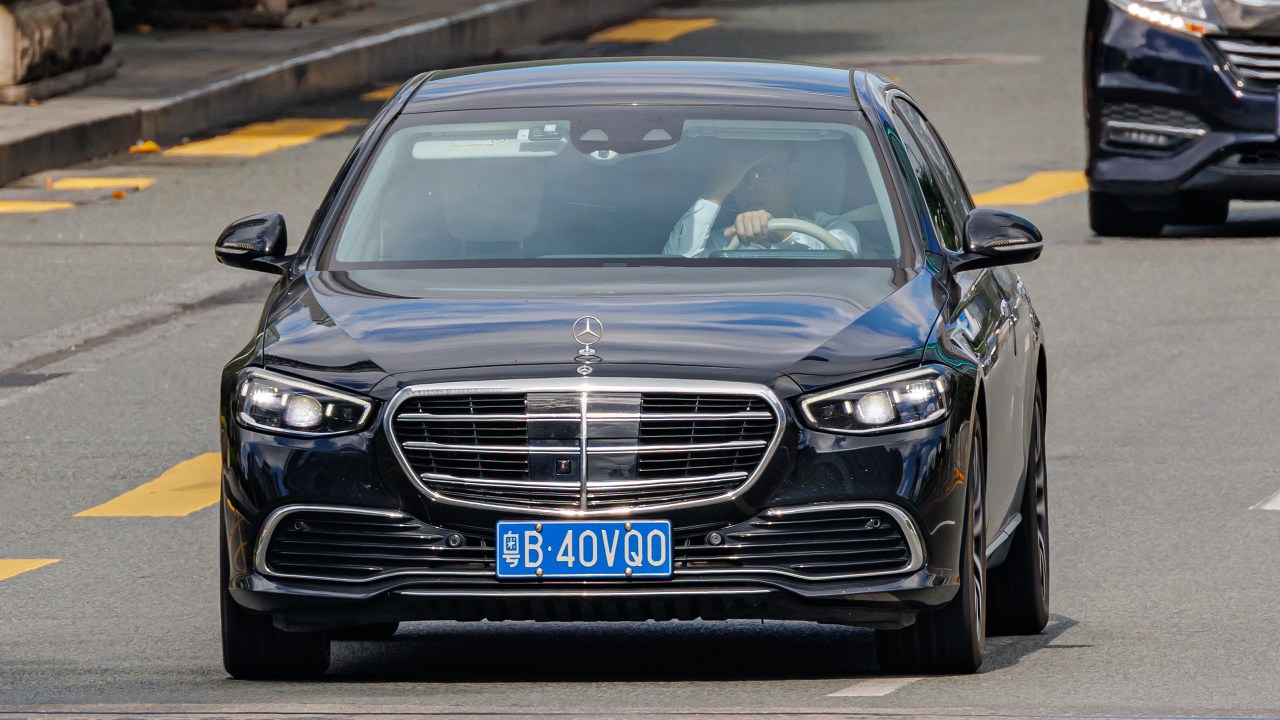
Headlights have become the poster child for why this change matters, because they combine sensitive electronics, intricate optics, and strict safety rules in a single, expensive package. Owners of recent Mercedes models know that a damaged lens, a failed daytime running light, or a moisture problem can turn into a four-figure bill, largely because the headlight is treated as a sealed unit. One analysis of the new approach points out that because they are usually sealed together with glue, replacing individual parts within the assembly is a huge pain, to the point that the whole unit often gets replaced even when there is only minor damage, which is exactly the cycle Mercedes-Benz is now trying to break.
By switching to screws, the company is effectively turning the headlight into a modular kit that can be disassembled and reassembled without destroying it. Reporting on the plan explains that Mercedes-Benz wants to make each headlight component from one type of material so that it is easier to recycle, and that the use of screws instead of glue is central to that idea because it lets technicians separate the pieces cleanly. Another account of the same program notes that Mercedes-Benz Ditch Lem and Switch to Screws for Environmentally Friendly manufacturing, describing how the brand aims to let owners or repair shops open the housing, replace a failed LED board or cracked lens, and then reseal the unit with screws rather than adhesive, significantly extending a headlight’s lifespan.
From glue to screws: what changes for recycling
The environmental logic behind this shift becomes clearer when you zoom out from a single headlight to the entire vehicle lifecycle. Adhesive-heavy construction locks together different plastics, metals, and coatings in ways that make clean separation almost impossible once the car reaches a recycler. Technical work on disbonding technology in the automotive industry underscores that bonded materials are very difficult to separate for recycling or reusing components from end of life vehicles, which means that even when the underlying materials are technically recyclable, the cost and complexity of undoing the glue joint can outweigh the value recovered.
Mercedes-Benz is trying to sidestep that problem by designing components so they can be taken apart with basic tools instead of specialized disbonding processes. Reports on the headlight program highlight that Mercedes-Benz also wants to make each headlight component from one type of material so that it is easier to recycle, a design choice that only pays off if those parts can actually be separated at the end of the car’s life. By using screws to join those single-material pieces, the company is effectively pre-baking disassembly into the product, so recyclers can remove a lens, reflector, or housing without grinding through adhesive or damaging the part they want to reclaim.
What this means for owners, workshops, and rivals
For owners, the most immediate impact of this hardware rethink is likely to show up in repair quotes rather than sustainability reports. When a headlight is built to be opened, a cracked lens or a failed LED strip becomes a parts and labor job instead of a full replacement, which can cut costs dramatically on vehicles where a single headlight assembly can rival a mortgage payment. Coverage of Mercedes-Benz’s plan emphasizes that the company wants to make a modern car headache feel old-school again, with screws turning what used to be a sealed, throwaway module into something that can be fixed, a change that could also reduce insurance payouts and make it less painful to keep older models on the road.
Workshops and independent repairers stand to gain as well, because screw-fastened assemblies are more accessible to anyone with standard tools and training. Reports describing how Mercedes has an eco-agenda built around using screws note that the benefits go far beyond making headlights repairable, hinting at a broader shift toward designs that can be serviced instead of swapped wholesale. If Mercedes-Benz follows through on that logic in other parts of the car, from bumpers to interior modules, it could pressure rivals to rethink their own adhesive-heavy strategies and give regulators a concrete example of how design choices can support both right-to-repair goals and environmental targets.
The post Mercedes rethinks modern assembly by ditching glue for screws appeared first on FAST LANE ONLY.
Post a Comment for "Mercedes rethinks modern assembly by ditching glue for screws"