
From 'chronocations' to 'neurosurfing', the travel trends set to rule 2026
Embracing the Unscheduled: The Rise of Intuitive Travel in 2026
The travel landscape is undergoing a significant transformation, with 2026 poised to be a year of profound connection – to our bodies, our minds, and our innate curiosities. Moving away from the rigid structures of the past, travellers are increasingly embracing a more intuitive approach, shedding the constraints of the clock and diving headfirst into experiences that resonate on a deeper level. This shift, identified by British Airways Holidays in collaboration with trend forecasting agency Globetrender, points towards a future where holidays are less about ticking boxes and more about allowing life to unfold organically.
Letting Go of the Clock: The Unstructured Holiday
For a growing segment of travellers, the traditional holiday itinerary is becoming a relic. The focus is shifting from meticulously planned schedules to a more organic, body-led experience. It’s no longer uncommon for nearly one in five UK travellers to completely disregard the clock while on holiday, opting to eat, sleep, and explore based on their body's natural rhythms and desires. This starkly contrasts with home life, where only a small percentage of UK adults allow themselves the luxury of lie-ins outside of vacation time, and even fewer meticulously plan their days.
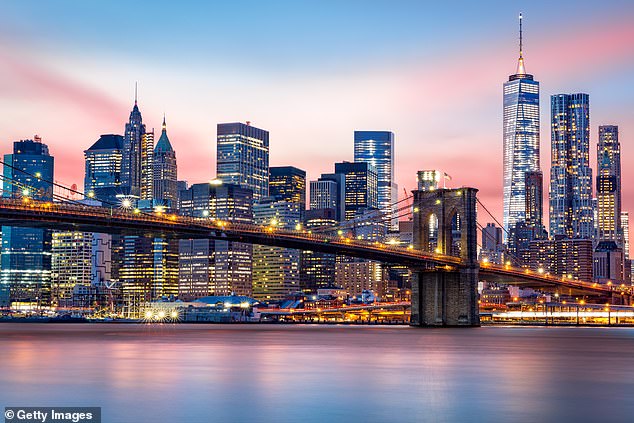
Professor Russell Foster of the Nuffield Department of Clinical Neurosciences explains that holidays serve as a vital reset mechanism. However, this reset extends beyond mere sleep; it involves a conscious effort to reduce stress and anxiety, realigning our internal clocks and fostering a sense of well-being. By 2026, this philosophy is expected to gain even greater traction. A significant portion of travellers, nearly a quarter, actively seek out experiences that occur at unusual hours, while over half are willing to deviate from their established schedules for something truly special or unique to their destination. Only a minority, a mere 17%, express a preference for sticking to their usual routines. This trend is further amplified by the enduring appeal of "never-sleep" cities, with New York consistently ranking as a top destination searched by travellers, a trend set to continue into 2026.
Body-Focused Breaks: Reclaiming Authenticity and Confidence
The pursuit of unattainable perfection is giving way to an embrace of genuine presence. Uninhibited holidays are emerging as a powerful antidote to self-consciousness, encouraging travellers to reconnect with their bodies through experiences that foster confidence, mindful movement, and self-acceptance. These journeys offer something that the curated world of social media can never replicate: authentic, tangible sensation.
The growing social acceptance of body-positive experiences is palpable, with nearly a third of UK adults acknowledging this shift compared to a decade ago. This sentiment is particularly strong among younger demographics, with over a quarter of 25–34-year-olds considering such experiences in the coming year. Emma O’Kelly, author of Wild Sauna, eloquently captures this sentiment: "Even though we can see anything we want through a screen, we can’t actually feel it. But you can go to a sauna and you can feel embodied… which you could never get watching a sauna video on TikTok."
The liberating atmosphere of being abroad often acts as a catalyst for this newfound confidence. One in eight UK adults report feeling more comfortable with their attire while on holiday than in their daily lives, highlighting travel's potential as a powerful driver of body positivity.
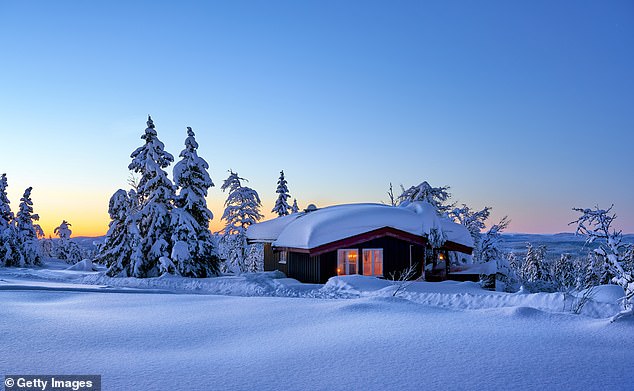
It's unsurprising that destinations renowned for their rich wellness traditions are experiencing a surge in interest. From the serene onsens of Japan and the revitalising hammams of Turkey to the invigorating friluftsliv philosophy of Norway, travellers are seeking out experiences that nurture their physical and mental well-being. Retreats worldwide are increasingly integrating mindfulness practices, temperature therapies, and holistic rituals into their offerings, all aimed at helping guests feel more comfortable and at ease in their own skin. O’Kelly notes, "Being in your true, authentic form is a huge psychological shift for British people. For many, even stepping into a swimsuit is a milestone."
Stream Parks: Where Fictional Worlds Become Tangible Realities
The realm of theme parks is evolving beyond mere rollercoasters. The future lies in deep immersion, with the advent of "Stream Parks" – destinations that leverage cutting-edge technology to bring digital worlds into hyper-real life. The demand for such experiences is substantial, with over a quarter of UK adults expressing a desire to step into their favourite films and 35% keen on attractions themed around beloved television series.
Dan Richards, reviewer at @DigitalDan, observes, "Theme park innovation used to be about building the tallest, longest ride. Now, people want to be part of the story – to interact with it." Mixed-reality experiences are proving particularly captivating, with 32% of UK adults expressing interest, a figure that escalates to nearly half of 18–24-year-olds and 35–44-year-olds, and even higher at 51% among households with children.
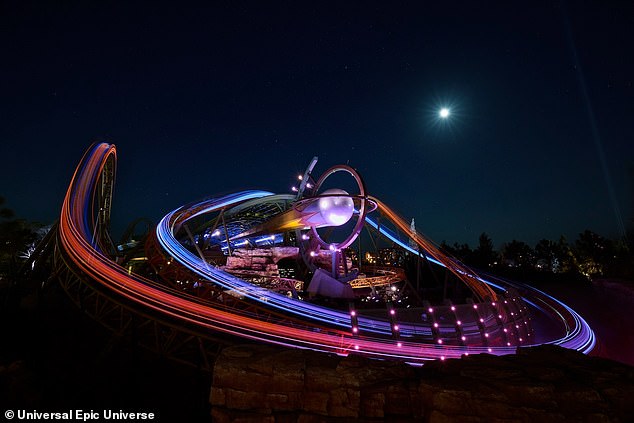
The groundwork for this trend is already being laid. Netflix House, which launched in late 2025 in Philadelphia and Texas, transforms popular shows like Bridgerton, Stranger Things, and WWE into immersive retail, dining, and VR experiences, with Las Vegas slated for a 2027 opening. Furthermore, Minecraft, a global phenomenon boasting over 1.3 trillion YouTube views, is set to unveil new attractions in the UK and US from 2026. These innovative parks artfully blend physical environments with projection mapping, augmented reality, and interactive props, crafting experiences that feel like a seamless fusion of theme park and live-action streaming universe.
Neurosurfing: Harnessing the Power of the Brain for Wellness
Wellness in 2026 is transcending passive relaxation, focusing instead on actively shifting brain states. "Neurosurfing" is emerging as a groundbreaking frontier, with hotel stays and curated itineraries designed to induce profound relaxation by precisely modulating brainwave activity. This burgeoning trend resonates deeply, as 26% of UK adults report that sleep deprivation has a more significant impact on their mental balance than social media, physical health, environmental stress, or even AI.
Technological advancements are fuelling this movement. Wearable sleep trackers like Oura Rings are now commonplace, and companies like Samsung are developing EEG earbuds capable of reading brainwaves and detecting drowsiness. Anna Bjurstam, a wellness pioneer at Six Senses, confirms the growing interest in cognitive performance and vagus nerve stimulation, noting that her Mind Your Brain programme now operates across five resorts globally.
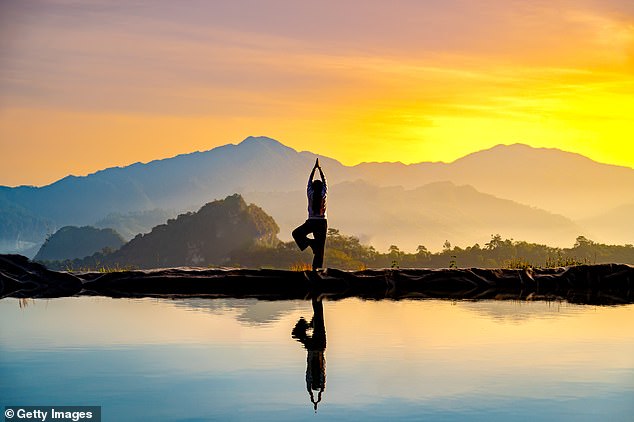
Guests are combining ancient practices such as yoga and meditation with modern "biohacks," including brain games, developmental drawings, and binaural beats engineered to elicit specific brainwave states. For the burgeoning community of Neurosurfers, a standard massage has become passé. Increasingly, UK travellers are drawn to multisensory experiences that encompass art and craft classes, breathwork, immersive nature experiences, sound baths, flotation tanks, and even drumming or ecstatic dance. With over half of UK adults acknowledging the essential role of holidays in stress relief, Neurosurfing represents a natural and compelling evolution in the pursuit of well-being.
Vintage Junkets: The Allure of the Analog Past
In an era dominated by algorithms and digital saturation, travellers are increasingly looking to the past, seeking out charm, character, and the undeniable thrill of the unexpected. "Vintage Junkets" tap into a profound desire for the pre-digital era, driven not only by nostalgia but by "anemoia" – a wistful longing for times we have never personally experienced. Americana expert Zoey Goto explains that these excursions are part of a broader pushback against the homogenisation of travel.
The frustration with the current state of travel is palpable. Forty-three percent of UK travellers report that finding authentic souvenirs directly tied to a destination has become increasingly challenging, while a third deem authenticity paramount when shopping abroad.
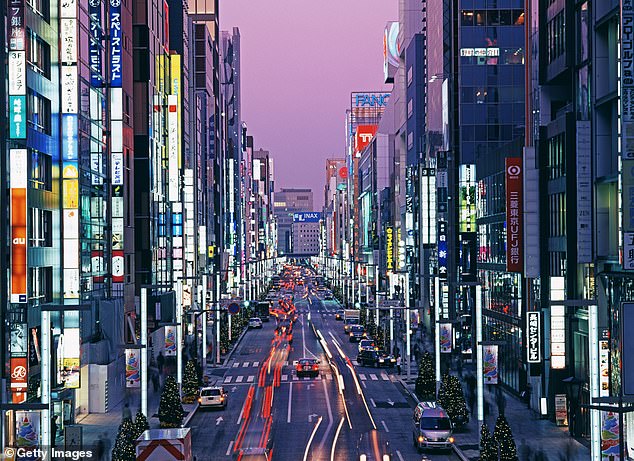
Instead of relying on generic gift shops, travellers are actively exploring flea markets, retro districts, and second-hand stores as a means of understanding a place through its tangible history. Nearly half of UK travellers believe that vintage experiences offer a more authentic connection to a destination, a sentiment that rises to an impressive 63% among 18–24-year-olds. The United States is a focal point for this trend, with 2026 marking both its 250th anniversary and the centenary of the iconic Route 66. Beyond American shores, a passion for vintage memorabilia is fuelling interest in French brocante markets, Berlin's vibrant rare vinyl scene, and Japan's sophisticated second-hand designer fashion culture. Tokyo, in particular, continues to captivate, ranking among the top 15 most-searched British Airways Holidays destinations for 2026.
Post a Comment for "From 'chronocations' to 'neurosurfing', the travel trends set to rule 2026"