
2026 Decor Trends: Canada's Must-Haves
The interior design landscape is constantly evolving, but unlike fleeting fashion trends, design shifts tend to have a more enduring impact. As we look ahead to 2026, several key themes are poised to redefine our living spaces, blending comfort, artistry, and a touch of nostalgic elegance.
Enduring Styles and Evolving Aesthetics
Many popular design elements from recent years are not only holding their ground but are also gaining further traction. The appeal of furniture with soft, curved lines and inviting, rounded silhouettes continues to resonate. Similarly, rich and opulent colour palettes, such as deep chocolate browns and luxurious burgundies, remain favoured choices. These are complemented by earthy, grounding hues that draw inspiration directly from nature, with terracotta and deep forest greens leading the way.
While chrome has enjoyed a significant presence, its stark, industrial feel is beginning to recede. The focus is shifting towards a more handcrafted and artisanal approach to metalwork, emphasizing pieces that show the marks of skilled craftsmanship, welding, and shaping. Looking forward to 2026, we anticipate the resurgence of burl wood and a renewed appreciation for glass blocks, alongside the emergence of a sophisticated new painting technique known as "colour capping."
Art Deco: A Timeless Resurgence
Art Deco, a style that profoundly influenced architecture and interior design in the 1920s and 1930s, is experiencing a significant revival. Building on its presence in 2025, this movement continues to captivate with its characteristic streamlined elegance. In contemporary homes, Art Deco's influence will manifest in bold geometric patterns, the use of luxurious materials like velvet, silk, and lacquer, and a palette of deep, jewel-toned colours. Shades such as emerald green, sapphire blue, and jade are particularly prominent, echoing the sophisticated "Hidden Jewel" hue, which has been identified as a key colour trend for 2026. This marks a distinct departure from the softer, more neutral tones that have dominated recent years.
The Sophistication of Burl Wood
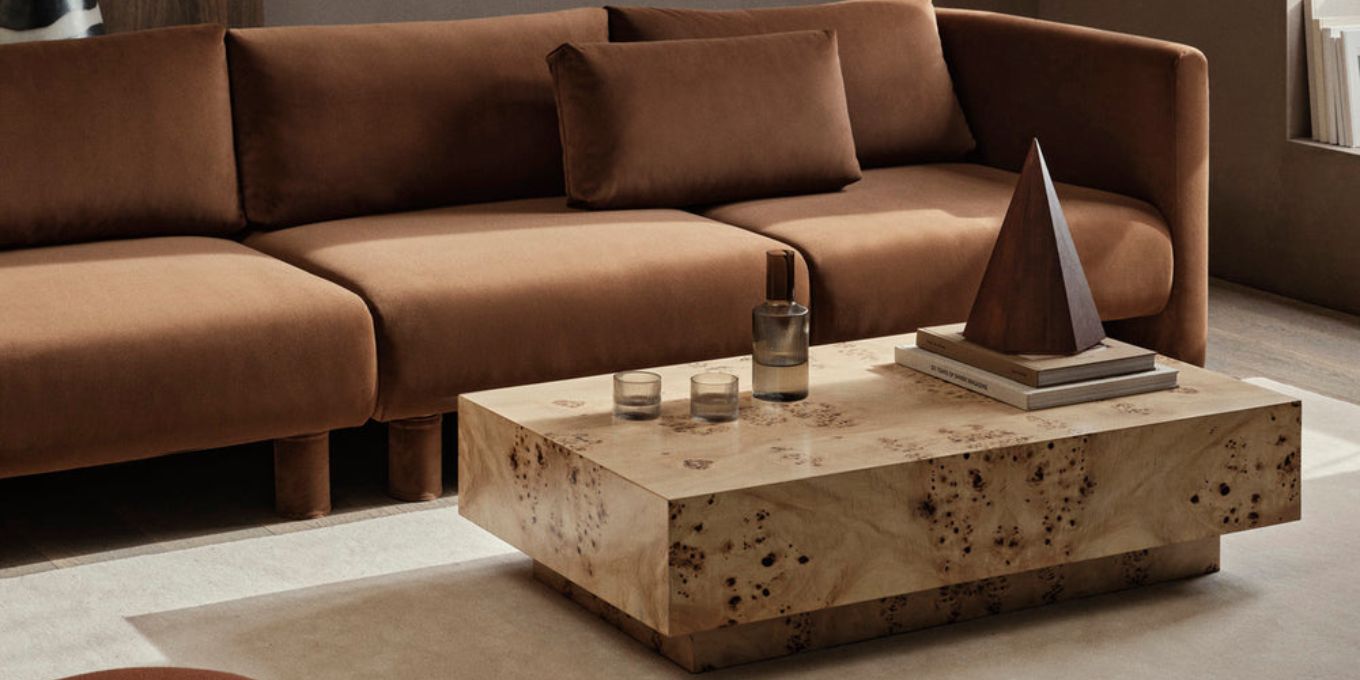
Burl wood, characterized by its unique, irregular grain patterns formed by unusual growths on trees, is set to make a significant comeback. This distinctive wood lends itself to the creation of furniture with exceptional character and visual depth. Once considered dated, burl wood is now being embraced for its ability to add warmth and a touch of organic luxury to interiors. While elm and walnut burl were integral to both Art Deco and 1970s design aesthetics, they are now poised to overshadow the pale-wood Scandinavian minimalism that has, until recently, dominated many homes.
Glass Blocks: Redefining Space Division
The prevalence of open-concept living, while offering a sense of spaciousness, can sometimes lead to a lack of defined zones and privacy. The sight of a cluttered kitchen counter from the dining area, for instance, can disrupt a desired atmosphere of tranquility. However, the solution doesn't necessarily lie in solid, opaque partitions. Translucent room dividers, such as the glass blocks popular from the 1960s through the 1980s, are making a notable return. These elements offer a gentler form of separation, allowing light to filter through while still creating distinct areas. This subtle division infuses spaces with a thoughtful ambiance, brightening both the physical environment and our overall mood.
Comforting Wall Treatments
In recent years, homeowners have explored various ways to adorn plain walls, moving from limewash paints to wallpapers and murals adorned with floral motifs, reflecting a romantic sensibility. For 2026, another compelling wall treatment is taking centre stage: tapestries and fabric wall hangings. These elements introduce a tactile softness and a much-needed sense of comforting warmth to our interiors, offering a rich alternative to more traditional decorative techniques.
The Shift Away from Built-In Furniture
There appears to be a growing sentiment against the uniformity often associated with perfectly integrated, built-in furniture. Whether driven by a desire for greater flexibility or a yearning to imbue our homes with a more personal, lived-in feel, the trend towards large, custom-fitted cabinets is waning. The preference is now shifting towards standalone pieces, such as elegant sideboards, classic dressers, and charming china cabinets, which bring an undeniable sense of character and individuality to a space.
From Colour Drenching to Colour Capping
The design trend of "colour drenching," where a single hue is used from floor to ceiling, dominated in 2025. For 2026, the approach to colour application is becoming more refined and nuanced with the rise of "colour capping." This technique involves using different shades within the same colour family to create a subtle gradient effect on walls. Typically, the darkest shade is applied to the ceiling, gradually lightening towards the floor. The primary goals of colour capping are to create a more enveloping and intimate atmosphere, to draw the eye upwards, thereby enhancing the perception of space, and to draw attention to the ceiling – the so-called "fifth wall" – and its architectural mouldings, which are also experiencing a significant resurgence in popularity.
Post a Comment for "2026 Decor Trends: Canada's Must-Haves"