
Exactly how long you can keep leftover turkey, according to food safety experts
Safeguarding Your Festive Feasts: Expert Advice on Avoiding Holiday Foodborne Illnesses
As the festive season approaches in the UAE, a period often synonymous with abundant gatherings and delicious feasts, food safety authorities are issuing crucial reminders to prevent potentially severe foodborne illnesses. The temptation to savour Christmas leftovers for days after the main event, or to leave buffet spreads accessible for extended periods, carries significant health risks. Experts are urging residents to be vigilant, as common practices could turn a joyous celebration into a health crisis.
The core of the concern lies in the rapid multiplication of harmful bacteria, such as Salmonella and Campylobacter, when food is not stored correctly. These pathogens thrive in conditions that are too warm, leading to symptoms like diarrhoea, nausea, and vomiting, which can significantly disrupt holiday plans and, in severe cases, require medical attention.
Key Food Safety Guidelines for the Festive Period
Food safety organisations are highlighting several common pitfalls that can lead to food poisoning. Adhering to these guidelines can ensure that your celebrations remain safe and enjoyable for everyone.
- Respecting Use-By Dates: It is paramount to understand that "use-by" dates are indicators of safety, not just quality. Consuming food past its designated use-by date, especially items like dairy products, smoked fish, and cold meats, significantly increases the risk of ingesting harmful bacteria, including Listeria. Listeria is particularly dangerous as it is undetectable by sight, smell, or taste.
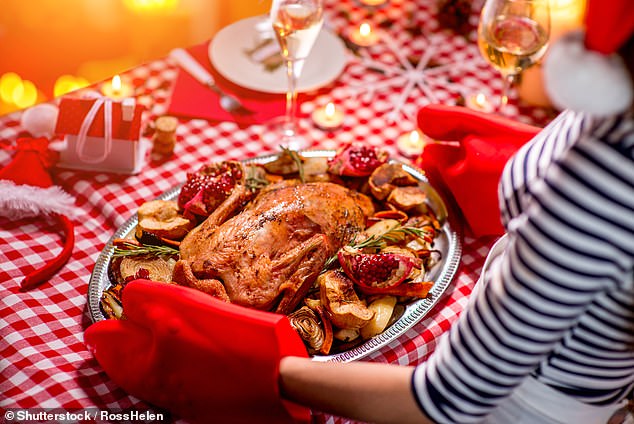
- Proper Chilling and Storage: Food left at room temperature for more than two hours is a breeding ground for bacteria. This applies to everything from the Christmas turkey to buffet items. Once cooked, food should be cooled rapidly and refrigerated or frozen promptly.
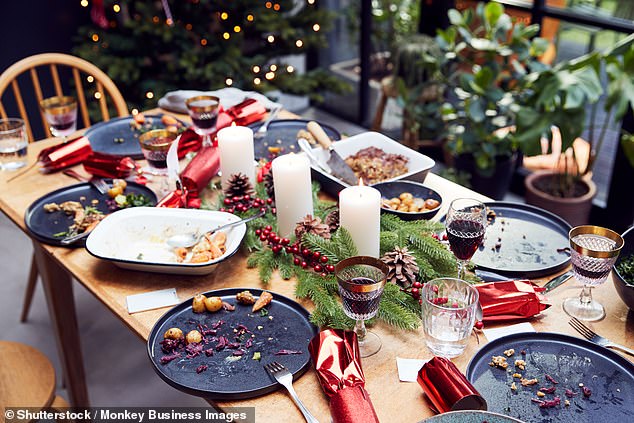
- Buffet Food: Buffet-style food should not be left out at room temperature for longer than four hours. After this period, it should be discarded or thoroughly reheated if it has been kept below 5°C.
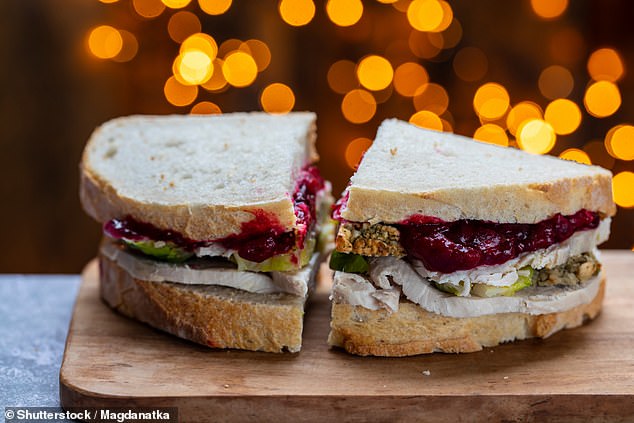
- Leftovers: Leftovers from your festive meals should ideally be consumed within two days. While some items like cooked turkey can be frozen for up to six months, once defrosted, they must be eaten within 24 hours and cannot be refrozen.
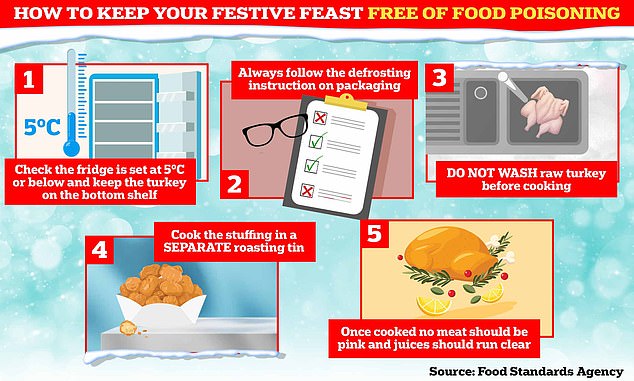
- Safe Thawing and Cooking: Incomplete thawing of poultry and meats can lead to uneven cooking. This means that some parts of the food may not reach the safe internal temperature required to kill harmful bacteria. Always follow recommended thawing and cooking instructions meticulously.
- Preventing Cross-Contamination: The reuse of knives, utensils, and cutting boards that have been in contact with raw meat without thorough cleaning can transfer bacteria to other foods, posing a serious health risk. It is essential to wash all utensils and surfaces thoroughly between uses, especially when handling raw and cooked ingredients.
- Maintaining Fridge Temperature: A refrigerator's temperature should consistently be below 5°C. Bacteria multiply rapidly in warmer temperatures, typically between 8°C and 63°C. Regularly checking your fridge thermometer is a simple yet effective way to ensure food safety.
The Hidden Risks of Festive Food Habits
Research indicates a concerning trend of individuals taking risks with food safety during the holidays, often referred to as "festive food gambling." These shortcuts, while seemingly minor, can have significant consequences, especially for vulnerable populations such as pregnant women, individuals with weakened immune systems, and the elderly, who are at a higher risk of severe complications from food poisoning.
Addressing Dietary Requirements and Allergies
Beyond general food safety, hosts are reminded of the critical importance of inquiring about guests' allergies and intolerapperiences well in advance of gatherings. Nearly a third of people fail to do this, increasing the risk of severe reactions, including anaphylaxis, which can be life-threatening. Proactive communication allows hosts to prepare suitable alternatives and ensure all guests can enjoy the festivities safely.
Common "Festive Food Fails" to Avoid
To further illustrate the potential dangers, here's a list of common mistakes that can compromise food safety during the holiday season:
- The Worktop Defrost: Thawing poultry or meat at room temperature instead of in the refrigerator.
- The Dairy Date Gamble: Consuming dairy products past their use-by dates, even if they appear and smell fine.
- The Buffet Blunder: Leaving buffet food out for more than four hours.
- The Cold Meat Chance: Eating smoked fish or cold meats beyond their use-by dates.
- The Allergy Amnesia: Failing to ask guests about allergies and dietary needs.
- The Leftover Lapse: Allowing leftovers to sit at room temperature for extended periods before refrigeration.
- The Half-Baked Hazard: Partially cooking food in advance and leaving it at room temperature before finishing later.
- The Pink Turkey Gamble: Not ensuring poultry is cooked thoroughly to the correct internal temperature.
- The Unwashed Utensil: Reusing utensils without proper cleaning after contact with raw meat.
- The Forgotten Fridge Check: Not verifying that the refrigerator temperature is below 5°C.
- The Week-Old Leftover: Keeping festive meal remnants for more than two days.
- The Warm Storage: Placing hot leftovers directly into the refrigerator without allowing them to cool first.
Statistics suggest that a significant number of people in the region may seek medical attention for food poisoning during the Christmas period, with the actual number potentially being much higher due to unreported cases. By being mindful of these guidelines and common mistakes, individuals can ensure their festive celebrations are not only memorable but also safe and healthy.
Post a Comment for "Exactly how long you can keep leftover turkey, according to food safety experts"