
A chronicle of food as comfort – and resistance – in the Levant
Culinary Narratives: Al Rawiya Unveils "The Flavors We Carry"
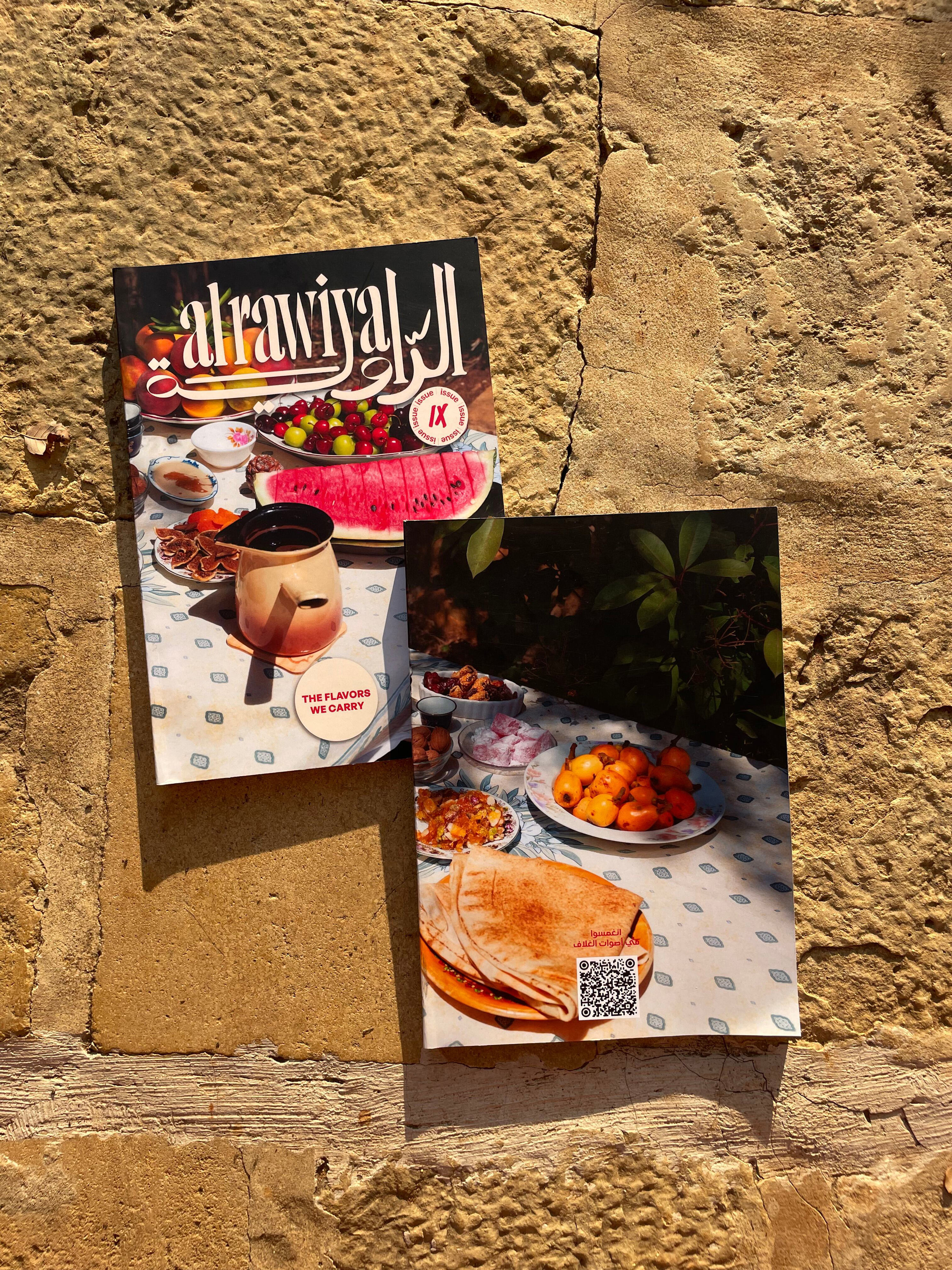
In the vibrant tapestry of the Levant, even the culinary landscape is imbued with profound political and social significance. From age-old gastronomic traditions that stand resilient against historical erasure to the enduring human need for shared sustenance amidst adversity, food in this region tells a compelling story. For the past five years, Al Rawiya, an independent, women-led platform, has been dedicated to chronicling untold narratives from Lebanon, Syria, Jordan, and Palestine. Now, this vital platform has launched its inaugural print edition, aptly titled "The Flavors We Carry," shifting its focus to the rich spectrum of food traditions, the deeper meanings embedded in regional flavours, and the profound cultural impact of cuisine.
This debut print compendium is a significant undertaking, bringing together a diverse collection of voices from Levantine writers, artists, and creative practitioners. Presented in both Arabic and English, the publication offers deeply personal reflections that explore the intricate role food plays in shaping the region's social and political fabric.
"From the outset, our ambition was to address subjects in an accessible manner and to challenge the prevailing norms by delving into topics that traditional media often neglects," explains Stephani Moukhaiber, the founder of Al Rawiya. "We have consistently focused on marginalised communities, including refugees, migrant workers, women, and the diaspora. Many of the themes we explore intersect with critical issues of politics, social justice, human rights, culture, and art."
Moukhaiber elaborates on the platform's journey: "Five years on, we continue this mission independently and through self-funding. However, our vision is to expand, and this physical edition is a crucial step in that direction. It serves as a tangible means to archive our history, our traditions, and our culture in a format that resonates with our generation. Publishing in both Arabic and English remains a cornerstone of our approach."
The volume delves into historical recipes and culinary rituals, presenting them as potent markers of memory, identity, and a sense of belonging. It examines how specific foods provide solace during periods of grief and upheaval, and how cuisine itself can emerge as an act of profound resistance in the face of occupation.
Furthermore, "The Flavors We Carry" endeavours to bridge the geographical and emotional distance experienced by the Levantine diaspora, acknowledging the complex, often bittersweet, relationship many maintain with their heritage. Set against a backdrop of food insecurity, systemic displacement, and cultural erasure, the featured stories encompass a range of impactful projects.
One such project is the "Mother Tongue" series by Sama Beydoun, a Paris-based Lebanese artist. Through this initiative, Beydoun invited members of the Lebanese diaspora to share their inherited recipes, meticulously documenting these intimate exchanges within the kitchens of strangers.
Preserving Heritage Through Adaptation
The publication also highlights the ingenuity of communities in preserving their culinary heritage. Jordanian writer and composer Dina Tahamouqa, for instance, offers a poignant reflection on how Circassian communities have not only maintained but also creatively adapted their traditional culinary practices in exile. This process has resulted in a unique subgenre of Circassian cuisine, distinctly shaped by the influences of their Jordanian surroundings.
"The name 'Al Rawiya' itself means 'the storyteller'," Moukhaiber emphasizes. "It was therefore imperative that all contributions were deeply personal. Our writers share their lived experiences to foster a sense of relatability among readers. Several pieces thoughtfully explore the concept of the 'luxury of time,' particularly relevant in contexts like Lebanon and Palestine, where the persistent realities of conflict and war often preclude the opportunity to learn about the land's offerings or how to tend to it."
The Luxury of Time and Culinary Discovery
Moukhaiber provides a compelling example: "Mexican-Palestinian academic NA Mansour writes about the distinct luxury of time she experienced in Mexico, which allowed her to learn how to prepare cactus fruit. Known locally as 'nopales,' this fruit is referred to as 'soubber' in Palestine. While it is an integral part of everyday cooking in Mexico, many individuals in Palestine, especially in Gaza, have not had the opportunity or the knowledge to prepare it and benefit from its nutritional value."
Resistance Through Foraging: A Palestinian Perspective
One of the most powerful and poignant chapters in the compendium tackles Israel's attempts to systematically erase Palestinian cultural practices, notably by outlawing the traditional foraging of sage, mallow, and thyme. These wild herbs have been a staple for local communities for centuries. The piece is authored by Ghayad El-Khatib, a Palestinian architect and animator.
Framed by Israeli authorities as environmental protection measures, these laws were strategically introduced to sever the deeply ingrained, intergenerational connection between Palestinian women and the landscapes they have historically sustained. El-Khatib masterfully intertwines meticulous research with vivid personal memories, recalling the invaluable lessons in foraging passed down by her grandmother.
"The chapter meticulously traces the deliberate criminalisation of this botanical heritage," El-Khatib states. "Za'atar was designated as a protected plant following the tragic Tel al-Zaatar massacre in 1976. Mirmiyya, or sage, became a target of agricultural policies designed to favour settler economies. And khubeizah, or mallow, a wild edible deeply synonymous with ancestral resilience, was rhetorically reframed as a threat to the state’s ecological order."
She further elaborates on the profound personal significance of these traditions: "Every winter, for as long as I can recall, this ritual has been central to my life. I venture out to collect plants, particularly khubeizah, from the slopes of Mount Carmel or from the earth near my home. However, this cherished ritual originated in the fields of Safuriya. We were unable to return to our ancestral village, Al-Mujaydil, which had been erased. Safuriya, with its open lands, became the closest accessible place that still evoked a sense of home."
The chapter recounts harrowing stories of women facing arrest or fines for engaging in foraging, drawing upon testimonies collected from across Galilee and the West Bank. Coupled with a detailed examination of the legislation and the activities of the Green Patrol – a military unit specifically tasked with preventing Palestinians from foraging or cultivating endemic plants – this piece powerfully foregrounds the quiet yet determined acts of resistance undertaken by women who continued to practice their food rituals in direct defiance of the law.
Community Engagement and Future Aspirations
In conjunction with the launch of "The Flavors We Carry," Al Rawiya is orchestrating a series of community events. These gatherings are planned across Lebanon and Amman, as well as in key diaspora cities including London, Paris, and Montreal. Echoing the spirit of the launch event held at Souk Al Tayeb in Beirut, these sessions will feature an array of engaging activities. Attendees can anticipate immersive food workshops and tastings, captivating performances, intimate storytelling sessions, and multisensory tables designed to allow participants to see, touch, and smell the very ingredients that are woven into the narratives within the book.
Moukhaiber reveals that the print edition is envisioned as an annual publication, with each subsequent edition exploring a fresh theme, complementing the ongoing work of the digital platform. The platform harbours ambitious plans for further expansion and aims to increase its printing frequency in the future.
Post a Comment for "A chronicle of food as comfort – and resistance – in the Levant"