
Edmonton retailers favour the suburbs, CBRE report finds
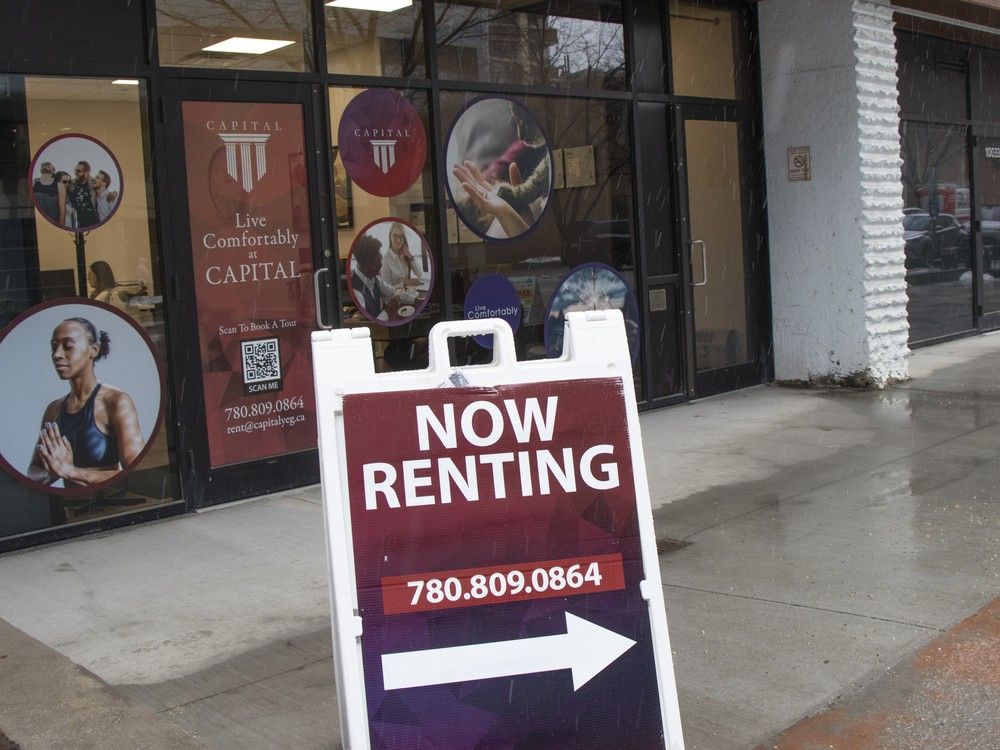
Edmonton's retail landscape is undergoing a dramatic transformation, presenting a stark contrast between its downtown core and outlying communities. Historically, prime retail locations were always found on the city's periphery, characterized by high demand and premium pricing. However, the current market dynamics have flipped this long-standing convention on its head. Today, entrepreneurs are finding unprecedented opportunities in Downtown Edmonton, with abundant space and significantly lower rental rates compared to suburban areas, which are experiencing limited availability and escalating costs.
Paul Messinger, a professor of marketing at the University of Alberta, notes that this shift represents a paradigm change from what retailers once aspired to. "Twenty-five years ago, if you could put something Downtown at rents that are lower than the perimeter of the city retailers, that’s what retailers would dream about. But the way our society has evolved is different now," Messinger explained. This evolution, while a departure from the norm, has been a developing trend in Edmonton for some time.
A recent report by CBRE, a prominent commercial real estate group, highlighted this trend. In the latter half of 2023, retail rents in regional malls across Edmonton saw a decline, settling between $70 to $130 per square foot over the preceding six months. Notably, other retail rent categories within the city remained stable.
The city's overall retail vacancy rate stands at a relatively strong 5.6 per cent. However, Matthew Hanson, a sales associate with CBRE Edmonton, emphasizes that this aggregate figure masks a significant disparity between two distinct retail realities within the city. "Edmonton is a bit of a tale of two cities here in the fact that the suburbs are quite different than what the downtown core is," Hanson stated.
Suburban Retail Strength
The suburbs are performing exceptionally well, attracting a high volume of tenants eager to establish a presence. This robust demand is fueled by the surrounding residential populations and the consistent flow of people, which directly translates into strong business performance. "Our suburbs are very strong. They do very well. Lots of tenants want to open there, lots of rooftops around them, lots of people around them, and that helps to push good business, quite frankly," Hanson elaborated.
This thriving suburban market contrasts sharply with the situation in the city's core. Hanson observed, "We have very few people Downtown in the grand scheme of things, and thus we don’t have a whole lot of tenants."
The Downtown Dilemma: Remote Work's Ripple Effect
The primary driver behind this altered retail rental market is the pervasive influence of remote work. Professor Messinger attributes the rise in remote work, which had been steadily gaining traction over the past decade, to its acceleration during the COVID-19 pandemic. As businesses and their employees transitioned to remote operations, many offices vacated the downtown core, leading to a struggle for revitalization that continues to this day.
This shift has had a tangible impact on vacancy rates. Hanson pointed out the stark difference: "Our suburbs are very strong. They do very well. Lots of tenants want to open there, lots of rooftops around them, lots of people around them, and that helps to push good business, quite frankly." He further elaborated on the specific situation in the city's west end, where the retail rental vacancy rate is a mere one per cent. In contrast, central Edmonton, encompassing the downtown area, faces a retail vacancy rate approaching 15 per cent. This elevated vacancy has consequently driven down rental prices for some downtown retail spaces.
The Edmonton City Centre Mall: A Symbol of Opportunity and Challenge
One of the most significant contributors to the abundance of vacant retail space downtown is the Edmonton City Centre mall, which entered receivership last year. This massive property represents thousands of square feet of empty retail potential. Hanson described the situation: "That’s a massive amount of space right in the Downtown core, right beside the Ice District. I want to say possibilities are endless to some extent. But I mean that also revolves around somebody or a group that wants to spend a lot of money, because a lot of money needs to be spent."
While the rental rates for these spaces may be discounted, the cost of renovating and upgrading them for modern tenants presents a substantial financial undertaking. Although interested parties have explored the mall's potential, no concrete deals have been finalized as of yet.
Reimagining Downtown Retail: The Experience Economy
Messinger's earlier point about the historically unusual situation of having a vast, empty mall and other vacant retail spaces downtown, leading to more affordable rental options, is a critical observation. When teaching his retail classes at the University of Alberta, Messinger notes that many students still propose opening businesses downtown. He views these proposals favourably, given the current affordability, but stresses the paramount importance of ensuring these ventures have a compelling reason to exist in a physical location. This, he argues, is crucial for the future of all retail, especially in the face of competition from e-commerce.
"If you’re going to do in-store retailing, often what’s called ‘bricks and mortar’ retailing, you have to have a reason why a person needs to be there physically, rather than just ordering online," Messinger explained. He advocates for creating an experiential element that enhances the customer's shopping journey. "If you can create an experience, something that enhances what (the customers are) doing when they’re shopping, that will attract people, and you’re taking advantage of the in-person element."
A New Vision for Downtown Edmonton?
Even if retail does not return to its former prominence in Downtown Edmonton, Messinger suggests this may not necessarily be a negative development. Instead, it could pave the way for a reimagined downtown. "If some of the office spaces are converted to residential, then you’re going to have greater density of people Downtown, and then it’s going to also attract more retailing. But the transition from office space to residential space takes time," Messinger commented.
He views this period as a necessary adjustment: "So we’re describing this as something that’s a bad thing. In the short term, it is a bad thing. But in the long term, it’s an adjustment to a new way that cities are going to develop."
The ultimate trajectory of this urban evolution remains uncertain. However, both Messinger and Hanson concur on one fundamental point: a positive future for Downtown Edmonton hinges on increasing the human presence. Whether this influx of people stems from new businesses, residential conversions, or a combination of both, remains to be seen.
Post a Comment for "Edmonton retailers favour the suburbs, CBRE report finds"