
A significant shift is underway in how visitors can experience some of America's most cherished natural landscapes. The National Parks Service (NPS) has announced that several popular national parks will be dismantling their reservation systems, a move aimed at enhancing public access during peak seasons. This decision marks a departure from a policy largely implemented to manage overwhelming crowd sizes and protect delicate ecosystems.
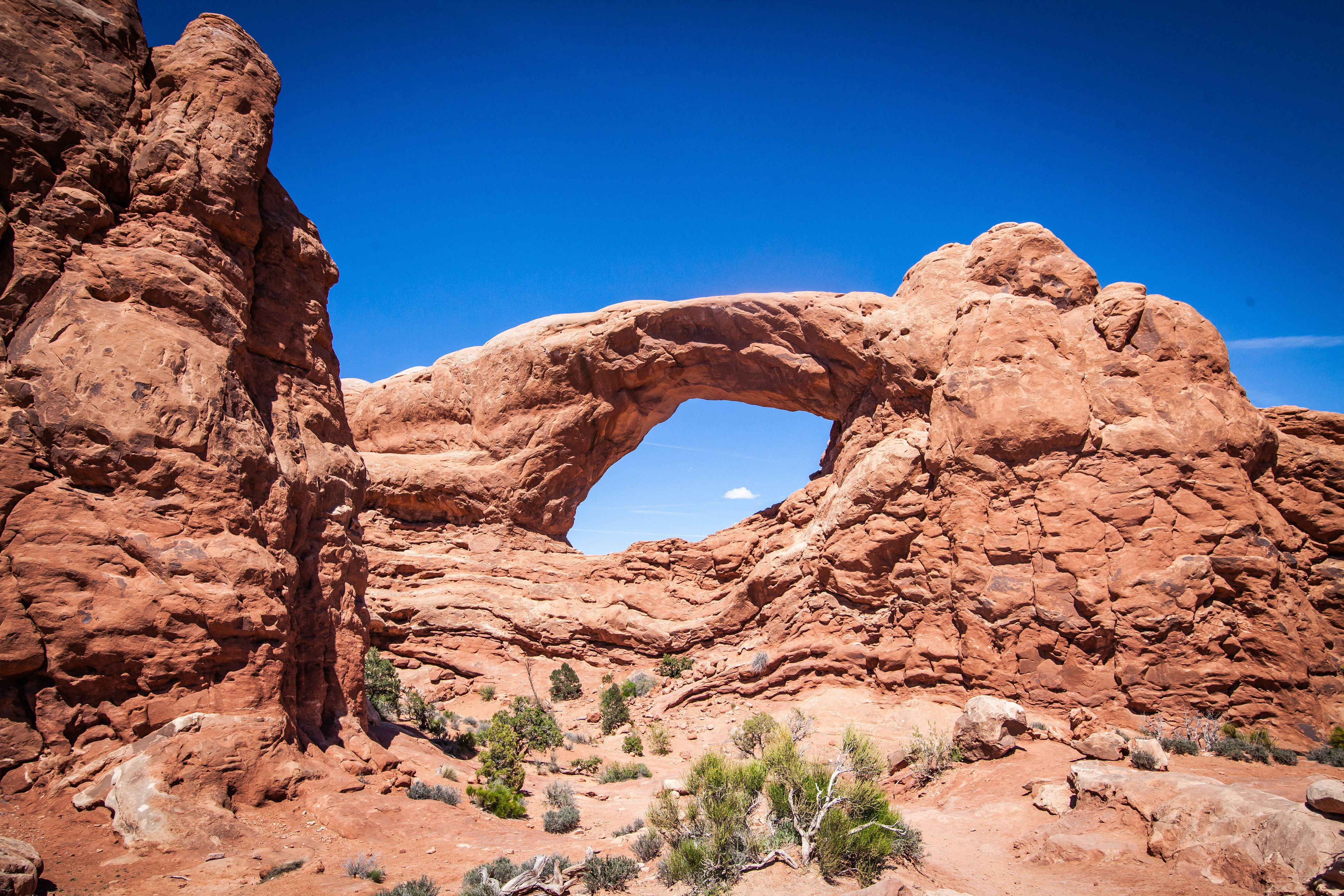
Starting this summer, three iconic national parks – Arches in Utah, Glacier in Montana, and Yosemite in California – will no longer require visitors to book timed-entry reservations. This change reflects a broader desire to open up these treasured spaces more freely to the public.
Expanding Access to National Treasures
Kevin Lilly, the acting assistant secretary for fish, wildlife and parks, articulated the agency's commitment to accessibility. "Our national parks belong to the American people, and our priority is keeping them open and accessible," he stated. "We’re expanding access where conditions allow and using targeted tools only where necessary to protect visitor safety, maintain emergency access and preserve these extraordinary places for future generations." To support this increased access, the parks' seasonal workforce is set to be augmented.
The introduction of reservation systems in many national parks gained traction during the Covid-19 pandemic. The primary objectives were to mitigate overcrowding and prevent the overuse of these natural resources. However, the policy proved to be a double-edged sword, sparking varied reactions. Local businesses, dependent on tourism, often voiced concerns that reservations deterred visitors. Conversely, many outdoor enthusiasts and conservationists championed the system, seeing it as an effective method for managing visitor flow and safeguarding the parks.
Cassidy Jones, a visitation program manager with the National Parks Conservation Association, previously highlighted the perceived benefits of these reservation systems. "In our view, [timed-entry reservations] have really made a meaningful difference in people’s visitor experiences. It creates safer conditions, protects resources and typically helps with traffic issues," she noted.
Key Parks and Their New Access Policies
The policy reversal will significantly impact three of the nation's most frequented outdoor destinations, which collectively attract millions of visitors annually.
-
Arches National Park, Utah: This park will cease its "timed-entry reservation system." Instead, visitors will be advised to arrive early, explore less-congested areas, and maintain flexibility in their plans.
-
Glacier National Park, Montana: While the park will eliminate its "park-wide vehicle" reservation requirement in 2026, it intends to continue employing "targeted congestion management in high-demand corridors."
-
Yosemite National Park, California: Yosemite, which welcomed approximately 4 million visitors in 2024, will phase out its reservation requirements entirely this year, even during the peak visitation months. The park plans to implement real-time traffic management strategies. These will include temporary traffic diversions when parking areas become full and the deployment of additional seasonal staff to manage busy areas.
Other Parks and System-Wide Changes
It is important to note that not all parks are following this trend. Rocky Mountain National Park in Colorado, for instance, will retain its timed-entry reservation system from May through October.
These adjustments to visitation policies are part of a series of recent changes within the national parks system. In December, the NPS revised its schedule of free entrance days. Martin Luther King Jr. Day and Juneteenth, federal holidays added under the previous administration, were removed. In their place, June 14, coinciding with Flag Day and a significant date for the current administration, has been added.
Furthermore, in January, directives were issued to national parks to review and update signage that addresses climate change and Native American history. Staff at numerous locations across states like Texas, Colorado, Montana, and Utah were instructed to modify these displays. This action aligns with an executive order aimed at removing what is described as "partisan ideology" from federal sites.
The operational capacity of the nation's parks has also been a point of concern, with reports indicating a significant reduction in permanent staff numbers since a recent shift in administration.


No comments:
Post a Comment