
Being a proud Canadian used to mean affordable cottage weekends, coast-to-coast road trips, and celebrating national holidays without breaking the bank. These cherished traditions that once defined our identity are now slipping out of reach for many families as the cost of everything from travel to maple syrup continues to climb.
What’s happening isn’t just about inflation hitting our wallets. It’s about watching the very activities that connect us to our country become financially out of reach. The emotional weight of this shift affects how we pass down Canadian traditions to the next generation.
Camping fees at national parks keep rising
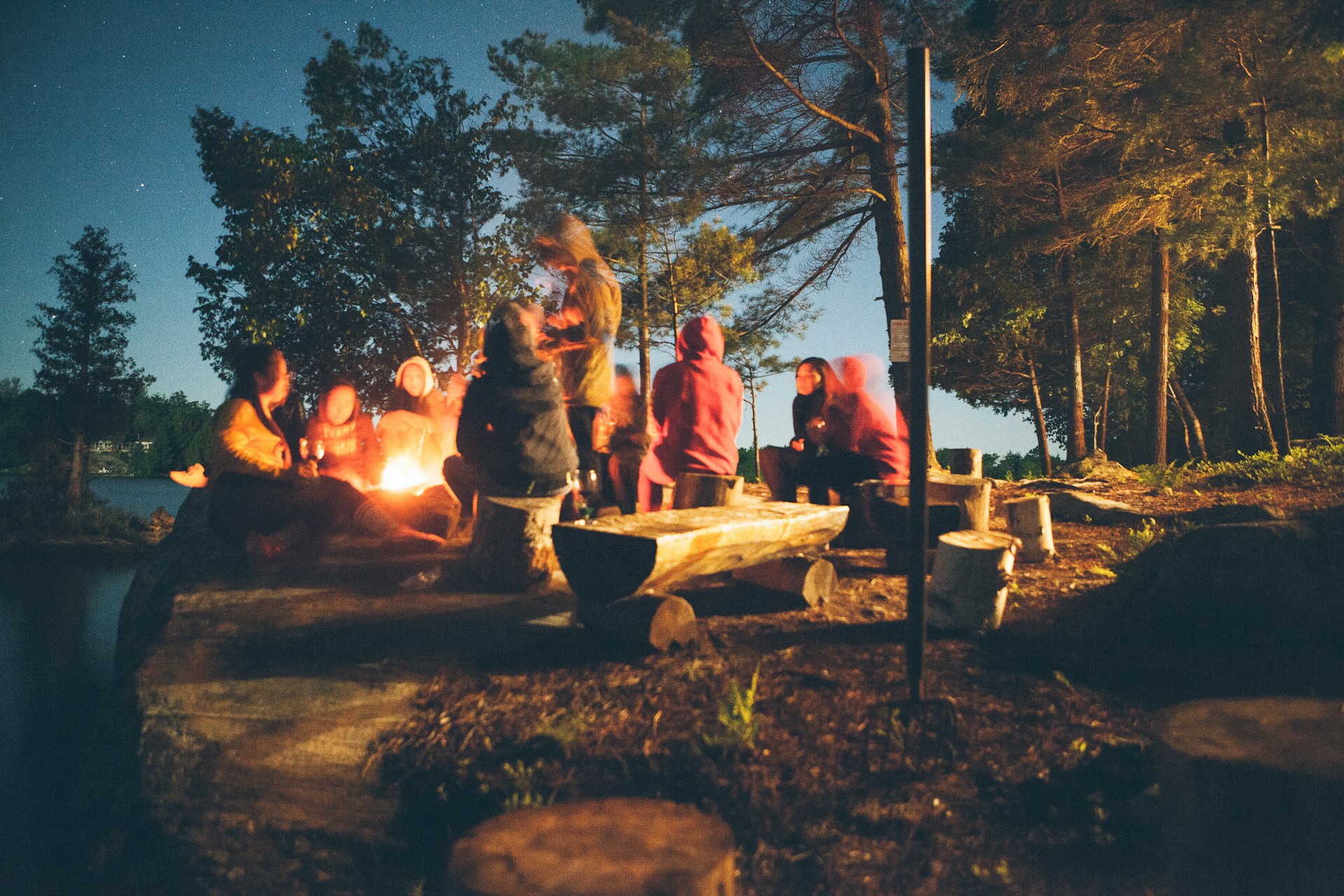
Parks Canada has steadily increased camping fees over the past decade. A week-long camping trip that used to cost a few hundred dollars now requires serious financial planning. The additional costs of park passes, equipment, and supplies have compounded the burden on families.
What previous generations took for granted now requires the same financial consideration as booking a resort vacation. Families are forced to choose between shorter trips, less desirable campgrounds, or skipping the experience altogether. The rising costs have fundamentally changed how Canadians access their own public lands.
Canada Day celebrations drain household budgets
Hosting a proper Canada Day barbecue has become an expensive proposition as food costs surge. The classic spread that once fed a crowd for under $100 now easily doubles or triples that amount. Decorations and festive supplies add another layer of expense to an event that should feel spontaneous.
Many families have scaled back their celebrations or skipped them entirely. The cost of celebrating citizenship has created a situation where patriotism requires a budget line item. What was once a casual gathering has become a planned expense that many households can’t afford.
Hockey is pricing out the next generation
Minor hockey associations across the country report declining enrollment as registration costs climb beyond what families can manage. Equipment, league fees, and travel expenses now add up to thousands of dollars per child per season. The financial barrier means hockey is becoming less accessible to diverse communities and lower-income families.
Kids are missing out on the character-building experiences that hockey has traditionally provided. Parents face impossible choices between supporting their children’s athletic dreams and maintaining household financial stability. The sport that once united communities is now creating divisions based on who can afford to play.
Cottage country has become elite territory

The dream of owning a family cottage has slipped completely out of reach for average Canadians. Property prices in cottage regions have skyrocketed beyond what middle-class families can afford. Rental cottages offer no relief, with weekly rates climbing into the thousands during peak season.
A defining feature of Canadian summer life has transformed from a middle-class tradition into a marker of wealth. Families who once spent every summer at the lake are now lucky to visit once or twice. The loss represents the erosion of a shared cultural experience that shaped Canadian identity.
Winter sports require serious financial commitment
Skiing and snowboarding have evolved from regular weekend activities to occasional treats for most families. Lift tickets at major resorts can exceed $200 per person per day, making a family outing prohibitively expensive. Parents who want to introduce their children to winter sports face daunting calculations of costs versus benefits.
The seasonal sports that once united Canadians in appreciation of winter are increasingly reserved for those with significant disposable income. Children are missing the chance to develop skills and memories that previous generations considered normal parts of growing up Canadian. This financial exclusion changes how families experience the season that defines much of our national character.
Regional food traditions cost more than imports
Canadian-produced foods that define our culinary identity often cost significantly more than imported alternatives. The maple syrup that graces our flag sells at premium prices even within Canada, while supporting local farmers and food producers requires a budget that prioritizes values over economic value.
Families increasingly find themselves choosing cheaper foreign products over Canadian ones out of necessity. The price gap means that eating Canadian has become a luxury rather than a default choice. This economic reality weakens the connection between Canadians and the land that feeds them, undermining food sovereignty in the process.
Historic sites charge entry fees that add up
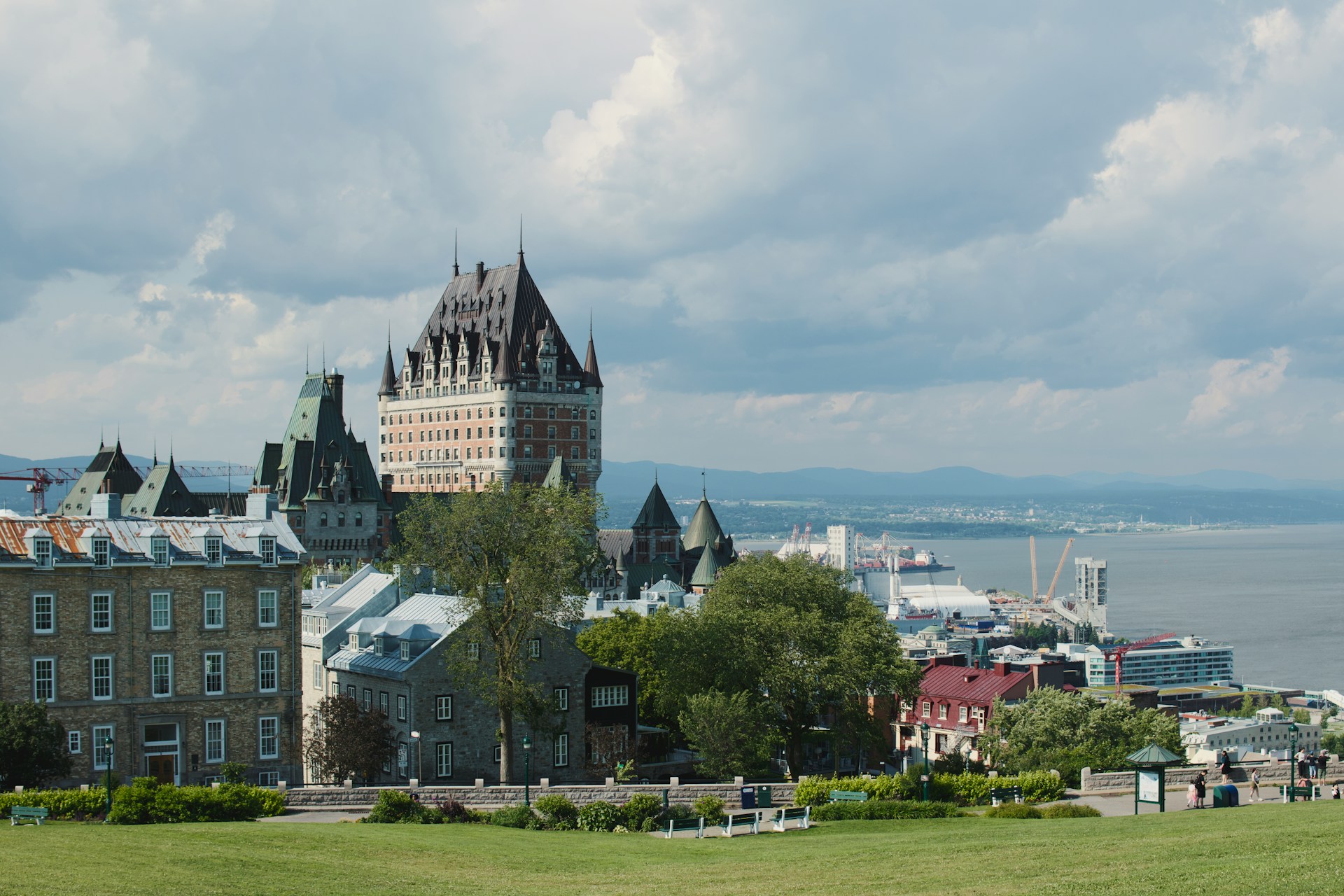
Visiting the museums and historic sites that tell Canada’s story involves admission costs that make educational outings expensive. A family of four can easily spend $100 or more just on entry fees for a single destination. While some museums offer free admission days, these are often overcrowded and limited to specific times that may not work for everyone.
The financial barrier means children are learning about Canada from textbooks rather than experiencing the places where our history unfolded. Educational trips that should enrich understanding become budget decisions that many families must decline. Institutions meant to preserve and share our collective history have become inaccessible to the very people whose story they tell.
Supporting Canadian-made products stretches budgets thin
Choosing products manufactured in Canada over cheaper imports has become a luxury many households can’t afford. Canadian-made items typically carry price premiums that reflect higher labor and production costs, forcing budget-conscious consumers toward less expensive foreign alternatives despite their preference for domestic goods.
This economic pressure undermines buy-local movements that aim to strengthen Canadian manufacturing. Every purchase becomes a tension between patriotic intentions and financial necessity. The premium pricing means that supporting the domestic economy requires sacrifices that many families simply cannot make without compromising other essentials.
Cultural festivals require financial planning
Attending celebrations of Canadian multiculturalism involves ticket costs, travel expenses, and on-site spending that quickly accumulates. Events that showcase the diversity of Canadian culture increasingly rely on revenue from attendees rather than public funding, transforming community celebrations into commercial ventures.
What should be accessible neighborhood gatherings often feel like ticketed entertainment events priced beyond many families’ reach. The commercialization means that experiencing Canadian diversity comes with a price tag that excludes economically disadvantaged communities. Festivals that once brought diverse groups together now create divisions based on who can afford admission.
Road trips face fuel price volatility
The classic Canadian summer road trip has become an unpredictable expense as gas prices swing wildly throughout the year. Families planning driving vacations must now factor in fuel costs that can easily reach hundreds or thousands of dollars, depending on distance and market conditions. The spontaneity of loading up the car and hitting the highway has been replaced by careful cost calculations and route planning.
Many Canadians have shortened their travel radius significantly or abandoned road trips entirely. The uncertainty around fuel costs makes it difficult to budget reliably for family vacations that depend on driving. What was once the most democratic and accessible form of travel has become another expense requiring careful consideration and financial preparation.
Seasonal celebrations demand bigger budgets

Marking Canadian seasons with traditional activities has become a series of expensive outings rather than simple pleasures woven into daily life. Each seasonal tradition now comes with entry fees, equipment rentals, and activity costs that add up quickly. Families find themselves rationing these experiences, choosing one or two seasonal activities instead of fully embracing the changing year.
Children are growing up with fewer seasonal memories because their families can’t afford the traditional activities that once defined Canadian childhood. The cost has turned what should be natural responses to our dramatic seasons into calculated expenses. Parents struggle to pass down the appreciation for Canadian winters, falls, and summers that defined their own formative years.
Community sports leagues increase fees annually
Participating in community recreation programs requires registration fees that rise faster than household incomes. Municipal budget pressures mean that publicly subsidized programs are either eliminated or shifted to cost-recovery models that price out lower-income families. Children who want to play soccer, swim, or participate in other activities face waiting lists for limited subsidized spots.
Recreation programs that once built neighborhood connections and provided affordable enrichment are becoming less accessible each year. Families with multiple children must make difficult choices about which kids get to participate in organized activities. The transformation of community sports from public goods to marketized services undermines the social fabric of neighborhoods and deepens inequality.
Patriotic merchandise carries premium pricing
Wearing the maple leaf on clothing or gear means paying extra for officially licensed Canadian products. The souvenir industry capitalizes on patriotic sentiment with inflated prices for items that cost considerably less without Canadian symbols. Families wanting to outfit themselves for national celebrations face choices between expensive, authentic merchandise and cheaper, unauthorized alternatives.
Budget-conscious families find themselves priced out of visibly expressing their national pride. The premium pricing creates a barrier to participation in national celebrations, international sporting events, and other moments of collective identity. Commercial exploitation has turned spontaneous patriotic expression into a transaction that requires disposable income rather than simply love of country.
The patriotism decline: Why fewer Canadians display the flag anymore
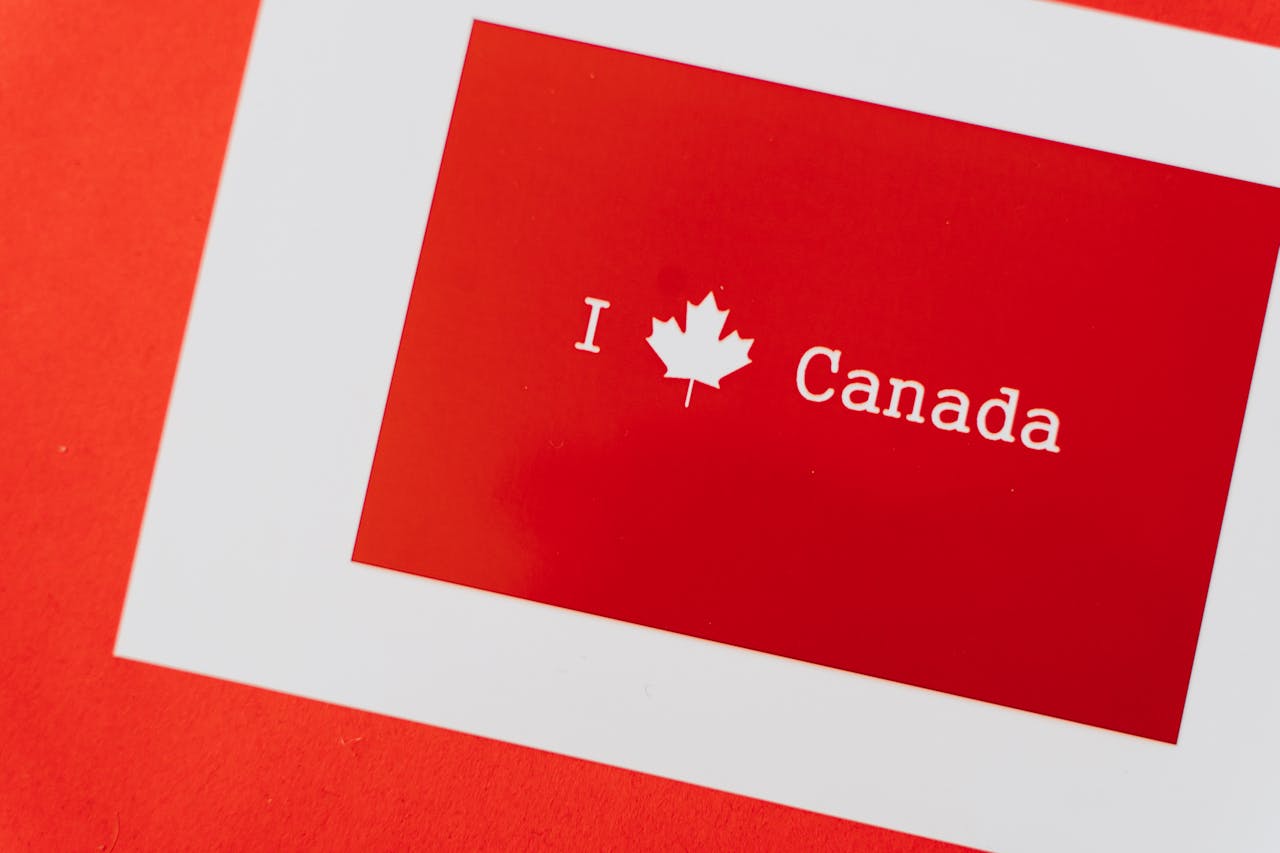
The patriotism decline: Why fewer Canadians display the flag anymore
This article appeared first on Mastermind Quotes.


No comments:
Post a Comment