
Meta shifts to closed AI model with Avocado successor to Llama
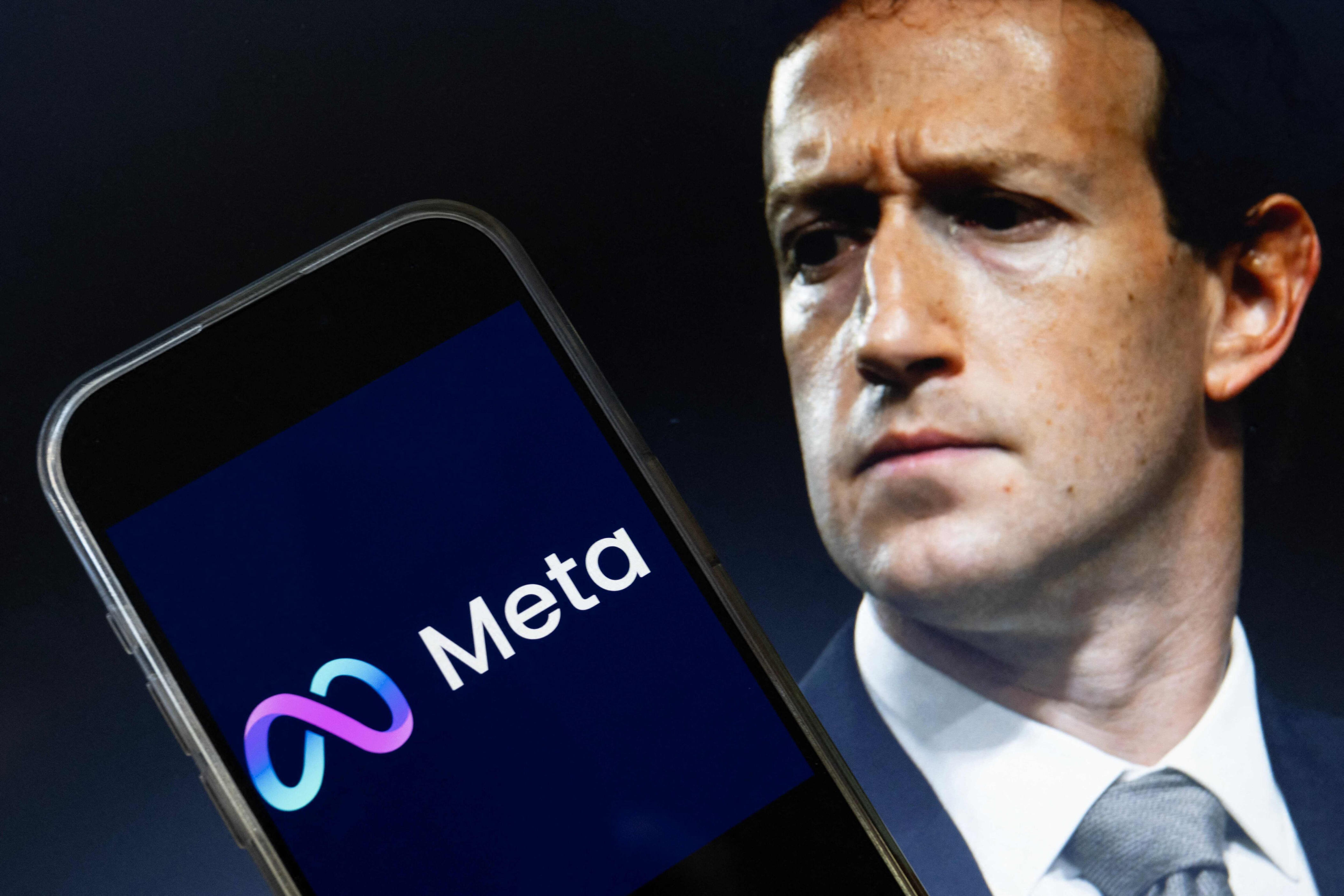
Meta is pushing ahead with the development of a next-generation closed AI model codenamed ‘Avocado.’ While the company has long adhered to open-source AI model development, it is now revising its strategy. As competitors like OpenAI and Google continue to enhance their AI models’ performance, Meta’s ‘Llama’ series has lagged relatively, and skepticism toward open-source models grew after it was revealed that Chinese entities were leveraging Meta’s open-source AI technology.
◇Meta’s Shift to Closed AI Development
Meta is reportedly developing ‘Avocado,’ the successor to its AI model ‘Llama,’ according to a CNBC report citing sources on the 9th (local time). Unlike Llama, which was released as open-source, Avocado will be a closed model, with software components like weights remaining undisclosed. Initially slated for release before the end of this year, Avocado is now undergoing testing with a target launch in the first quarter of next year. Meta told CNBC, “Our model training is progressing as planned, with no significant schedule changes.”
Current AI model release strategies are divided into open-source and closed models. Open-source models are further categorized into open-source and open-weight. Open-source models, which publicly share most design blueprints, allow users to freely modify, redistribute, and use them commercially. Open-weight models, a semi-open approach, disclose only partial design information, limiting modifications and commercial use but enabling customized improvements.
Meta has historically released AI models under the open-weight approach. As a late entrant compared to OpenAI’s ChatGPT, Meta’s Llama series faced lower public recognition and performance relative to competitors. Its open-source strategy aimed to attract developers and expand its ecosystem to boost visibility. However, analysts suggest Meta shifted tactics after realizing this approach alone could not win the AI race. The market responded disappointingly to Llama 4, released in April, while OpenAI and Google continue to deploy top-tier closed models like GPT-5 and Gemini 3.
Additionally, Meta’s open-source models were exploited by Chinese entities. DeepSeek’s ‘R1’ model was found to partially adopt Llama’s design, and a Reuters analysis last month revealed Chinese military-linked institutions used Meta’s Llama technology to develop military AI tools. This reportedly fueled internal skepticism about open-source models.
While CEO Mark Zuckerberg emphasized in July last year that “open-source AI is the way forward,” he shifted his stance in July this year, stating, “We must carefully select what to release as open-source.”
◇Hybrid Strategy: Blending Closed and Open Models
Like Meta, which abandoned its open-source commitment to develop closed models, AI companies are exploring hybrid approaches. OpenAI, which primarily releases high-performance closed models, unveiled its first open-weight models, ‘GPT-OSS-120B’ and ‘GPT-OSS-20B,’ in August after six years. Google, which maintained closed AI models, released the open-weight model ‘Gemma’ last year. Industry observers predict AI firms will adopt a “two-handed strategy,” developing both high-performance closed AI and smaller, more accessible open models.
Post a Comment for "Meta shifts to closed AI model with Avocado successor to Llama"