
UK Kids: Australia's Social Media Ban on the Horizon?
Australia's Bold Move: A Ban on Under-16s and Social Media, Sparking UK Debate
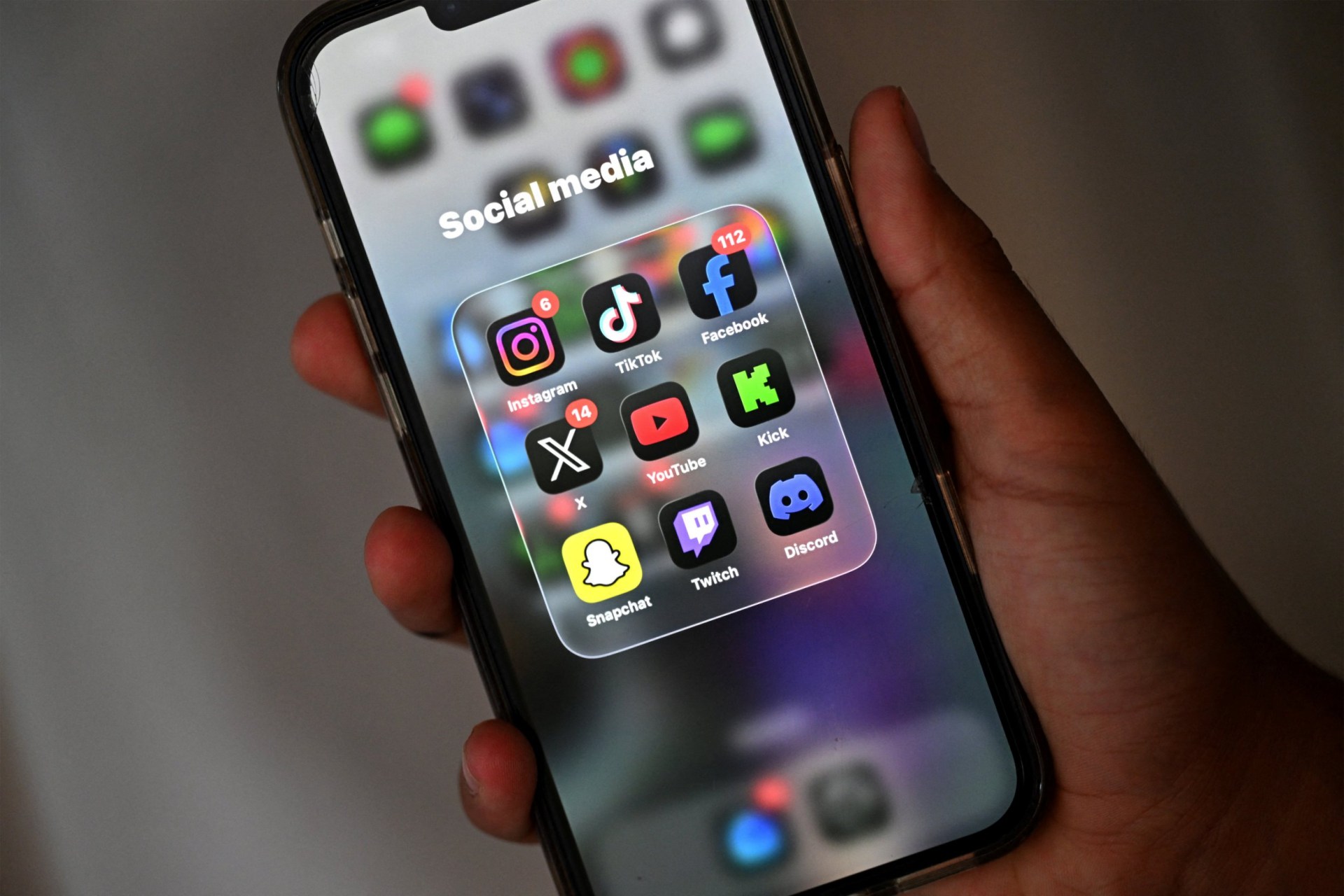
In a significant global first, Australia has enacted a law that prohibits individuals under the age of 16 from accessing a defined list of social media platforms. The legislation, which took effect at 1pm GMT on Tuesday, targets popular sites including Snapchat, TikTok, X (formerly Twitter), Reddit, Instagram, Facebook, YouTube, Kick, and Twitch. While teens and pre-teens in the UK might feel a sense of relief that this groundbreaking legislation is happening on the other side of the world, it has ignited a crucial conversation in Britain: could a similar ban be implemented here?
The rationale behind Australia's stringent measures stems from widespread concerns regarding the impact of social media on young people. These anxieties are not unique to Australia; in the UK, a growing chorus of parents, educators, and public figures are voicing similar worries.
A recent study from the Centre for Social Justice revealed a startling statistic: over 800,000 British children under the age of five are reportedly active on social media platforms. This finding has been described as "deeply alarming" by former education minister Lord Nash. He advocates for a dual approach: a comprehensive public health campaign to educate parents about the potential harms of social media, coupled with legislation that raises the minimum age for social media access to 16. Lord Nash also stressed the importance of holding tech giants accountable when they fail to adequately protect children on their platforms.
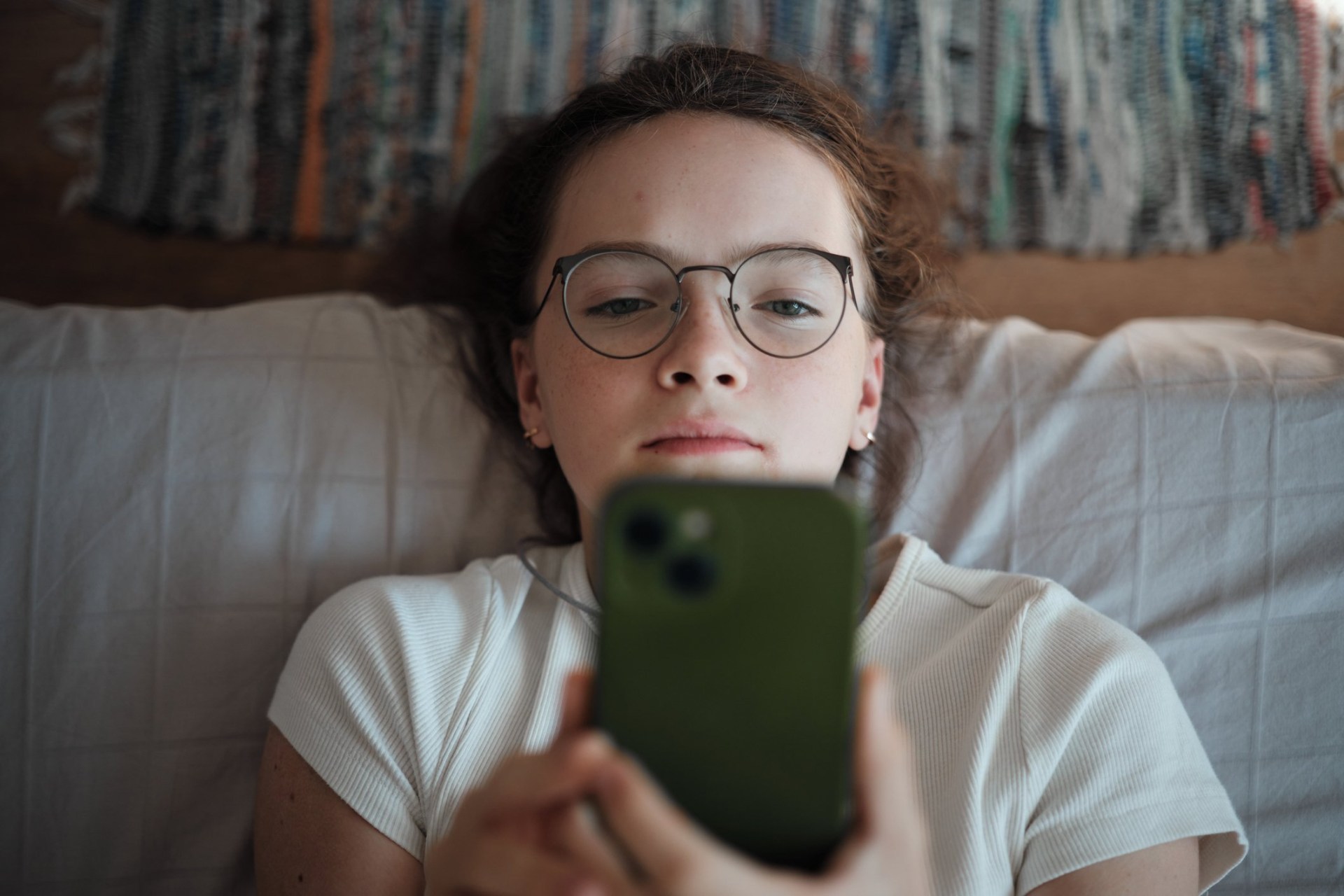
These sentiments are echoed by Esther Ghey, the mother of murdered teenager Brianna Ghey. Earlier this year, she publicly urged the UK to follow Australia's lead in implementing such a ban. Ms. Ghey highlighted the devastating reality of young people accessing harmful content online, citing self-harm and eating disorder sites as just the "tip of the iceberg" of the dangers present.
The public sentiment in the UK appears to align with these calls for action. A YouGov survey conducted last week indicated strong support for age restrictions, with a substantial 74% of respondents favouring blocking under-16s from platforms like TikTok and Instagram. Conversely, only 19% expressed opposition to such measures.
The UK's Existing Framework and Its Shortcomings
While Australia's law is unprecedented, the UK has already taken steps to bolster online safety for young people. In July, the age verification aspect of the Online Safety Act came into force. This legislation has led to platforms like X, which hosts adult content, requiring users to verify their age before gaining access.
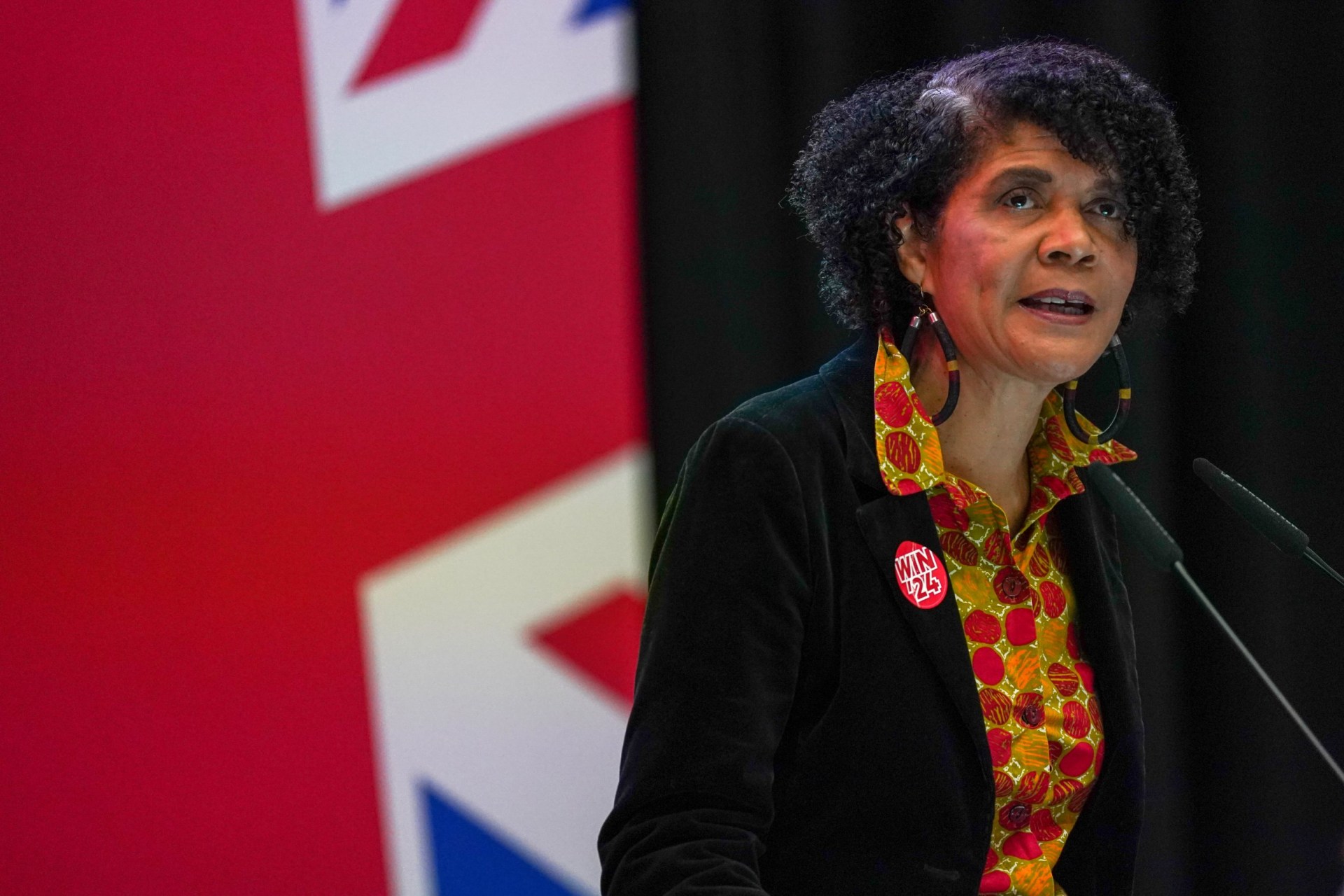
However, this existing legislation is facing scrutiny. Dame Chi Onwurah, the chair of Parliament's Science, Innovation and Technology Committee, has stated that the Online Safety Act is "failing the British people." She argues for a more robust and responsive online safety regime to ensure the protection of all individuals, especially children.

Dame Chi's committee has published a detailed report outlining recommendations for the government to improve online safety. While many of these findings were acknowledged, their implementation has been slow. She noted that the Secretary of State for Science, Innovation and Technology expressed concerns that banning smartphones and social media for younger children might hinder their ability to cope when they eventually gain access. The committee, however, has encouraged collaboration with the Department for Education to better address the threats children face in the digital realm.
Looking Ahead: Monitoring Australia and Future Inquiries
Dame Chi indicated that her committee would delve deeper into these issues as part of a new inquiry into digital childhoods scheduled for the new year.
A government spokesperson acknowledged the significance of Australia's new law, stating that the results are being "watched closely." They emphasised the government's commitment to protecting children while ensuring they can benefit safely from the digital world, without isolating vulnerable individuals or cutting off essential services.
The spokesperson reiterated that "nothing is off the table" when it comes to children's safety, but stressed that any future actions must be grounded in "robust evidence." This suggests that while the UK government is open to considering stricter measures, a cautious and evidence-based approach will guide their decision-making process. The Australian experiment will undoubtedly serve as a crucial case study as the UK navigates the complex landscape of protecting its youth in an increasingly digital age.
Post a Comment for "UK Kids: Australia's Social Media Ban on the Horizon?"