
Musk's Doge Regret: "Wouldn't Do It Again"
Six months after departing his role leading a controversial government cost-cutting initiative within the Trump administration, billionaire Elon Musk has indicated he would not likely reprise such a position. Musk, the world's wealthiest individual, shared his reflections on his time in Washington D.C. during a lengthy podcast interview with former Trump aide Katie Miller, which was released on Tuesday.
When questioned about the success of the Department of Government Efficiency (DOGE), Musk offered a measured response, stating it was "a little bit successful." He elaborated that the initiative achieved a degree of success, asserting, "We were somewhat successful." Musk believes the program effectively halted substantial funding allocations that he deemed nonsensical and "entirely wasteful."
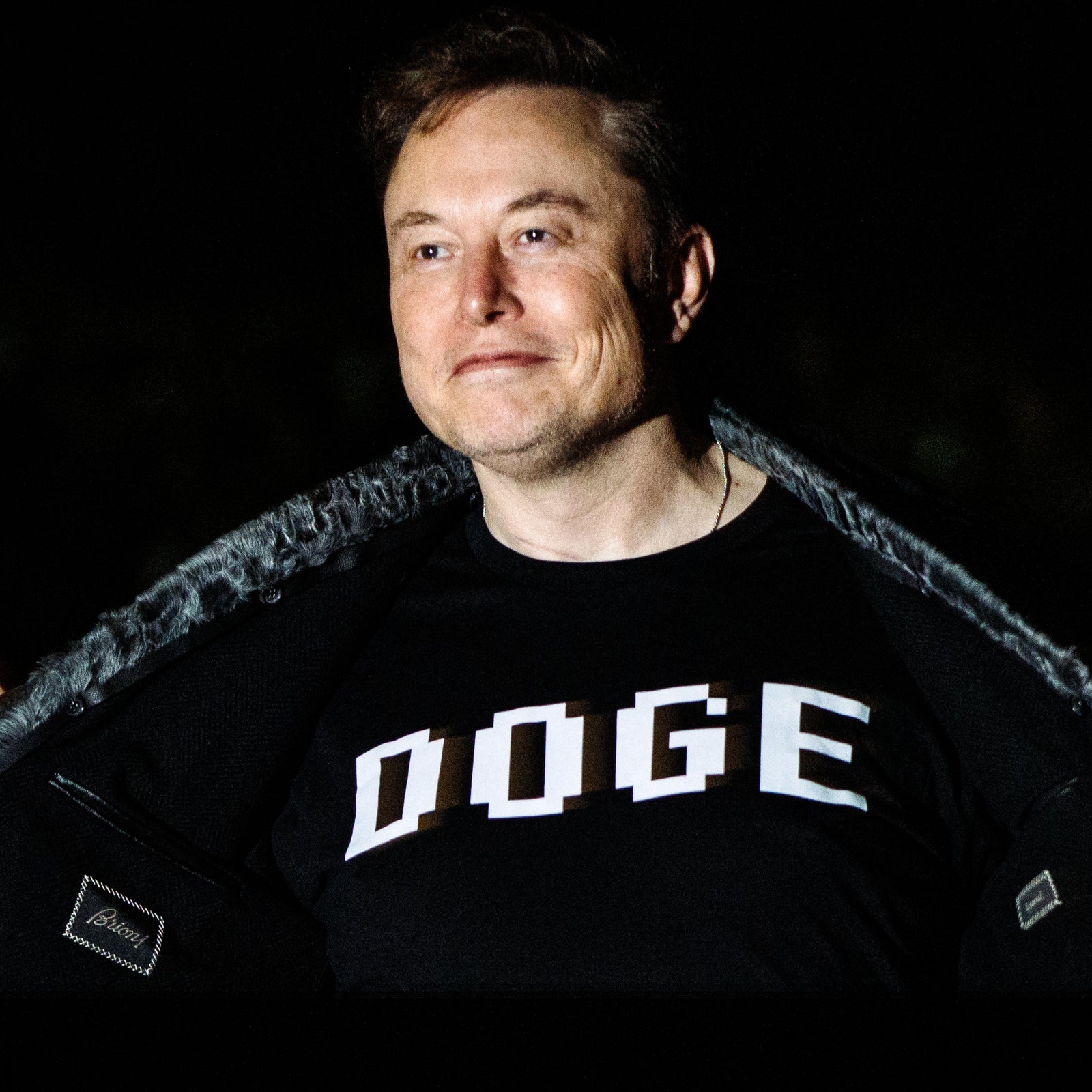
Miller then posed a direct question: knowing what he knows now, would he lead a similar cost-cutting effort again? Musk initially hesitated before responding, "I think instead of doing DOGE, I would've basically…worked in my companies, essentially." He further elaborated on this point, drawing a parallel to potential issues his own companies might have faced, stating, "They wouldn't have been burning the cars," referencing a series of arson and vandalism incidents that targeted dealerships for his electric vehicle company, Tesla.
The DOGE initiative, whose name was inspired by an internet meme, was established shortly after President Trump's inauguration. Musk, who had reportedly contributed hundreds of millions of dollars to Mr. Trump's presidential campaign, rapidly became a prominent and frequent figure at the White House.
Musk and his relatively young team at DOGE moved swiftly through the executive branch. Their mandate involved identifying and shutting down programs they considered wasteful and advocating for significant reductions in the federal workforce. These reductions were to be achieved through a combination of layoffs and voluntary buyouts. In some instances, entire government agencies, including the U.S. Agency for International Development, were effectively dismantled.
Musk had previously suggested that the DOGE effort could yield savings for the government in the hundreds of billions, potentially reaching as high as $2 trillion. However, some of the cost-saving figures promoted by DOGE have faced scrutiny and been called into question.
The aggressive approach championed by Musk, famously exemplified by a February event where he brandished a chainsaw, declaring it "the chainsaw for bureaucracy," garnered significant opposition. This backlash came from various quarters, including federal employees who faced potential layoffs and workplace disruptions, as well as Democratic lawmakers who argued that DOGE was exercising considerable power without proper congressional authorization. Legal challenges were initiated with the aim of halting some of the proposed cuts. Musk, in defense of DOGE, maintained that the government was in dire need of expenditure reduction.
The once close relationship between Musk and President Trump reportedly fractured soon after the Tesla CEO departed the White House in late May. This deterioration was marked by a public exchange of words, during which Musk personally criticized the president and his signature tax legislation. In response, Mr. Trump allegedly threatened to revoke lucrative federal subsidies that benefited both Tesla and Musk's aerospace company, SpaceX.
Musk has also, at various times, expressed interest in establishing his own political party, although the specifics of such plans remain unclear. Despite the apparent rift, there have been indications of a partial reconciliation between the two prominent figures. Musk was observed attending a White House dinner last month, hosted for Saudi Arabia's crown prince.
When asked recently about Musk's return to his inner circle, Mr. Trump commented, "I like Elon a lot," attributing their previous falling out to disputes over electric vehicle subsidies. The president added, "I think we get along well."
For his part, Musk told Miller in his podcast interview that he considers Mr. Trump to be the funniest person he knows. "He's got a great sense of humor," Musk stated, citing an example of the president's "Oval Office banter" with New York City Mayor-elect Zohran Mamdani. Musk described the humor as "naturally funny" and "somewhat effortless."
Post a Comment for "Musk's Doge Regret: "Wouldn't Do It Again""