
Vancouver's Architectural Gem Unveiled
A West Coast Revival: Timeless Design Meets Tranquil Living in Deep Cove
Perched majestically above the serene waters of Deep Cove, British Columbia, a remarkable architectural home has undergone a meticulous restoration, transforming it into a timeless West Coast retreat for a Toronto couple seeking an escape from urban life. The interior design firm PlaidFox was entrusted with the ambitious task of breathing new life into this jewel, a property that felt suspended in time, offering unparalleled views of the surrounding natural beauty.
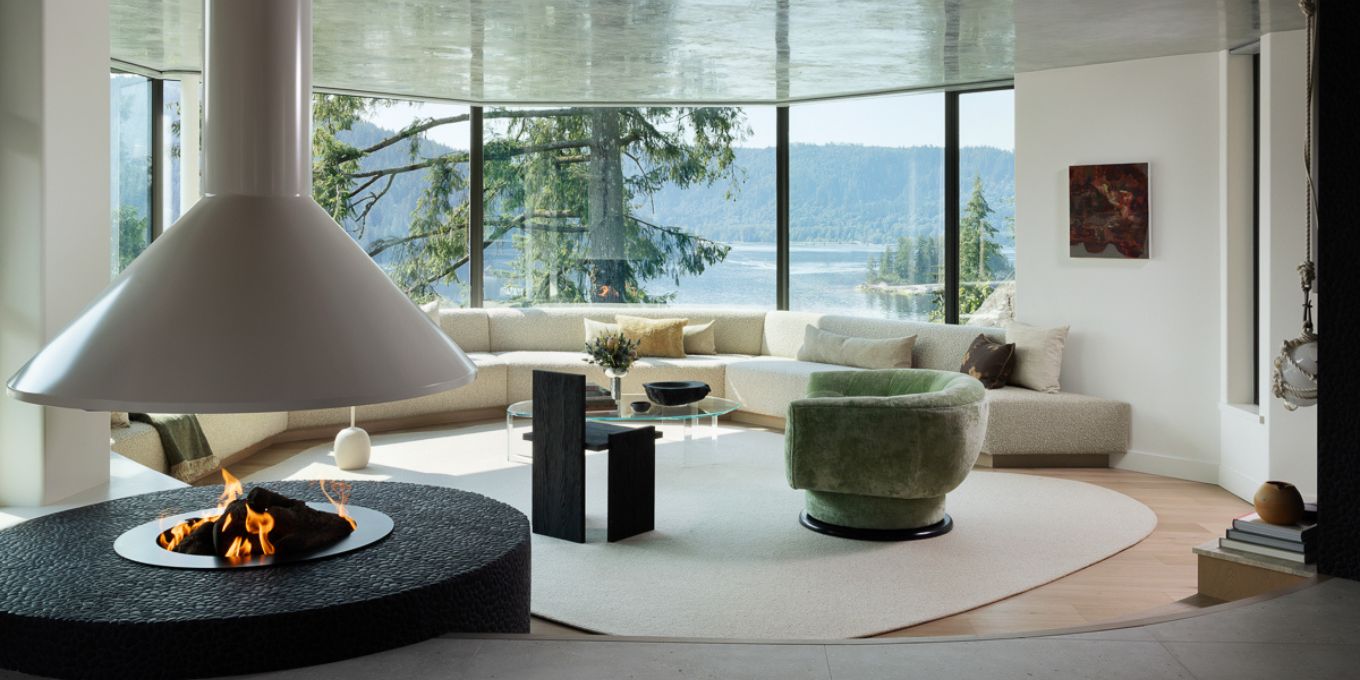
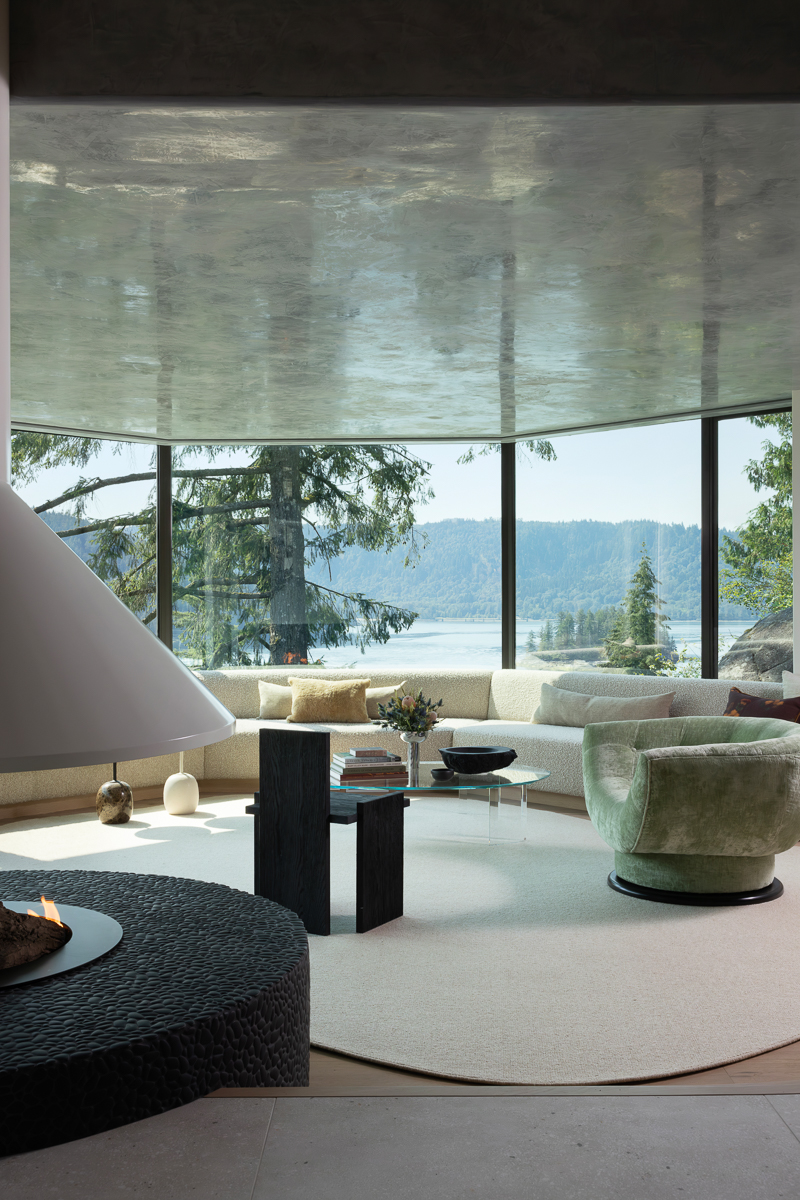
From the heart of the living room, the vista is breathtaking. Expansive windows frame a panoramic mountain landscape, interrupted only by the dramatic silhouette of a magnificently misshapen cedar tree. As sunlight dances upon the water's surface, shimmering reflections ascend to the ceiling, creating a dynamic interplay of light. Below, approximately 100 metres down the inlet, the gentle passage of boats can be observed, their forms mirrored on the brilliant blue Venetian plaster. Yet, the gaze is inevitably drawn back to the tree's slender form and the expansive natural panorama stretching across the opposite shore.
In this corner of Canada, particularly in early autumn, lush greenery dominates the landscape. The colours here are remarkably consistent, deviating from the norm only in winter when occasional snowfall dusts the evergreens, lending a serene white hue to the scenery. For the owners, who yearned for nature and profound tranquility, this location proved to be an idyllic choice. Like many individuals, the global pandemic served as a catalyst for a significant life alteration. Weary of the urban sprawl, the relentless pace of city living, and the perceived confinement of the concrete jungle, the young couple made the decisive move from Toronto to the West Coast. Their decision was influenced by friends residing in Deep Cove, a charming seaside village situated just 30 minutes from downtown Vancouver. This locale, renowned for its relaxed ambiance and popularity among kayakers well into the cooler months, offered the perfect antidote to their former urban existence. The majestic hemlocks and Douglas firs of the West Coast soon replaced the familiar cityscape, and the dull greys of the city were exchanged for a vibrant, evergreen backdrop.
A Symphony of Colour and Nostalgia
Despite a seemingly restrained palette, the entire home exudes a sense of vibrant colour and warmth. To manifest their vision of a personal sanctuary, the couple – he of Canadian heritage and she of Japanese descent – enlisted the expertise of Ben Leavitt and his interior design firm, PlaidFox. Their chosen abode was a unique 1974 structure built on stilts, clinging to the side of a cliff. Although renovated in the 1990s, it had largely retained its original character and was in significant need of revitalization. The comprehensive renovation project spanned a year and a half.
"In Toronto, the owners had embraced a distinctly minimalist Scandinavian aesthetic," explains Ben Leavitt. "For this new home, they desired a space that was colourful, energetic, engaging, and profoundly warm." While the prevailing trend along the coast often leans towards pristine white walls and natural linen, the team at PlaidFox sought to forge a path less travelled. They aimed to imbue the property with a style that was both contemporary and imbued with a sense of nostalgia, incorporating subtle references to the 1970s. "Our aspiration was to create an atmosphere that felt like a harmonious blend of Vancouver and California," Leavitt adds.
Curated Comfort and Artistic Expression
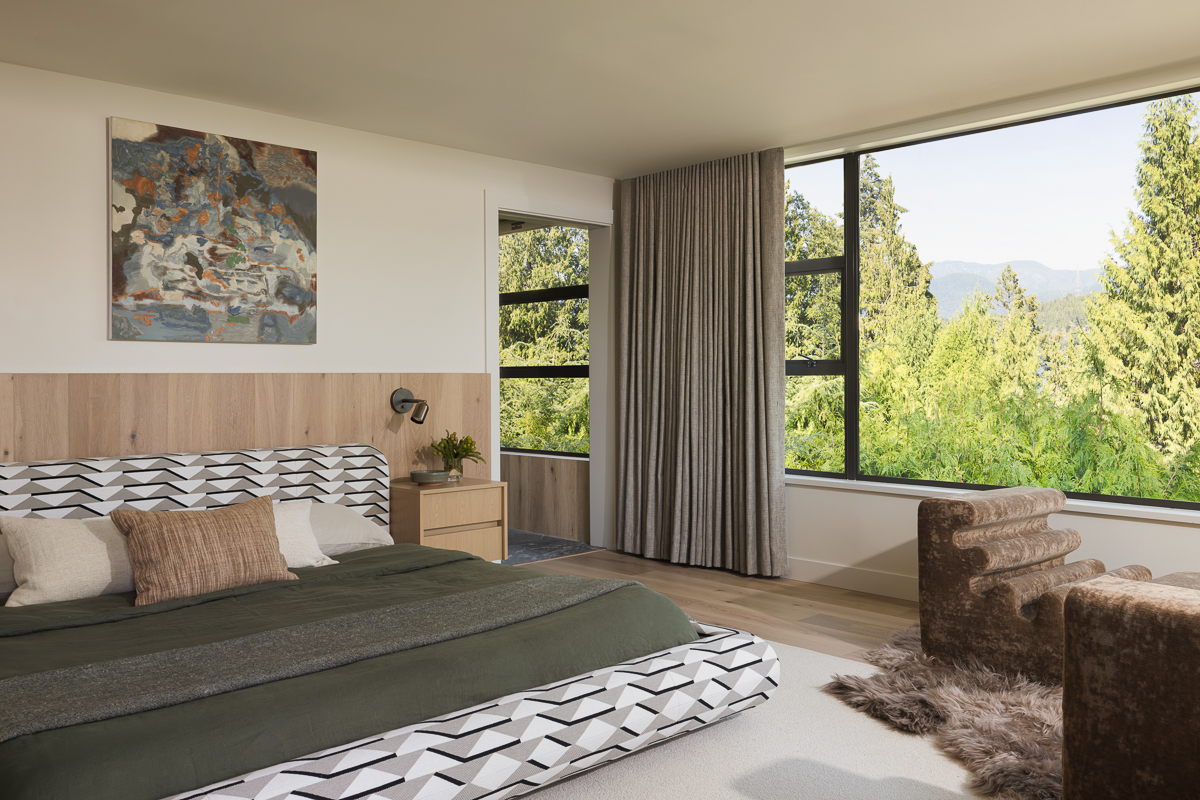
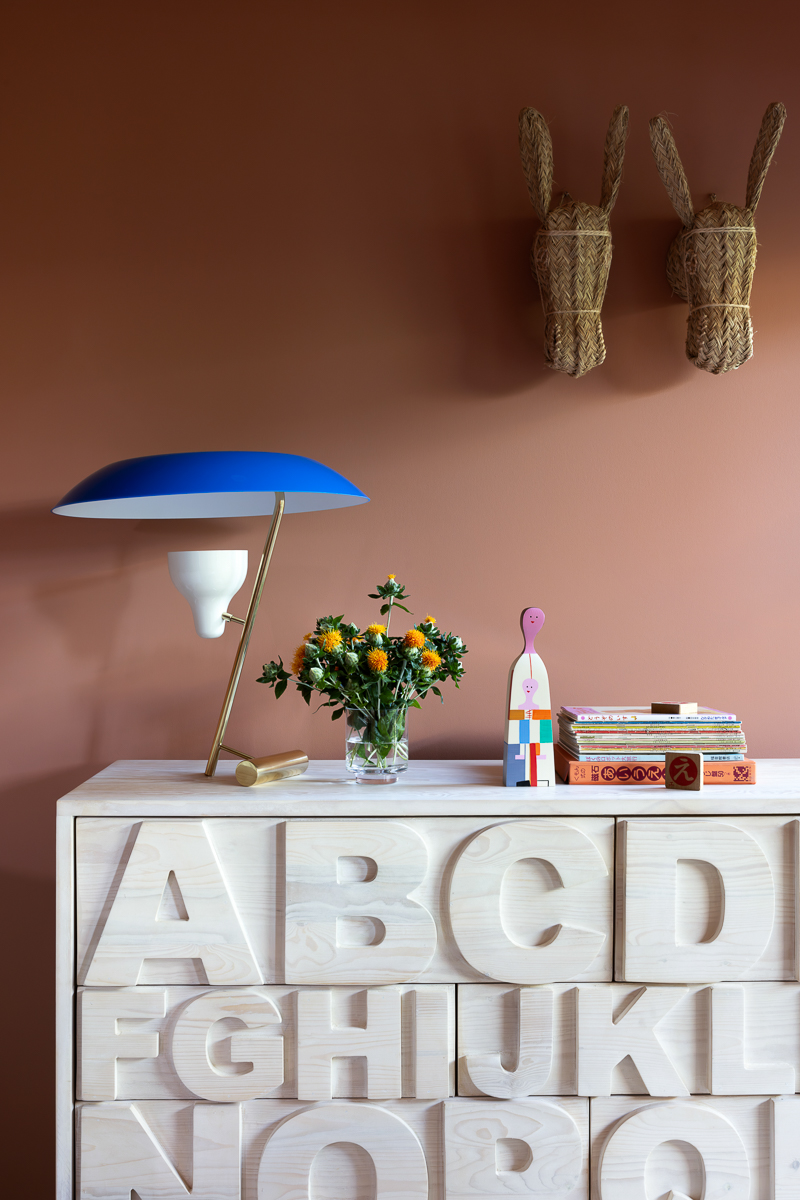
Having previously prioritized simplicity and a minimalist approach, the couple arrived with a relatively sparse collection of belongings. These included his cherished vinyl collection and a few vintage Japanese books, heirlooms from her mother, which found a new home in the future nursery. For the remainder of the home's furnishings and decor, they essentially started anew. From the outset, a shared understanding was established: each carefully selected piece of furniture and decorative object would be viewed more as a work of art than a mere functional item.
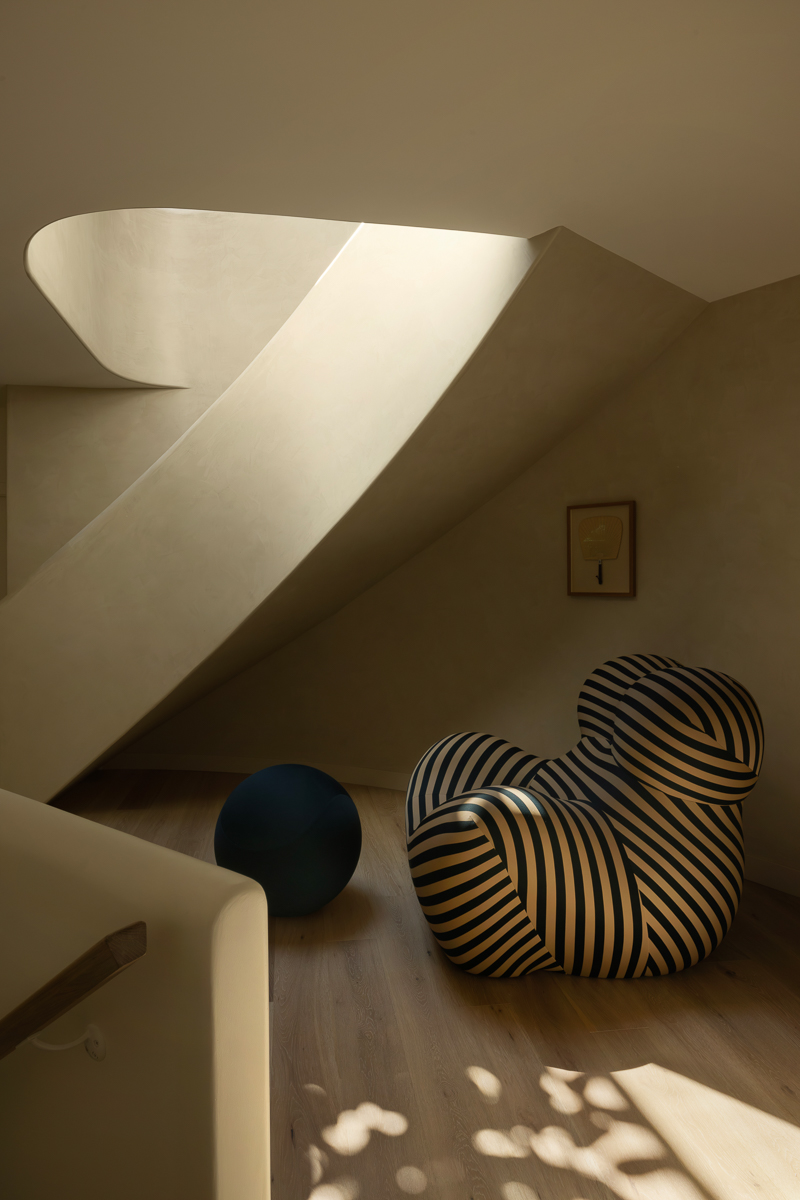
The transport of Gaetano Pesce’s iconic La Mamma armchair down the stairwell presented a considerable challenge. However, the decision to include this striking piece was non-negotiable. This 1960s Italian design, a metaphorical representation of a feminine form with inviting curves, was intended to be an irresistible invitation to relax. The objective was to transform an often-overlooked transitional space – a "non-room" or a mere pause in the architectural flow – into an intentional destination for comfort. The armchair, with its sinuous, maternal shape, was designed to offer an experience in itself, encouraging repose and relaxation.
"My aim was for each room to offer a distinct sense of discovery," Leavitt states.
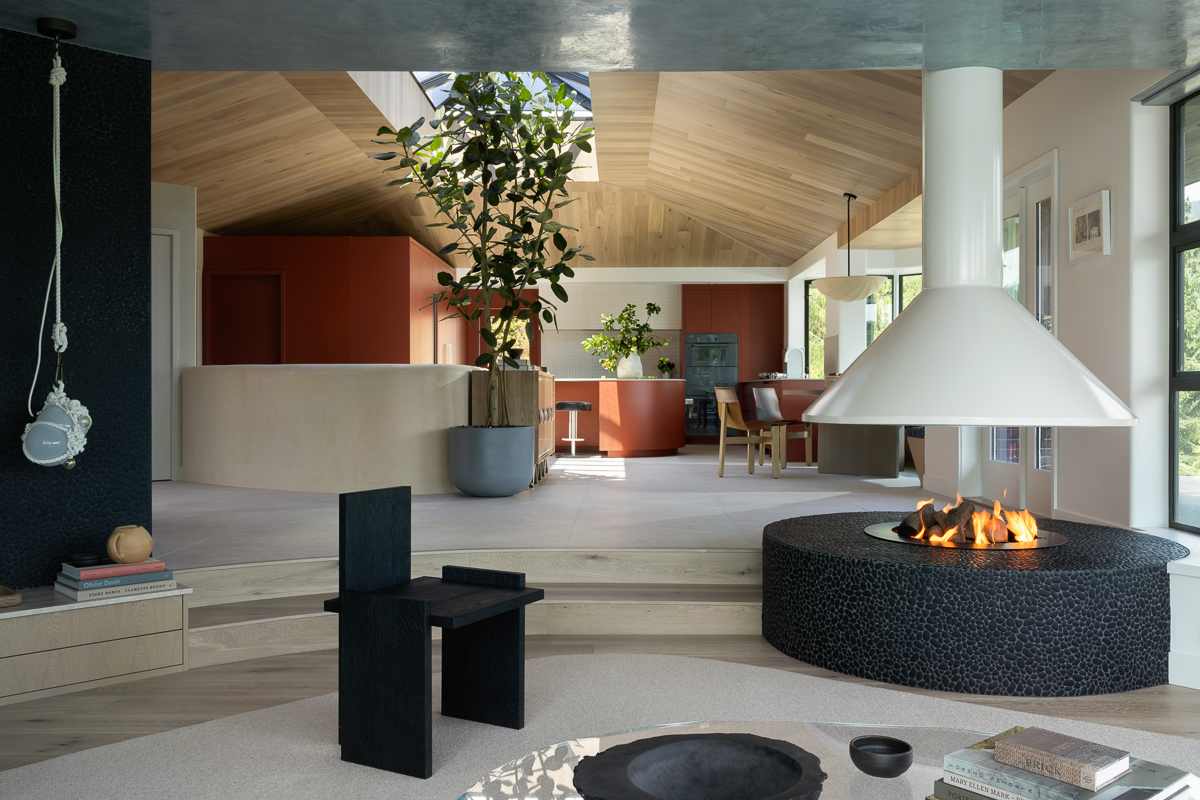
In the living room, a striking black brutalist-style chair stands in elegant contrast to a generous 28-foot-long sofa, both strategically positioned to frame the hexagonal glass wall. Similar to the bedroom, the furniture in this space is intentionally low-profile to ensure unobstructed views, a critical element of the overall design. The distinctive round fireplace, a hallmark of 1970s design, was an existing feature that simply required modernization. As the days shorten and the fire is lit, the ambiance within the living room transforms into an even more inviting and cozy haven.
Embracing Imperfection and Harmonious Design
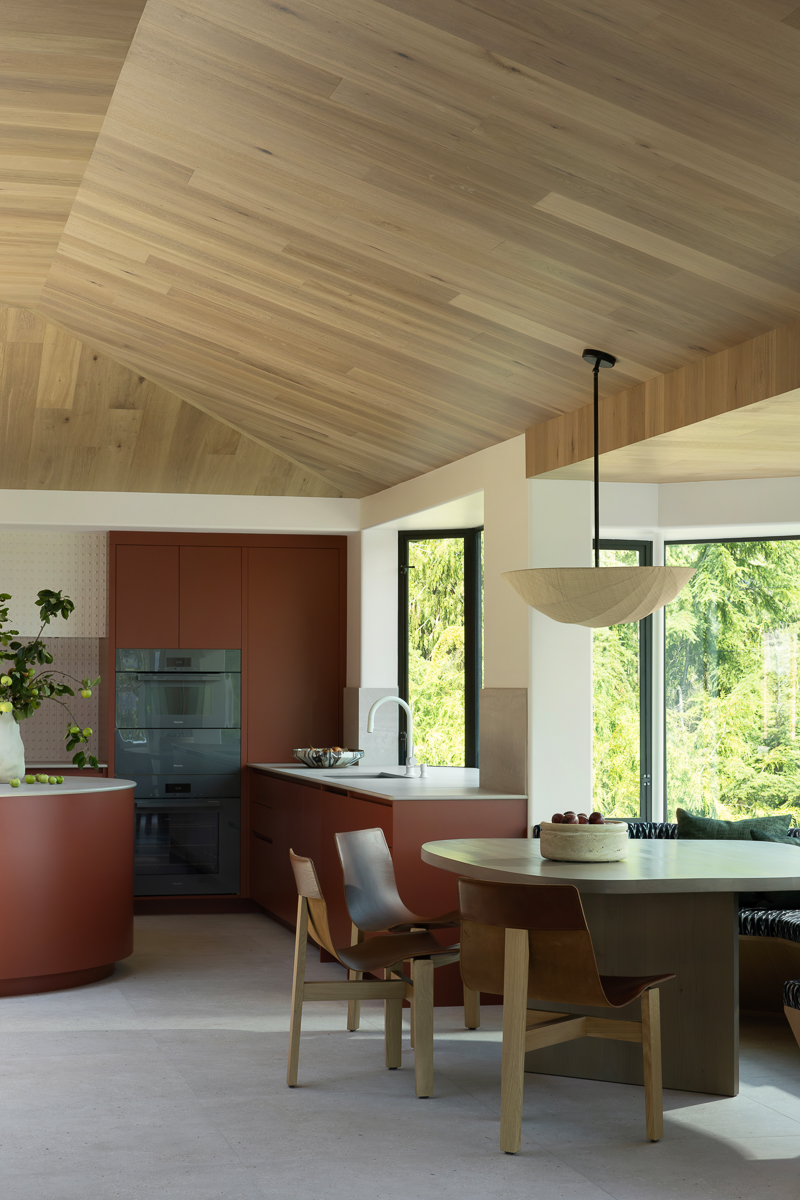
The theme of circularity extends beyond the fireplace. A carefully chosen rug contributes significantly to this aesthetic, as do the organically shaped dining table and the perfectly round kitchen island. The living room, in particular, presented a unique set of challenges. The owners had a comprehensive list of functional requirements, as is often the case, including the integration of numerous electronic devices that needed to be seamlessly concealed.
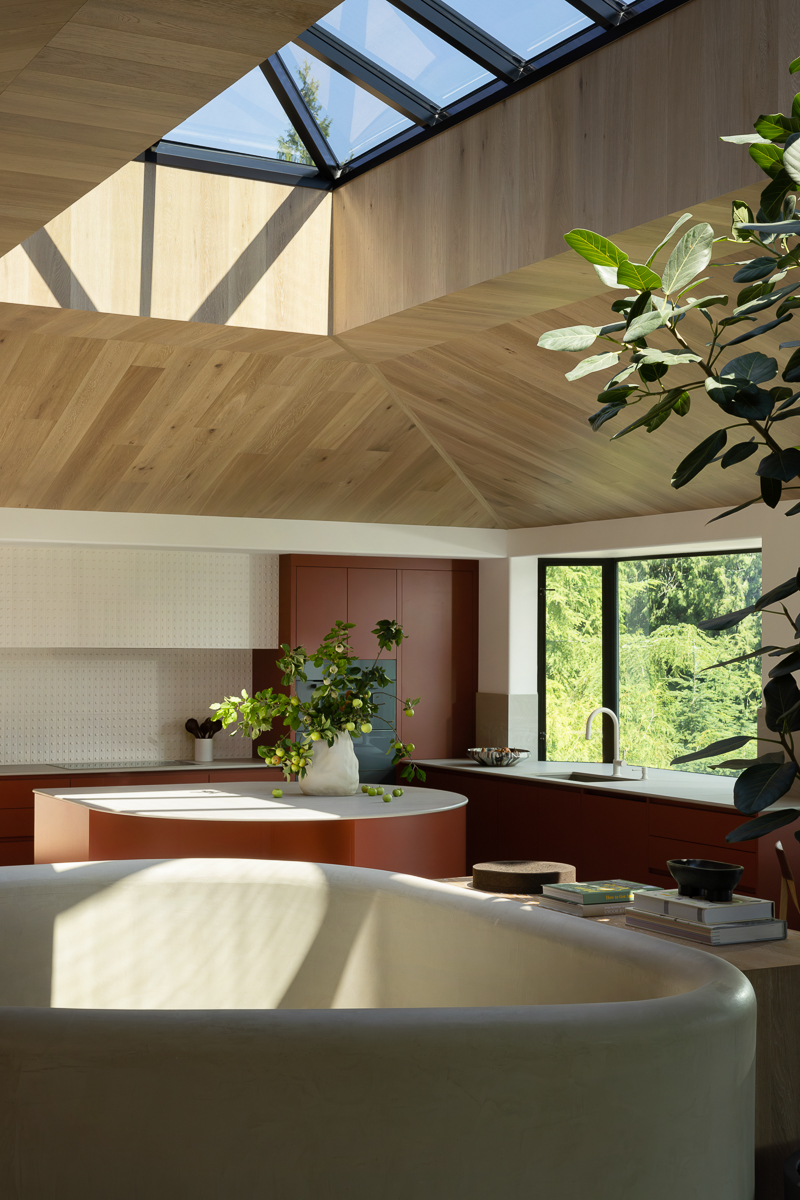
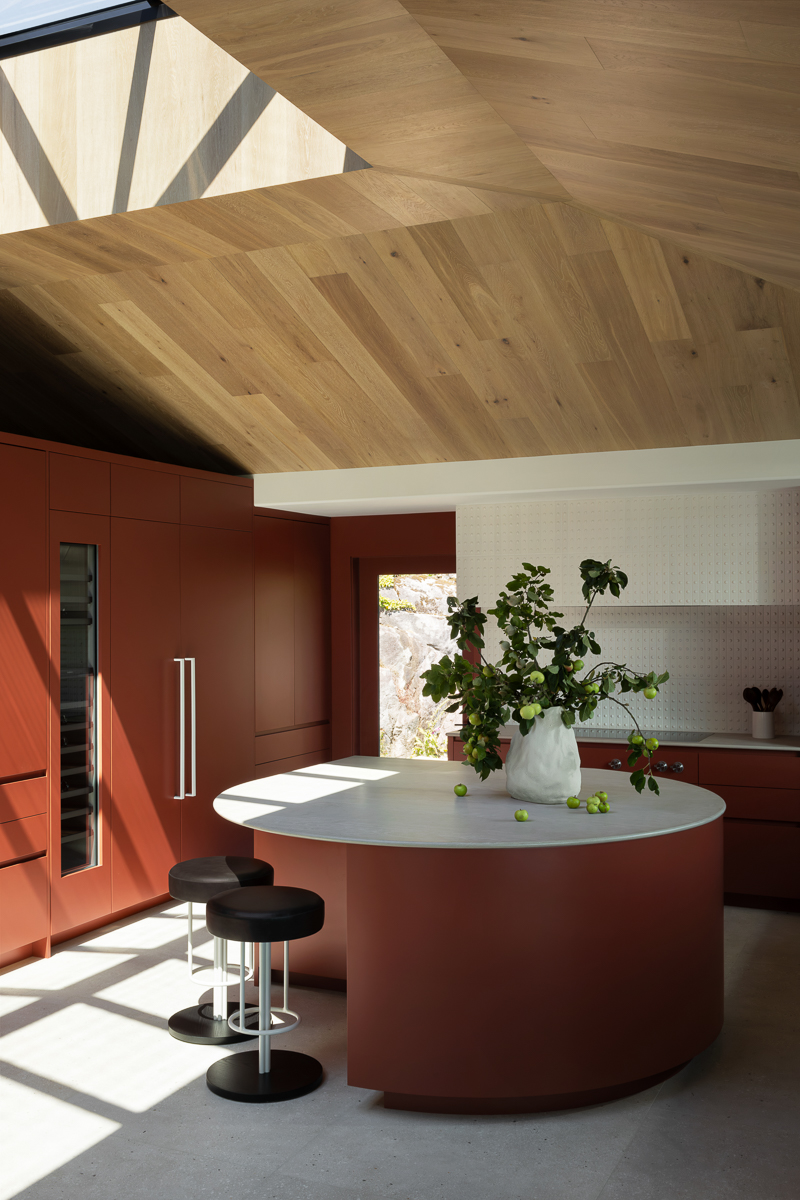
Furthermore, the irregular rooflines of the structure posed an obstacle to extending cabinetry all the way to the ceiling. "We decided to embrace these architectural nuances and clad them with oak panels," explains Ben Leavitt. "The outcome is a harmonious integration that complements the kitchen's colour scheme." Paying homage to the 1970s, a rich rust tone injects energy into the space without creating any visual discord.
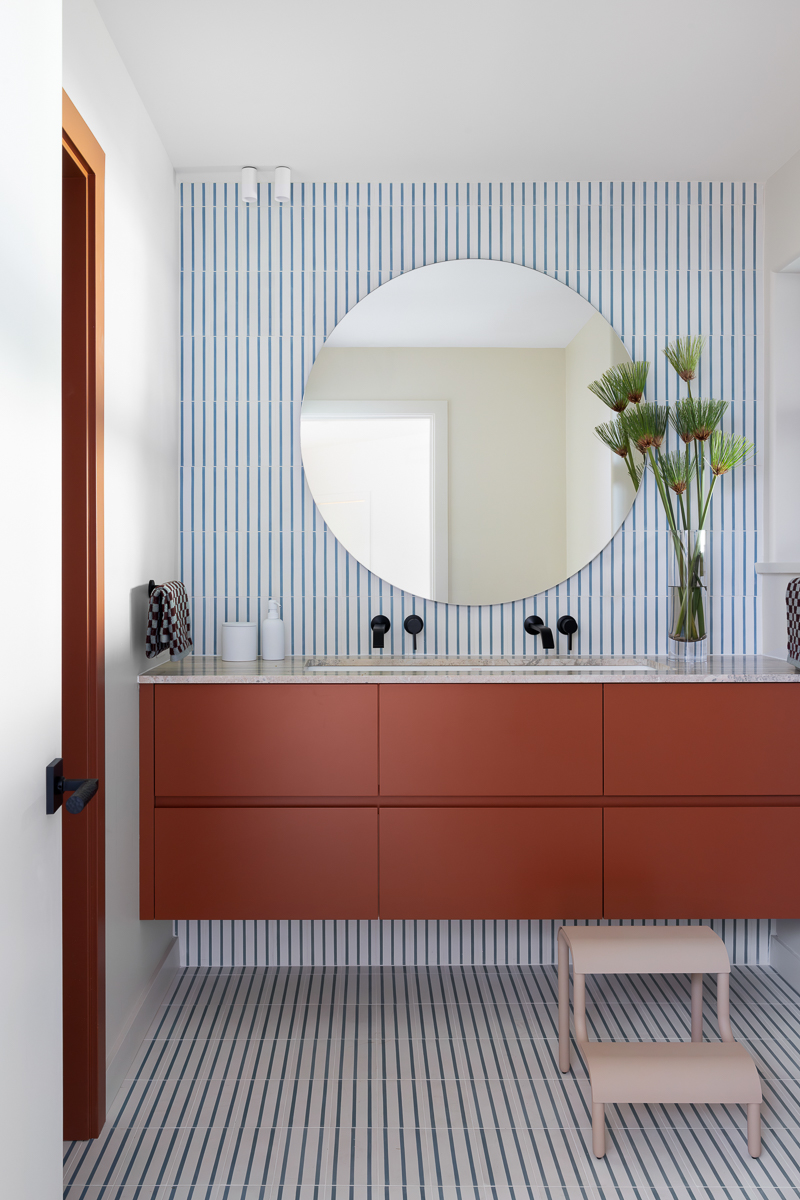
"One of the initial steps we take in every project is to select fabrics that serve as primary sources of inspiration," the designer adds. In this instance, a sophisticated mint green and a deep, inviting orange were chosen in close collaboration with the owners. These two distinct shades guided the overall direction of the project, effectively unifying the various spaces within the home.
The circular kitchen island, which necessitated a strategic maximization of cabinet space to compensate for any potential loss of storage, has emerged as the owners' favourite feature. The design ensures that when they are cooking, the flow of movement remains entirely unimpeded. The kitchen is a testament to thoughtful planning, characterized by its fluidity and an uninhibited sense of spaciousness, mirroring the overall ethos of the house.
Since their relocation, the family has expanded. It is easy to envision the delightful scene of baby toys scattered across the living room carpet. The interior design is not static; it is a living, breathing environment, brought to life and animated by those who inhabit it.
The Deep Cove Project, masterfully executed by PlaidFox Studio, has garnered significant international recognition. It is the sole Canadian project selected by ELLE Decor editors for their prestigious International A-List this year and was prominently featured on the cover of ELLE Canada Decoration’s Fall/Winter 2025/2026 Issue.
Post a Comment for "Vancouver's Architectural Gem Unveiled"