
Canadian hydropower serves as a critical, albeit often unseen, force in maintaining the stability of the electrical grid in the United States. Annually, Canada exports significant volumes of renewable energy, providing essential support to the U.S. infrastructure, particularly during periods of high consumption or unexpected equipment failures. This consistent flow of power underscores the vital role international collaboration plays in ensuring reliable electricity for millions of citizens on both sides of the border.
Provinces such as Quebec and Manitoba consistently generate more electricity than their domestic populations require, creating a substantial surplus. This excess energy is then directed south, bolstering American states during their peak demand periods. By strategically distributing this clean, renewable resource, Canada not only strengthens its own economic standing but also helps shield its neighbours from the disruptions of power outages. This enduring partnership stands as a remarkable testament to regional interdependence and resilience.
The Foundation of Canadian Hydroelectric Power
At the heart of Canada's hydroelectric system lie vast river networks and extensive reservoir systems, which are instrumental in generating a consistent and reliable supply of renewable energy. Provinces like Quebec and Manitoba are prime examples, producing electricity far exceeding their own consumption. This significant surplus is then channelled into the United States, where demand frequently outstrips local generating capacity. The steady and predictable flow of this hydroelectric power forms the bedrock of cross-border electrical reliability.
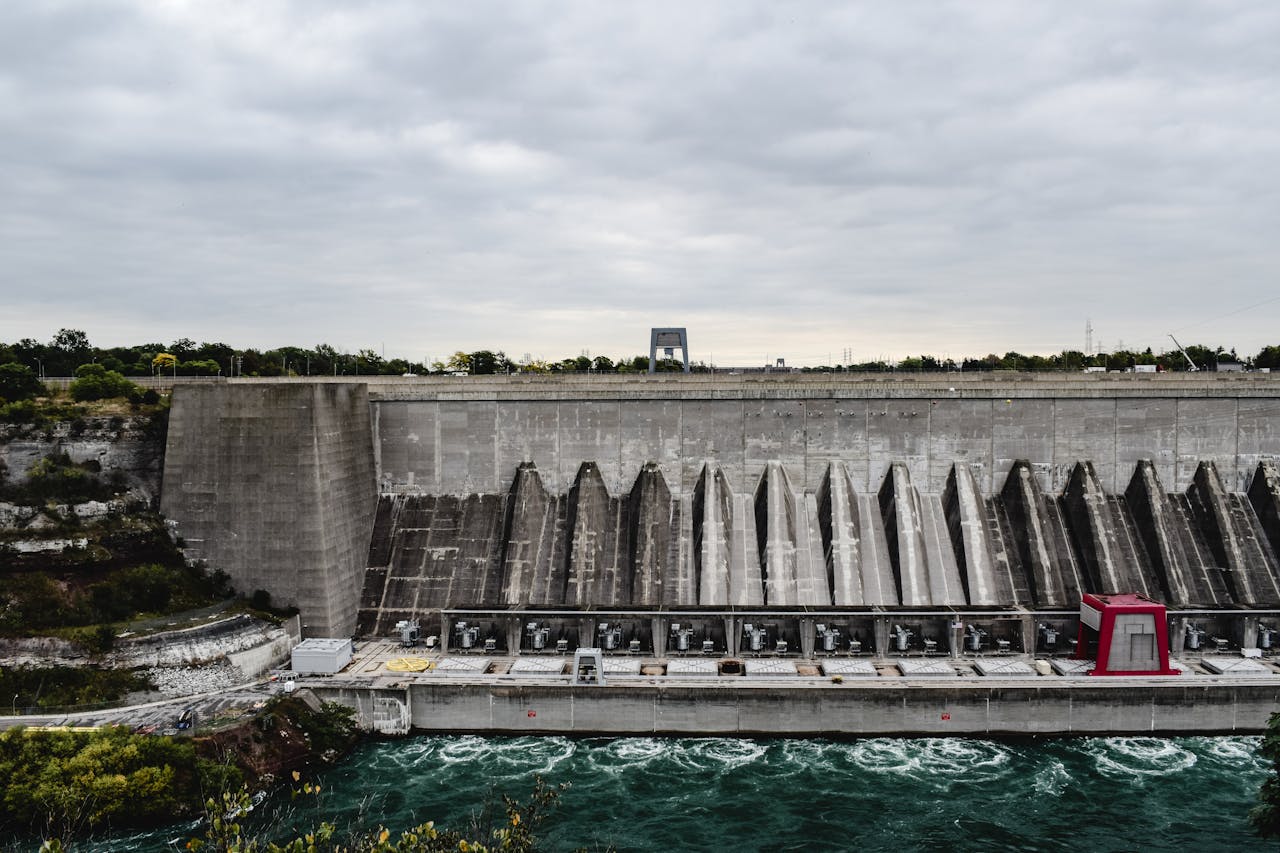
The inherent nature of hydroelectric power, being both renewable and highly flexible, allows its output to be rapidly adjusted to meet fluctuating energy needs. During periods of intense demand in U.S. states, such as during heat waves that drive up air conditioning usage, Canadian hydropower provides crucial backup. While recent drought conditions have, at times, necessitated a reversal of this flow, the system's fundamental ability to respond in real-time makes it an indispensable partner for the North American grid. This same responsiveness is a cornerstone of international energy trade, built upon a foundation of mutual adaptability.
Preventing Blackouts Through Cross-Border Collaboration
Blackouts, which occur when electricity demand outstrips supply or when critical systems fail, expose the vulnerabilities of electrical grids. Canadian hydropower acts as an essential safeguard, offering flexible and readily available backup power to bridge these critical gaps. When U.S. grids experience sudden shortages, electricity from Canada flows seamlessly across the border, helping to stabilize the entire system. This collaborative approach ensures that both nations possess a vital buffer against unforeseen operational failures.
The prevention of widespread blackouts is the direct result of meticulous ongoing planning and robust cross-border coordination. Although recent drought conditions have presented challenges to this supply chain, hydropower's inherent capacity for rapid output increases remains a key tool for grid operators. This cooperative framework enables both countries to share essential energy reserves when local systems are under strain, effectively transforming potential energy crises into manageable, shared challenges.
Balancing Seasonal Demand and Supply
Electricity consumption naturally fluctuates with the changing seasons, typically peaking in the summer for cooling purposes and in the winter for heating. Canadian hydroelectric facilities are adept at adjusting their output to align with these seasonal shifts, historically providing a significant surplus of power during U.S. summer peak demand periods. However, a confluence of factors, including recent droughts and escalating domestic energy needs, has begun to tighten this delicate balance. While shared energy resources remain critically important, the certainty of a substantial surplus, particularly in the context of projected demand in 2026, is no longer as assured.
Canada often experiences lower domestic electricity demand precisely when U.S. cooling requirements surge, creating a historically advantageous alignment for energy exports. This timing has facilitated strategic power sales that have contributed to grid stability throughout the year. Today, this traditional pattern is being tested by evolving climate patterns and evolving trade dynamics, both of which can influence energy flows. Despite these challenges, the ability of hydroelectric power to balance seasonal supply continues to support grid stability, even as the margin of surplus narrows.
The Pivotal Role of Quebec's Hydroelectric Power
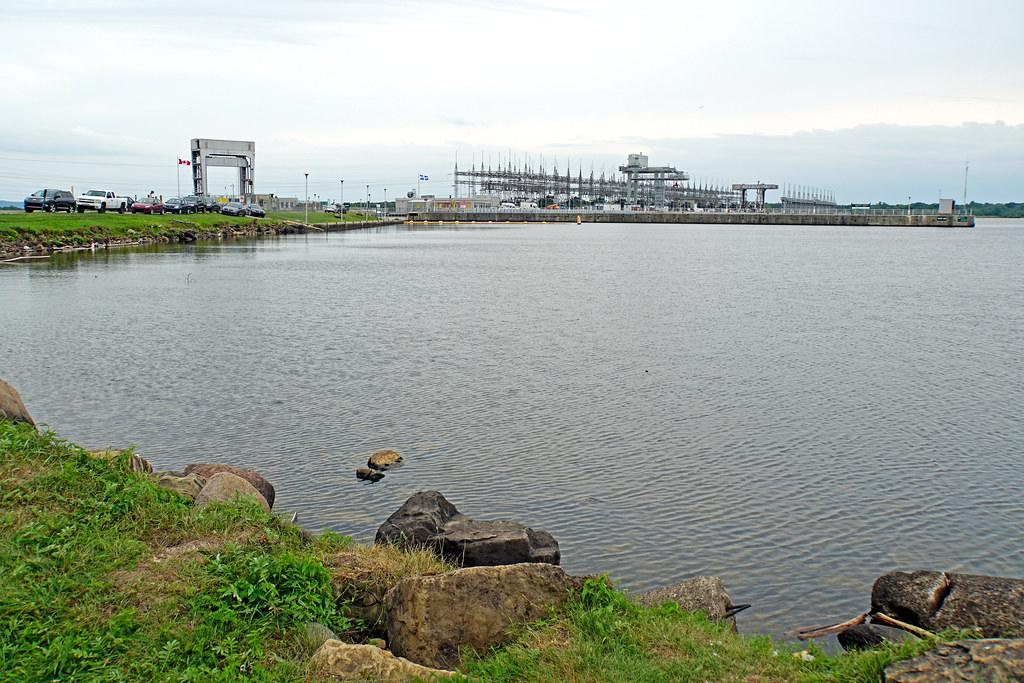
While its historic surplus has diminished, Quebec remains home to one of the world's most extensive hydroelectric systems. Even as rising domestic demand and periodic low water levels in its reservoirs occasionally limit export capacity, the province's vast hydroelectric infrastructure continues to generate substantial amounts of power. Market conditions can, at times, lead to Quebec becoming a net importer of electricity. Consequently, the interconnectedness of cross-border transmission links remains essential, increasingly facilitating flexible, bi-directional grid integration.
Quebec's energy infrastructure is increasingly being managed to balance domestic priorities with strategic export opportunities. Although consistent surpluses are not guaranteed, significant projects, such as the Champlain Hudson Power Express, are set to enhance clean energy connections to the U.S. Northeast beginning in 2026. This evolving partnership not only supports emissions reduction targets but also reinforces regional grid resilience as a shared, long-term objective.
Manitoba's Contribution to Grid Reliability
Manitoba's hydroelectric system, while smaller in scale compared to Quebec's, plays a vital role in regional energy balance. The province's rivers are a consistent source of power that supports the U.S. Midwest, contributing to the stability of grids that often rely on variable energy sources like wind power. Although recent historic droughts have reduced Manitoba's surplus generation in 2026, the province's contribution remains a key illustration of how provincial resources can exert a significant regional impact.
Manitoba is a natural energy partner for neighbouring U.S. states, including Minnesota. While current water shortages may sometimes necessitate power flowing north to support Canadian needs, the direct transmission lines remain a critical component of the grid. Despite these climate-related challenges, the existing infrastructure ensures vital support during periods of peak demand. This established energy connection adds a crucial layer of mutual reliability to the broader North American grid.
The Economic Dynamics of Energy Trade
Energy exports represent a significant economic driver that benefits both Canada and the United States. Canada generates substantial revenue by selling its surplus hydroelectric power, with these earnings often reinvested in provincial infrastructure development and economic growth. This revenue stream reinforces the strategic importance of hydropower as a valuable national asset. Even in years with reduced water levels, the ability to trade electricity remains a high-value tool for maintaining regional financial stability.
For the United States, imported hydroelectric power offers a cost-effective alternative to constructing new power generation facilities. This economic advantage makes Canadian hydropower a preferred choice for utilities seeking reliable and affordable energy solutions. While evolving trade policies and the impacts of climate change have introduced complexities in 2026, the fundamental economic case for this energy exchange remains robust: shared energy resources are instrumental in preventing costly grid failures.
Environmental Advantages of Hydro Exports
Hydropower is recognized as a low-carbon renewable energy source, with lifecycle greenhouse gas emissions comparable to those of wind power. By exporting electricity, Canada actively contributes to reducing the United States' reliance on fossil fuels, thereby supporting shared climate objectives. While the initial construction of reservoirs can lead to temporary greenhouse gas emissions, hydropower, over its operational lifespan, significantly outperforms carbon-intensive sources like coal and natural gas, making it a vital tool for environmental sustainability.
Furthermore, hydroelectric power exports incentivize further investment in renewable energy by providing a dependable source of backup power for intermittent sources like wind and solar. This synergy helps to stabilize cleaner energy grids and effectively manage the inherent risks associated with variable renewable energy generation. Even as climate shifts continue to influence supply levels in 2026, this international partnership remains a foundational element for decarbonization efforts. This significant environmental benefit elevates hydro exports beyond a mere economic transaction.
The Crucial Role of Agreements and Coordination
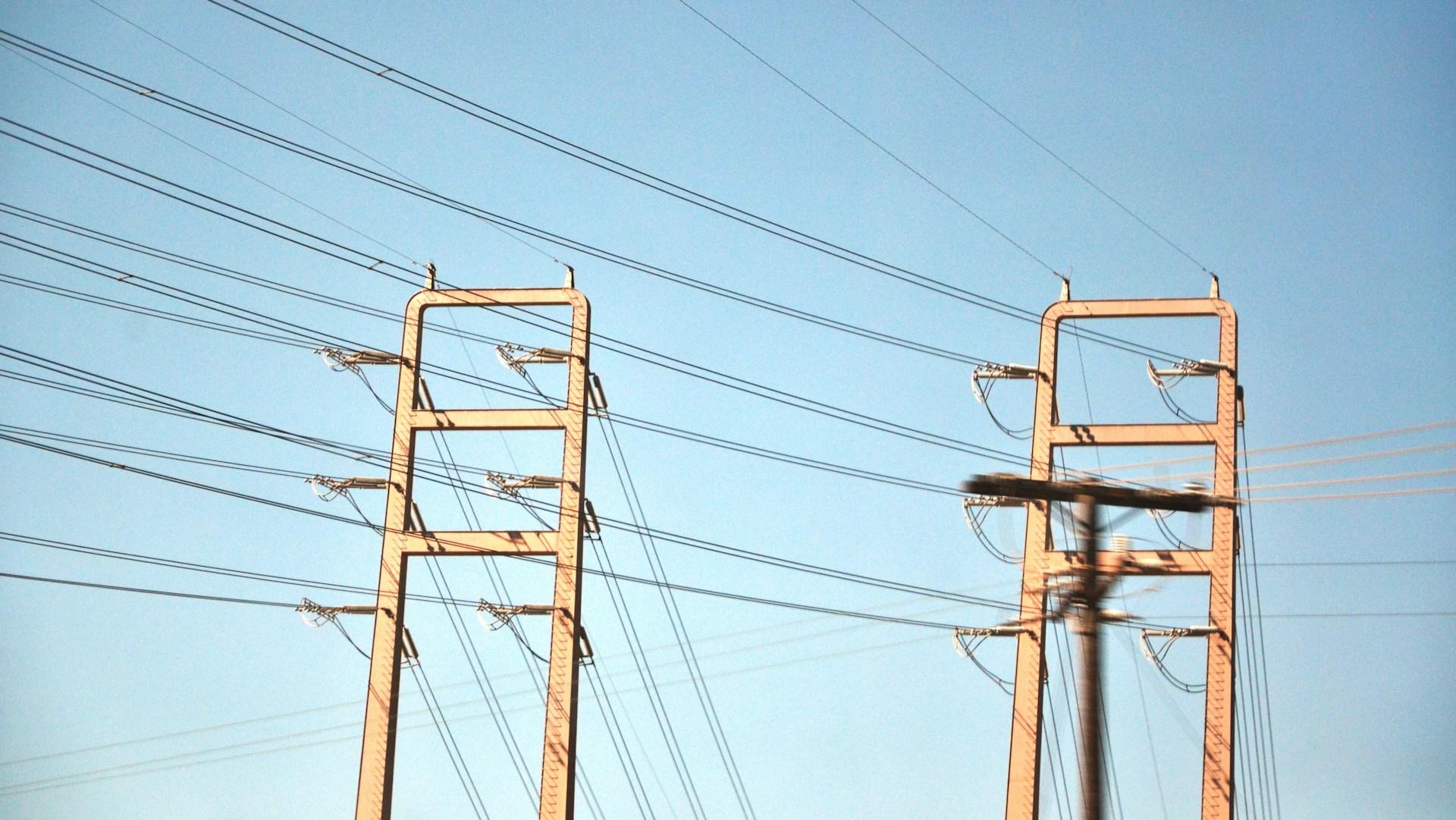
The seamless flow of cross-border energy trade is underpinned by formal agreements established between Canadian provinces and U.S. states. These agreements meticulously define the parameters under which electricity is exchanged, including conditions for supply, pricing structures, and protocols for emergency support. Effective coordination ensures that power is readily available to meet demand spikes or to compensate for system failures. Without these established legal and operational frameworks, achieving the high levels of grid reliability seen today would be considerably more challenging.
Grid operators on both sides of the border maintain continuous communication to meticulously manage energy flows and proactively prevent potential disruptions. Real-time adjustments are constantly made to balance supply and demand across vast geographical regions. The agreements also stipulate stringent standards for operational safety and efficiency, thereby ensuring smooth and reliable system performance. This coordinated approach transforms hydroelectric exports from a matter of chance into a dependable and predictable energy system.
Responding Effectively to Emergencies
In the event of emergencies, Canadian hydropower emerges as a critical source of support for U.S. electrical grids facing extreme stress. Natural disasters or unexpected failures at power generation facilities can create sudden and severe electricity shortages, potentially impacting millions of households. During these critical moments, the cross-border flow of electricity is instrumental in stabilizing supply and significantly reducing the risk of widespread and prolonged outages. This coordinated emergency support effectively prevents localized disruptions from cascading across entire regions.
The system's capacity for emergency cooperation is deeply embedded through comprehensive planning and the maintenance of strategic energy reserves designed to anticipate and mitigate potential crises. The inherent flexibility of hydropower allows for rapid adjustments in generation output to meet sudden surges in demand. Operators across borders coordinate closely to ensure that power is directed to the areas most affected by an emergency. This constant state of readiness solidifies Canadian hydropower's position as a trusted and indispensable partner during critical grid events.
The Unseen Nature of Cross-Border Cooperation
Despite its immense importance, the intricate system of cross-border energy trade often goes unnoticed by the general public. Many individuals are unaware that Canadian hydroelectric power plays a vital role in keeping U.S. lights on during critical periods of demand and potential crisis. This cooperation operates quietly, consistently, and reliably, functioning in the background without drawing significant public attention. Its true strength lies in its unwavering consistency rather than its visibility.
This understated operation is a reflection of the system's inherent stability and its remarkable ability to preemptively resolve potential crises before they escalate. Unlike the dramatic headlines that often accompany widespread blackouts, hydroelectric exports function by solving problems before they become public issues. The partnership is built upon a foundation of mutual trust and meticulous long-term planning between grid operators. Its success is ultimately measured not by public acclaim but by the consistent reliability it provides.
The Future of Renewable Energy Integration
As the integration of renewable energy sources continues to expand across North America, the complexities of grid balancing are inevitably increasing. The variable nature of wind and solar power necessitates dependable backup sources to maintain overall grid stability. Canadian hydropower effectively provides this crucial support by seamlessly filling generation gaps whenever renewable sources fluctuate. This integrated approach significantly strengthens the resilience of both Canadian and U.S. electricity grids.
Future collaboration in the energy sector is likely to deepen as the development of renewable energy projects accelerates across the continent. Hydropower's unique ability to store and release energy on demand makes it an ideal complement to variable renewable sources. The strategic sharing of energy resources will play a pivotal role in supporting the transition towards cleaner, more sustainable energy systems. This dependable, cross-border partnership is poised to be a central pillar of the region's energy future.
The Significance of Storage in Hydroelectric Systems
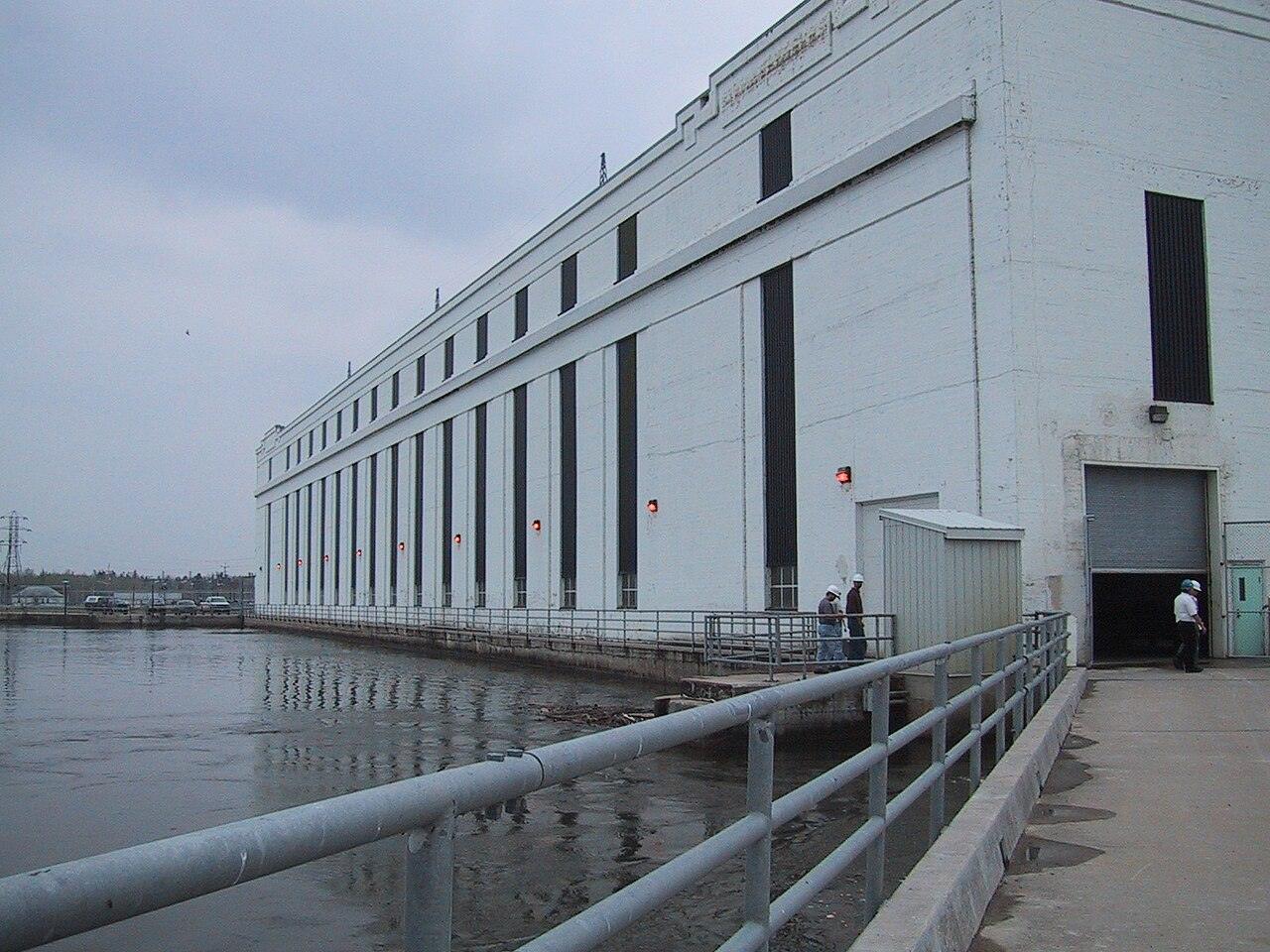
Hydroelectric systems possess a unique advantage over many other renewable energy sources due to their inherent capacity for energy storage within reservoirs. Water held back behind dams can be strategically released when electricity demand rises, rendering hydropower exceptionally flexible and dependable. This storage capability ensures that power is available precisely when it is needed most, even in response to sudden and unexpected spikes in demand. It represents a crucial, often overlooked, strength of the cross-border energy system.
Energy storage within hydroelectric systems significantly supports long-term planning for seasonal energy demands across entire regions, empowering operators to anticipate shifts and manage resources with enhanced efficiency. By strategically aligning reservoir releases with peak U.S. demand periods, consistent power exports can be maintained precisely when they are most critical. This inherent flexibility in both storing and releasing energy strengthens the shared North American grid and significantly boosts overall resilience. Consequently, hydropower storage remains a fundamental cornerstone of cross-border cooperation and the reliable delivery of electricity.
Impact on Regional Stability
The stability of entire regions is fundamentally dependent on the consistent and reliable supply of electricity that powers households, businesses, and essential services on a daily basis. Canadian hydroelectric power exports play a direct role in mitigating the risk of electricity shortages in U.S. states, thereby preventing costly disruptions that would inevitably impact millions of individuals and economic activities. This enhanced stability directly strengthens economies by ensuring the sustained productivity of industries and the safety and security of communities. It stands as one of the most significant benefits derived from this vital cross-border energy cooperation.
The influence of Canadian hydropower extends far beyond the mere provision of energy, shaping the social and economic fabric of communities. By guaranteeing a reliable power supply, critical infrastructure such as hospitals, schools, and public services can operate without interruption. This uninterrupted service is essential for preventing the widespread chaos and economic paralysis that would inevitably result from power outages. In essence, these dependable cross-border energy flows directly bolster regional stability, quietly sustaining the functioning of North American communities.
A Long-Term Vision for Cooperation
The interconnectedness of the cross-border electricity grid is not solely focused on meeting current energy demands but is intrinsically linked to preparing for the future. Comprehensive long-term planning ensures that this vital cooperation continues to expand and evolve as energy demand grows across both Canada and the United States. Strategic investments in critical infrastructure and ongoing refinement of intergovernmental agreements are essential steps in preparing these complex systems for increasing levels of complexity. The overarching vision is one of shared resilience and sustained prosperity, meticulously built over decades of collaboration.
This forward-looking vision encompasses the expansion of renewable energy integration and a concerted effort to reduce greenhouse gas emissions across the North American continent. Canadian hydropower is set to remain a central element in driving this progress, providing essential grid stability whenever other energy sources experience fluctuations. By continuously reinforcing reliability across international borders, this strategic partnership is actively shaping energy security for generations to come. In this profound way, long-term cooperation forms the essential bedrock of a sustainable and dependable energy future for the entire region.



No comments:
Post a Comment