
Slash Heating Bills: Smart Budget Tips for Canadian Homes
Navigating Winter's Chill: Expert Tips for Staying Warm and Saving Money
As winter tightens its grip across Canada, many households are grappling with the dual challenge of maintaining a comfortable indoor temperature while keeping soaring energy costs in check. While the immediate threat of severe icy conditions may have receded, temperatures consistently hovering in single digits necessitate proactive measures to ensure homes remain warm and cozy throughout the colder months. The key lies in optimizing heating strategies without breaking the bank.
Experts from the Energy Saving Trust and the Wunda Group offer practical advice to help Canadians manage their heating effectively. Joanna O’Loan, knowledge manager at the Energy Saving Trust, emphasizes the importance of this during the peak heating season. "People rely on their heating more at this time of year, so we want to help households manage their heating effectively, keeping costs down while staying warm," she states.
Sam Jump, head of business development at underfloor heating specialist Wunda Group, echoes this sentiment, adding, "During a cold snap, there are several simple ways that homeowners can cut down energy usage to save money on their heating bills without switching the heating off. The single most effective way of making your heating work more efficiently is to identify and address areas of heat loss."
Here's a comprehensive guide to keeping your home warm and your wallet happy this winter:
Smart Heating Schedules and Thermostat Settings
-
Avoid All-Day Heating: You don't need to have your heating system running constantly. For homes with boilers, utilize a programmer and thermostat. Set your heating to come on approximately 30 minutes before you wake up and switch off about 30 minutes before you go to bed. If you're out of the house for extended periods, ensure the heating is turned off. The ideal daily heating duration is highly individual and depends on your specific heating system, home insulation, and daily routine.
-
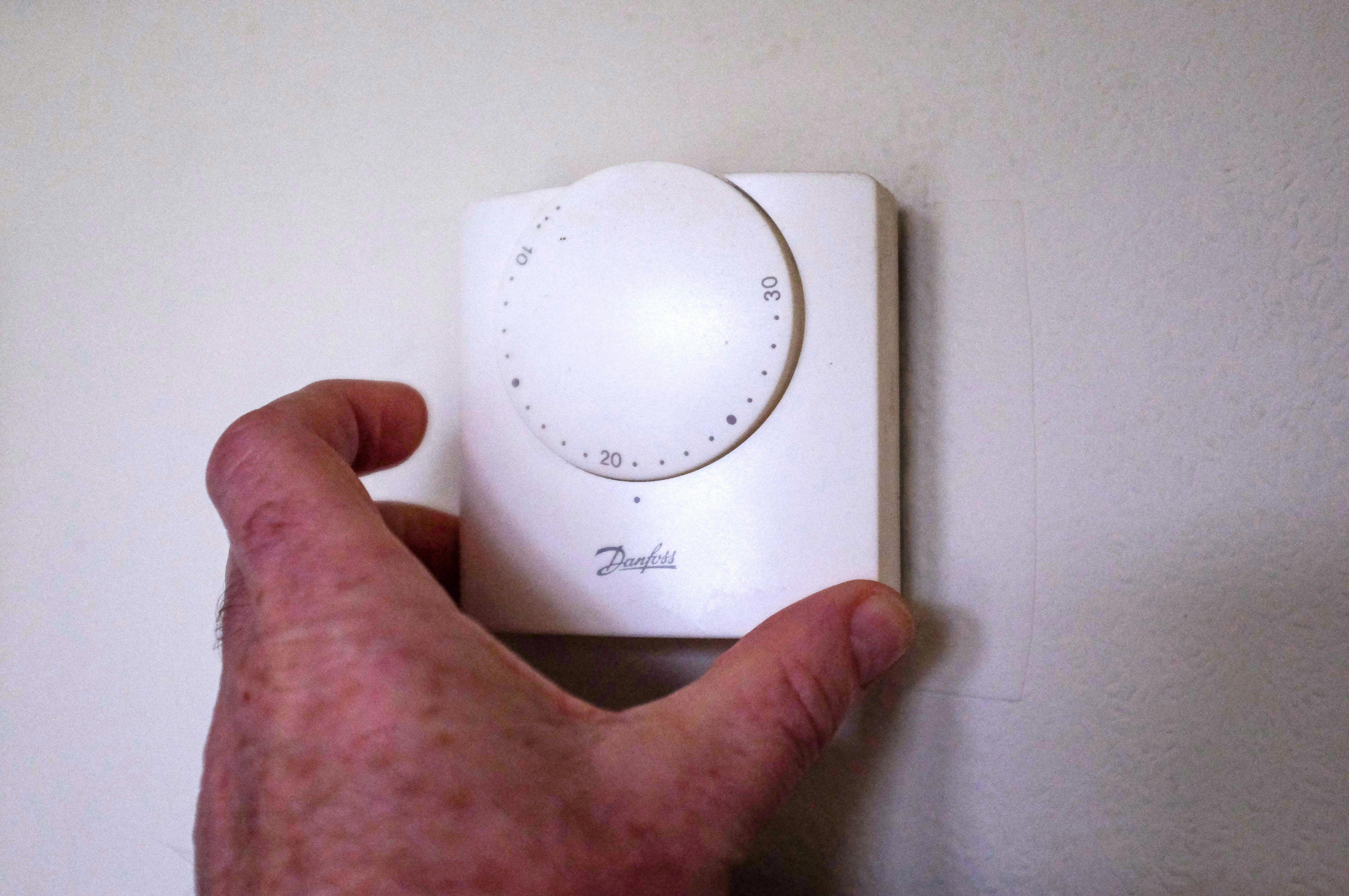
Finding the Right Temperature: For most households, a thermostat setting between 18°C and 21°C is generally considered comfortable. However, if your home is equipped with a heat pump, the recommendation differs. Heat pumps operate most efficiently when maintaining a steady, consistent temperature.
-
Resist the Urge to Crank the Thermostat: It can be tempting to increase the thermostat setting by a few degrees when the outside temperature plummets. However, this is often unnecessary. Your home will still reach the desired temperature, even if it takes slightly longer. Turning the thermostat up higher won't actually make the heating process faster.
-
Thermostat Placement is Crucial: For your thermostat to function accurately, ensure it has unobstructed airflow. Avoid placing it where it might be blocked by curtains or furniture, or too close to a radiator.
-
Lowering Boiler Temperature: Sam Jump suggests that homeowners can often reduce their boiler's temperature setting without a noticeable impact on comfort. "Our boilers are often set to maximum, but you can still achieve a comfortable temperature from your radiators without spending as much on the boiler temperature," he explains. "You’re highly unlikely to notice the slight change yet it can make a considerable difference on bills."
-
Tackling Heat Loss: Sealing Your Home
Homes can lose a significant amount of heat – between 10% and 20% – through windows, external doors, and other structural gaps. Addressing these areas can lead to substantial savings.
-
Long-Term Solutions: Investing in energy-efficient glazing and high-performance external doors are excellent long-term strategies to minimize heat loss and reduce energy bills.
-
Immediate and Affordable Measures:
- Curtains are Key: Keep curtains closed, especially at night, to help retain heat that would otherwise escape through windows and doorways. Consider closing them even during the day in unoccupied rooms.
- Invest in Thermal Curtains: Heavy or thermal-lined curtains will provide the best results in preventing heat loss. A thick curtain hung across an external door can be particularly effective.
-
Don't Overlook Small Gaps:
- Keyholes and Letterboxes: These often overlooked entry points for cold air can contribute to heat loss. A simple trick is to cover keyholes with a fridge magnet.
- Draught-Proofing: Conduct a thorough audit of your home to identify and seal any gaps where draughts might be entering. Keep both internal and external doors closed as much as possible. Installing an external letterbox and using draught excluders are also highly recommended.
Protecting Your Plumbing and Optimizing Radiators
-
Preventing Frozen Pipes: While it might seem like a way to save on heating, switching off your system completely when away for extended periods during very cold weather carries a significant risk. Frozen pipes can burst, leading to costly water damage repairs.
- Frost Protection: Ensure your heating controls have a frost protection setting activated. If not, set your thermostat to around 13°C. This will trigger the heating system to come on if the temperature drops to a critical level, preventing pipes from freezing. While this uses some energy, it's a small price to pay compared to the expense of repairing burst pipes.
-
Radiators in Unused Rooms: Joanna O’Loan advises turning down the radiators in rooms that are not in regular use. However, she cautions against turning them off completely. This helps to reduce dampness and keeps your overall heating system functioning efficiently. Homes with heat pumps may benefit from keeping all radiators open to maintain optimal efficiency.
The Importance of an Efficient Boiler
-
Energy Efficiency Ratings: Boilers are rated on an energy efficiency scale from A to G. An 'A' rating signifies that the boiler converts over 90% of its fuel into heat for your home. Older boilers often fall into lower categories (D or E), meaning they waste more energy and are more expensive to operate.
- Cost of Replacement: The average cost of installing a new gas boiler in Canada can range from approximately $5,000 to $7,000 CAD, depending on the model and installation complexity. It's crucial to work with a qualified installer who can correctly set up your new boiler and adjust flow temperatures for maximum system efficiency.
-
Eco-Friendly Alternatives: For those considering a more environmentally friendly heating solution, heat pumps are an excellent option. They can significantly reduce emissions compared to traditional gas boilers. While their upfront cost is higher, typically ranging from $10,000 to $18,000 CAD, various government grants and incentives are available to help offset the initial investment.
By implementing these expert strategies, Canadian households can effectively combat the winter chill, ensuring comfort and warmth while making significant strides in managing their energy consumption and reducing heating bills.
Post a Comment for "Slash Heating Bills: Smart Budget Tips for Canadian Homes"