
Has the wood burner had its final winter? Middle classes flocking to buy eco-friendly ceramic stoves
The New Flame: Why Ceramic Stoves Are Heating Up Homes and Dousing Wood Burner Enthusiasm
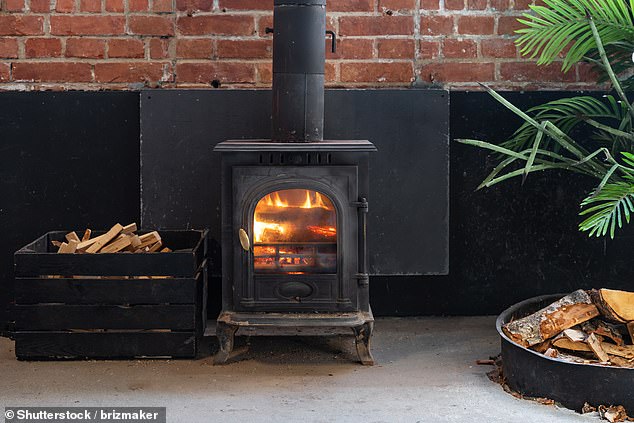
Once a symbol of cosy, middle-class living, the humble wood burner might be facing its twilight. Stricter environmental regulations, including the looming threat of cigarette-style health warnings on the appliances themselves, are casting a shadow over their popularity. Sales have been on the slide, leaving many homeowners searching for an alternative that offers that desirable crackling fire aesthetic without the environmental baggage. Enter the ceramic stove – an ancient technology reinvented for the modern, eco-conscious home.
While it might seem like a brand-new innovation, the ceramic stove boasts a history stretching back to 13th century Europe. Far from being a fleeting trend, it's a tried-and-tested method of home heating that’s making a significant comeback.
How Ceramic Stoves Work Their Magic
The fundamental principle behind a ceramic stove is simple yet effective. Like its wood-burning cousins, it consumes dry wood. However, the real difference lies in the process. Ceramic stoves burn fuel at extremely high temperatures and at a rapid pace. This intense heat is absorbed by the stove's ceramic body, which then slowly radiates warmth back into the room over an extended period.
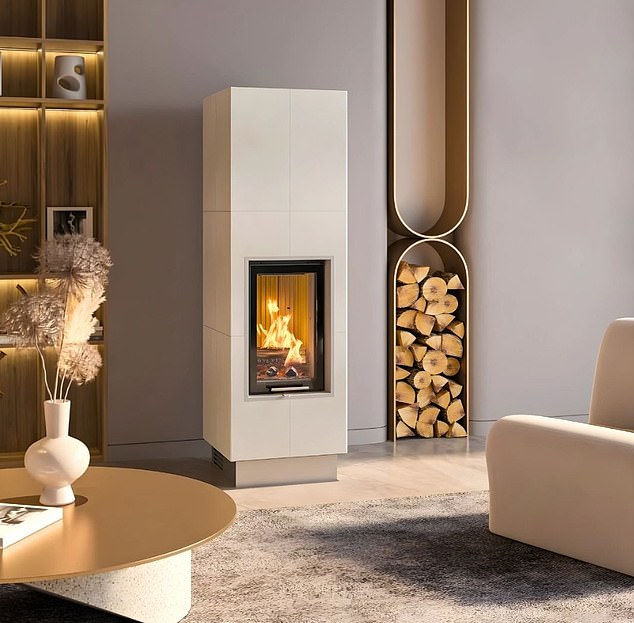
This means that with just a single burn a day, a ceramic stove can provide consistent heat for hours. Experts suggest they are considerably more efficient than traditional log burners or open fireplaces, with a significant portion of soot and ash being incinerated before it even has a chance to reach the chimney. This results in lower emissions and a cleaner burn.
A Feast for the Eyes and the Wallet
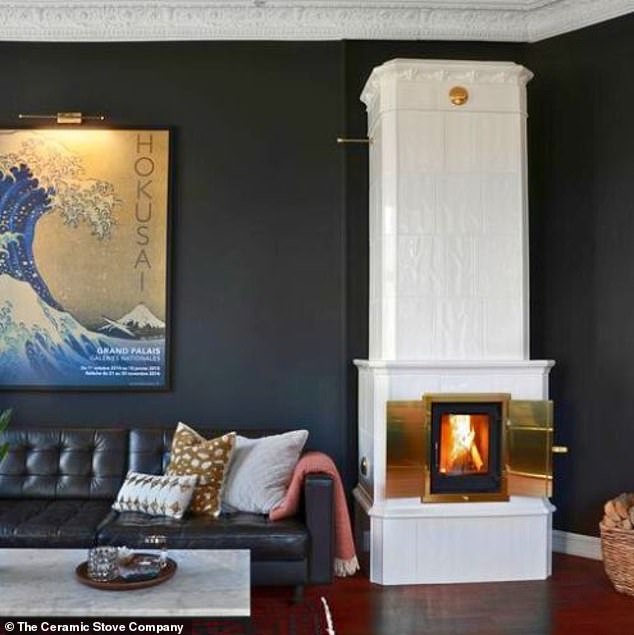
Beyond their environmental credentials, ceramic stoves are also winning over interior designers and homeowners with their aesthetic versatility. The ceramic material can be adorned with a vast array of colourful tiles, allowing for designs that range from the subtly traditional to the boldly contemporary. This means a ceramic stove can be a true statement piece, seamlessly integrating into any décor.
Fans describe the experience of a ceramic stove as being akin to living with a giant, incredibly attractive radiator. The external surface becomes warm to the touch, and some owners have even discovered the added bonus of being able to keep food warm on top of the stove.
When it comes to cost, ceramic stoves represent a significant investment. Prices typically start around £5,000 and can climb to £14,000 for premium models. Installation costs are also comparable, usually falling in the region of £1,000.
While maintenance is still a necessity, the need for professional chimney sweeping is significantly reduced with ceramic stoves. This is due to the cleaner burning process, which generates far less soot and ash compared to conventional wood burners.
Leading the Charge in Sustainable Heating
Companies like Cornish Masonry Stoves are at the forefront of this revival, crafting stylish log burners from porcelain ceramic. They claim their fires can “double the efficiency” of many other burners on the market and potentially slash heating bills by as much as 60 per cent.
Alan Hills, Director of The Ceramic Stove Company, has witnessed a notable surge in interest. He explains that ceramic stoves have long been a popular choice in Northern Europe and are now gaining traction in other regions because they offer a fundamentally different heating experience.
"They burn efficiently, store heat in the ceramic mass, and then release that warmth slowly over many hours," Hills stated. "For homeowners, that means a gentler, more consistent heat, efficient and clean use of fuel, and a stove that combines practicality with real aesthetic appeal."
For those looking to future-proof their homes against increasingly stringent environmental regulations, particularly those being introduced by bodies like the Department for Environment, Food and Rural Affairs (DEFRA), ceramic stoves are seen as a much safer and more sustainable bet than traditional burners.
The Shadow of Wood Burner Regulations
The push towards cleaner air has led to significant governmental scrutiny of wood-burning appliances. In January, proposals were unveiled that could see new wood burners carrying health warnings akin to those found on cigarette packets. These labels would highlight the detrimental impact of air pollution generated by these fires, including links to asthma and lung cancer.
Proposed regulations also aim to drastically reduce smoke emissions from wood burners by 80 per cent, setting a new limit of just one gram per hour. However, it’s important to note that these stricter limits would primarily apply to newly manufactured stoves, many of which already meet these higher standards.
Emma Hardy, the air quality minister, emphasised the government's commitment to improving air quality, stating, "Dirty air robs people of their health and costs our NHS millions each year to treat lung conditions and asthma. We are determined to clean up our air. By limiting emission levels and introducing new labels as outlined in our consultation, families will be able to make better, healthier choices when heating their homes."
Despite these measures, campaigners argue that the predicted 10 per cent reduction in annual toxic emissions from wood burning over the next decade is insufficient.
The proposed warning labels are stark, with suggested text including: "Please be aware that this appliance emits air pollution into and around your home which can harm your health. Burning in the home leads to air pollution which has a negative impact on the health of you and your family."
As the debate around domestic heating and air quality continues, the allure of the ceramic stove, with its blend of historical charm, modern efficiency, and aesthetic appeal, appears set to grow, offering a warmer, cleaner future for home heating.
Post a Comment for "Has the wood burner had its final winter? Middle classes flocking to buy eco-friendly ceramic stoves"