
Airlines brace for 'Armageddon' as Trump-Iran tensions shake Europe
The European aviation industry is currently experiencing one of the most turbulent periods in recent history, driven by ongoing conflicts involving Iran, Israel, and the Trump administration. These tensions have significantly destabilized global energy markets, placing airlines across the continent under immense pressure. The challenges include rising jet fuel prices, disrupted supply chains, and growing uncertainty regarding access to Middle Eastern energy exports. The Strait of Hormuz, a crucial maritime route responsible for nearly a fifth of global oil shipments, has become a focal point of international concern due to repeated military escalations in the region.
European carriers are now working diligently to protect their operations during the critical summer travel season, while passengers face increasing fares and a surge in flight reductions. Industry executives warn that the sector could be heading toward a prolonged crisis if geopolitical tensions continue to escalate through the second half of the year.
The scale of the disruption became evident when Ryanair's chief financial officer, Neil Sorahan, publicly discussed the risks facing airlines during an interview with CNBC. He mentioned that contingency plans exist for extreme scenarios but did not anticipate such situations occurring. Sorahan added that the airline is operating a full schedule this summer and plans to maintain it into the winter period. Despite this reassurance, airlines across Europe have already started implementing emergency measures to mitigate the impact. These include reducing less profitable routes, delaying fleet expansions, and introducing temporary fuel surcharges that add significant costs to passenger tickets.
Aviation analysts note that fuel expenses have rapidly climbed to nearly half of total airline operating costs, creating severe financial stress for operators with weaker hedging protections.
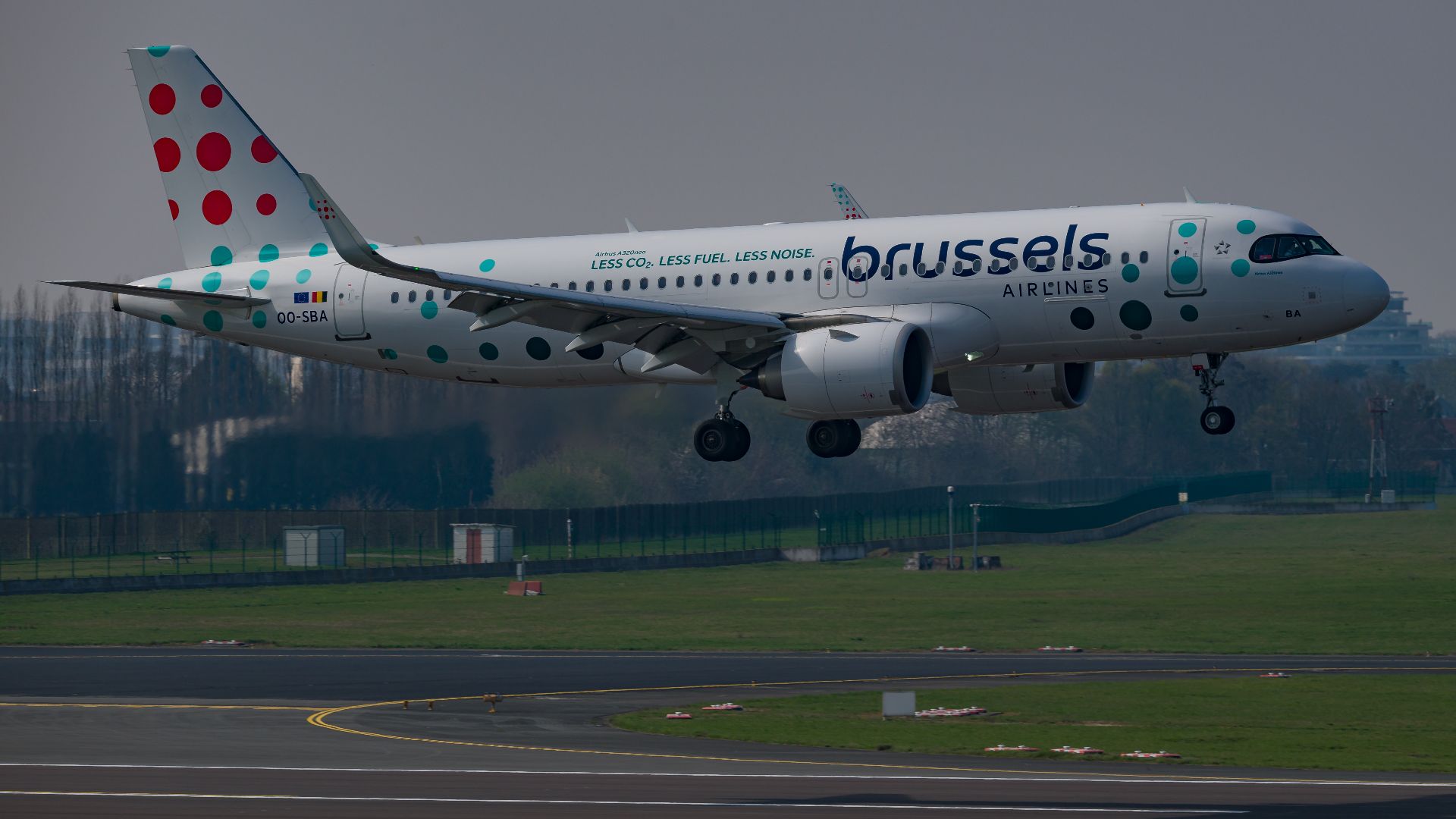
The aviation sector’s difficulties are being exacerbated by broader warnings from international energy officials who fear that Europe may not have sufficient reserves to absorb a prolonged disruption in Middle Eastern exports. Fatih Birol, Executive Director of the International Energy Agency, warned earlier this year that Europe’s energy security was entering dangerous territory as inventories tightened and replacement supply routes became increasingly expensive. Birol stated, “In Europe, we have maybe six weeks or so of jet fuel left.” He also warned that even under a rapid diplomatic resolution, “it could take up to two years to come back to where we were before the war” because of damage affecting supply infrastructure and refining capacity.
These concerns have forced governments and airlines to intensify negotiations with alternative fuel suppliers in Norway, the United States, and parts of Latin America, despite the higher transportation costs for these emergency imports.
Major European airlines are now openly pressuring regulators to intervene before the crisis deepens further. Lufthansa CEO Carsten Spohr has reportedly urged European authorities to accelerate emergency authorizations allowing greater imports of American Jet A fuel to prevent widespread operational disruptions. According to industry estimates, the price gap between European Jet A1 and imported alternatives has continued to widen as supply shortages intensify. Air France-KLM CEO Ben Smith also acknowledged the enormous financial impact now facing the sector, revealing that his airline group expects a “$2.4 billion” increase in annual fuel costs. Smith explained that the full consequences of the energy surge had not yet appeared in quarterly earnings but were “expected to weigh on the coming quarters.” Across Europe, airlines are increasingly passing those costs directly onto consumers through higher fares, baggage surcharges, and reductions in promotional ticket availability during one of the busiest travel periods of the year.
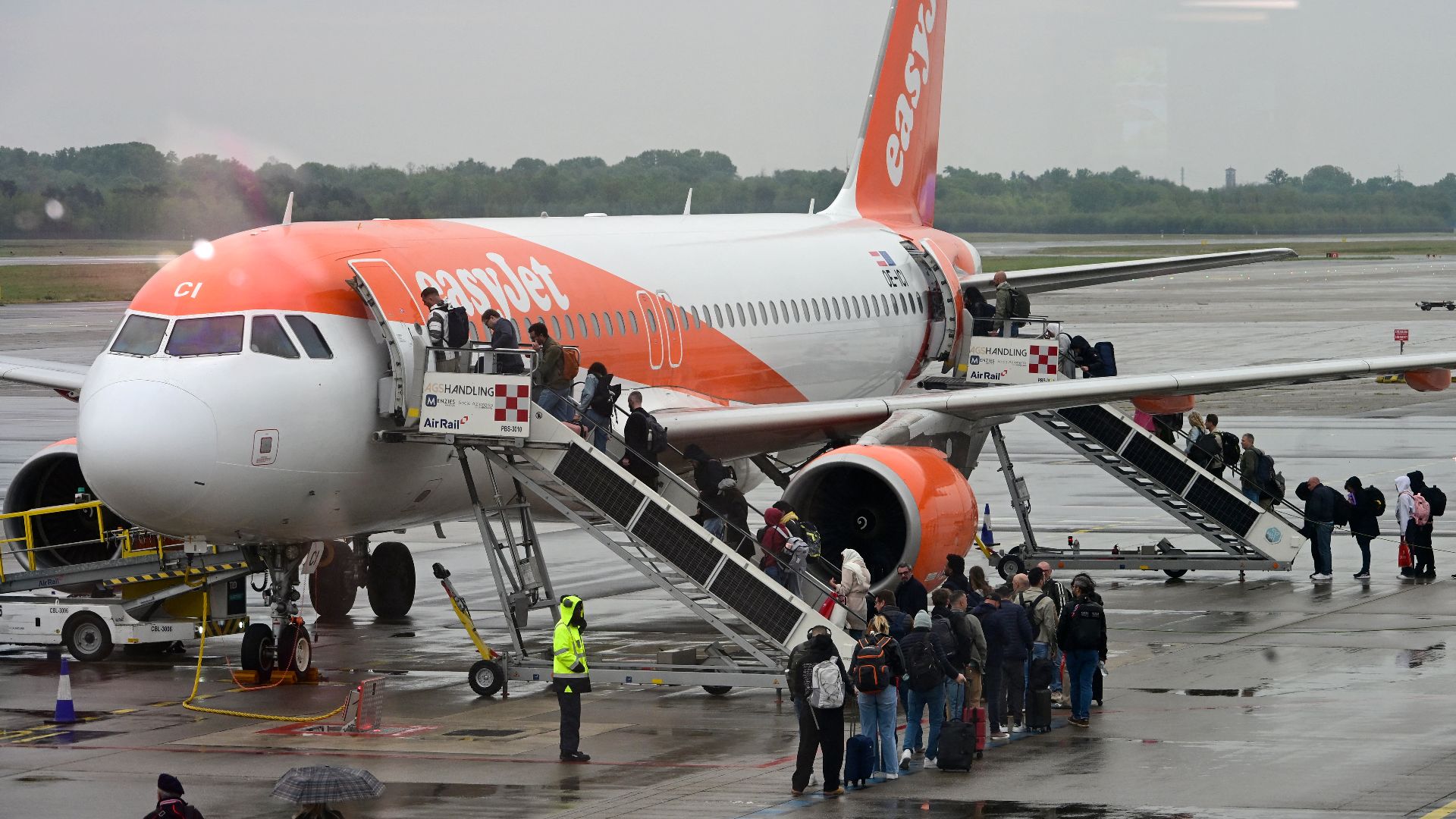
The consequences are already becoming visible across European airports, where thousands of flights scheduled for the summer season have either been cancelled or consolidated due to operational uncertainty. Aviation data firms report that more than 20,000 flights have been removed from schedules since the escalation intensified, particularly among regional carriers operating on thinner margins. Smaller airlines are considered especially vulnerable because many entered the year without strong fuel hedging strategies that protected larger competitors from the sharp rise in oil prices. Industry executives increasingly fear a wave of insolvencies if the crisis extends into 2027, especially as borrowing costs remain elevated throughout Europe.
Willie Walsh, Director General of the International Air Transport Association, warned that higher ticket prices are now unavoidable. Walsh stated, “There is just no way airlines can absorb the additional costs.” That reality is beginning to reshape consumer travel patterns as passengers reconsider discretionary trips amid growing economic uncertainty.
Beyond aviation itself, the crisis has reignited broader debates throughout Europe over energy dependence, geopolitical exposure, and the fragility of international transportation networks during wartime instability. The Trump administration’s aggressive posture toward Iran, combined with Israel’s ongoing military operations in the region, has introduced a level of unpredictability that many airline executives compare to the economic shockwaves triggered during previous oil crises. Financial markets remain highly sensitive to every development involving the Strait of Hormuz, with traders fearing that any direct interruption to tanker traffic could push oil prices even higher in the coming months.
For European travelers, the impact is becoming immediate and personal through increasingly expensive tickets, reduced route availability, and uncertainty surrounding future holiday plans. While airlines continue insisting that operations remain stable for now, executives privately acknowledge that the industry is preparing for a prolonged emergency scenario unlike anything seen in recent decades.
Post a Comment for "Airlines brace for 'Armageddon' as Trump-Iran tensions shake Europe"