
Alberta Educators Unite in Shifting School Landscape
The Challenges Facing Public Education in Alberta
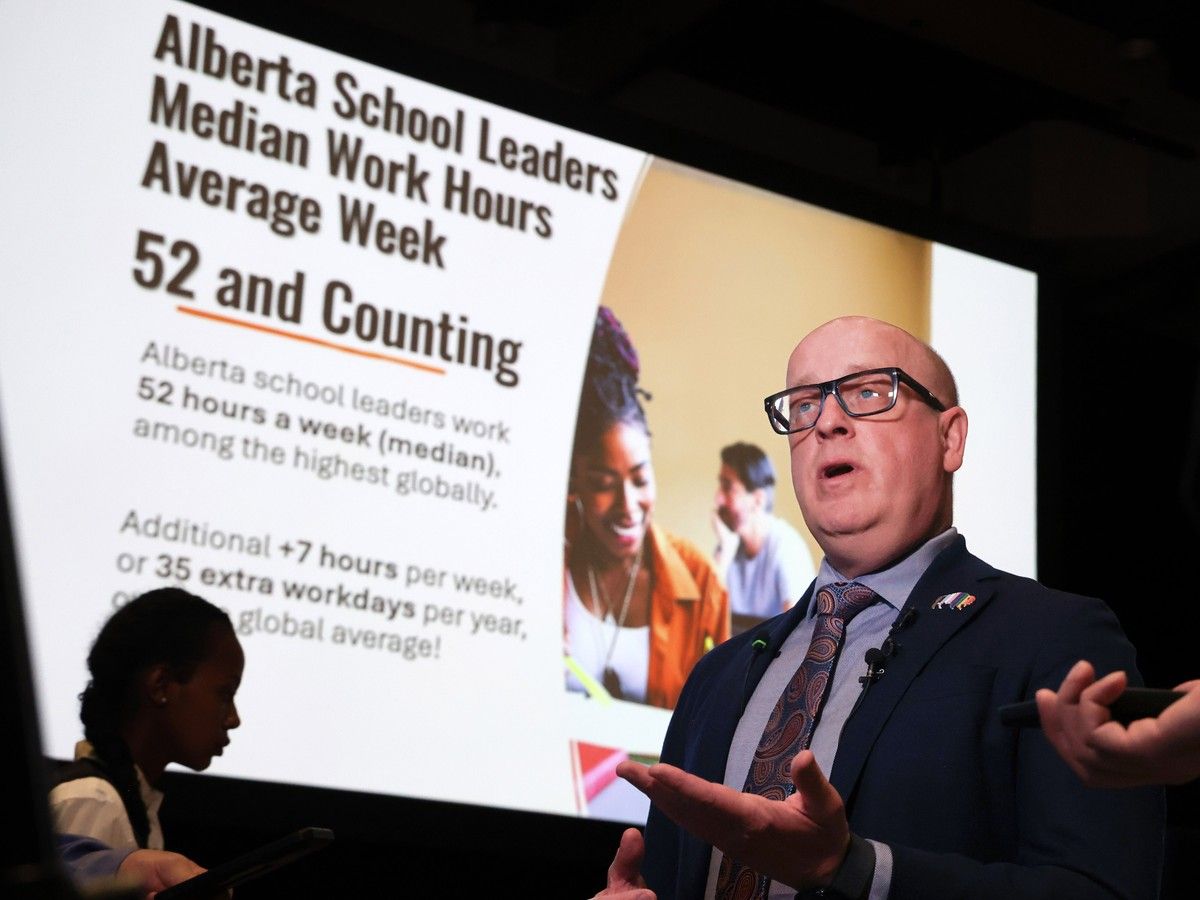
At the annual general meeting of the Alberta Teachers’ Association, educators gathered to discuss the pressing issues facing public education in the province. Jason Schilling, the association’s president, reflected on the emotional and professional challenges that come with being an educator. He described the early morning light in his classroom, the students arriving with different levels of enthusiasm and personal struggles, and the unwavering commitment he has to his profession. Despite the difficulties, Schilling emphasized that teaching is driven by a belief in honesty and justice, and a desire to make a difference.
Legislative Actions and Their Impact
Schilling’s remarks followed a period of significant legislative activity in the education sector. Over six months ago, thousands of teachers walked out on strike for better working conditions, only to be ordered back to work by the province through legislation passed within a day. This action was seen as a heavy-handed response to the ongoing disputes between educators and the government.
The term “flooding the zone,” popularized by right-wing U.S. political figure Steve Bannon, has been used by Schilling to describe the provincial policies that have flooded the education system with new regulations. These include the use of the notwithstanding clause, which has been employed to limit gender-affirming health care, ban transgender girls from participating in female sports, and require parental consent for students changing their names or pronouns in schools.
New Legislation and Concerns
One such piece of legislation, Bill 25, will take effect on September 1. It grants the minister broader control over the contract of returning school superintendents and aims to remove “politics and ideology from classrooms.” The bill requires teachers to teach sensitive topics in an “impartial” manner. While the idea may seem neutral, critics argue it could have far-reaching implications for pedagogy, particularly when discussing complex subjects like genocide.
Education Minister Demetrios Nicolaides stated that it is a professional responsibility for teachers to remain neutral in their personal views. However, the Alberta Teachers’ Association (ATA) expressed concerns about the bill's potential impact on educators and school leaders. They emphasized the need to look beyond the bill’s title to understand its full scope, noting that it has very little to do with politics and ideology in the classroom.
Fear of Disinformation
In his speech, Schilling highlighted fears that disinformation about separatism could infiltrate schools, despite the government’s expectations that teachers avoid discussing such topics. He also pointed to other issues, including increased funding for private schools and the use of public dollars for private buildings. This issue is a callback to the Education Amendment Act passed in July 2019, which allowed charter schools to receive taxpayer money for infrastructure and then sell those properties to private entities.
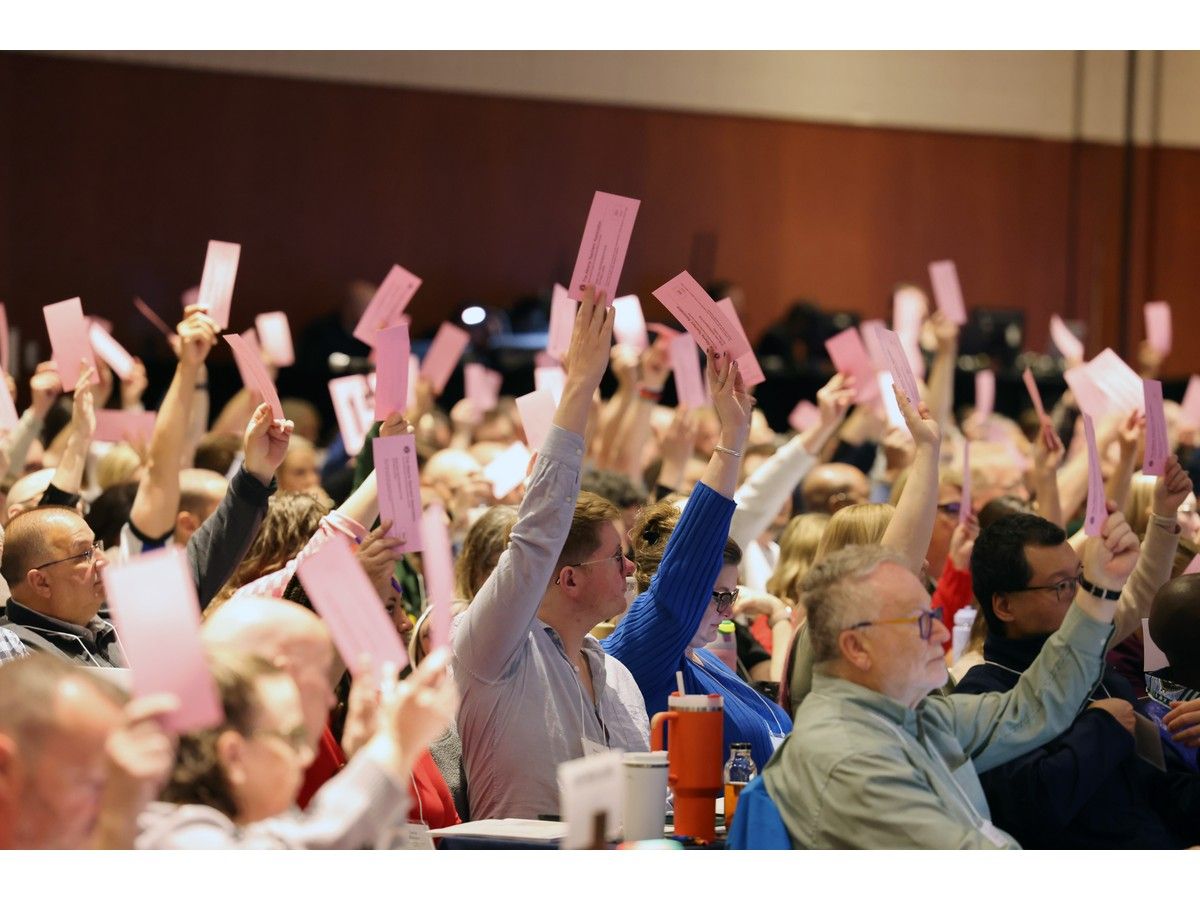
Schilling emphasized that the use of the notwithstanding clause against teachers remains a painful memory. “Today, we mark 201 days since we were stripped of our charter rights,” he said, drawing boos from the crowd of about 400 teachers. He condemned the government’s use of the clause, which was rammed through the legislature in one night.
Negotiation Breakdown and Funding Issues
The legislation forcing teachers to accept the government’s proposal resulted from a breakdown in negotiations. Union members had previously rejected an offer that included coverage of COVID-19 vaccines for teaching staff, a 12 per cent salary increase over four years, and a commitment to hire 3,000 new educators over the next three years. However, teachers argued that this offer did not address systemic issues stemming from generational underfunding.
The union proposed its own offer, raising the province’s allocation by more than a billion dollars. In response, the province made several announcements, including allocating $143 million to create 476 “complexity teams” and a 7.2 per cent increase in the education budget to $10.8 billion. More recently, a promise to hire 1,400 teachers in grades K to 9 for the 2026-27 school year was announced as part of a $200-million grant to reduce class sizes.
Skepticism and the Need for Long-Term Solutions
Despite these efforts, Schilling remains skeptical about the long-term effectiveness of the proposed solutions. “We have to look at just how they’re actually going to do that,” he said. “We can’t just do a one-year announcement of funding for more teachers as a band-aid approach, and then not have that continued into other budget members.”
He also stressed the importance of expanding pre-service and university programs to ensure a steady supply of qualified teachers. “We need to look at expanding our pre-service and university programs so that they can put more students in through the program, so that we can get more teachers into our system.”
Concerns About AI in Education
The union also raised concerns about the introduction of artificial intelligence tools designed to simulate friendship, counseling, or intimate relationships in Alberta K-12 learning environments. Schilling described this as a privacy issue and a concern for student loneliness. Lee Martin, a teacher and ATA Local 55 president, echoed these worries, highlighting the emotional responses that children might receive from anthropomorphic AI.
“We wouldn’t let AI just say anything to children, just as we wouldn’t allow them to go on a field trip with unvetted adults,” Martin said.

Post a Comment for "Alberta Educators Unite in Shifting School Landscape"