
Ancient Plaster Discovery Near Jerusalem Challenges Historical Timeline
Two small fire pits, excavated next to each other about 9,000 years ago in the Judean Hills, are causing archaeologists to reconsider a technology previously thought to be the work of Roman engineers. One pit burned limestone. The other burneddolomitea tenacious rock that requires precise temperature management.
Individuals responsible for those fires were not using metal tools or written guidelines. They were Neolithic artisans addressing a materials science challenge long before any recipe was documented.
At the site of Motzaapproximately five kilometers to the west ofJerusalem, researchers discovered proof that Pre-Pottery Neolithic B societies created dolomite-based plaster, a more durable and water-resistant substance compared to regular lime plaster. The finding, published in theJournal of Archaeological Science, extends the earliest documented use of pyrogenic dolomite in construction by approximately 8,000 years.
The prior standard was theRoman period, when the architect Vitruviusnoted appropriate stones for lime in the first century BC. The use of dolomite-based plaster in construction was previously believed to be a Roman advancement. Motza now changes that timeline.
A Community Constructed with Plaster Surfaces
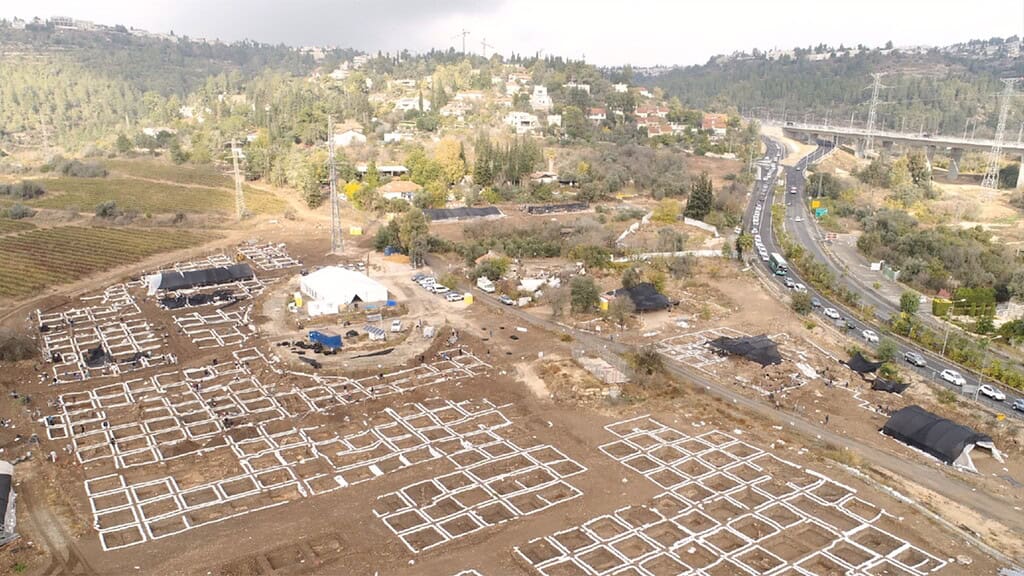
The discoveries came from a largesalvage excavationsconducted between 2015 and 2021 prior tohighway construction.Underneath subsequent layers of occupation, archaeologists discovered a large Neolithic settlement primarily from around 7100 to 6700 BC.
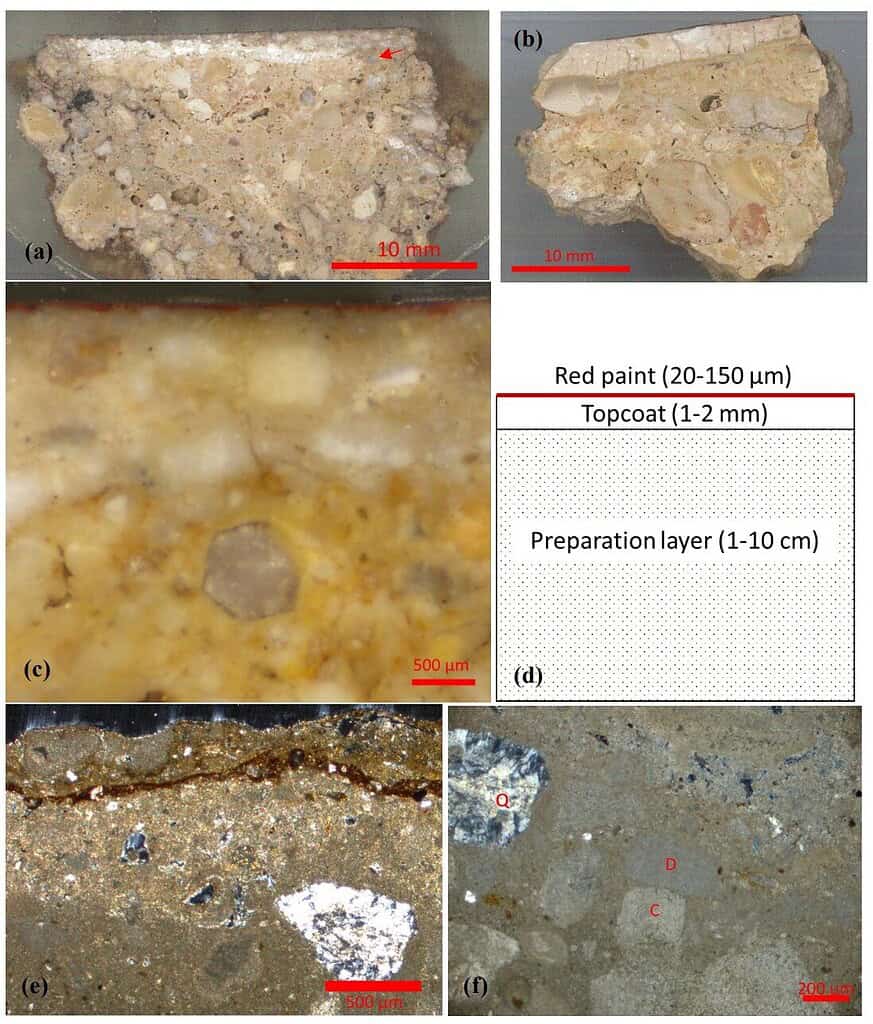
The location produced over 100 plastered floors. Certain earlier floors were well-maintained and colored with red pigment. Subsequent ones were thinner, more fragile, and had a greater porosity.
Most ancient lime plaster was derived from limestone, which is high in calcite. Dolomite differs. It includes both calcium and magnesium carbonate and can be burned at a lower temperature compared to calcite.
When handled properly, it creates a stronger, more water-resistant surface. However, the process is challenging. Dolomite needs to be heated under precise conditions, usually below approximately 900 degrees Celsius. Excessive heat, insufficient heat, an incorrect fuel setup, or the improper amount of water during...slaking can ruin the material.
That technical challenge is why dolomitic lime appeared to enter the archaeological record at a later date. Motza challenges this idea.
Two Kilns, Two Recipes
The strongest indication of intentional technological management emerged from two shallowfire pitslocated next to each other. Each was approximately 1.5 to 2.6 meters in width and about half a meter in depth. One was utilized for burning limestone. The other was used for dolomite.
The division was deliberate. Limestone and dolomite react differently when exposed to heat, and the Motza artisans modified their firing technique for each type of rock.
On certain levels, dolomite was used as an aggregate, mixed into the plaster as crushed stone. In other instances, it played a more significant function as a component of the binding material that maintained the floor's structure.
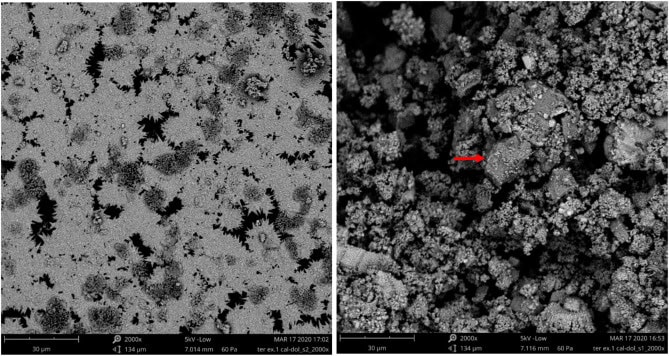
The study group examined remnants of kilns and plaster samples usinginfrared spectroscopy, X-ray diffraction, thermogravimetric analysis, scanning electron microscopy, and optical microscopy. These techniques enabled them to detect minerals, examine temperature-induced transformations, and analyze microstructural features within the plaster.
What they discovered was surprising. In standard dolomitic lime, the original stone does not reappear after being fired. It decomposes and forms a combination of magnesium-rich minerals and other substances. The Motza plaster was distinct. It was primarily composed of dolomite andcalcite, leading the team to claim that some of the dolomite had reformed after the stone was burned.
The researchers determined that the artisans from Motza might have produced dolomitic plaster in which dolomite completely recrystallized together with calcite. This specific mixture, they noted, has not been seen elsewhere.
The Dolomite Problem
The discovery connects the archaeological find to a broader geological enigma referred to as thedolomite problemDolomite is commonly found in ancient rock formations but is challenging to cultivate under standard laboratory settings.
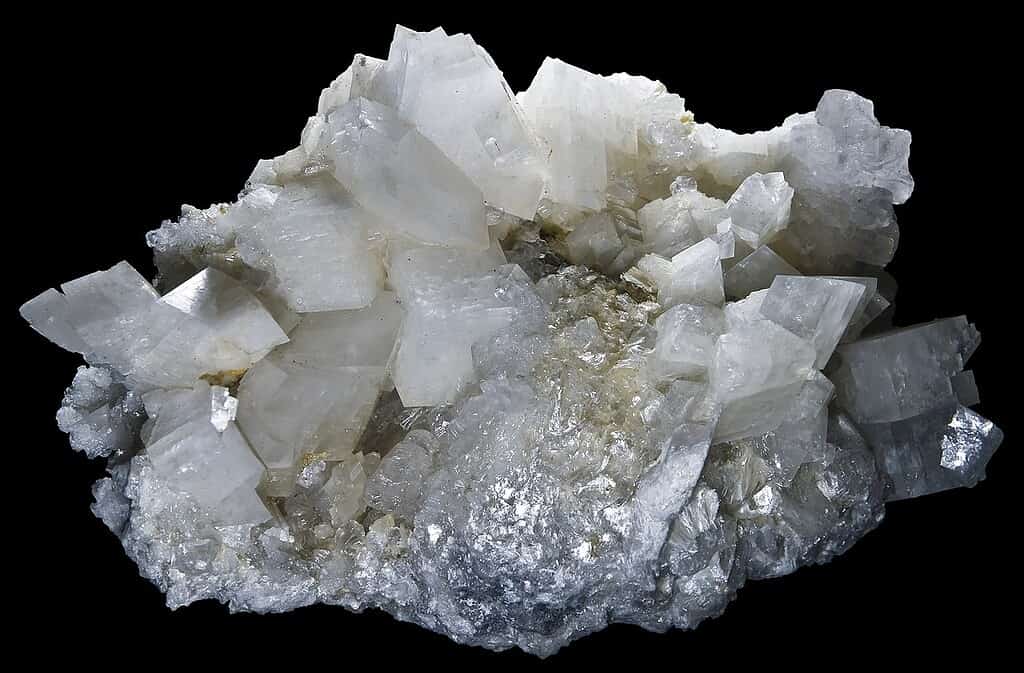
Scientists still have not completely grasped every method by which it is formed. A type of plaster that seems to finish a full dolomite-lime cycle, re-creating the mineral following decarbonization, is at the core of this unresolved issue.
The findings indicate a technology that has been forgotten over time, which enabled a full dolomite-lime cycle, comparable to the well-documented calcite-lime cycle, according to the researchers.
A Handcraft Legacy Without a Guidebook
The Motza floors record choices made near a kiln about 9,000 years back. The creators didn't leave any writings, formulas, or guides. They created a surface beneath the feet, constructed layer by layer of minerals.
Someone needed to understand which stones to gather, how to maintain the fire within a specific temperature range, how to prevent the lime from being damaged by excessive water, and how to transform the mixture into a strong floor. Thatcraft knowledgeprobably went through trial and error within a structured tradition.
Enjoyed this article? Sign up for our free email newsletterfor captivating narratives, unique material, and up-to-the-minute updates.
Post a Comment for "Ancient Plaster Discovery Near Jerusalem Challenges Historical Timeline"